Rest for water — History & Analysis
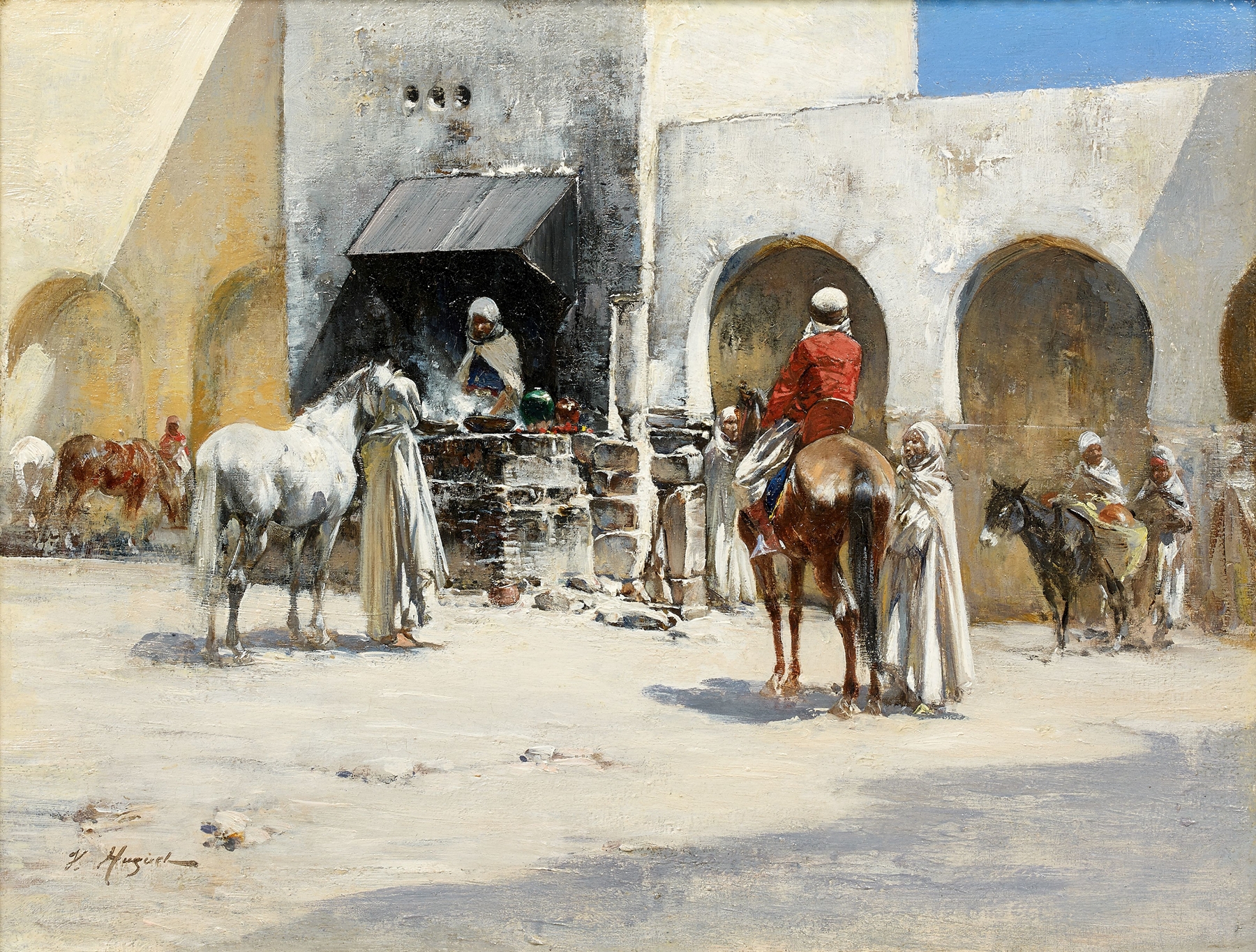
Is this a mirror — or a memory? In the stillness of Rest for Water, the viewer is invited to reflect on the delicate balance between longing and ecstasy, where the mundane becomes an entryway to sublime experience. Look toward the center, where the gentle figures recline against a backdrop of lush greenery. The soft light cascades through the leaves, illuminating their serene expressions and the water that glimmers at their feet. The warm palette of earthy tones creates a harmonious blend, inviting the eye to linger on the subtle interplay of shadows and highlights.
Notice how the artist masterfully captures the texture of the skin, the flowing drapery of garments, and the tranquil surroundings, each detail drawing one deeper into the scene. Beneath the surface, the painting resonates with themes of respite and connection. The figures, engrossed in their moment of repose, suggest a fleeting pause in the tumult of life, hinting at a deeper yearning for both physical and spiritual fulfillment. The water serves as a symbol of life and rejuvenation, while the lush setting hints at the ecstasy found in nature’s embrace.
This tension between tranquility and the vibrancy of life is palpable in every brushstroke, forging a connection between the viewer and the intimate world depicted. Victor Pierre Huguet painted Rest for Water during the late 19th century, a time when the artist was immersed in the vibrant milieu of Paris. The rise of Impressionism and the exploration of light and color influenced his work, reflecting broader artistic movements that sought to capture contemporary life. This period was marked by a fascination with the human experience, as Huguet endeavored to convey the ethereal beauty of leisure and nature through his captivating scenes.