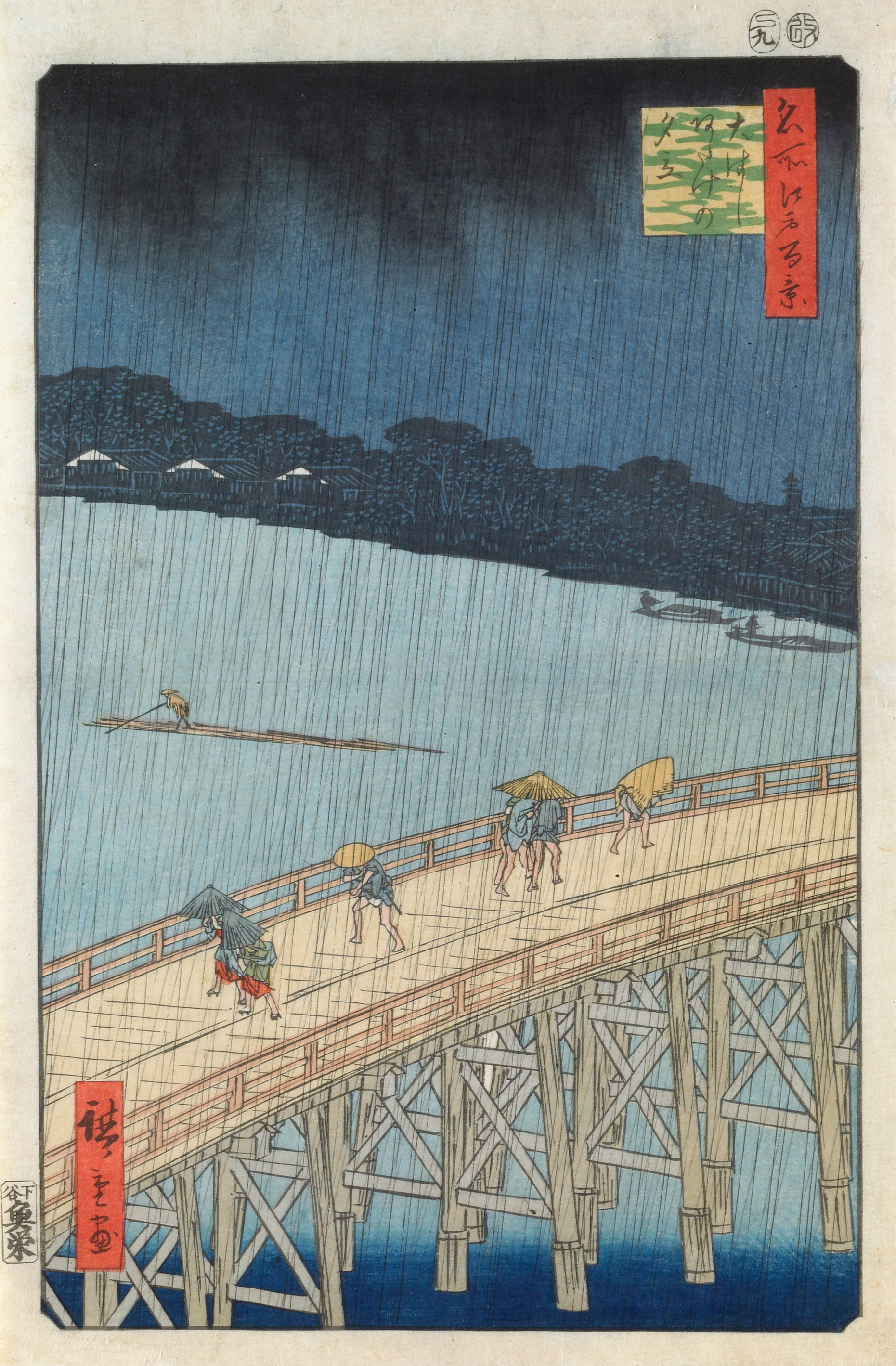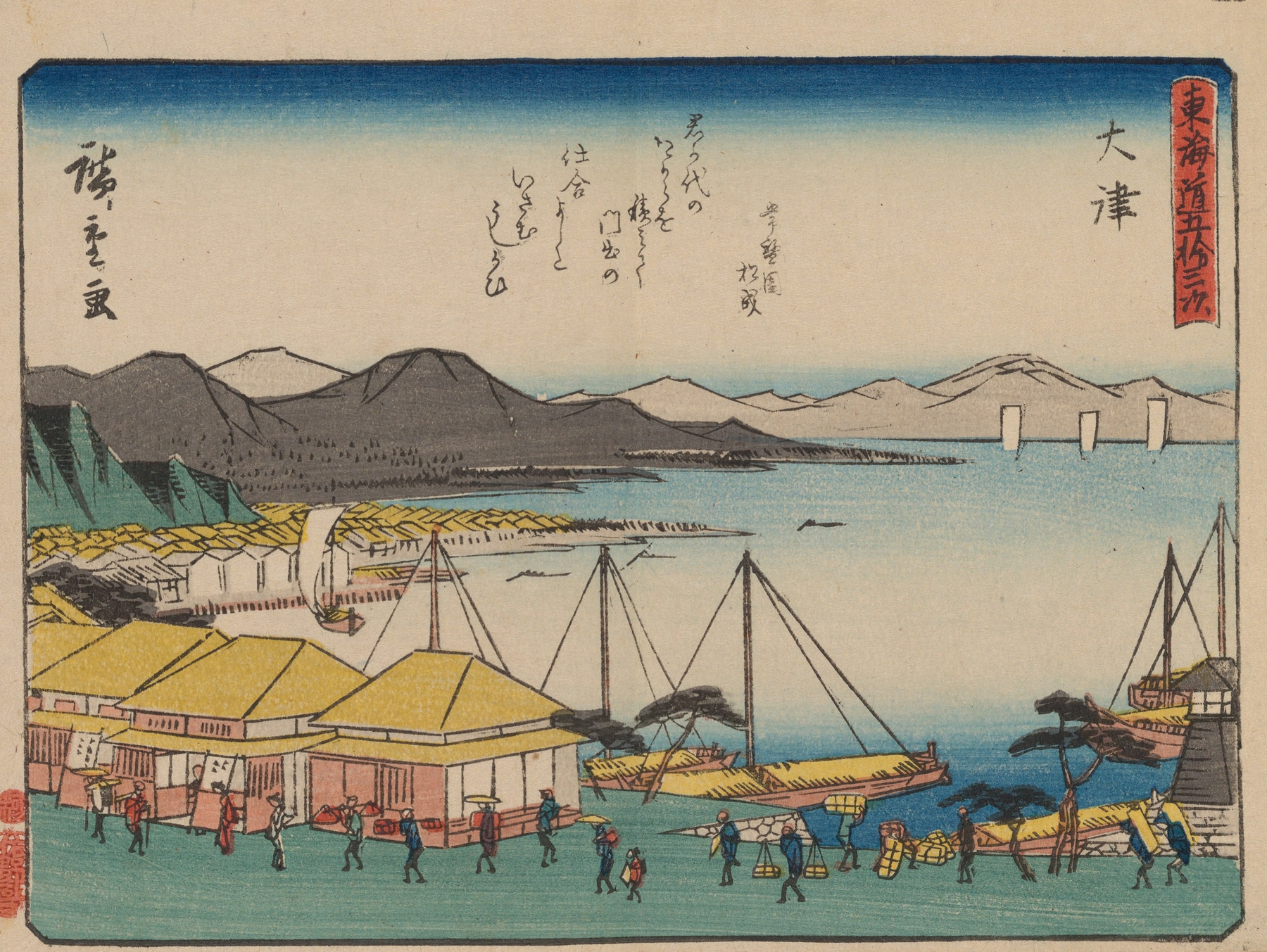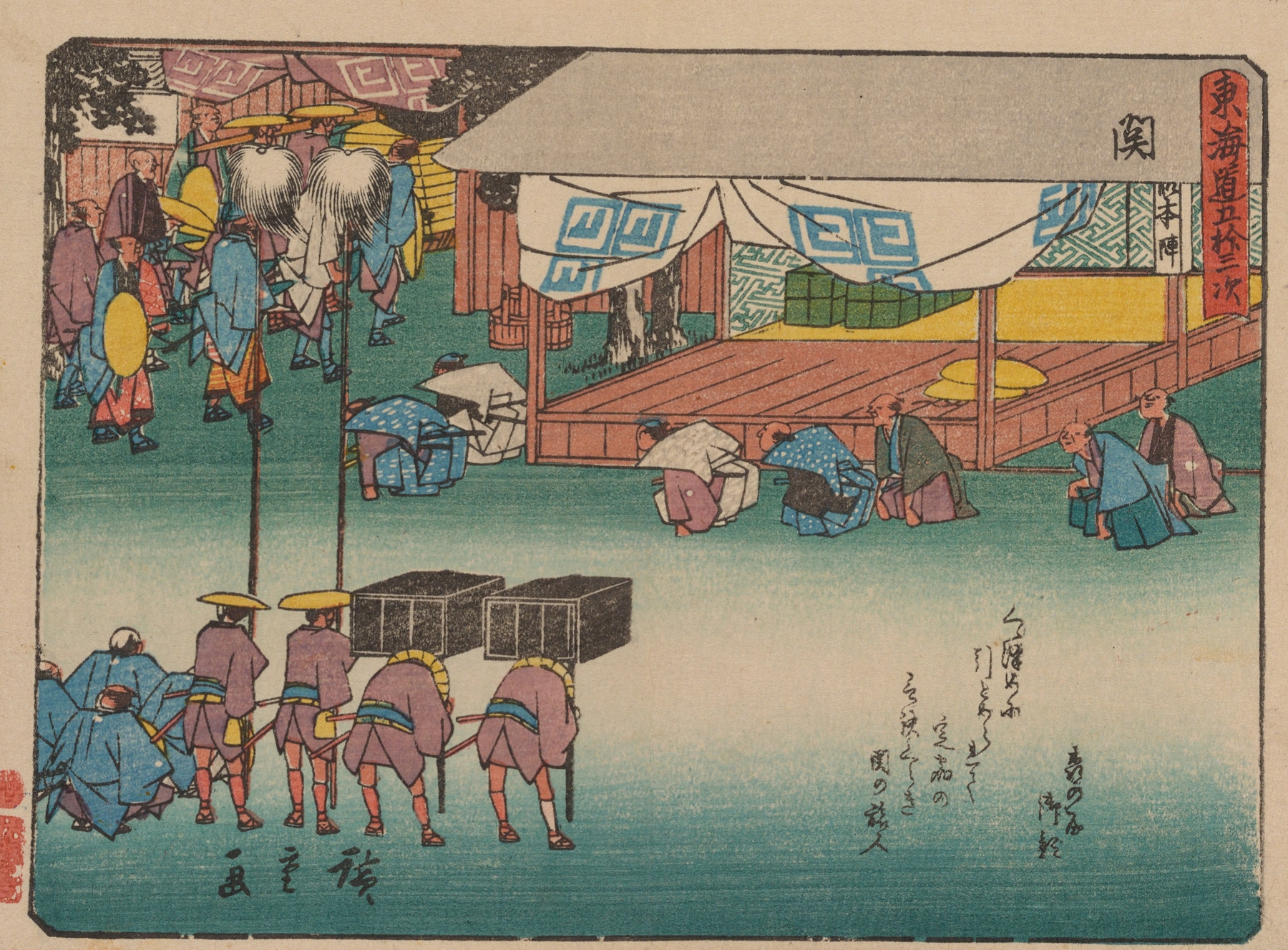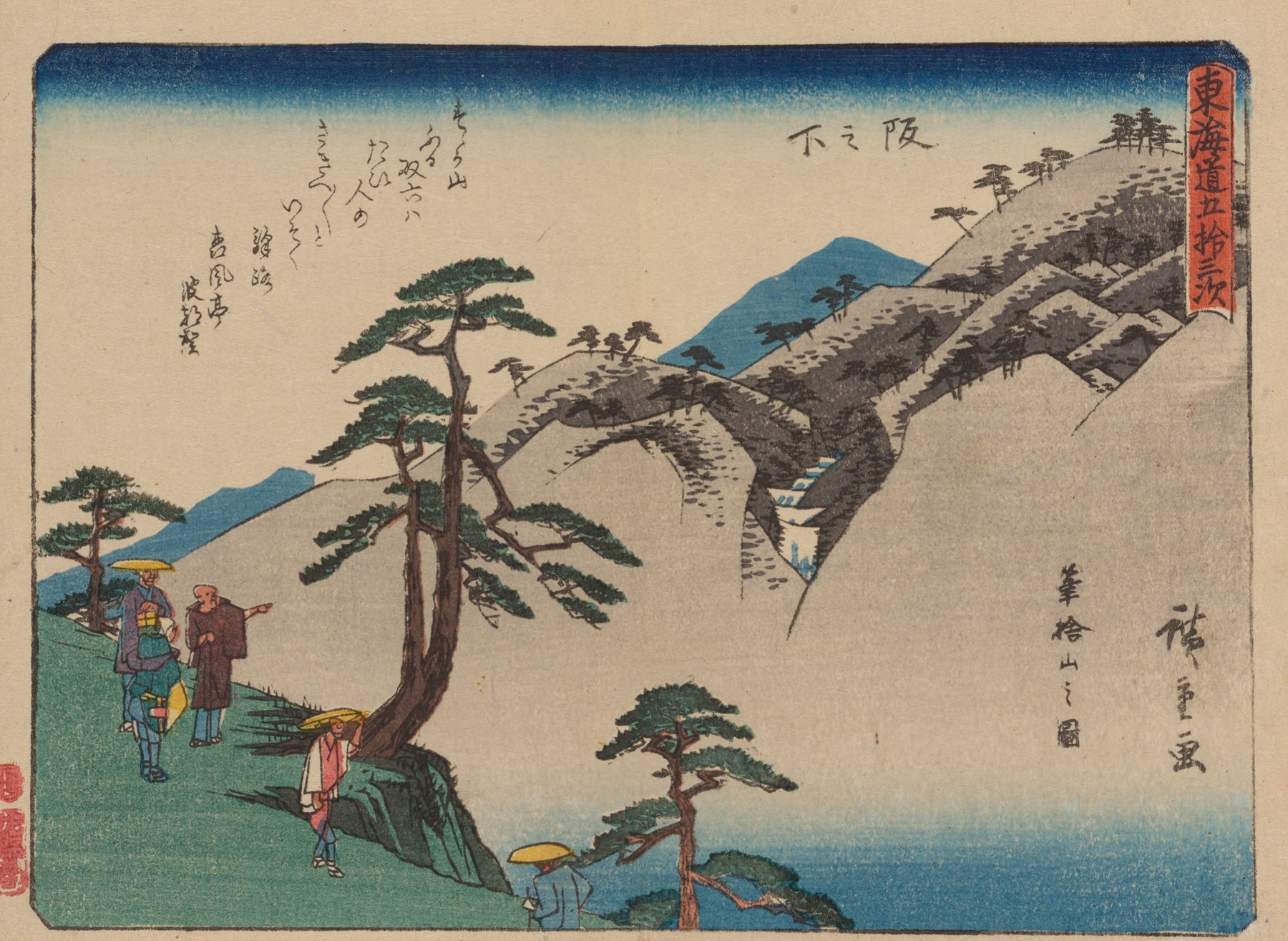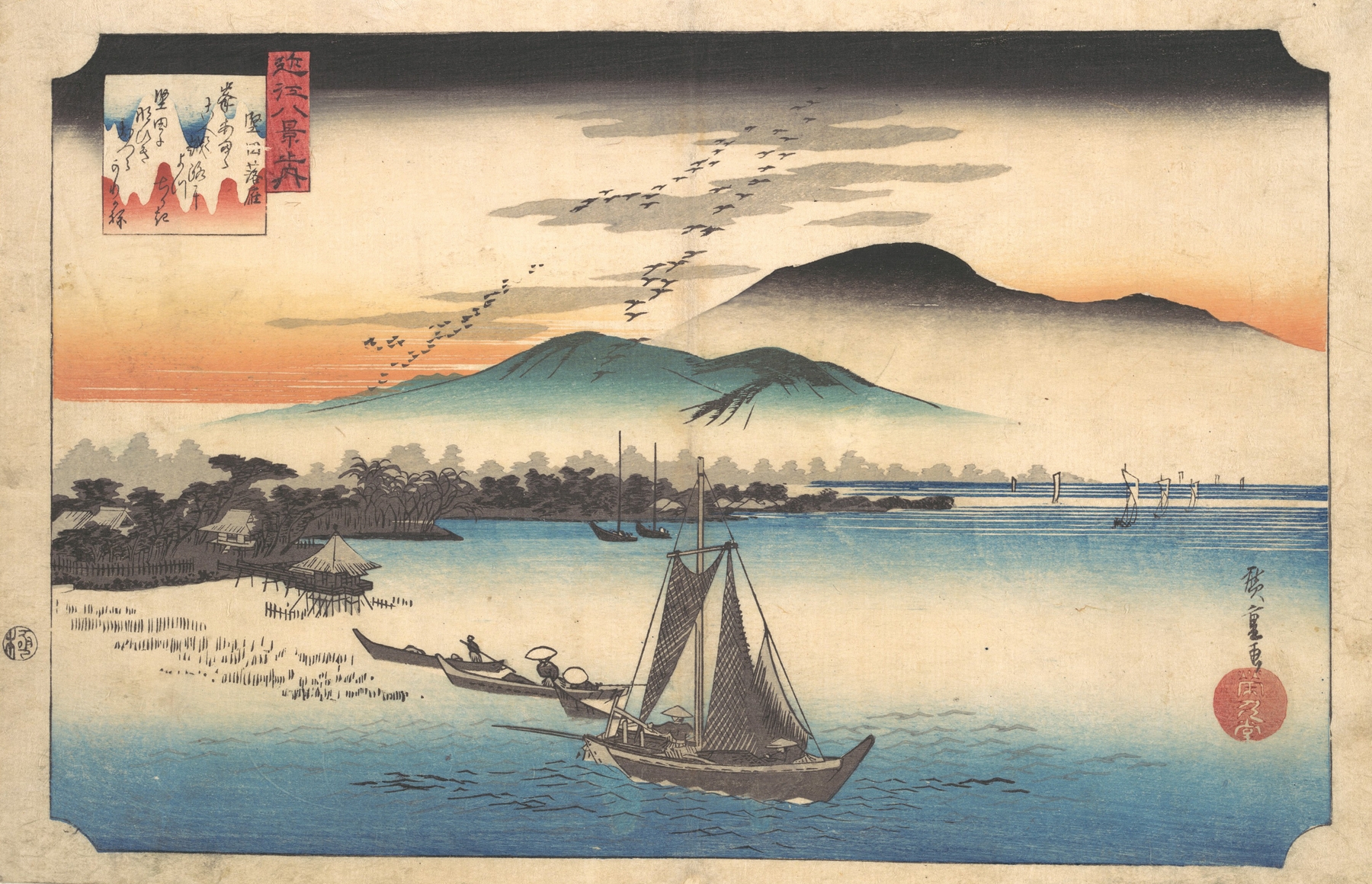

What if beauty was never meant to be finished? *Returning Geese at Katada* captures a fleeting moment that transcends the very notion of completion, inviting us to appreciate the beauty in the impermanent. Focus first on the serene expanse of water that stretches across the foreground, its surface reflecting the soft hues of twilight. The geese, elegantly poised in flight, draw your gaze to the right, where they seem to merge seamlessly with the dusky sky. Each stroke of color, from the muted blues to the whispering oranges, conveys an atmosphere of tranquility, while the delicate lines depict an intricate dance between the birds and the landscape. The composition is balanced yet dynamic, inviting contemplation. Dive deeper into the emotional undercurrents of this piece — the contrast between the stillness of the water and the motion of the geese suggests a tension between permanence and transience. The birds represent freedom, yet they are framed within a fleeting moment that will soon dissolve into night. The subtle gradation of colors not only evokes a sense of peace but also hints at the void that looms beyond the beauty captured. It's an invitation to reflect on the ephemeral nature of existence. In 1835, while living in Edo (modern-day Tokyo), the artist explored the themes of nature and daily life in his work, contributing significantly to the ukiyo-e genre. This period was marked by a fascination with landscapes and the changing seasons, as Japan began to confront the complexities of modernization. *Returning Geese at Katada* epitomizes Hiroshige's ability to harmonize beauty and impermanence, reflecting both his personal artistry and the cultural context of his time.