River View — History & Analysis
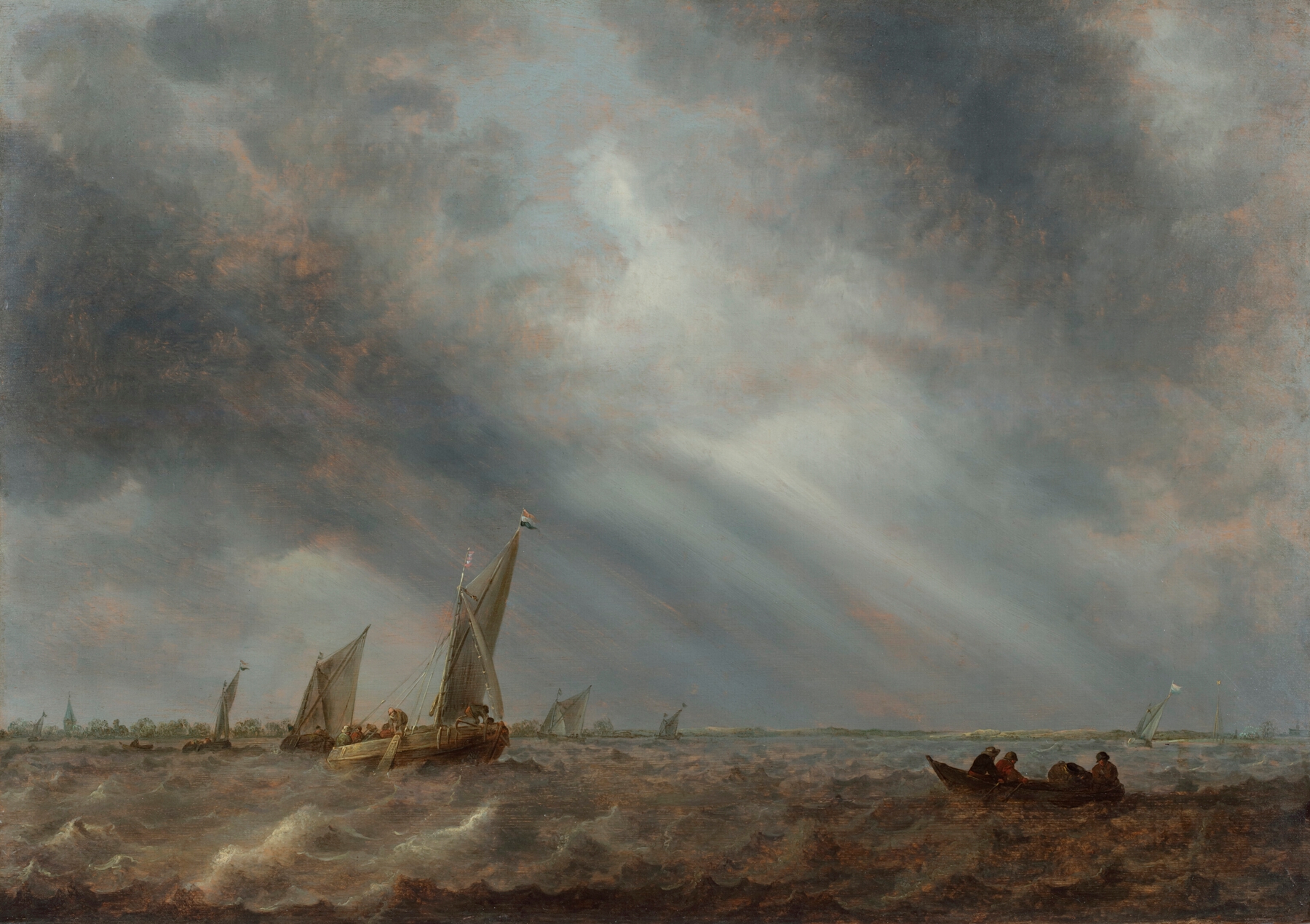
Who listens when art speaks of silence? In River View, quietude permeates the scene, hinting at both the weight of presence and the absence that lingers just out of sight. Look to the left where gentle ripples undulate against the riverbank, capturing the fading light of dusk. The painter’s meticulous brushstrokes create a shimmer on the water, leading your gaze to the distant horizon where an ethereal blend of blues and golds collide.
Notice how the subtle play of light defines the trees, their limbs reaching out, almost pleading for connection. The soft yet somber palette evokes a sense of tranquility paired with introspection, a delicate balance between nature's beauty and the bittersweet undertone of loss. Yet, hidden within this serene composition lies a deeper narrative. The juxtaposition of the tranquil water and the shadowy foliage uncovers a tension between hope and despair—an invitation to reflect on what may be lost to time.
The scene stands still, yet it thrums with unspoken stories; the viewer is left to ponder who may have walked these banks before, now only echoes in the stillness. The river, a symbol of continuity, flows past, silently carrying away memories and dreams, leaving behind an unresolved ache. In the mid-1640s, during a period marked by the Dutch Golden Age, the artist captured River View while navigating a personal landscape of artistic ambition amid changing times. As van Beyeren established himself within the world of still life and landscape painting, he was influenced by the burgeoning interest in realism and the fleeting nature of beauty, mirroring the complexities of his own life experiences and the broader cultural shift toward introspection in art.