Roses in a Vase — History & Analysis
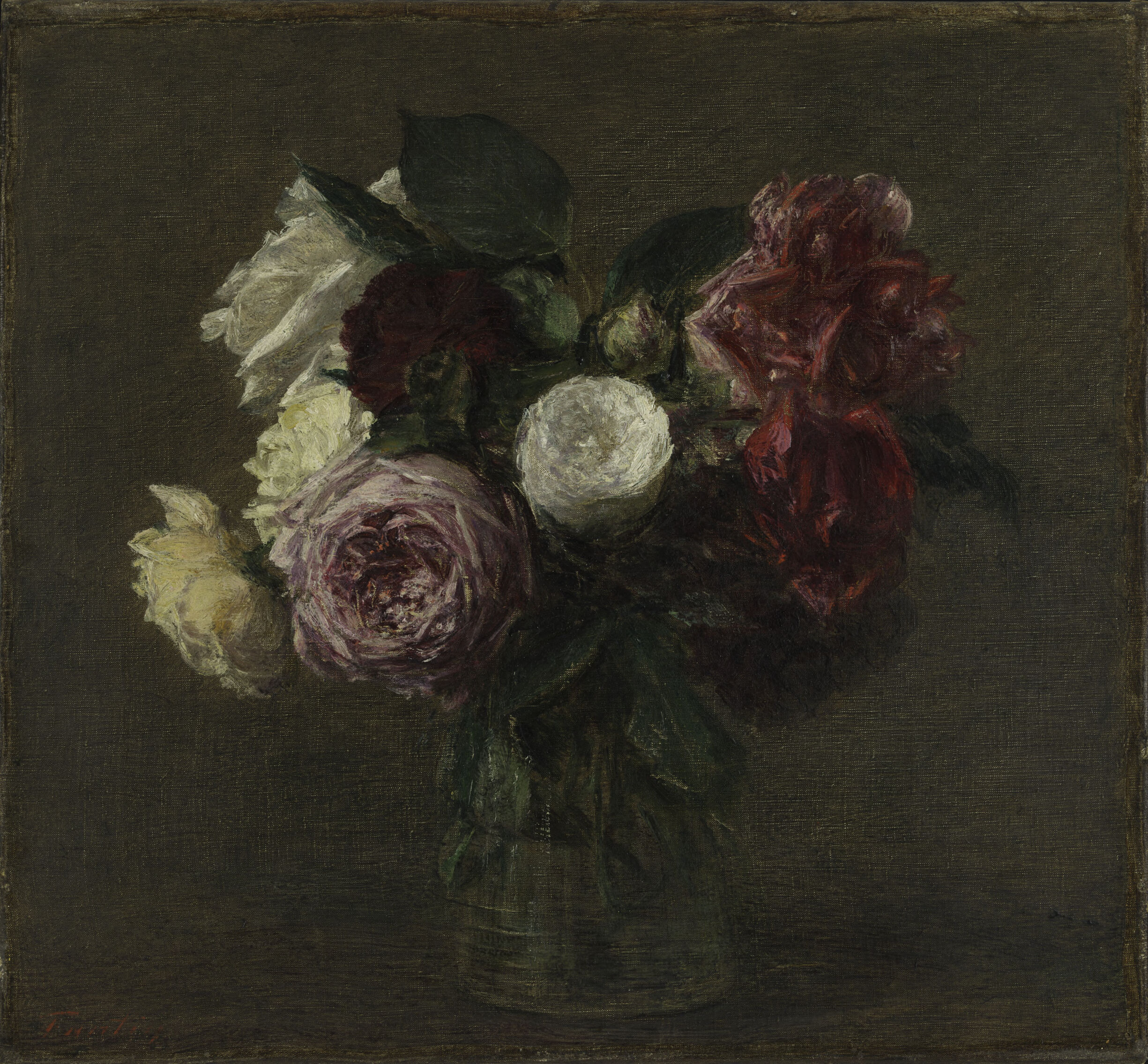
Who listens when art speaks of silence? In Roses in a Vase, the delicate blooms whisper the legacy of beauty, transcending time and touch. Focus first on the soft, luminous petals that draw the eye, each one rendered with meticulous brushwork. Notice how the shades of pink and white intermingle, creating a gentle gradient that breathes life into the composition.
The vase, an understated yet elegant presence, anchors the arrangement, its reflective surface capturing the subtle play of light, while the dark background enhances the vibrancy of the flowers. Beneath the surface lies a deeper interplay of transience and permanence. The roses, symbols of fleeting beauty, remind us of life’s ephemeral nature, juxtaposed with the solidity of the vase that suggests stability and memory. Each petal, though fragile, stands resilient, echoing the artist's own struggle with the passage of time and the desire to immortalize beauty.
The quietude of the piece invites contemplation, prompting viewers to reflect on their own encounters with beauty and loss. Created between 1880 and 1889, the work emerged during a pivotal moment for Fantin-Latour, as he was navigating the evolving art world of Paris, where Impressionism began to reshape perceptions of light and color. These years were marked by both personal and artistic exploration, as he delved into still life while seeking to capture the essence of emotion in the simplicity of flowers. This painting stands as a testament to his quest for legacy, revealing a timeless dialogue between nature and art.