Vase of Flowers — History & Analysis
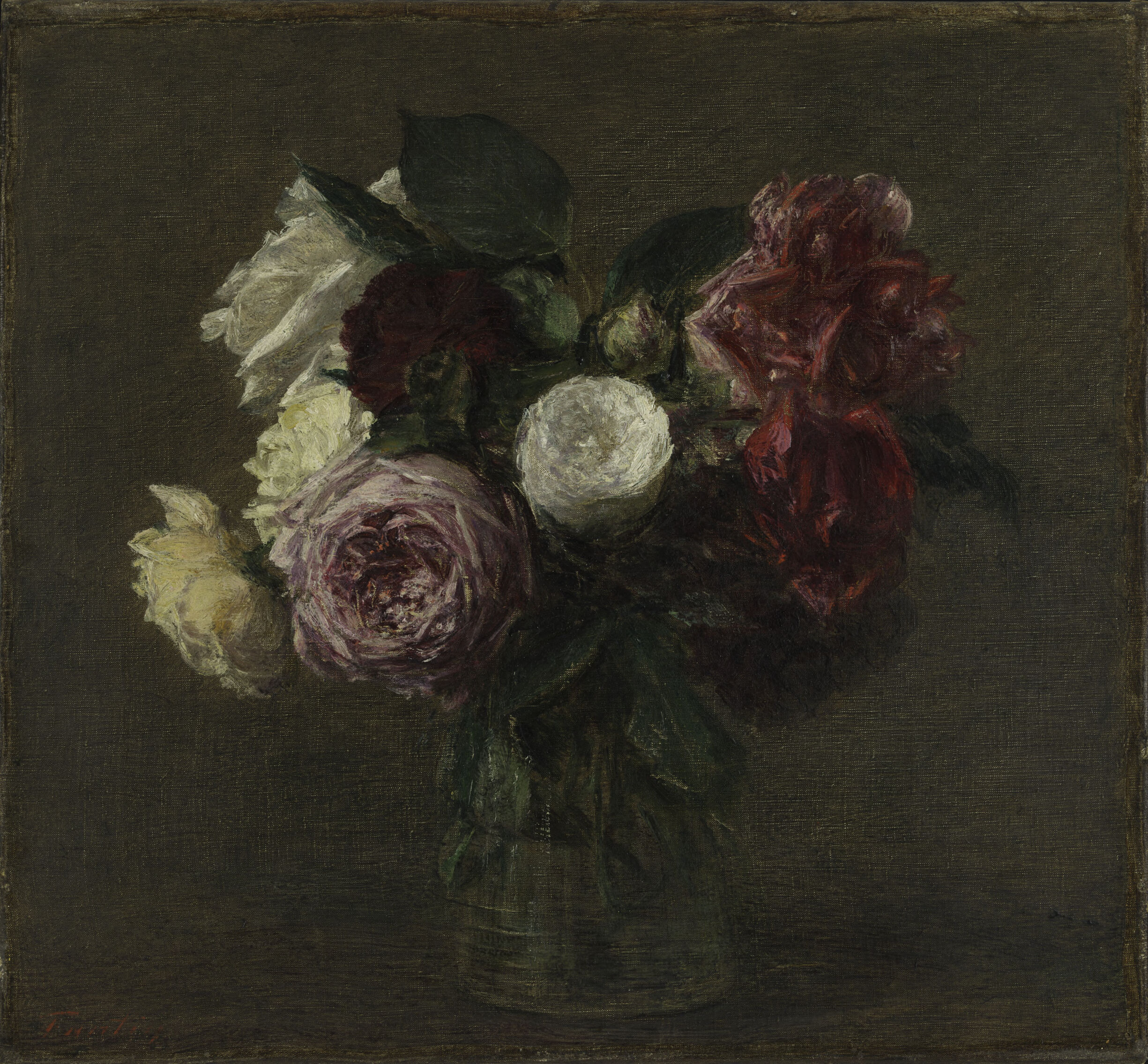
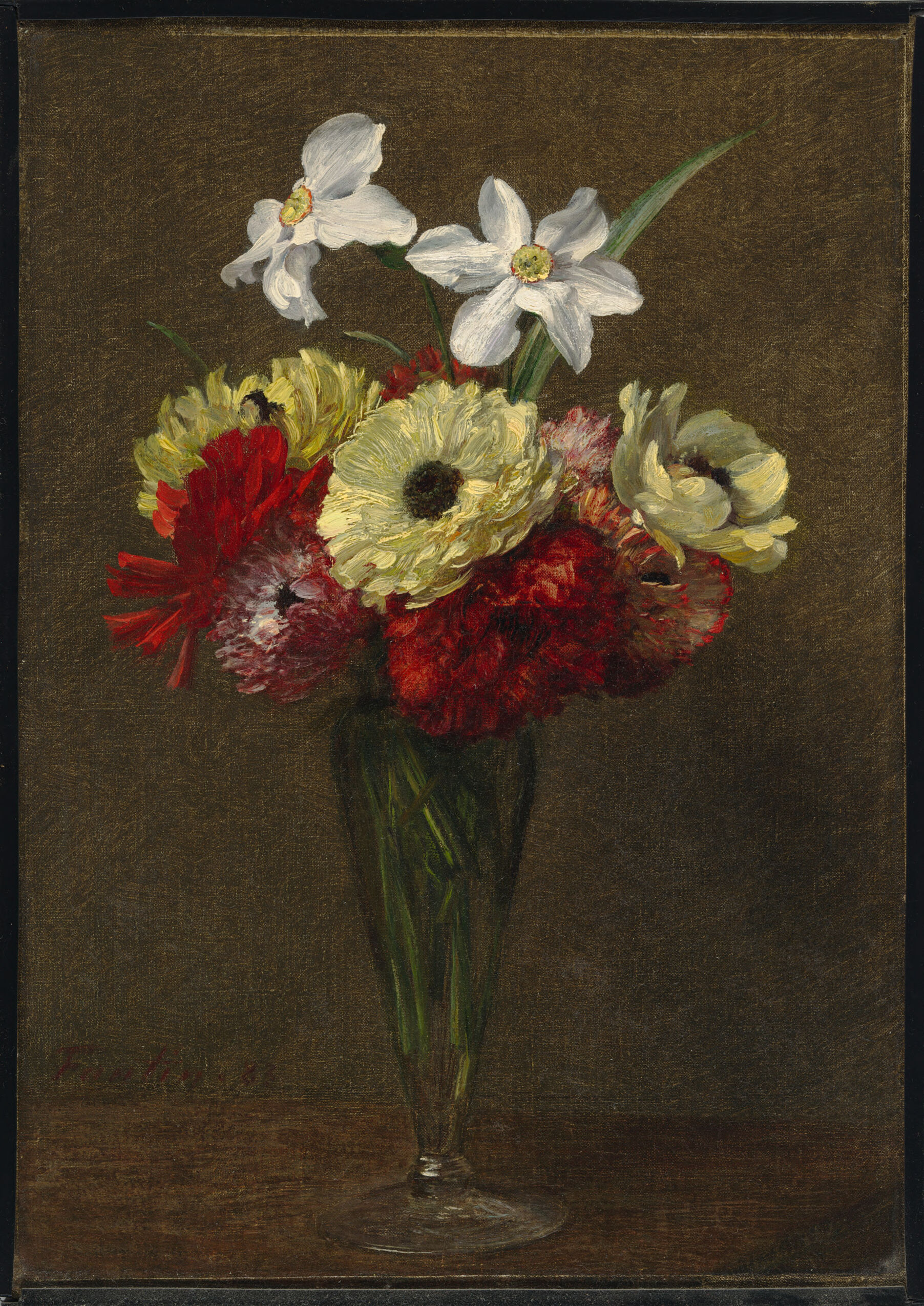
Who listens when art speaks of silence? In Vase of Flowers, the delicate blooms seem to whisper their stories, transcending the ordinary moment to reach a deeper understanding of beauty. Look to the left at the harmonious arrangement of petals, their vibrant colors grounded in a muted background that allows the flowers to resonate. The technique is meticulous; each brushstroke captures the softness of the blossoms while maintaining a palpable sense of depth. Notice how the light filters through, revealing the nuanced play of shadow and luminosity that breathes life into the vase.
The composition draws the eye inward, inviting contemplation of the stillness humming within the floral assemblage. Beneath the surface, contrasting themes emerge. The ephemeral nature of the flowers speaks to life's fleeting moments, while their bold colors symbolize vitality and endurance. The vase, sturdy yet elegantly curved, serves as a reminder of the balance between fragility and strength.
This duality embodies a quiet tension, a meditation on existence that resonates deeply within the viewer, urging reflection upon the beauty and transience embodied in nature. In 1883, while living in Paris, Fantin-Latour painted this piece during a time of artistic exploration and transformation. The Impressionists were reshaping the landscape of art, yet he remained steadfast in his tribute to the classical still life tradition. This work reflects his commitment to celebrating the beauty of everyday objects, a pursuit that defined his career and contributed significantly to the art movements of his time.