Dawn — History & Analysis
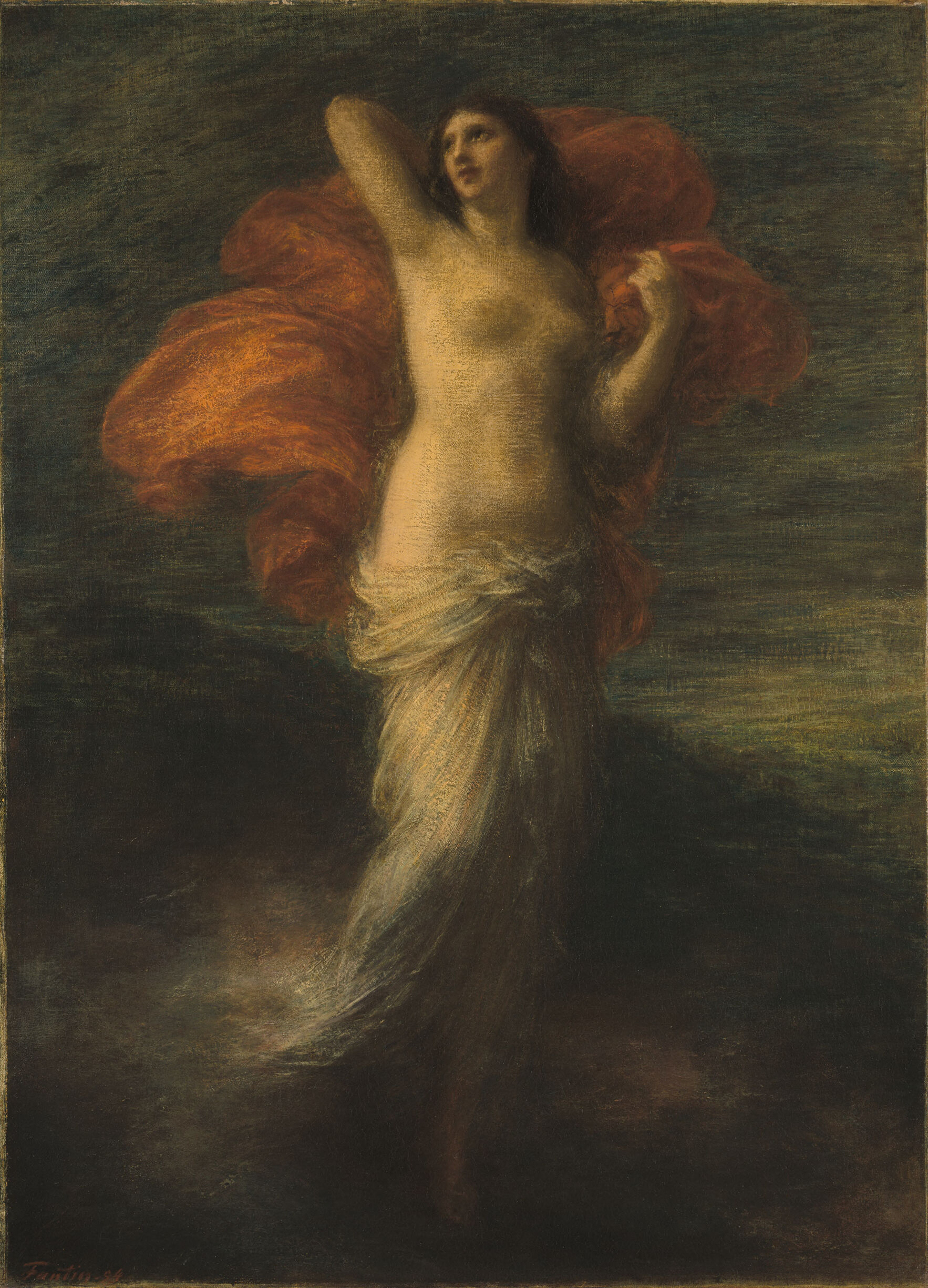
Could a single brushstroke hold eternity? In the stillness of dawn, light unfolds slowly, revealing the truth of a new day, capturing the essence of hope and renewal. Look to the center of the canvas where soft, pastel colors merge harmoniously. The delicate shades of pink and blue invite you to explore the horizon painted with exquisite precision.
Notice how the light catches on the edges of the clouds, creating a gentle glow that seems to pulse with life. Each brushstroke is deliberate, conveying both warmth and serenity, while the subtle gradation of colors invites you to linger and reflect. Dig deeper into the imagery, and you’ll find an ethereal quality that contrasts silence with anticipation. The stillness of the dawn hints at the promise of new beginnings, while the delicate play of light and shadow reveals the transient nature of time.
This painting embodies the tension between the ephemeral and the eternal, whispering the truth that every sunrise brings both an end and a new beginning. During the years between 1883 and 1894, the artist was deeply immersed in the Parisian art scene, exploring themes of nature and light. It was a period of experimentation with color and technique, influenced by the burgeoning Impressionist movement. This work reflects not only a personal evolution but also the broader shift in artistic perception, as artists began to embrace the transient beauty of the world around them.