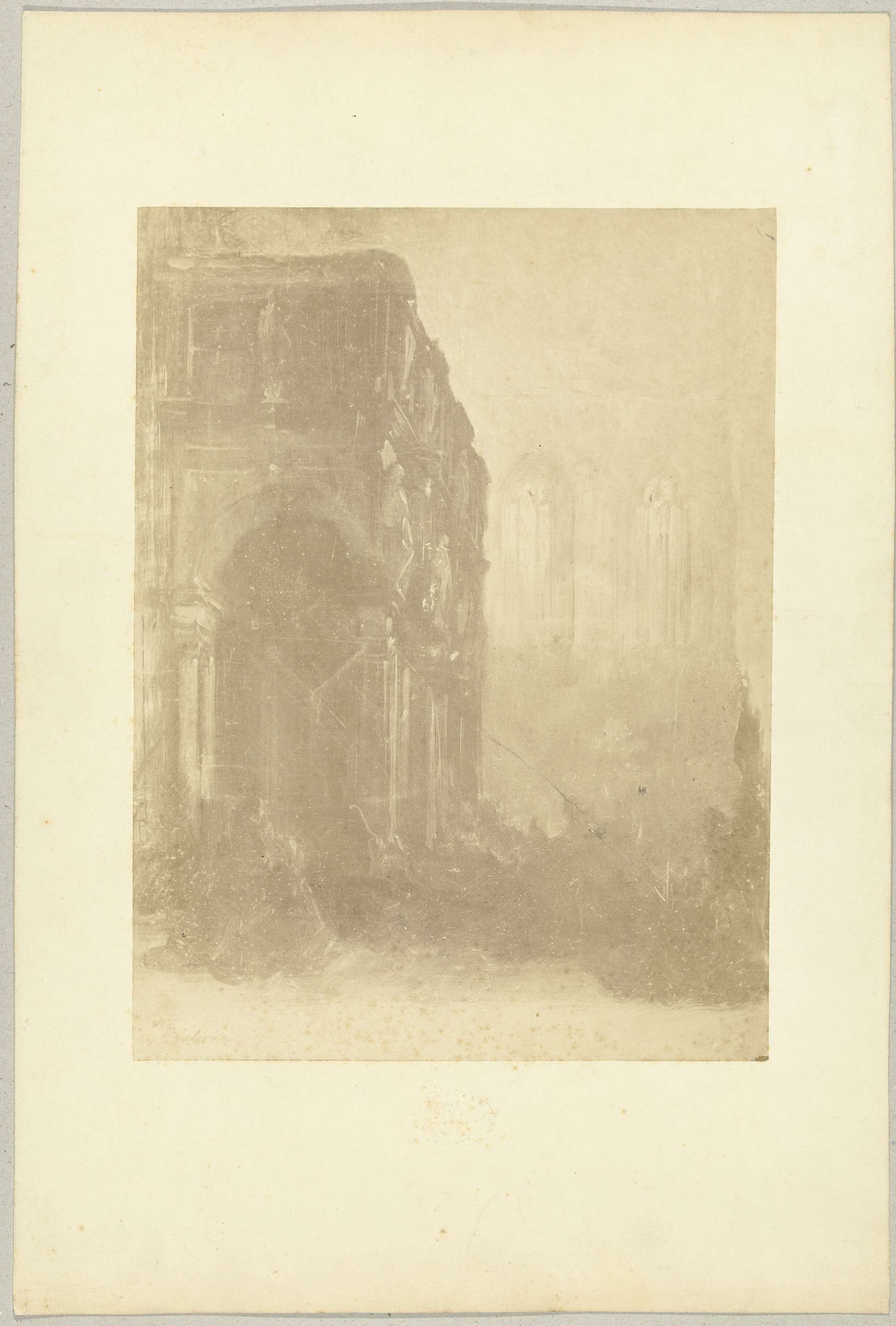
Schilderij van koning Willem II op het slagveld van Waterloo door Nicaise de Keyser — History & Analysis
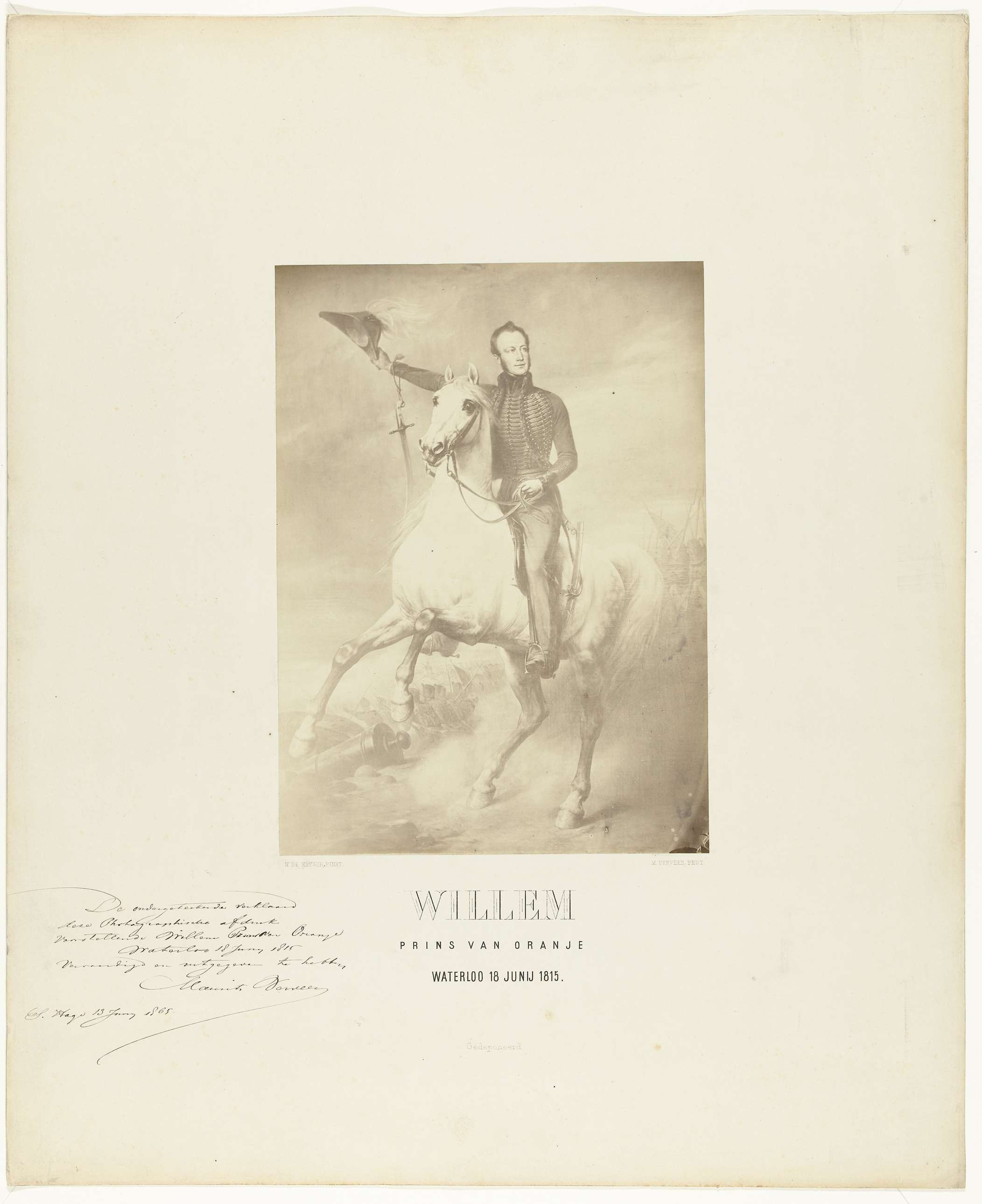
Could a single brushstroke hold eternity? In the shifting realm of dreams, the past can be resurrected through art, breathing life into moments we can never reclaim. Focus on the center, where the imposing figure of King Willem II stands, a resolute presence amidst the chaos of battle. His uniform, resplendent in rich blues and golds, commands immediate attention, radiating authority against the tumultuous backdrop of the battlefield.
Notice how the artist skillfully captures the interplay of light and shadow, with sunlight illuminating the king's determined face while casting long, ominous shadows of fallen soldiers around him, symbolizing the heavy cost of war. As you delve deeper into the painting, consider the emotional contrasts at play: the king's unwavering composure juxtaposed with the grim reality of death and destruction surrounding him. The vivid colors of the uniforms stand in stark relief to the muted earth tones of the battlefield, perhaps hinting at the fragility of victory. Each stroke seems to echo the weight of historical consequence, suggesting that glory can be intertwined with profound loss, a reality that remains etched in the collective memory.
In 1865, Maurits Verveer painted this powerful scene, reflecting on the aftermath of the Napoleonic Wars as Europe navigated the delicate balance between nationalism and the specter of further conflict. At this time, the art world was shifting toward realism, capturing not only the grandeur of events but also their inherent complexities. Verveer, a prominent Dutch artist, understood the importance of preserving such pivotal moments, forever linking art with the narrative of human experience.