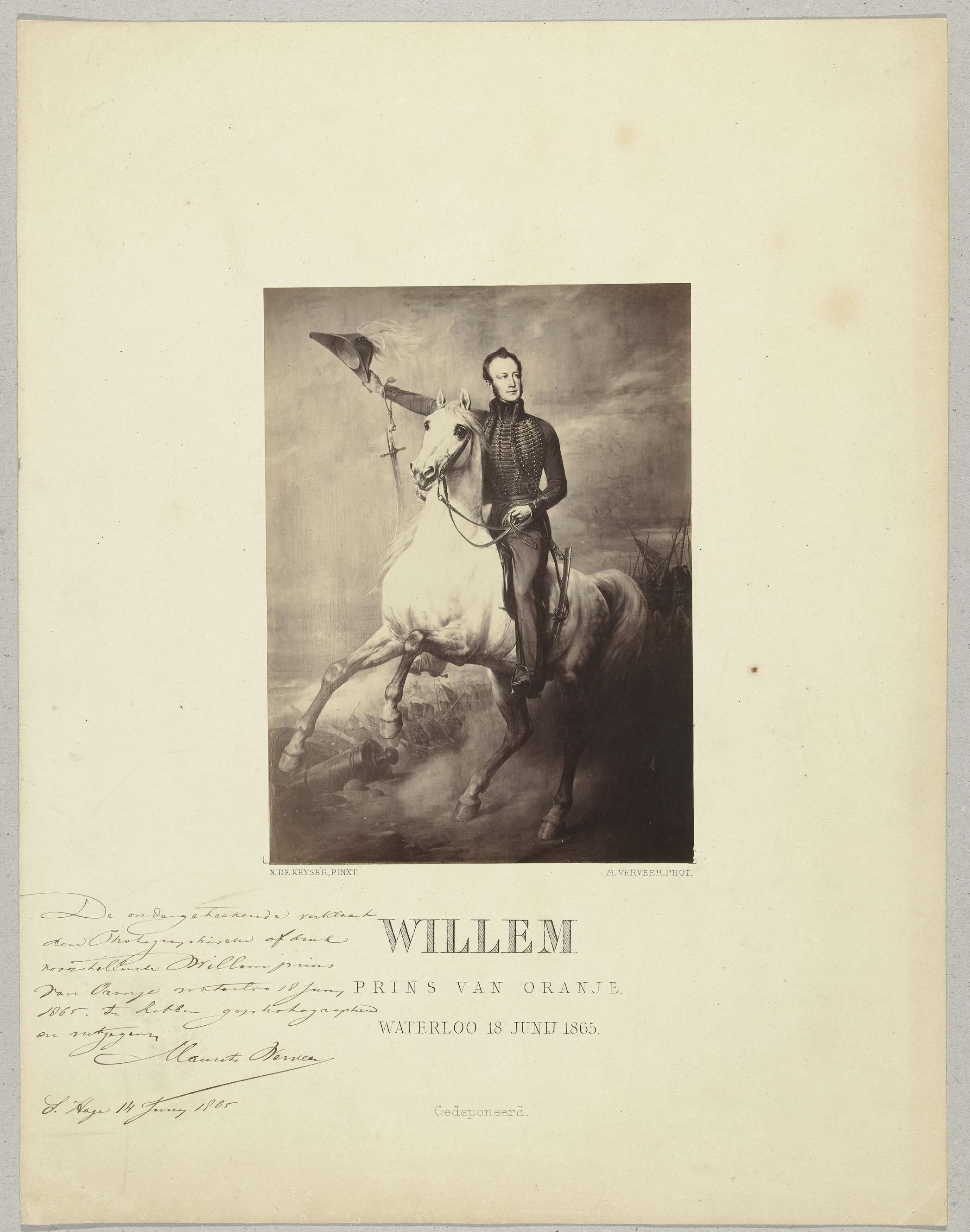
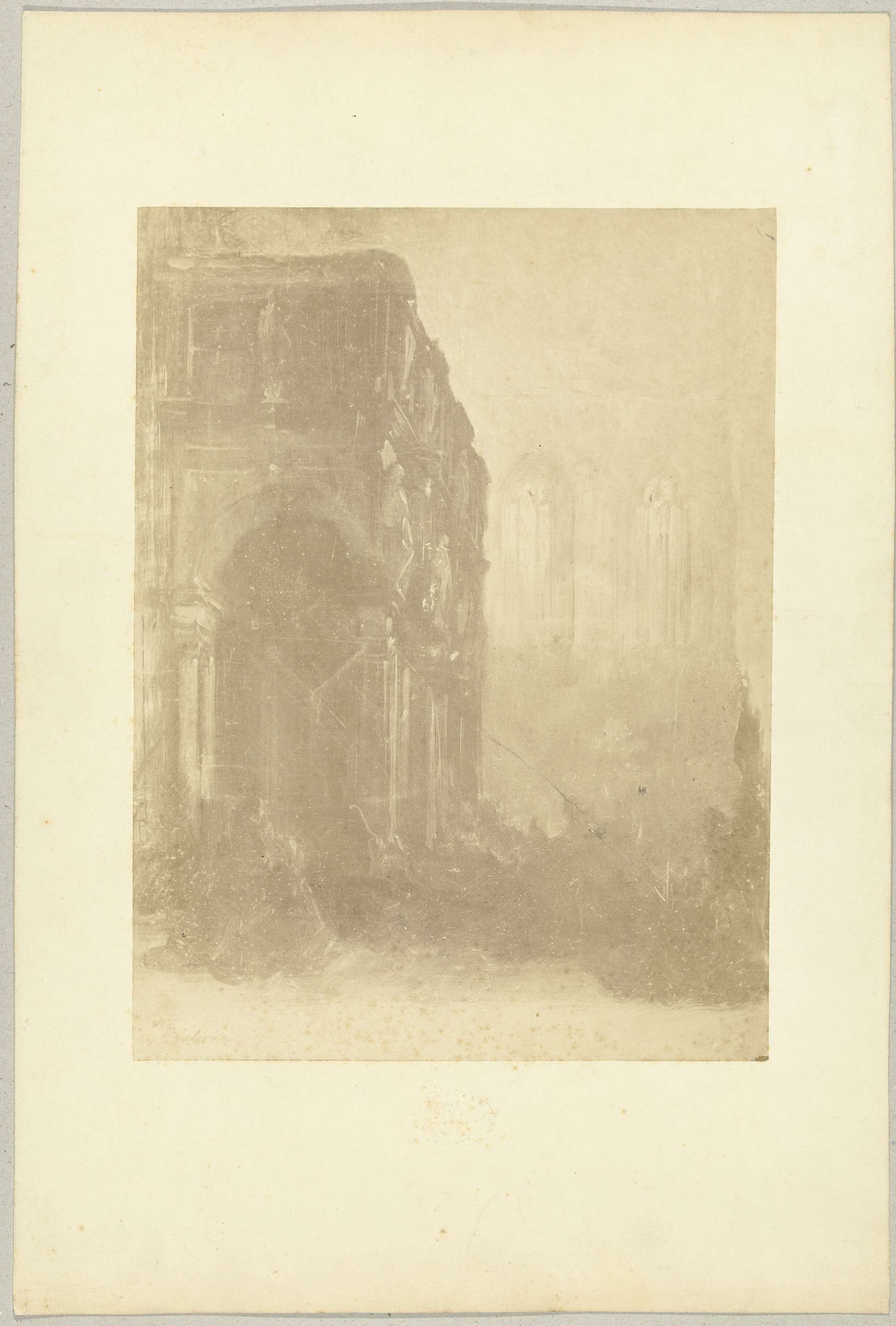
Schilderij van koning Willem II op het slagveld van Waterloo door Nicaise de Keyser — History & Analysis
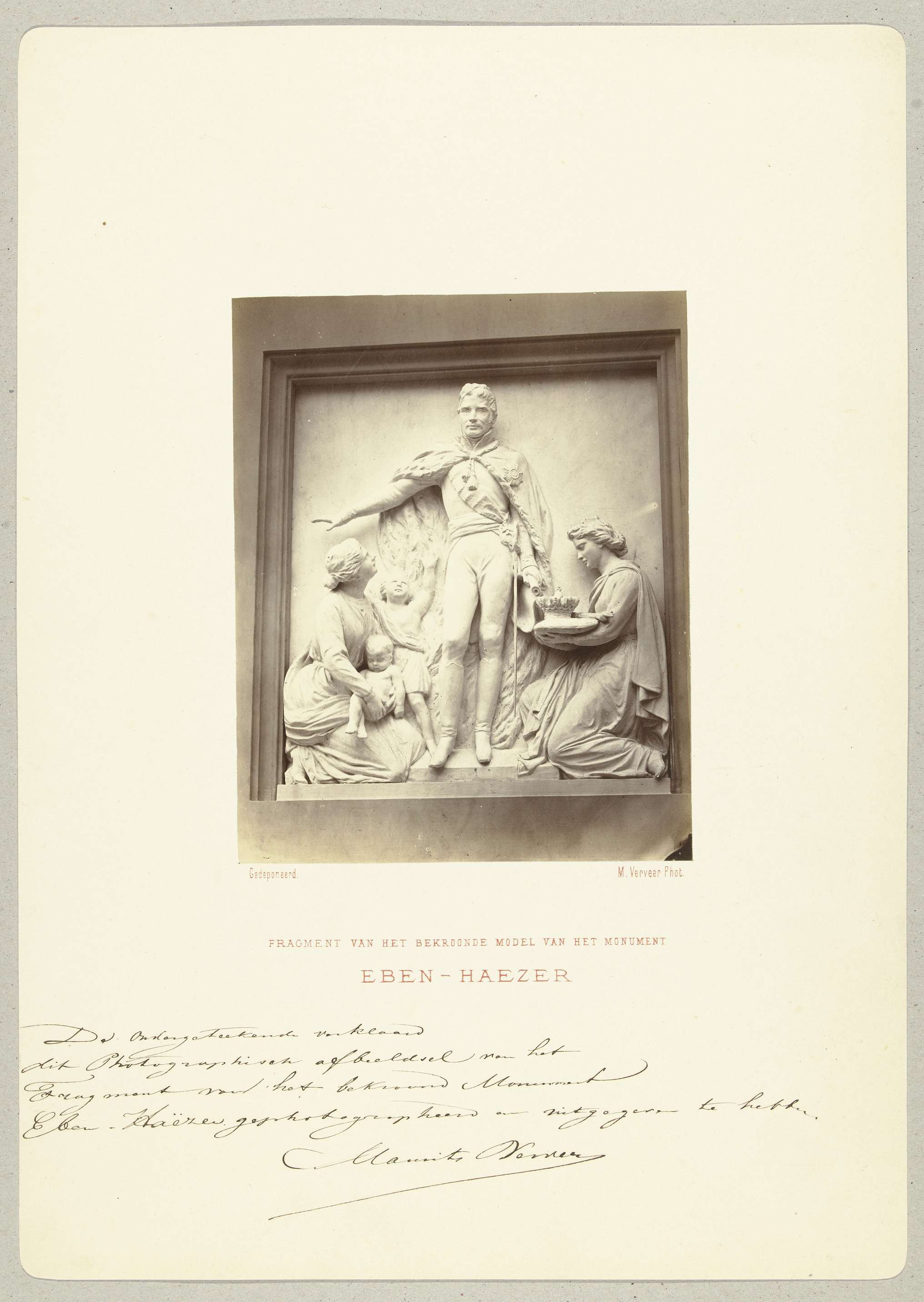
Who listens when art speaks of silence? In the midst of history’s thunderous clashes, there exists a quiet awe worthy of reflection. Focus on the central figure of King Willem II, captured in a moment that teeters between valor and vulnerability. The artist employs a muted palette, rich with the earthy tones of the battlefield, which grounds the viewer in the somber reality of war. Notice how the king’s posture is proud yet contemplative, his gaze piercing through the haze of chaos that surrounds him.
The delicate interplay of light reveals the intricate textures of his uniform, each fold speaking volumes of duty and honor. Delve into the surrounding elements that contrast the king’s solitary stance. To the left, fallen soldiers offer a stark reminder of the battlefield’s cost, their lifeless forms swallowed by the shadows. This juxtaposition of royalty and sacrifice encapsulates the weight of leadership amidst despair.
Additionally, the distant hills fade into obscurity, suggesting the looming uncertainty of the future, evoking feelings of both admiration and dread. Maurits Verveer painted this significant work in 1865, a time when Europe was grappling with the aftermath of the Napoleonic Wars. Living in a period of national reflection, he sought to memorialize not just the heroism of the king but also the profound sacrifices made by those on the ground. This painting stands not just as a tribute to a figure of history, but as a meditation on the complexities of power, legacy, and the silence that often follows the clamor of battle.