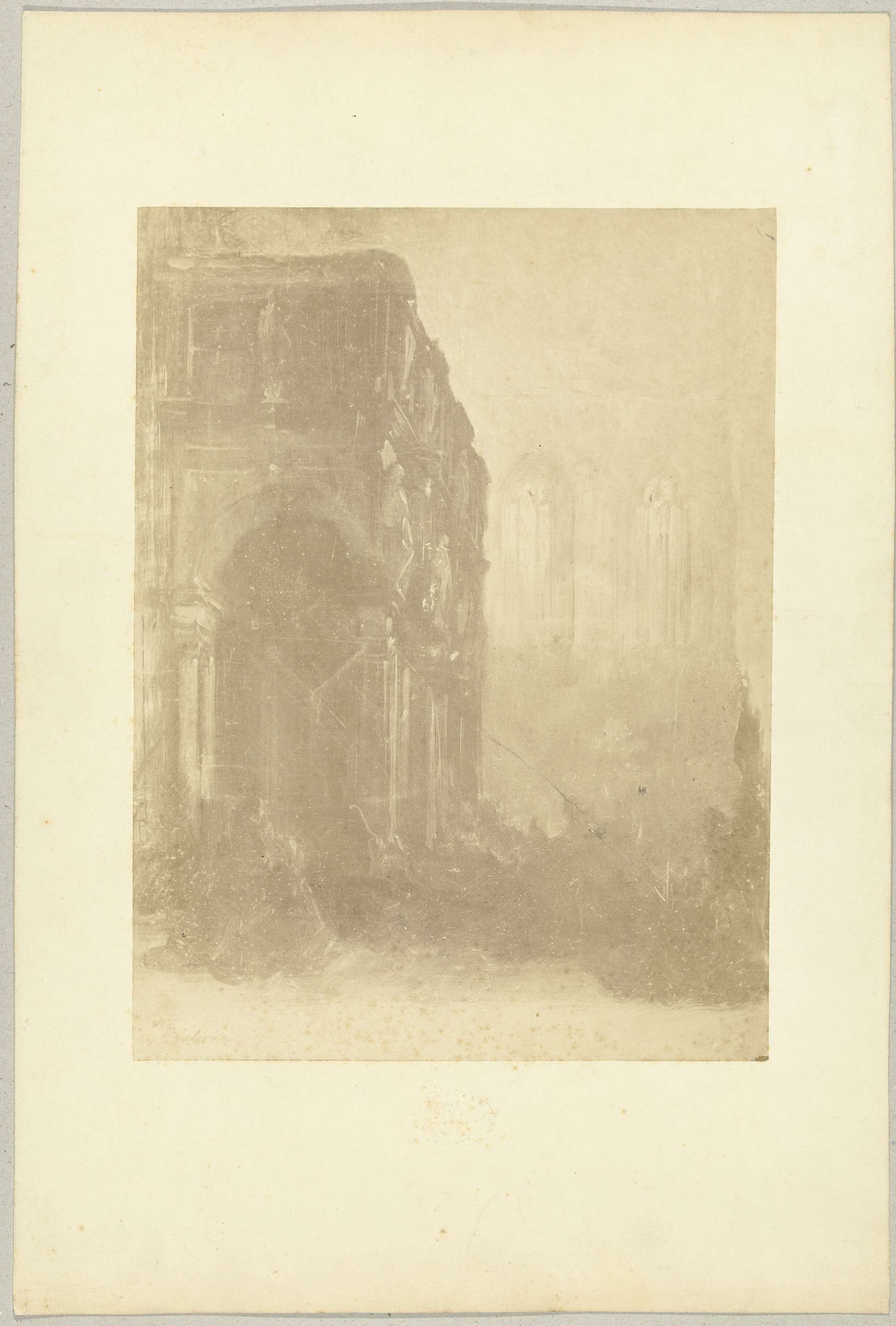
Zelfportret van Maurits Verveer — History & Analysis
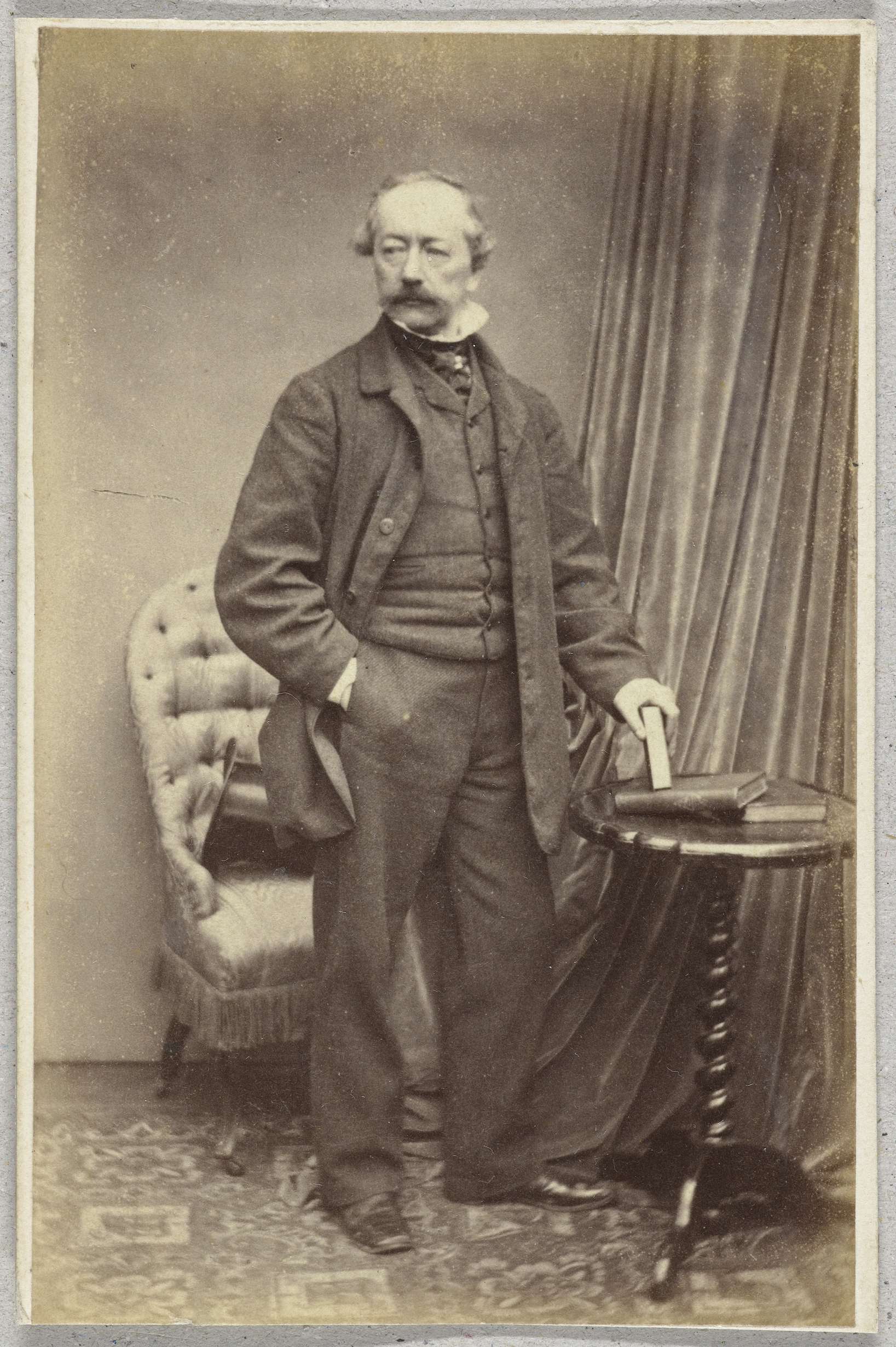
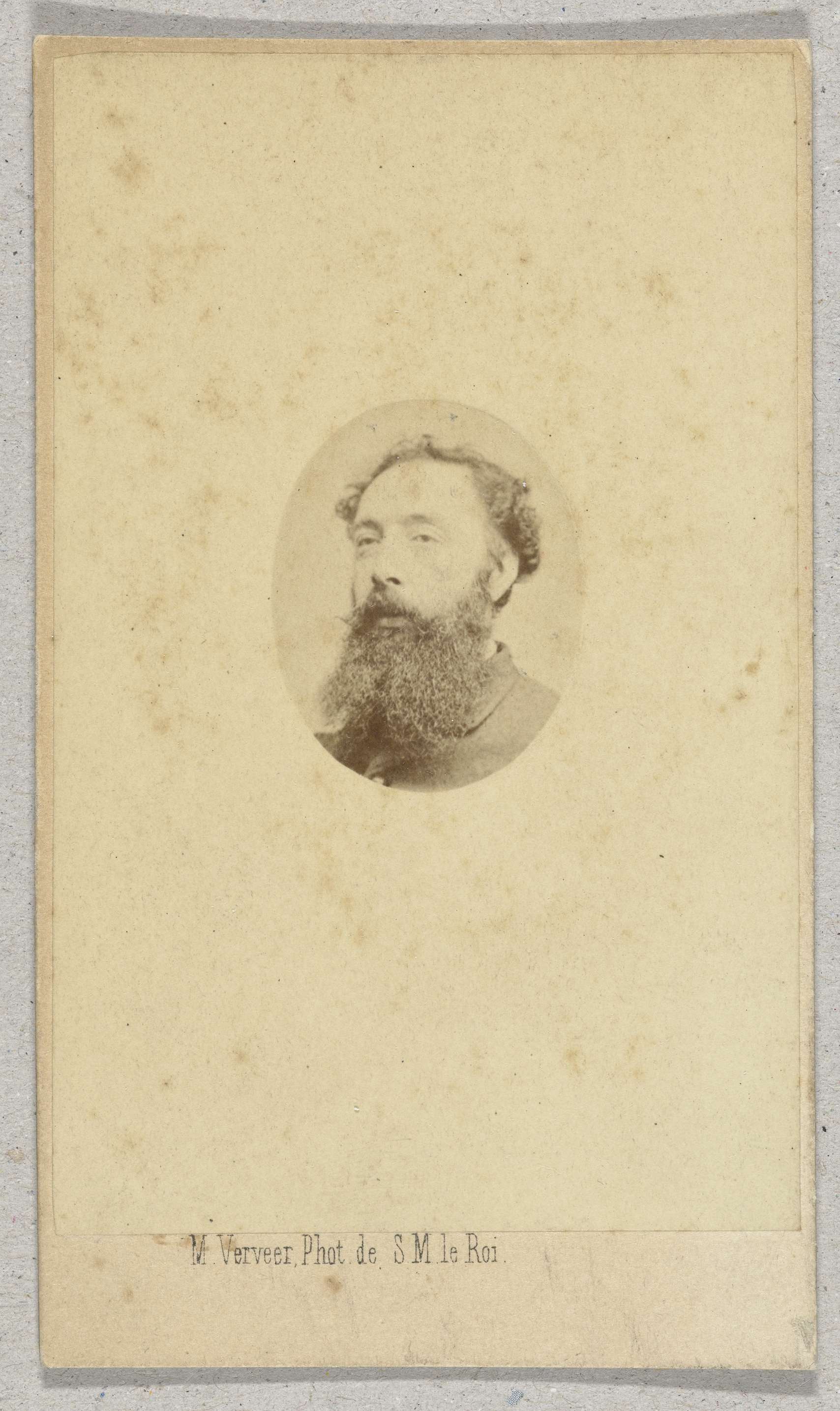
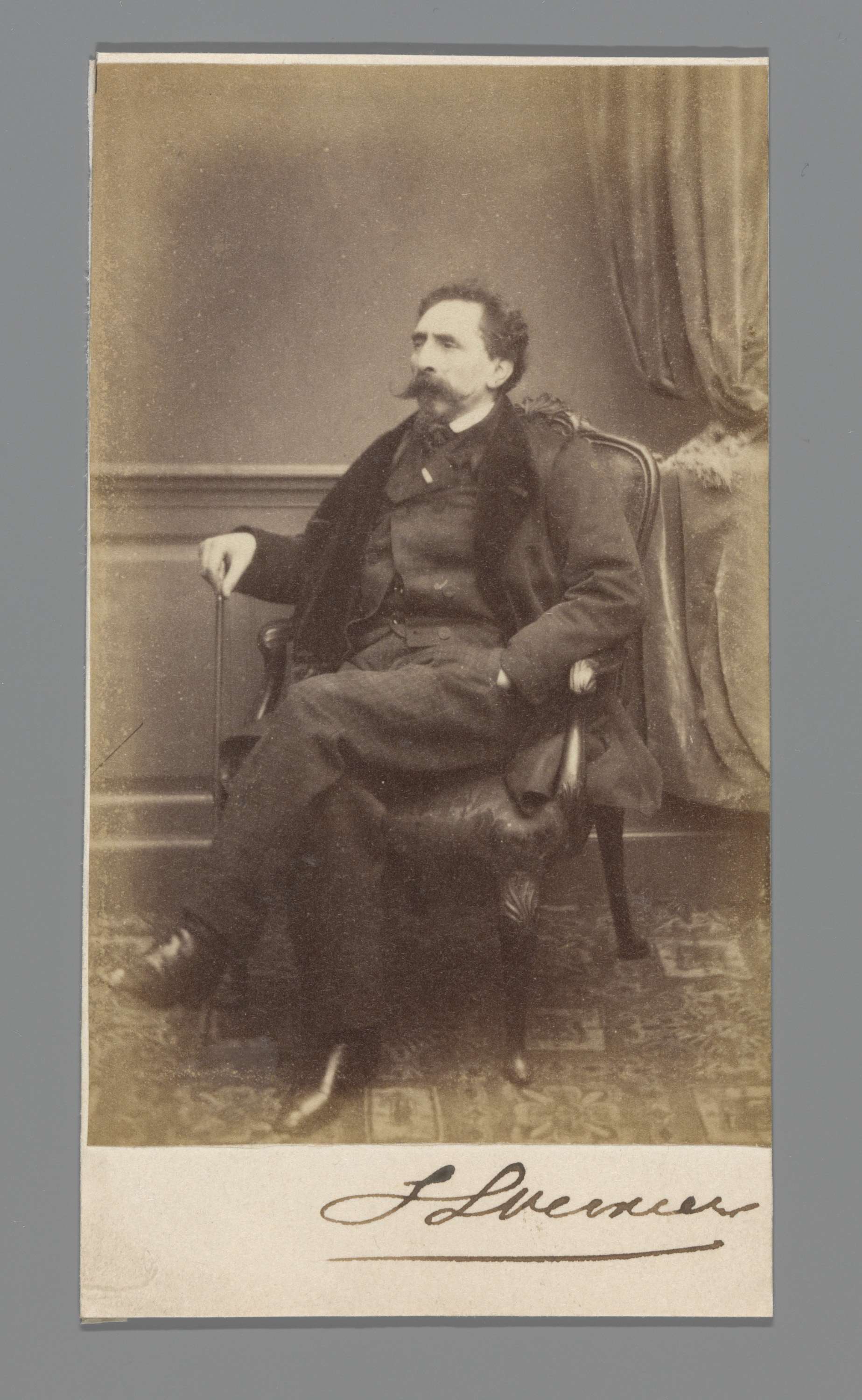
What secret hides in the quiet of the canvas? In the stillness of the moment, a longing for connection whispers through the strokes of paint, inviting us to delve into the depths of the artist's soul. Look to the left at the soft contours of the face, where light delicately caresses the skin, illuminating the intense gaze that seems to reach beyond the frame. Notice the subtle play of shadows that give depth to the features, revealing not just a likeness but an intimate portrait of introspection.
The muted palette enhances a melancholic atmosphere, where deep browns and earthy tones harmonize, conveying both vulnerability and strength. Hidden within this self-portrait lies an emotional tension between solitude and self-identity. The slight tilt of the head suggests contemplation, yet the directness of the stare beckons us to witness a moment of self-revelation. Each brushstroke resonates with a sense of yearning, as if the artist grapples with his inner world while simultaneously inviting viewers to explore their own.
The texture of the canvas adds a visceral quality, making us acutely aware of the humanity behind the painted surface. Maurits Verveer painted this work between 1861 and 1863 during a time of personal and artistic growth in his life. As he navigated the complexities of the art world in the Netherlands, he sought to express the nuances of his identity through self-portraiture. This period marked a transition for him, as he moved from broader landscapes to exploring the intimate depths of himself, capturing the essence of his experiences in a profound way.