Singel bij de Luthersche kerk te Amsterdam — History & Analysis
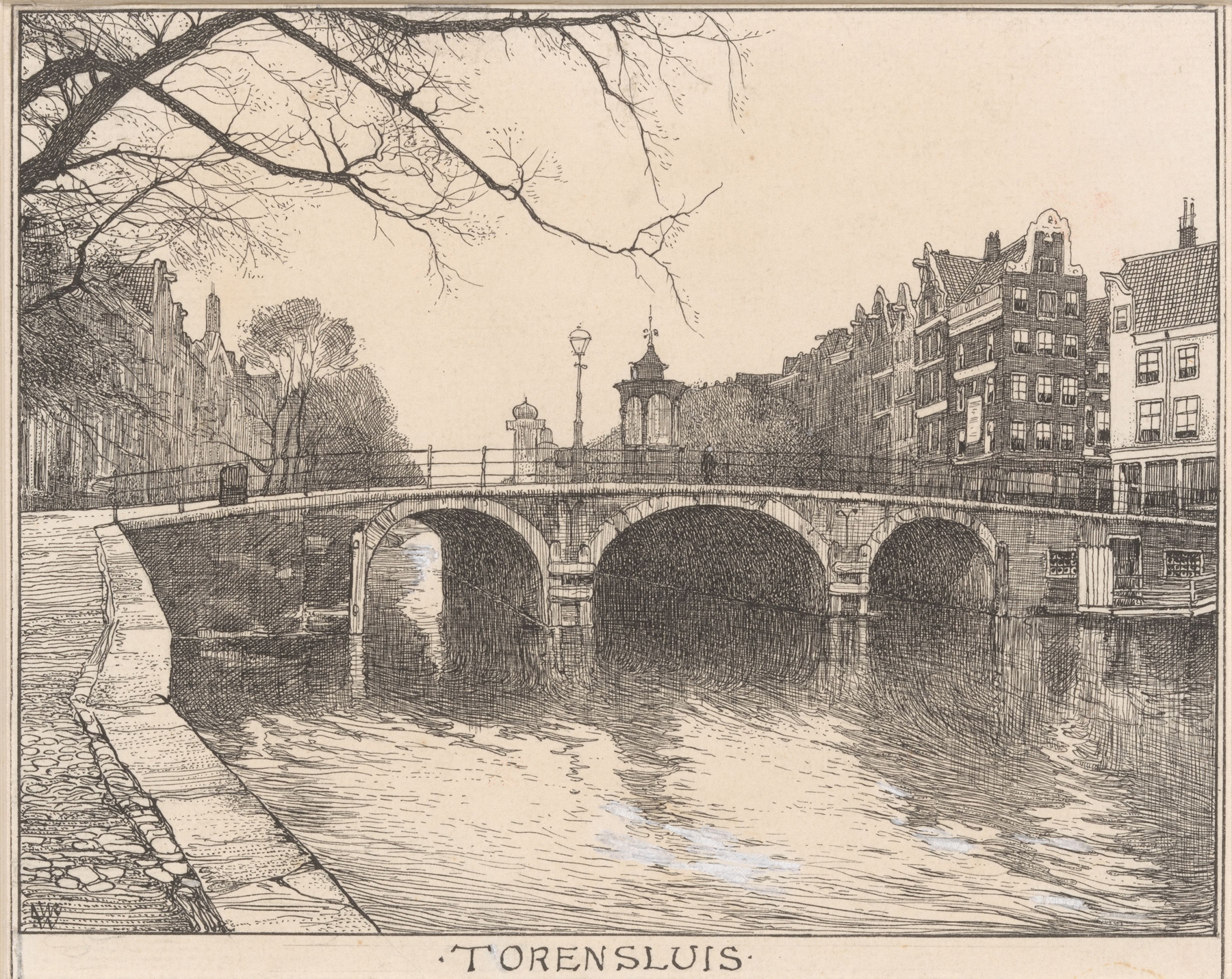
“The canvas doesn’t lie — it simply waits.” It captures the essence of innocence, suspended in time and space, revealing quiet narratives just beneath the surface. Look to the left at the delicate arches of the Luthersche kerk, their elegant lines drawing your gaze upward toward the heavens. The soft palette of muted pastels bathes the scene in a gentle light, illuminating the courtyard where figures mingle, their gestures filled with unspoken stories. Notice how the shadows stretch long across the cobblestones, hinting at the late afternoon sun and the fleeting nature of the moment captured.
Amidst the tranquility, hidden emotions linger in the expressions of passersby, each face telling a story of longing or contentment. The juxtaposition of architectural stability against the ephemeral nature of the human experience evokes a poignant contrast, playing on themes of innocence and fleeting joy. The soft brushwork beautifully conveys this juxtaposition, allowing the viewer to sense the comfort of the familiar while acknowledging the underlying complexity of everyday life.
Wenckebach painted this scene in the early 20th century, a time when Amsterdam was embracing modernity while cherishing its historical roots. Emerging from a post-war context, he sought to capture the simple beauty of life, a sentiment that was deeply resonant in a world seeking stability. This work reflects his commitment to portraying the charm of the ordinary, revealing the gentle pulse of a city that sings with both history and hope.