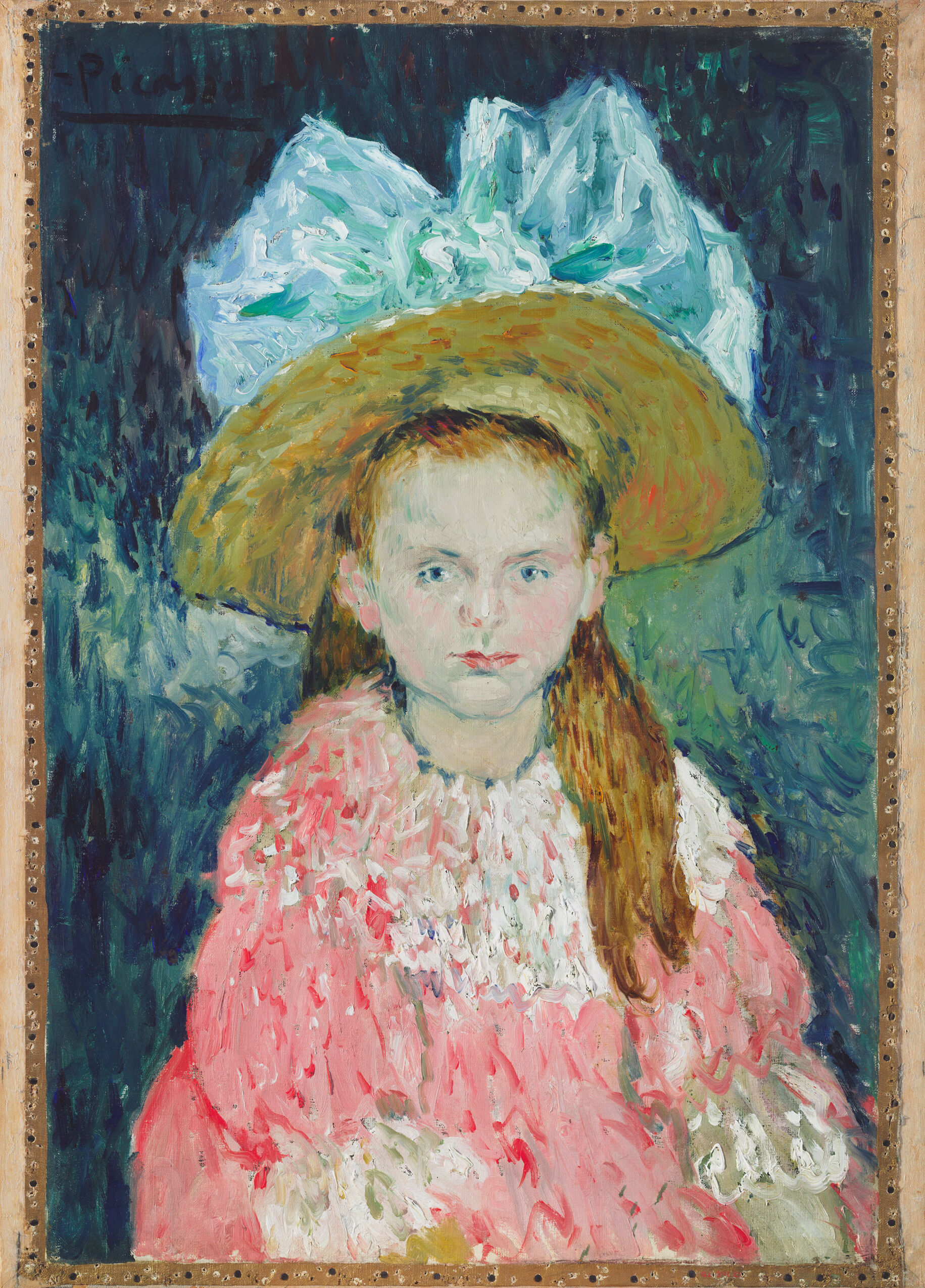
Spanish Village — History & Analysis
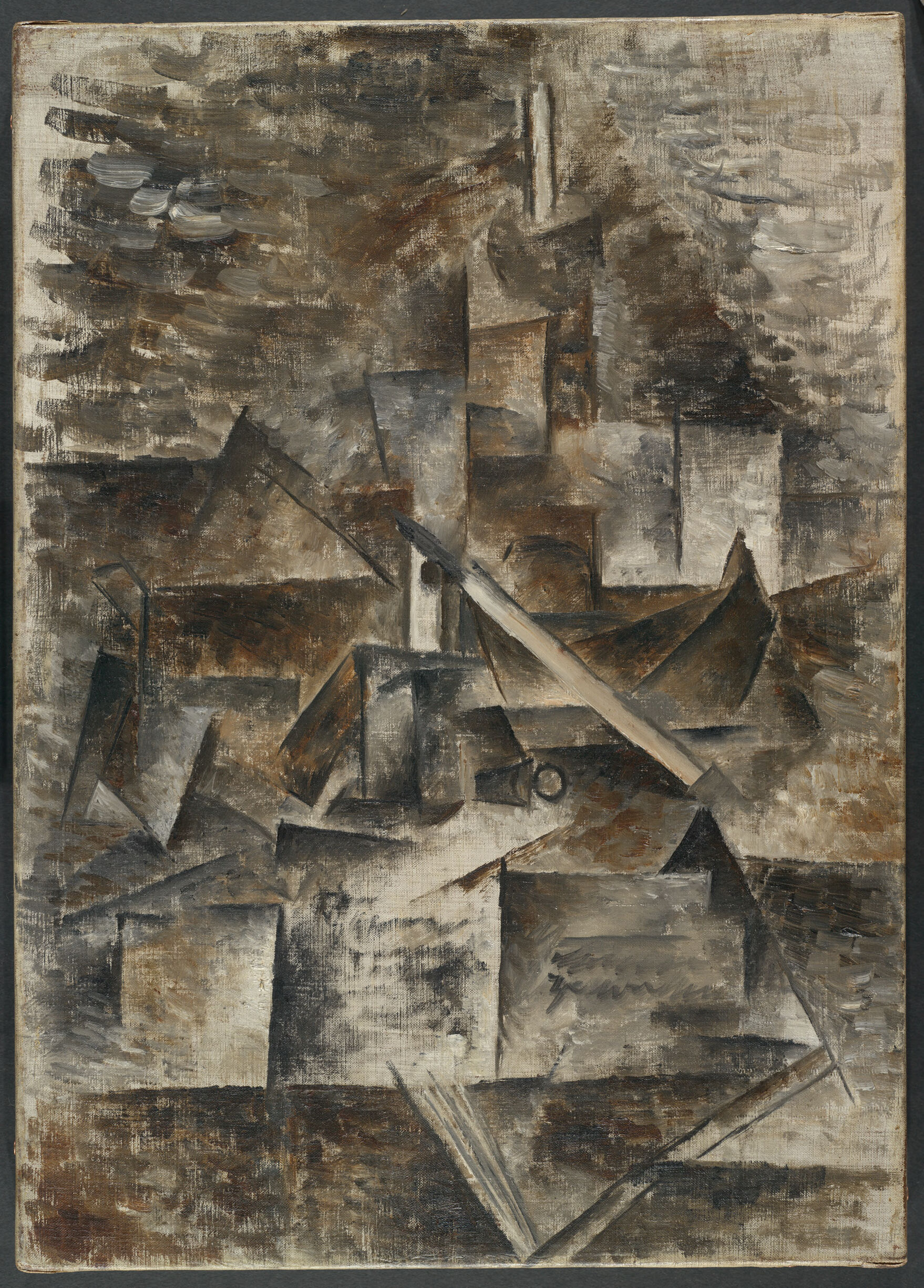
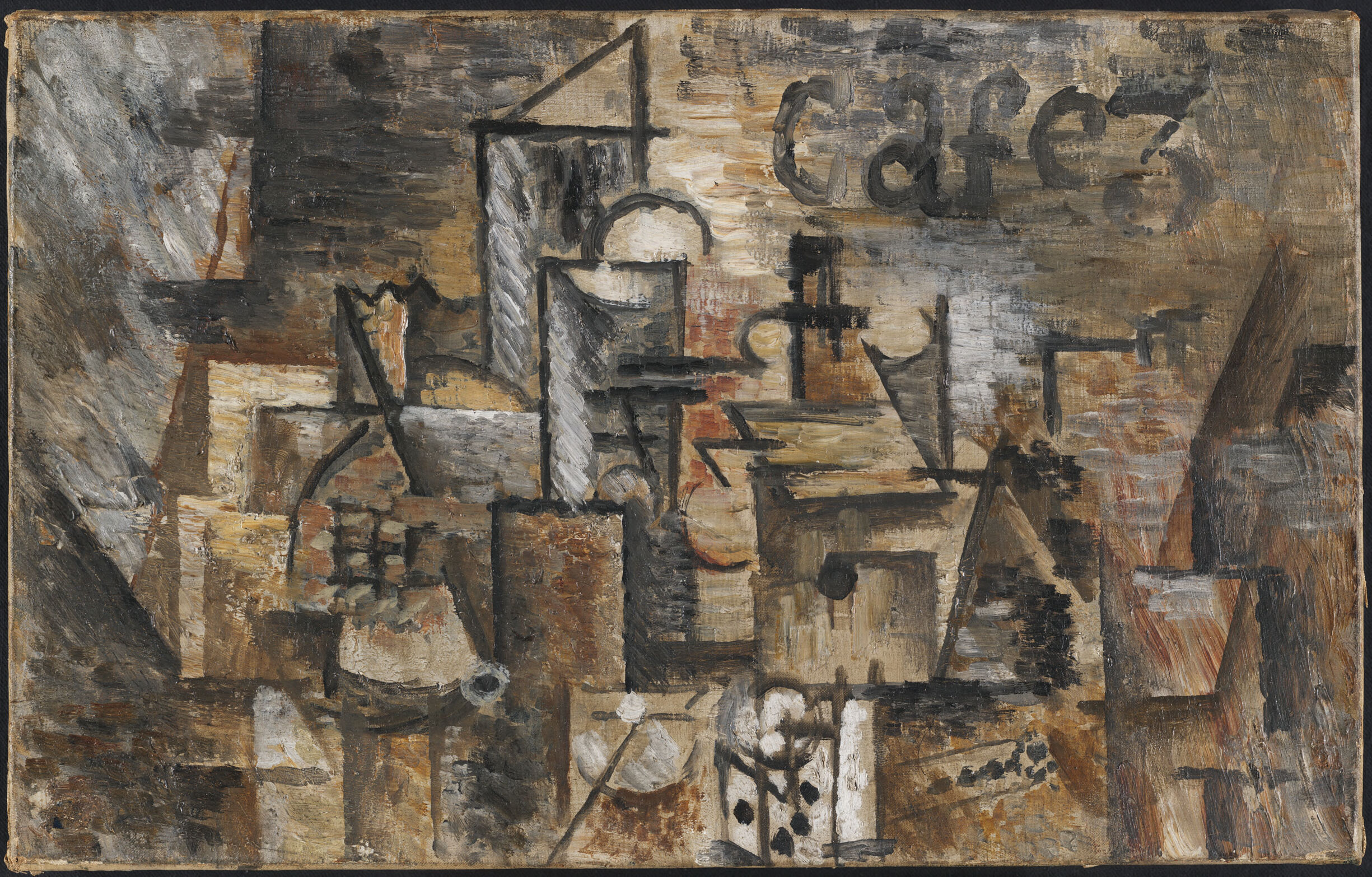
“Under the brush, chaos becomes grace.” In Spanish Village, a delicate dance of colors and shapes evokes an atmosphere of fragility. It invites us to ponder the intricate balance between light and shadow, as well as the emotions that lie beneath the surface of everyday life. Focus your gaze on the left side of the composition, where the warm ochres and muted blues create a serene backdrop for the quaint village. Notice how the buildings, though simplified and almost abstracted, still convey a sense of solidity and shelter.
The brushwork is both spontaneous and intentional, illustrating the tension between movement and stillness, offering a glimpse into the lives of those who inhabit this space. Within the artwork, the interplay of light and geometry reveals a deeper emotional landscape. The vertical lines of the buildings stand stark against the softer, flowing forms of the surrounding landscape, hinting at a sense of isolation within the community. The contrasting colors—earthy tones versus cool blues—speak to the complexity of human emotions, reflecting both the warmth of connection and the chill of solitude that can permeate such close-knit environments.
Pablo Ruiz Picasso created Spanish Village during his Blue Period, around 1901, while living in Paris. This time marked significant personal turmoil for the artist, as he grappled with the depression following the suicide of a close friend. The art world was shifting, embracing new perspectives, and Picasso’s exploration of somber themes and emotional depth laid the groundwork for his later revolutionary styles.