The Pomegranate — History & Analysis
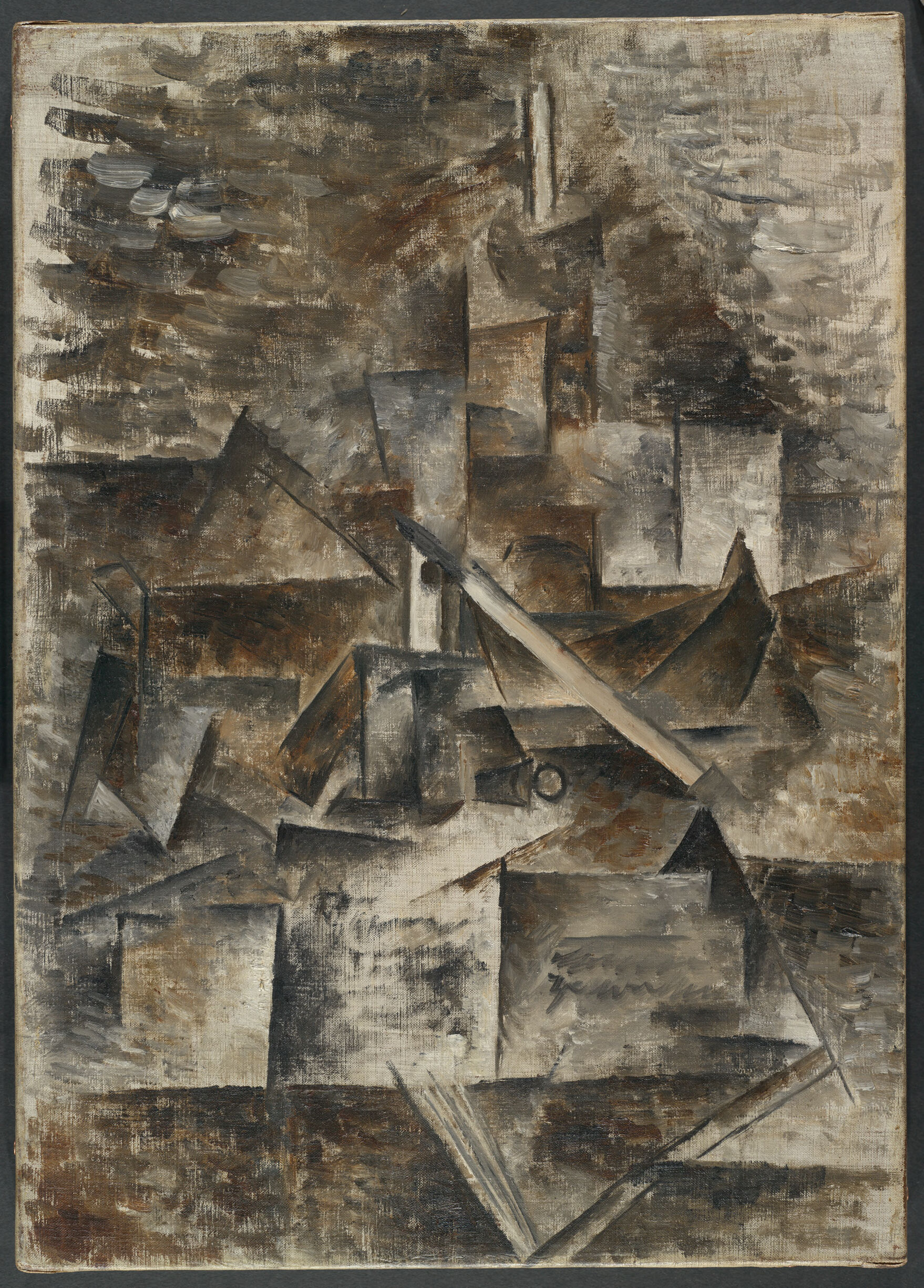
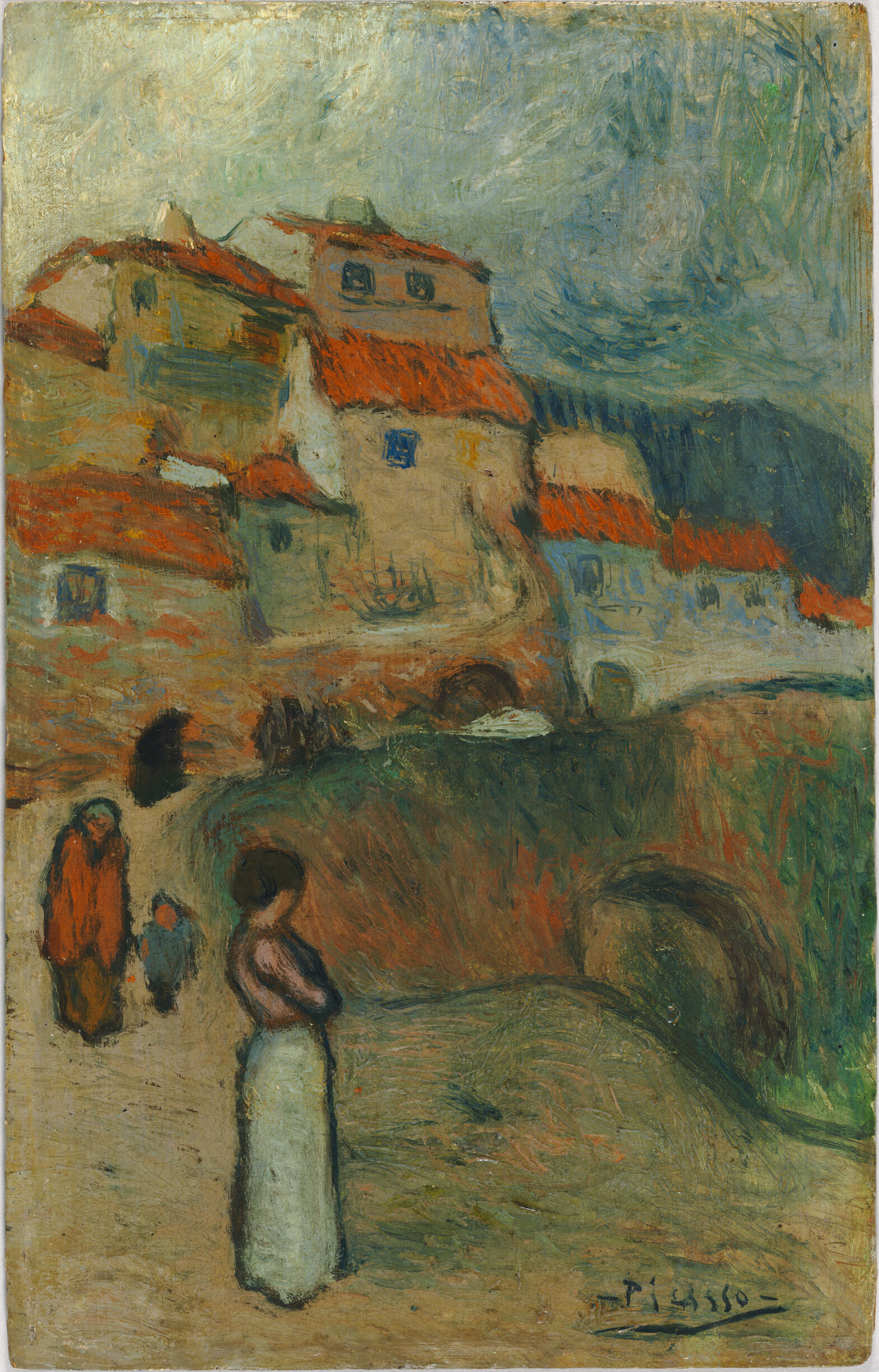
“Sometimes beauty is just pain, disguised in gold.” This profound reflection rings true in The Pomegranate, where desire intertwines with loss, embodying a moment of longing transformed into art. Focus on the central figure, the pomegranate itself, richly rendered in shades of crimson and deep earth tones. The fruit, almost bursting with life, draws the eye immediately, its textured surface inviting touch, yet retaining an air of untouchable mystery. Notice how the geometric forms surrounding it create a sense of tension and structure, contrasting the organic curves of the fruit.
The artist's bold strokes and fragmented shapes reflect a departure from reality, inviting viewers to explore deeper emotions hidden within the visual chaos. In this work, the pomegranate symbolizes both fertility and desire, its alluring nature cloaked in an enigmatic simplicity. The interplay of light and shadow creates a palpable tension, evoking a sense of yearning that lingers beneath the surface. These elements play against the backdrop of Cubism, suggesting a fractured world where beauty and pain coexist, fueling an insatiable longing for connection.
Pablo Ruiz Picasso painted The Pomegranate during a transformative period between 1911 and 1912, marked by his exploration of Cubism in Paris. At this time, he was deepening his artistic vocabulary while navigating the complexities of his personal life. The world of art was evolving rapidly, and Picasso was at the forefront of these shifts, grappling with the emotional weight that would shape his work and resonate with audiences for generations.