Stage design for ‘Daphnis et Chloé’; Acts I and III — History & Analysis
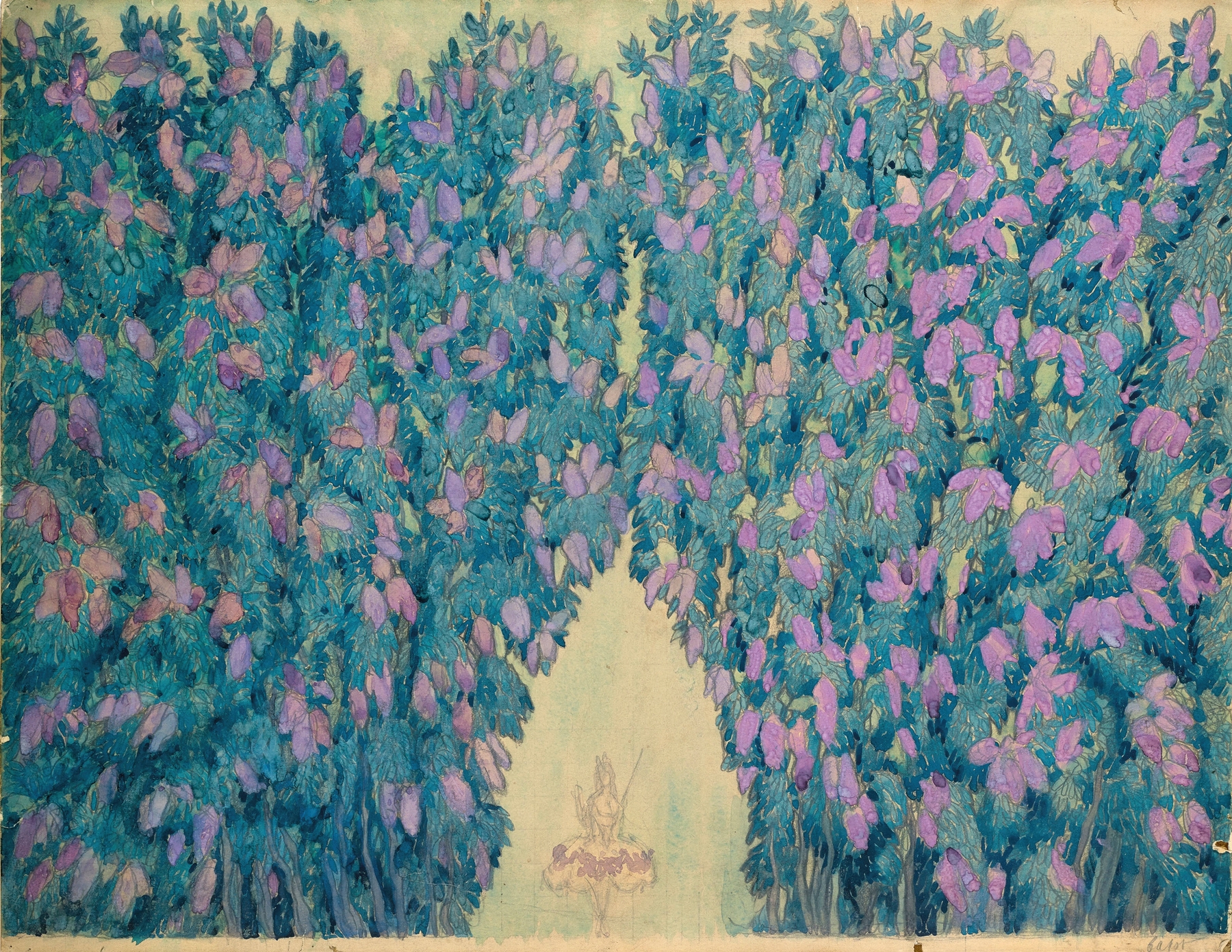
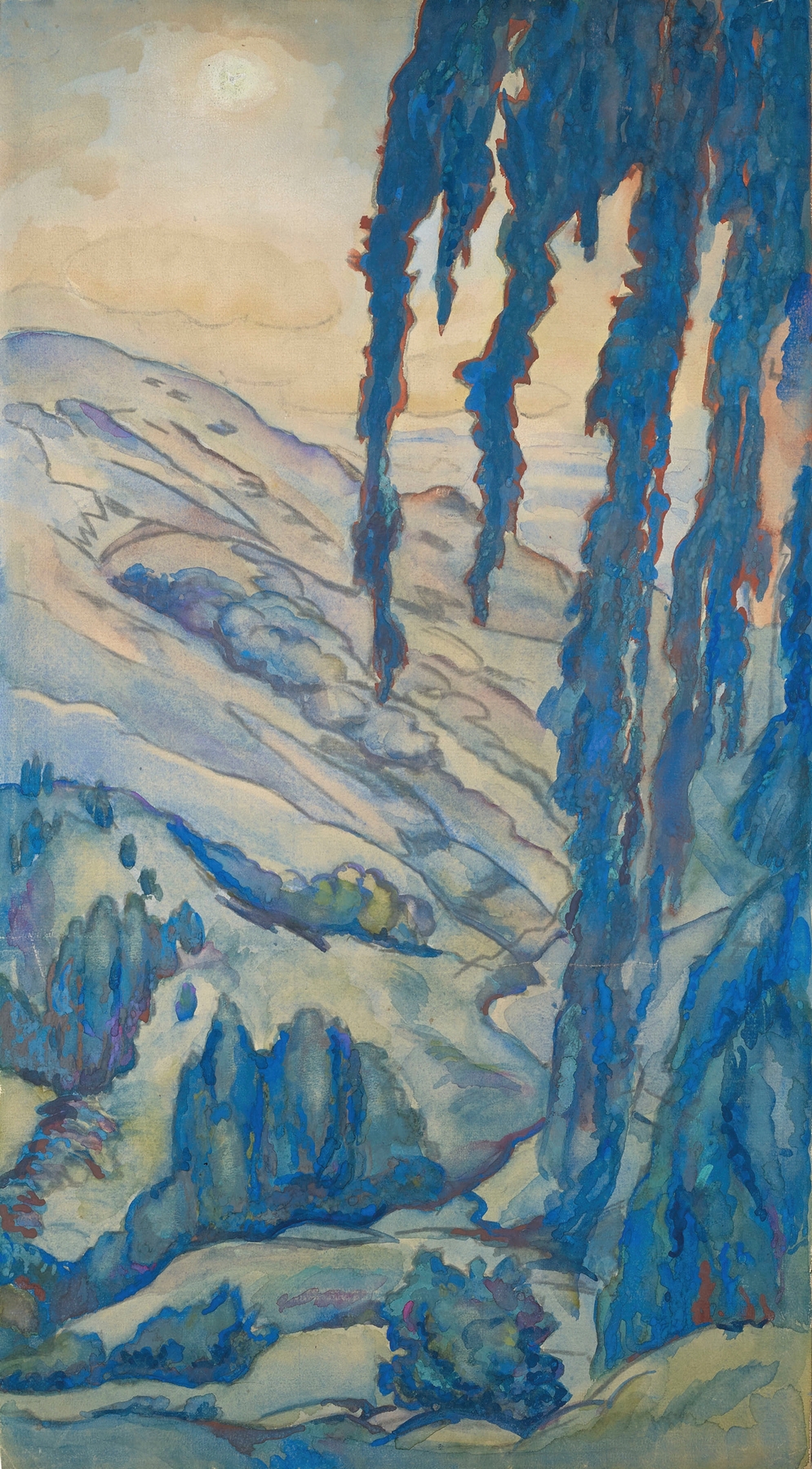
When did color learn to lie? In Stage design for ‘Daphnis et Chloé’; Acts I and III, the vibrant hues beckon, yet underneath their allure lies an unsettling truth. This work pulsates with the tension between the ethereal and the violent, a vibrant masquerade that both captivates and masks a world of emotional chaos. Look to the bold arrangement of colors that envelop the stage; they radiate with a lush intensity, drawing your eye first to the rich greens and blues that evoke an otherworldly setting.
Notice how the jagged lines and exaggerated forms create a sense of movement, almost as if the landscape itself is alive, surging forward, ready to engulf the characters. The interplay of light and shadow plays tricks on perception, transforming the idyllic scene into a haunting tableau, where the beauty of nature seems to throb with an underlying menace. Delve deeper into the intricate details—the flickering shadows cast by the trees hint at lurking dangers, while the vibrant costumes of the characters convey both celebration and foreboding. The juxtaposition of the idyllic pastoral scene with these ominous undertones speaks to the fragility of innocence and the violence that can erupt from passion.
Each element is designed to provoke a visceral reaction, an invitation to explore the darker currents that lie beneath the surface of beauty. In 1912, Léon Bakst was at the forefront of the avant-garde movement, creating set designs that transformed theater into a spectacular visual experience. Living in Paris, he was influenced by the burgeoning interest in modernism and symbolism, experimenting with color and form to evoke emotional responses. This period was a time of great artistic innovation, and Bakst’s work for Daphnis et Chloé exemplifies the merging of visual art and performance, revealing a world where beauty and violence coalesce.