Landscape — History & Analysis
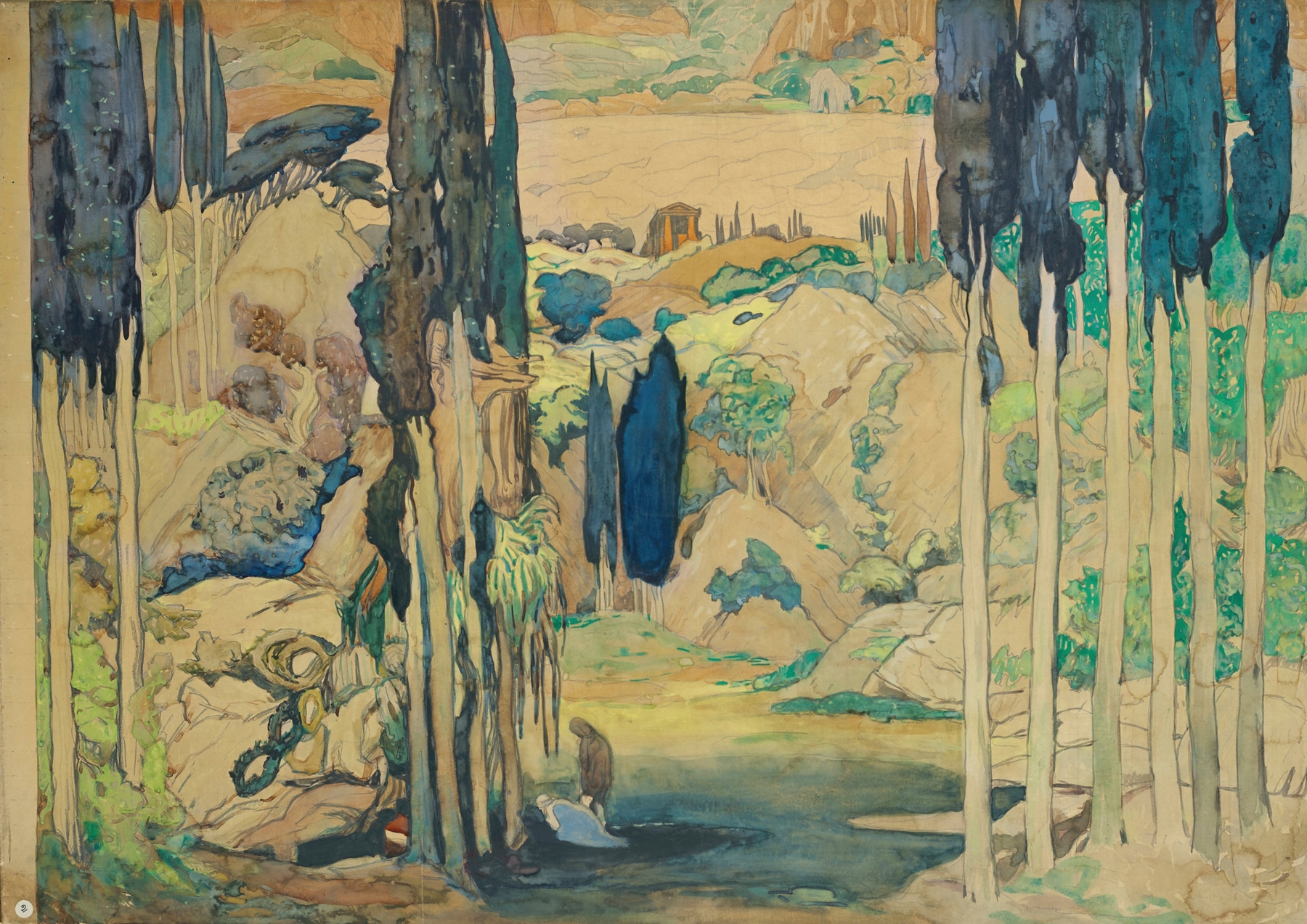
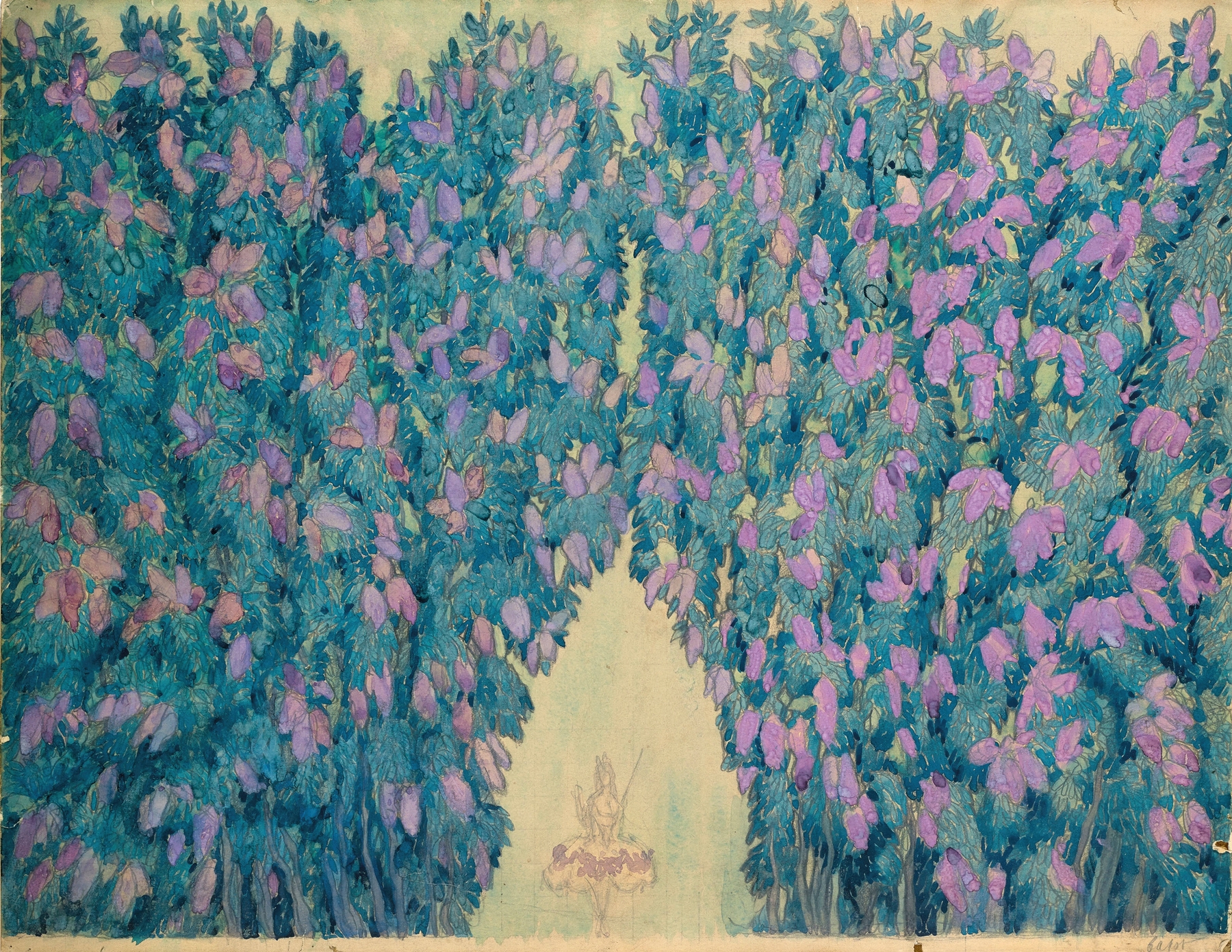
“Every silence here is a confession.” In the quietude of a landscape, creation breathes life into the canvas, revealing nature’s unspoken dialogue. Look first to the gentle undulation of the hills, where vibrant greens collide with soft golds, signaling the harmony of earth’s bounty. The brushstrokes, both deliberate and fluid, guide your gaze through the scene. Notice how the light seems to dance across the surface, illuminating subtle variations in texture that evoke a sense of movement, as if the landscape itself is alive and breathing.
The palette, rich and inviting, draws you deeper into the essence of the place, inviting contemplation. Within this serene depiction lies a play of contrasts—the stillness of the land against the infinite sky. Each element speaks of tranquility, yet hints at the impermanence of natural beauty. The crisp lines of the horizon juxtaposed with the soft, swirling clouds suggest a fleeting moment, capturing the delicate balance between permanence and transience.
It’s a reminder that creation, much like life, is both an artistic endeavor and a silent struggle. During the time Landscape was painted, Bakst was navigating a period of artistic evolution, influenced by burgeoning movements in modernism and expressionism. Working in the early 20th century, he was heavily involved in the world of theater and design, where vibrant colors and bold forms were beginning to redefine aesthetics. As he explored the interplay of light and emotion, the art world was in a state of transformation, mirroring his personal journey as he sought to capture the essence of creation itself.