Tarbert Castle, Scotland — History & Analysis
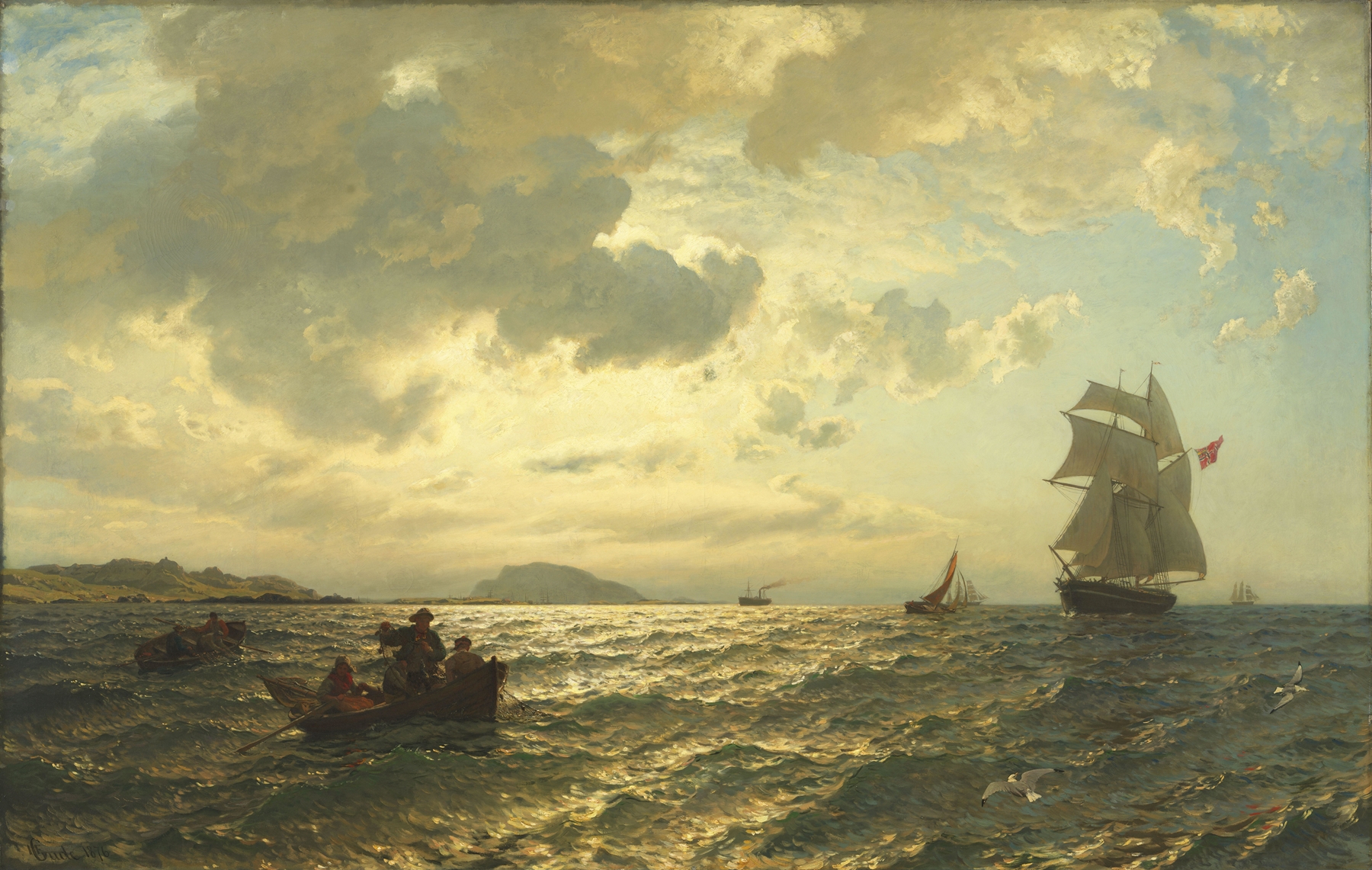
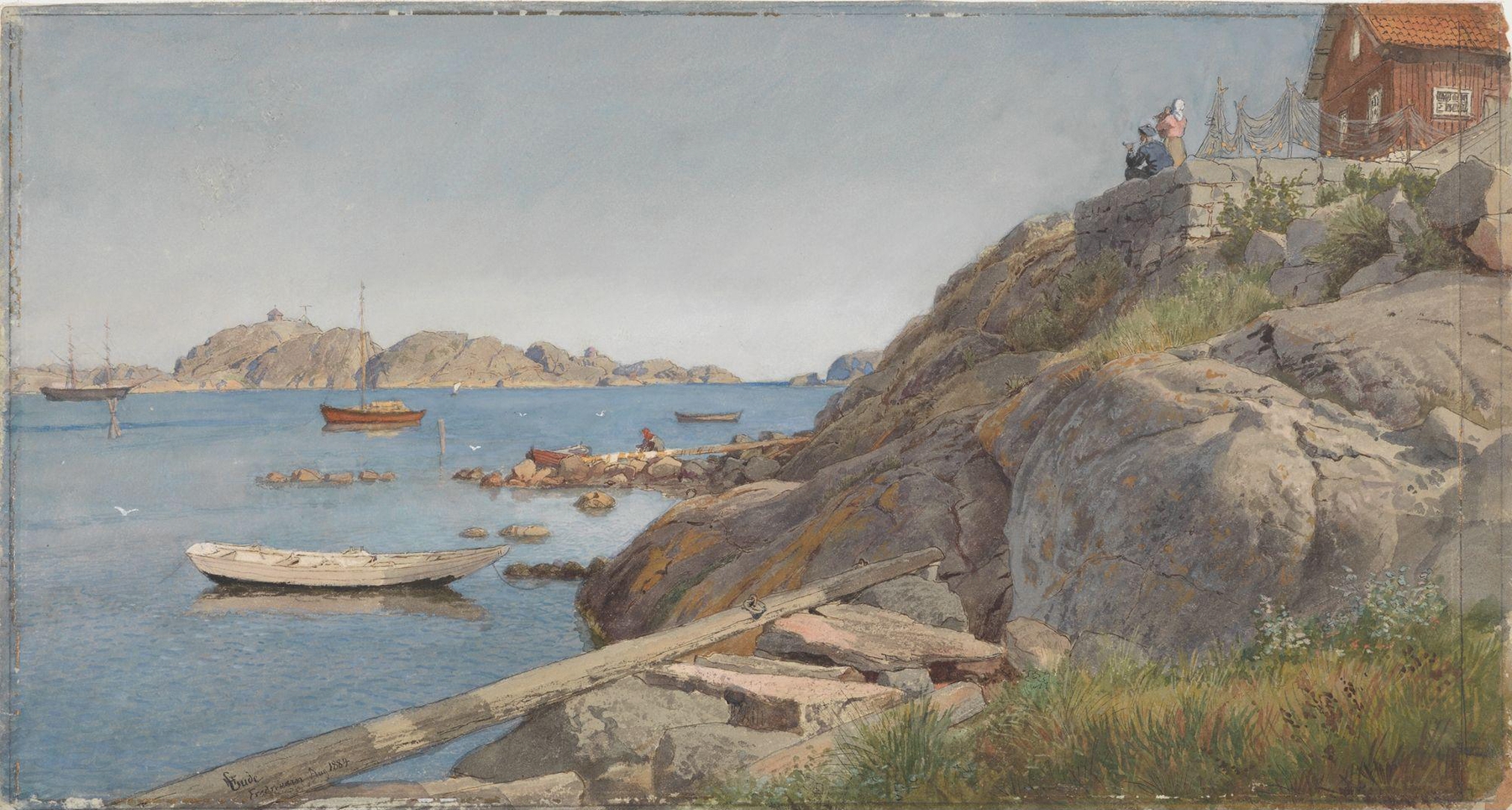
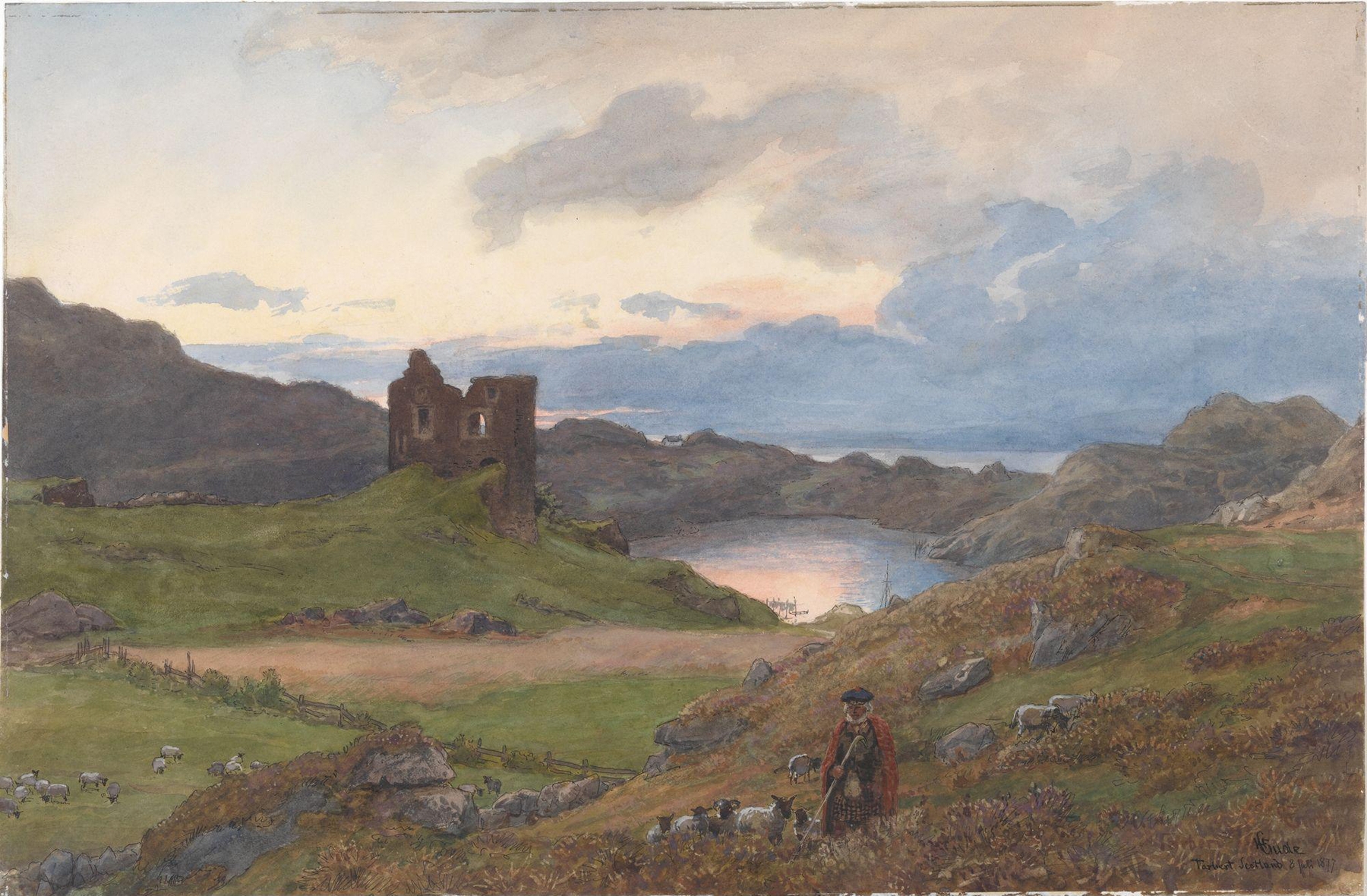
Could a single brushstroke hold eternity? In Tarbert Castle, the essence of loneliness stretches across the canvas, inviting viewers to contemplate the solitude that often accompanies beauty. The painting beckons us to explore not just a landscape, but the profound isolation it embodies. Look to the left at the jagged outline of the castle, its stone walls steadfast against the sweeping winds of the Scottish landscape. The muted blues and grays evoke a chill, while dappled sunlight dances across the water's surface, shimmering like fleeting moments in time.
Notice how the horizontal lines of the horizon contrast with the vertical strength of the castle, creating a dialogue between stability and the vastness of nature. Each brushstroke seems deliberate, capturing both the grandeur of the landscape and the underlying melancholy of the scene. Delve deeper into the foreground, where the gentle ripples in the water mirror the shifting sky above. This juxtaposition of stillness and motion hints at the transient nature of existence, suggesting that loneliness is not just a feeling but a shared experience. The distant mountains loom as silent witnesses, a reminder of the isolation that can exist even in the presence of beauty.
Here, solitude is painted not just as absence, but as a space for reflection and introspection. In 1877, Hans Gude painted Tarbert Castle during a time of significant change in the art world, exploring Romantic ideals that celebrated the sublime in nature. Living in Germany while frequently visiting Norway and Scotland, Gude was influenced by the natural landscapes that surrounded him, channeling a sense of both wonder and solitude into his landscapes. This work embodies his transition towards depicting emotional resonance within the grandeur of the natural world.