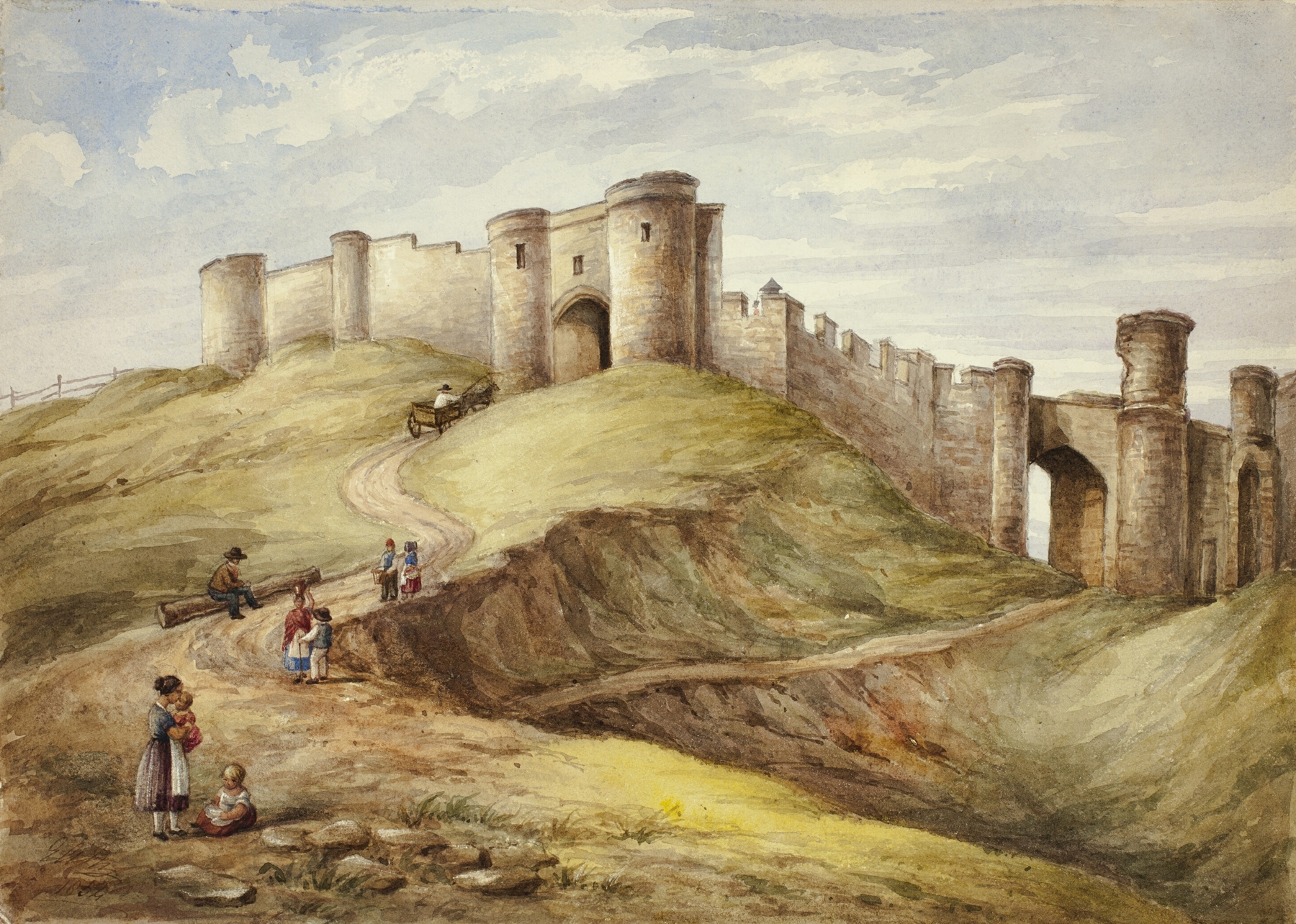
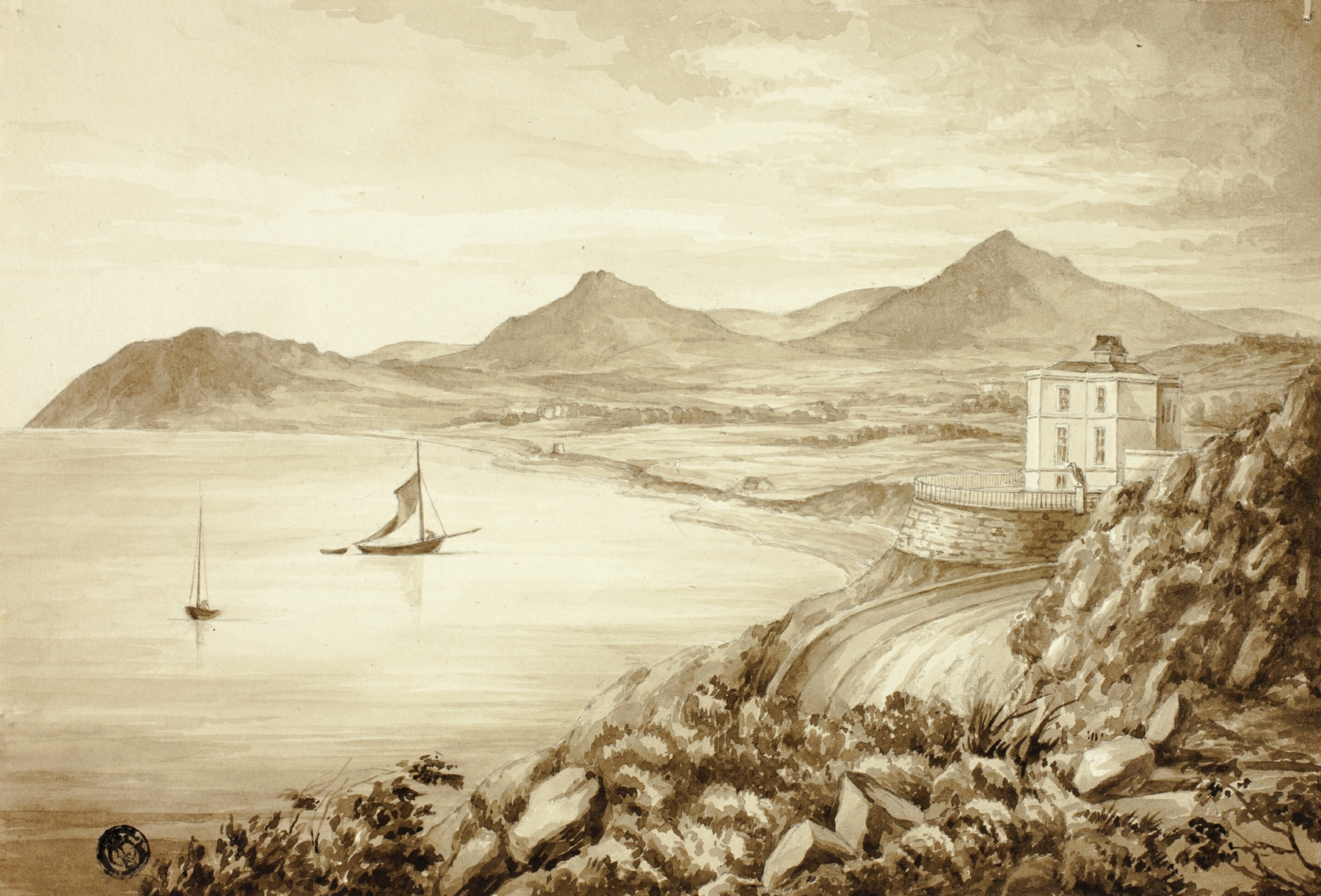
Terrace at Wentworth Castle — History & Analysis
“Sometimes beauty is just pain, disguised in gold.” In the serene expanse of a garden, the viewer is invited to contemplate the delicate balance between nature's allure and the quiet sorrows inherent in its beauty. Focus on the vibrant interplay of colors that dance across the foreground, where lush greens meet dappled sunlight filtering through leaves. Observe how the artist's brushstrokes create a sense of movement, capturing the gentle sway of the blossoms and the stillness of the stone terrace. The composition draws the eye toward the architectural lines that frame this idyllic scene, inviting reflection on both the cultivated beauty of the garden and its underlying fragility.
In the intricate details, such as the contrasting sharpness of the stone against the soft petals, one senses a tension between permanence and transience. The golden light that bathes the scene suggests opulence but also hints at the inevitable decay that shadows all beauty. Each blossom, while vibrant, carries an echo of loss, transforming the garden into a space where joy and melancholy coexist.
In 1848, Elizabeth Murray was immersed in a period of artistic exploration, painting in her native England during a time of social change. This work reflects her engagement with Romantic ideals, as well as her desire to capture the essence of beauty in nature, even as she navigated her own personal challenges. The lush landscape embodies not only her artistic vision but also a reflection of the era's complex emotions surrounding beauty and the human experience.