The Palazzo Piscani, Venice — History & Analysis
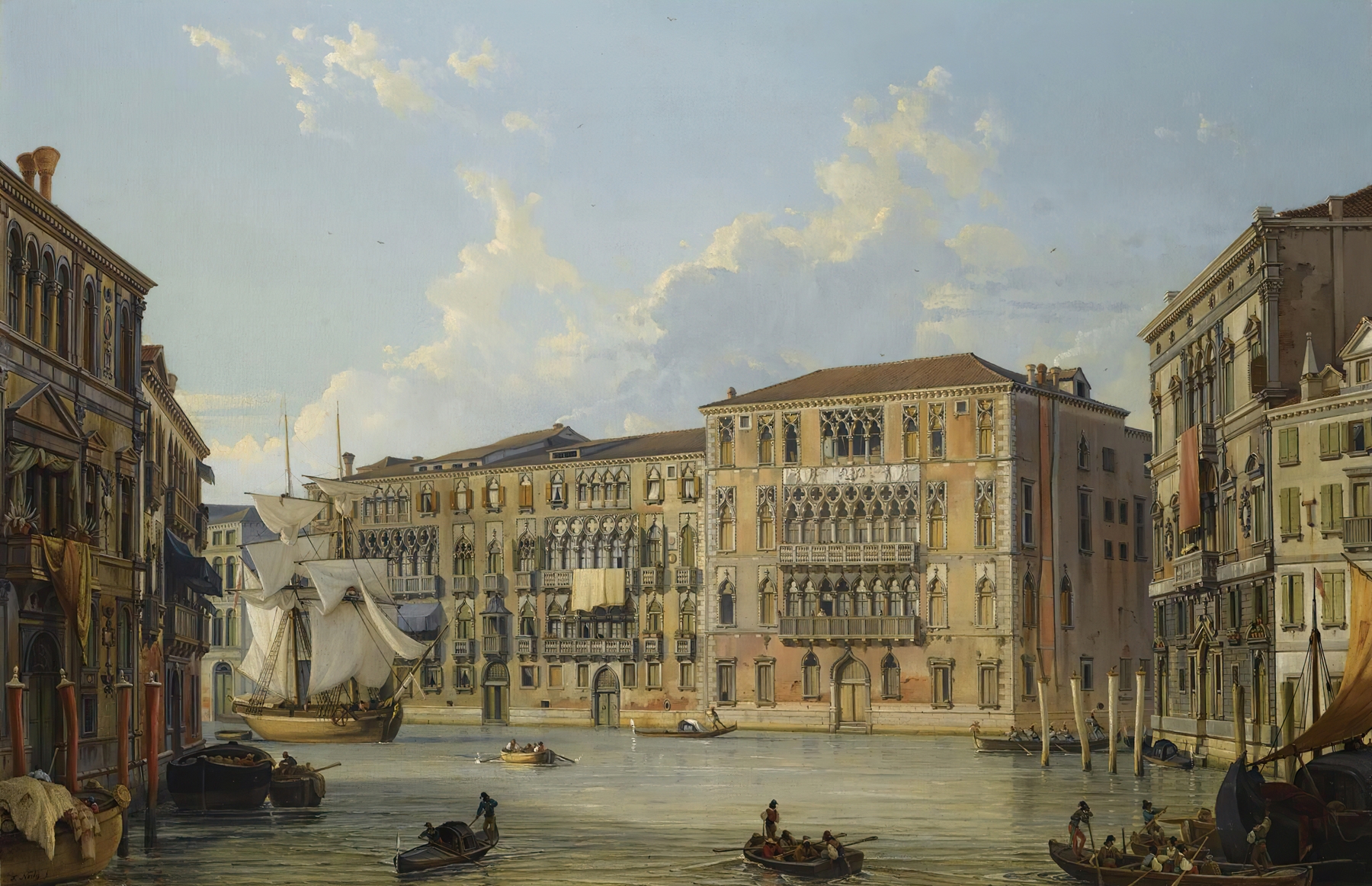
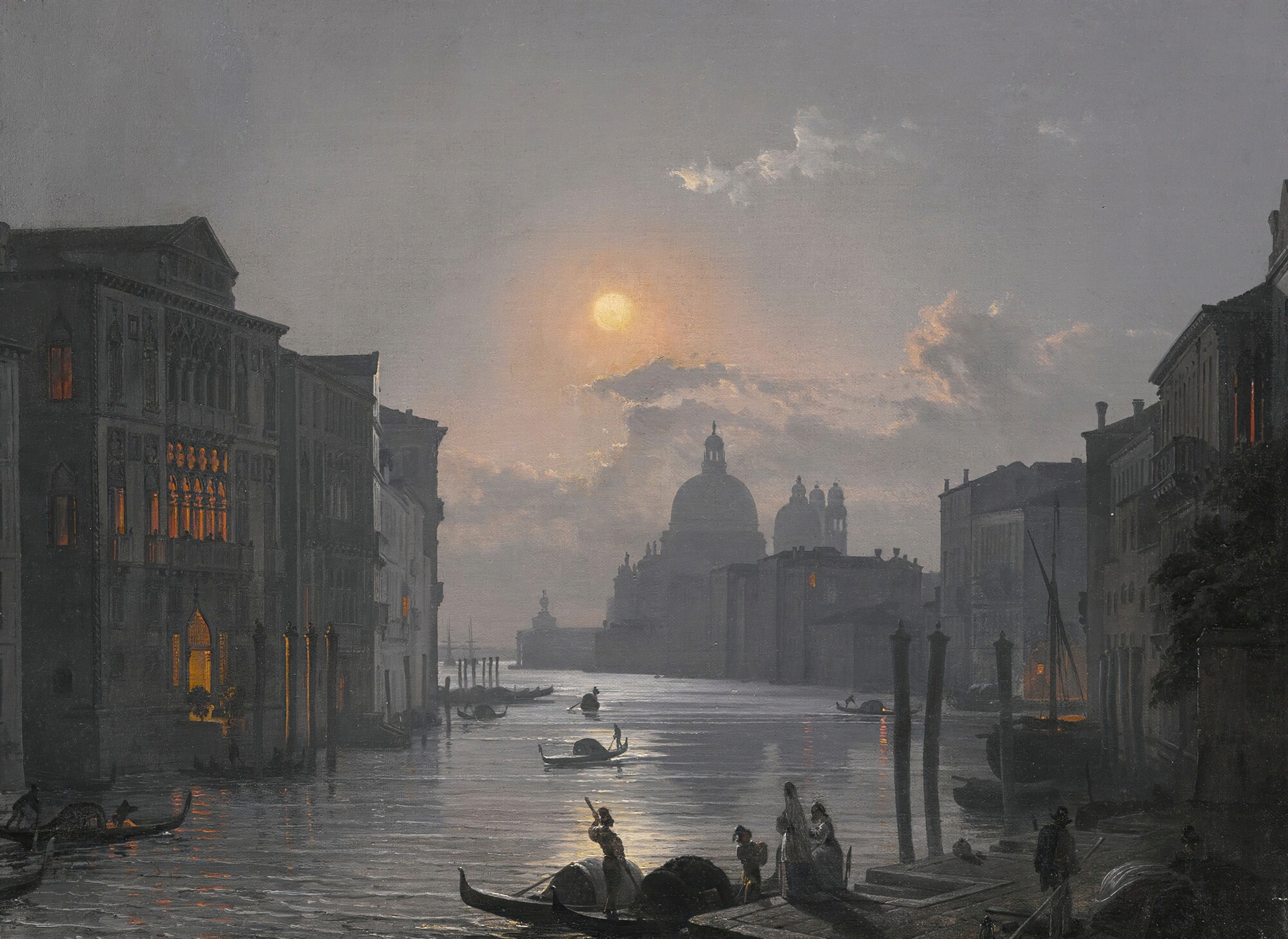
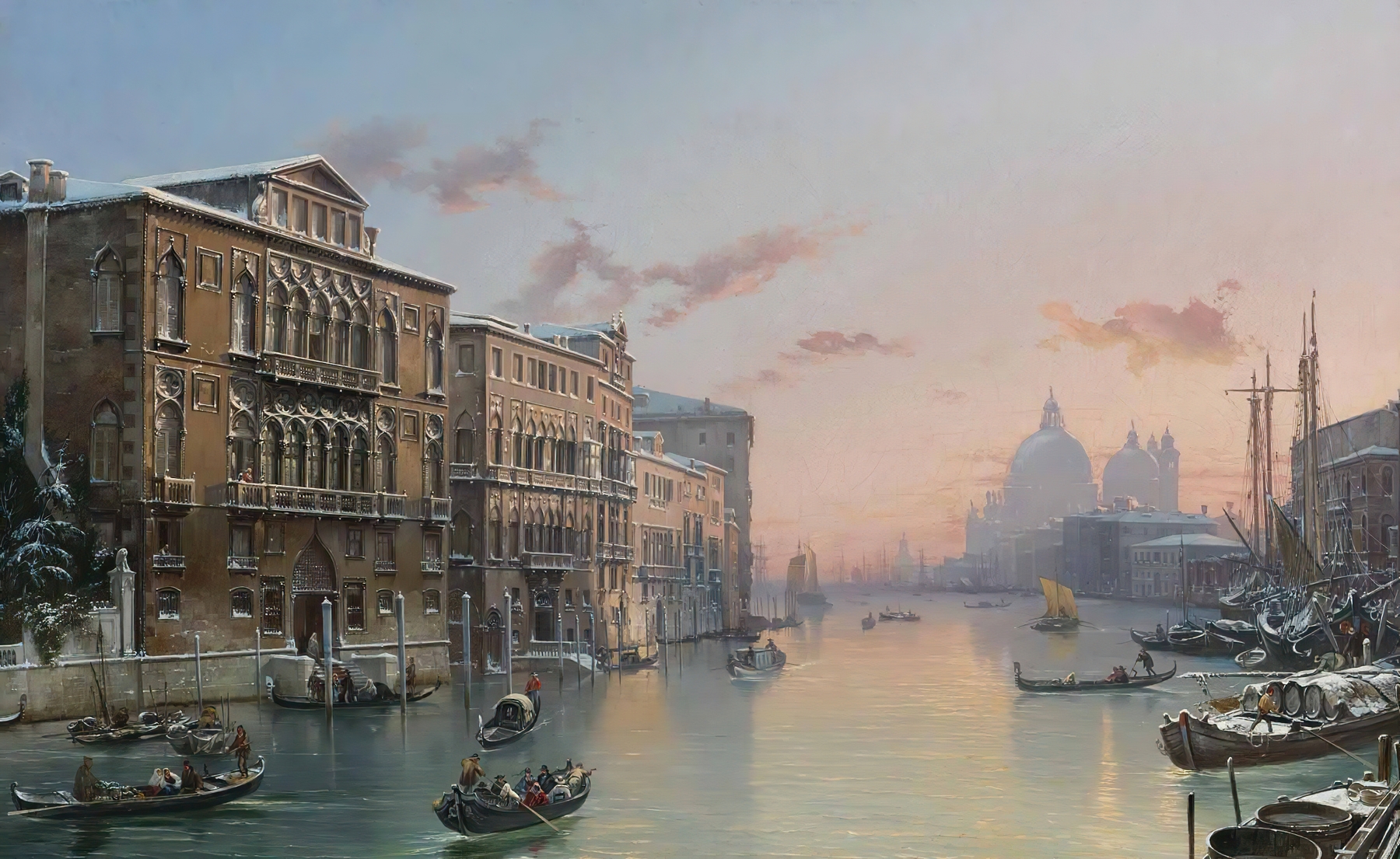
What if beauty was never meant to be finished? In the delicate interplay of light and shadow, a haunting narrative of betrayal and longing unfolds. Look to the right at the intricate details of the Palazzo Piscani's facade, where the soft embrace of twilight casts an ethereal glow. Notice how the muted palette — gentle blues and warm ochres — harmonizes with the water’s mirror-like surface, drawing the eye into a reflective stillness.
The artist’s brushwork captures not just the architecture but also the soul of Venice, inviting us to linger in its romantic yet melancholic atmosphere. Yet beneath this serene exterior lies an undercurrent of tension. The juxtaposition of the grand, opulent palace against the shimmering water hints at a deeper story of decay and disillusionment. The stillness of the scene belies the pulse of life that once thrived within its walls, suggesting that beauty is often tinged with loss.
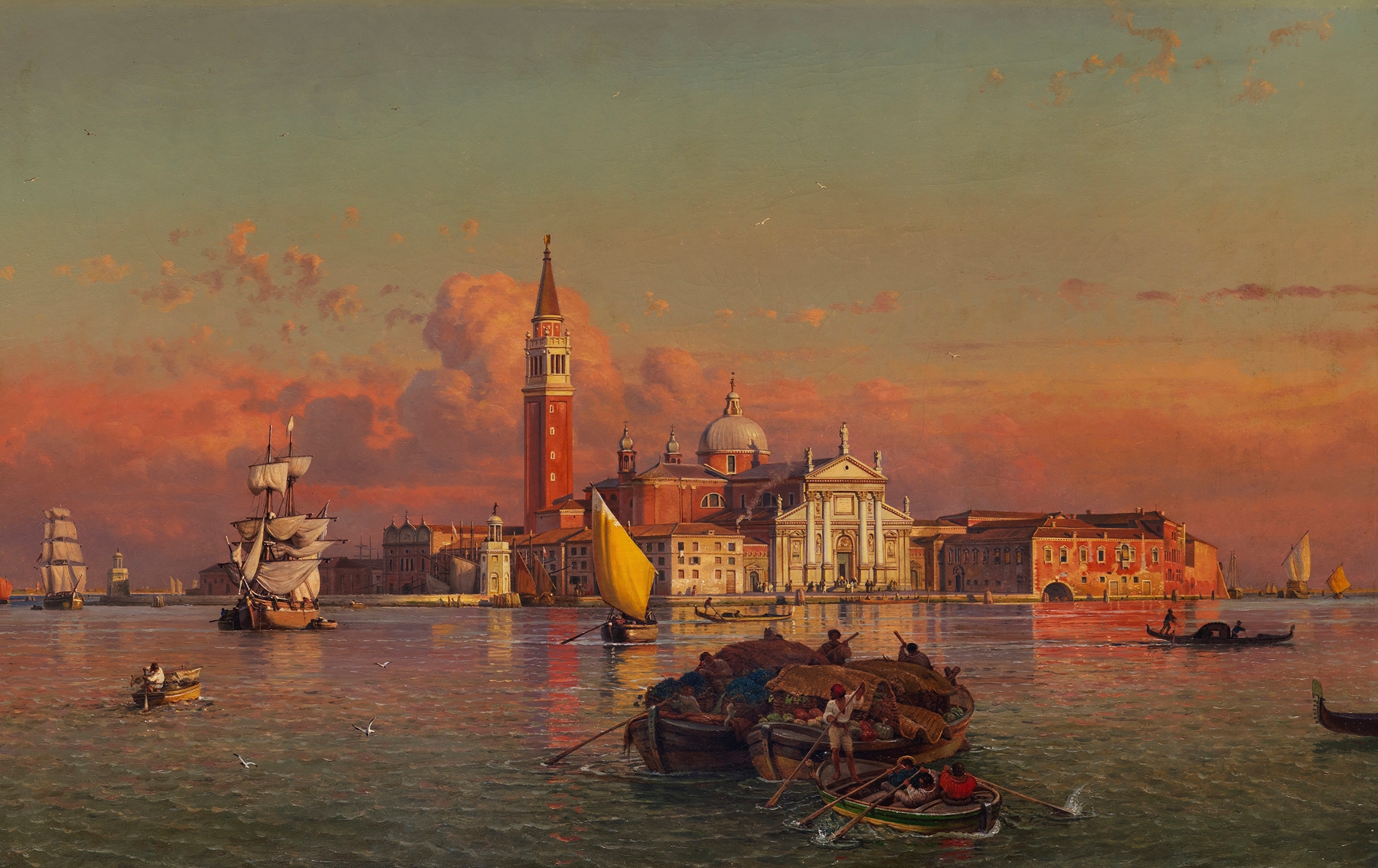
Each brushstroke speaks to the fleeting nature of desire and the betrayals that can mar even the most exquisite moments. Friedrich von Nerly painted this enigmatic scene during the 19th century, a time when Venice was grappling with the decline of its former glory. Living in an era marked by artistic exploration, he sought to capture the essence of the city while reflecting on its layered history. This work, created amidst a flourishing of Romantic ideals, stands as a poignant reminder of beauty's impermanence and the stories that linger long after the moment has passed.