The Elevated Railroad at 110th Street — History & Analysis
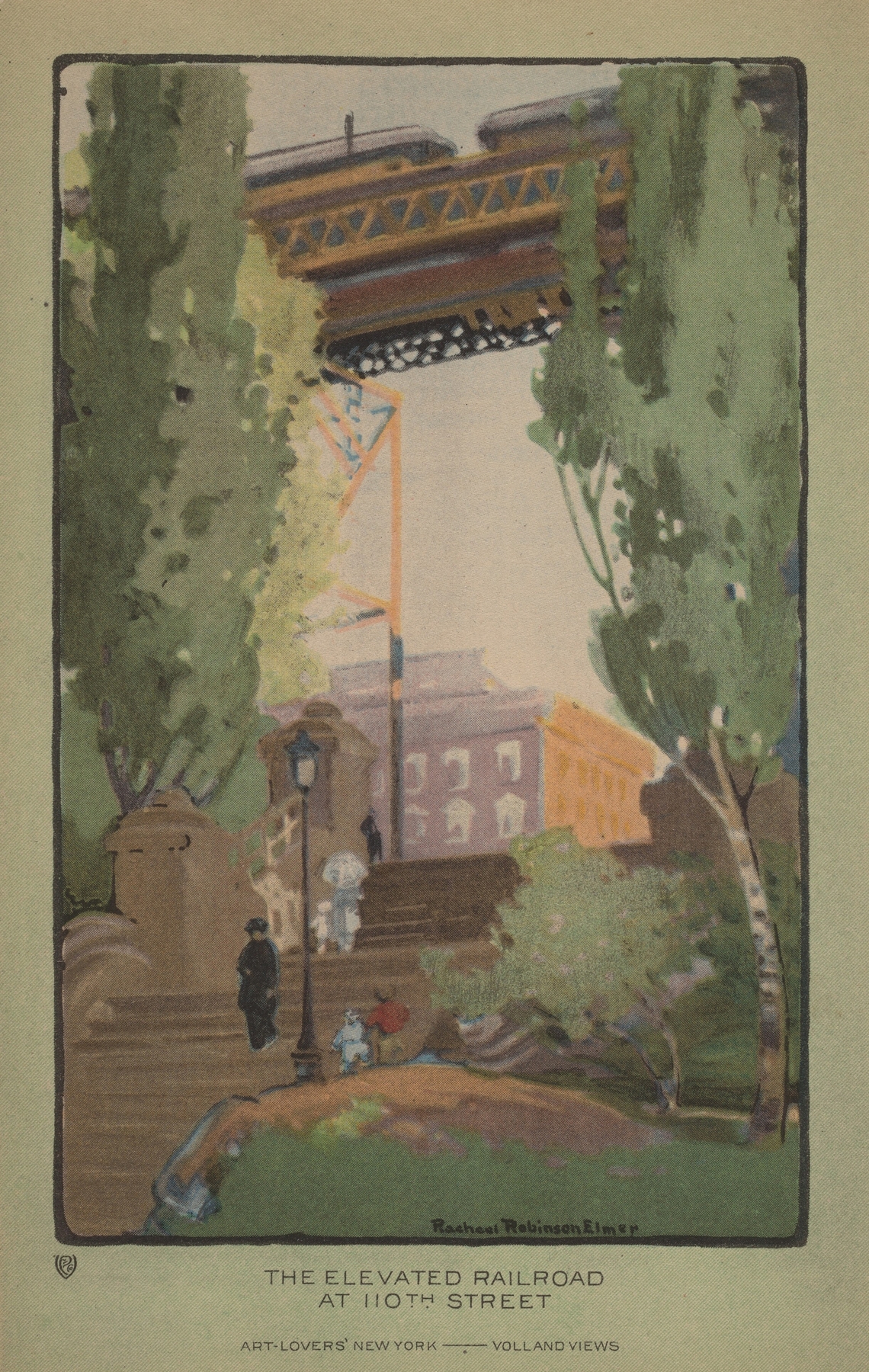
“To paint is to remember what time wants us to forget.” In the quiet embrace of a scene long past, serenity gently weaves through the hustle of urban life, inviting us to reflect on both memory and moment. The Elevated Railroad at 110th Street offers a glimpse into the rhythm of a world in transit, urging viewers to pause and contemplate the passage of time. Look closely at the horizon, where the elevated train looms against a backdrop of soft, muted colors. Notice how the light bathes the tracks in a golden hue, creating a delicate interplay of shadow and illumination.
The gentle curves of the architecture guide the eye upward, suggesting both movement and stillness, while the figures below, rendered in subtle tones, seem to fade into the landscape, echoing the transient nature of the city. Within this composition lies an emotional landscape, where the juxtaposition of steel and the human form speaks to the tension between progress and nostalgia. The solitary figures, small against the towering structure, evoke a sense of contemplation; they appear both insignificant and integral to the scene. The tranquility of the moment contrasts starkly with the bustling life of the city, suggesting that even in the midst of chaos, there exists a profound stillness waiting to be embraced.
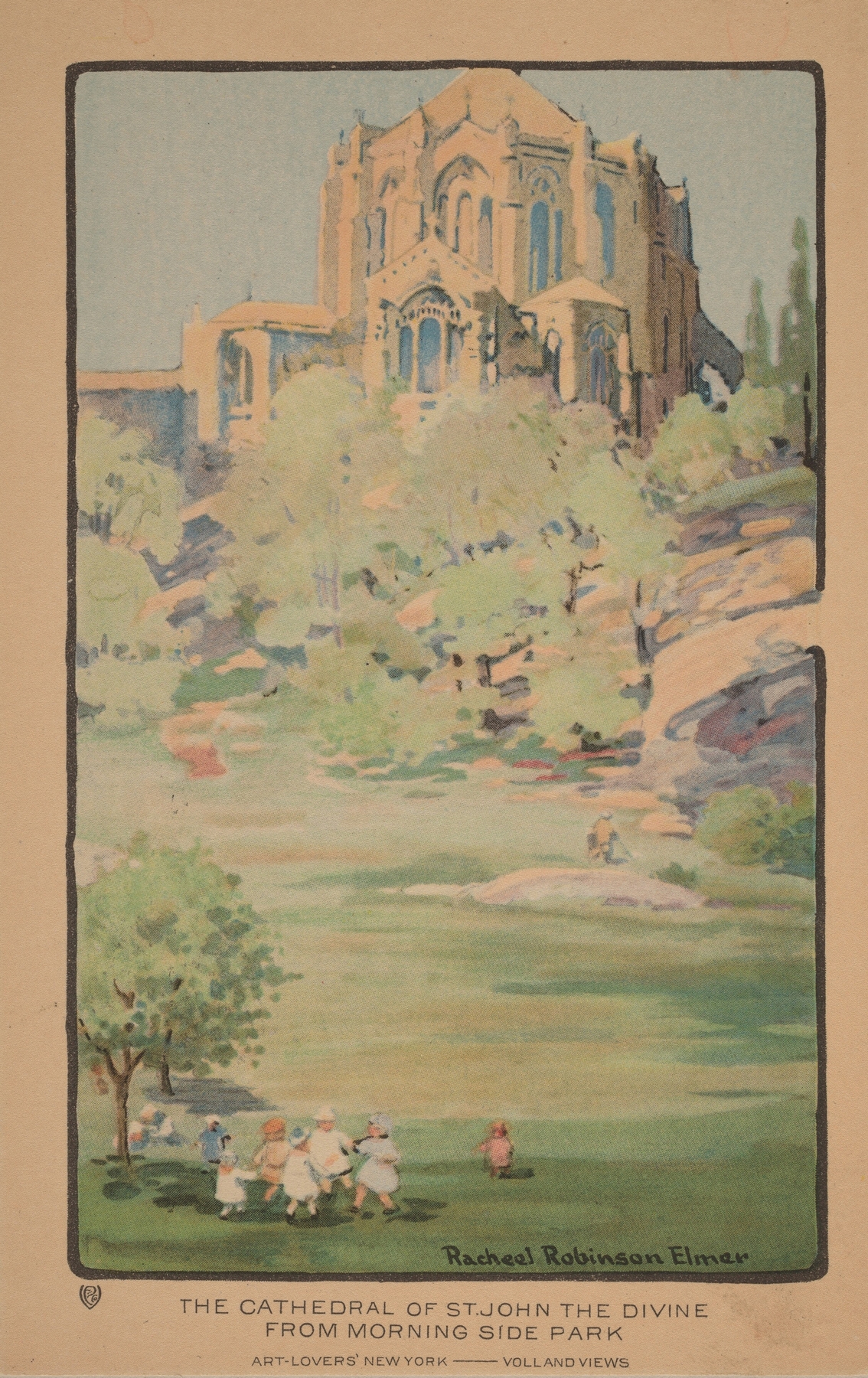
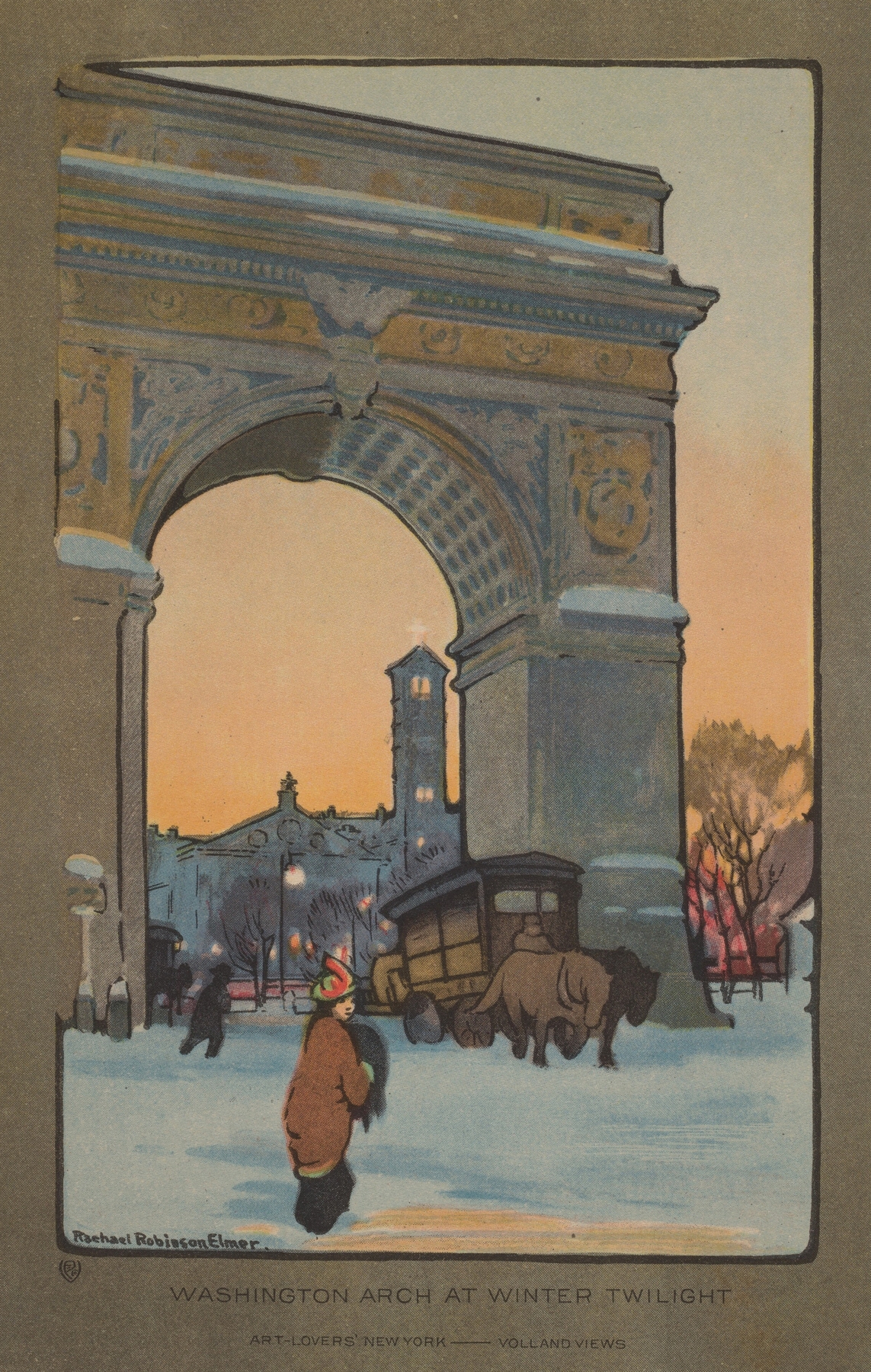
Rachael Robinson Elmer painted this piece in 1914, during a time when the elevated railway was emblematic of urban expansion in New York City. Amidst a burgeoning art scene, she was influenced by the shifting dynamics of society and the spirit of modernity, capturing the essence of an era marked by rapid change. This painting reflects her unique ability to blend realism with a sense of calm, allowing viewers to pause and reflect on the ever-moving world around them.