Trinity Church and Wall Street — History & Analysis
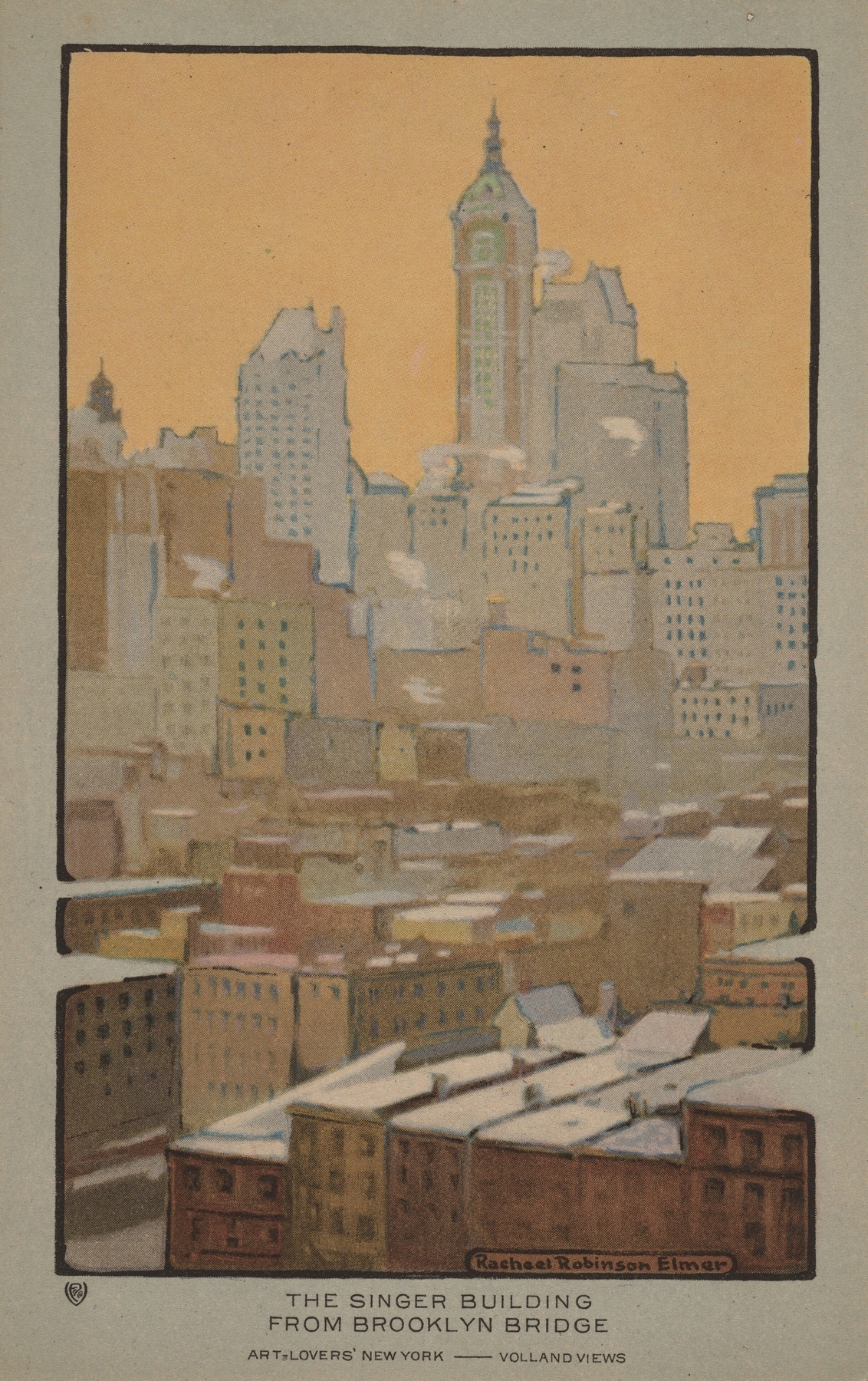
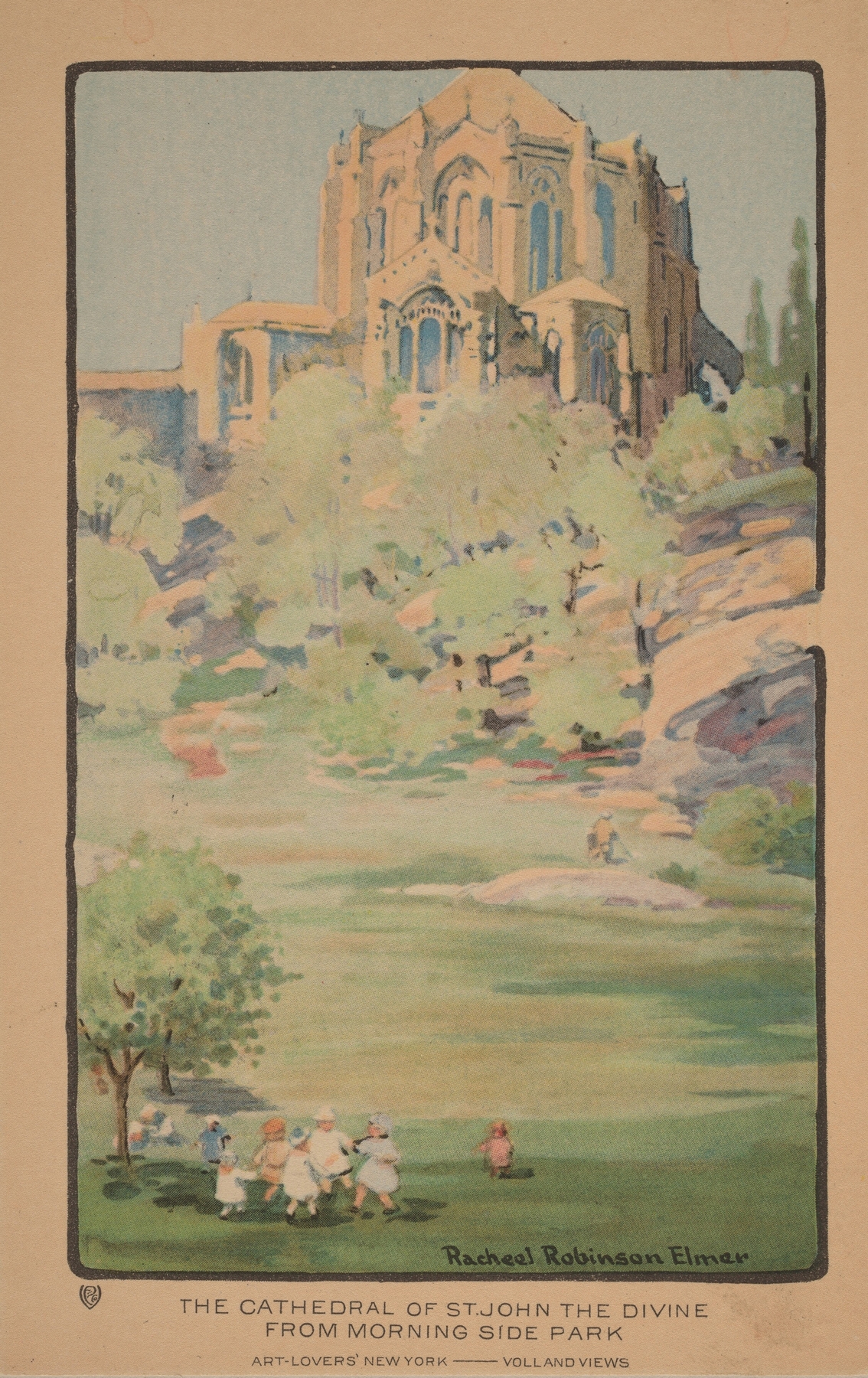
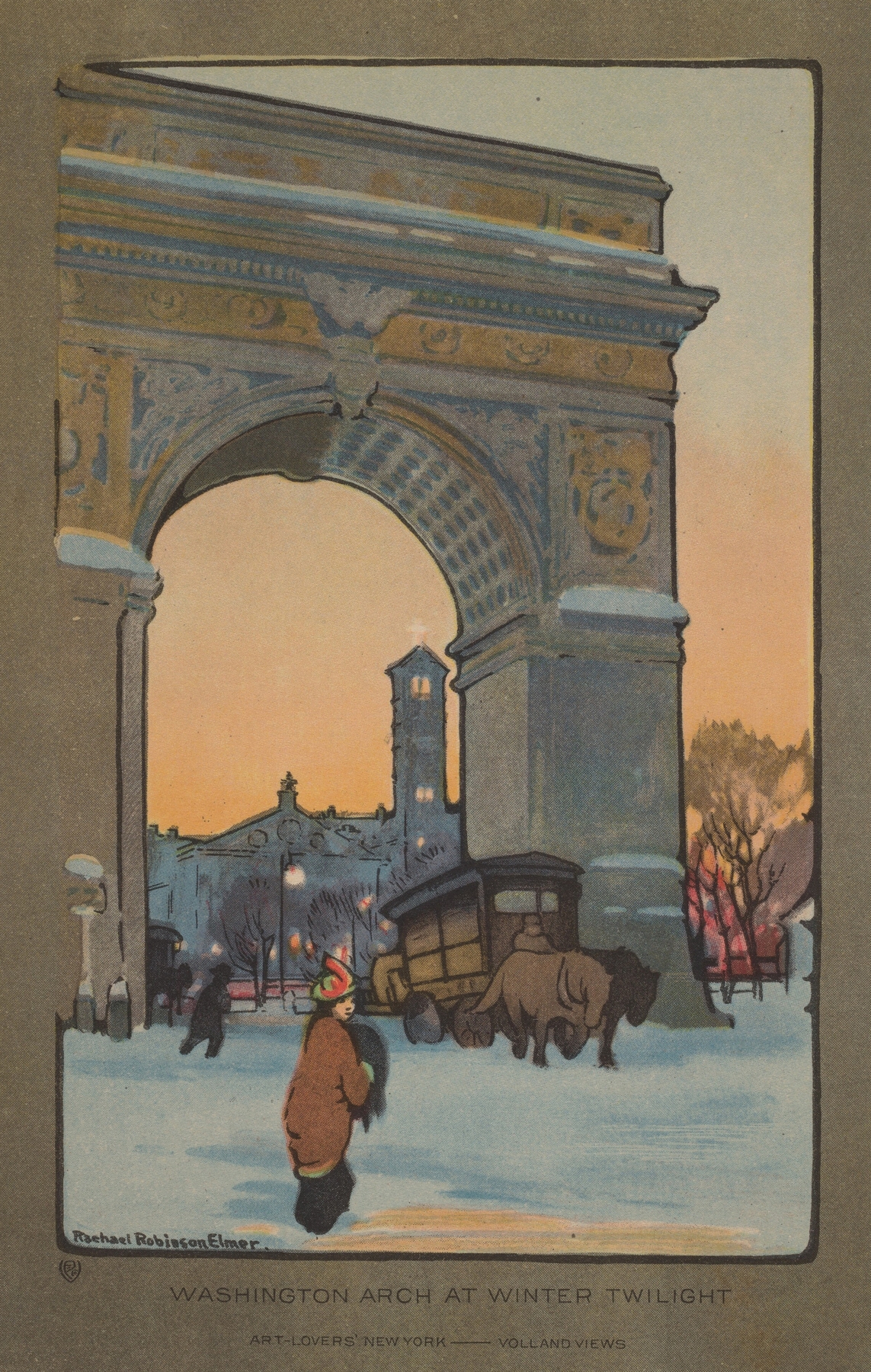
“Art reveals the soul when the world turns away.” In a landscape punctuated by towering structures, there exists a poignant void, a silent conversation between humanity and the divine. This artwork captures the heart of urban existence, where the tangible meets the ethereal, inviting the viewer to explore the intricate dance of life amidst the concrete. Look to the left at the detailed façade of Trinity Church, its pointed arches and intricate stonework. Notice how the artist skillfully contrasts the warmth of the church's earthy tones with the cold, smooth lines of the skyscrapers that encroach upon it.
Elmer employs a muted palette, allowing soft grays and browns to dominate, while bursts of light filter through the clouds above, illuminating both the church and the chaotic city below, emphasizing their coexistence. At the intersection of tradition and progress, the artwork evokes a tension between the sacred and the secular. The towering buildings symbolize the relentless march of modernity, engulfing the historical architecture, while the church stands as a testament to steadfastness. This dichotomy reflects a deeper commentary on the spiritual void that urbanization can create — a longing for connection in a rapidly changing world.
In 1914, Rachael Robinson Elmer created this piece at a time when America was on the brink of change, transitioning into a modern age. As a part of the American scene painting movement, her focus lay on urban life and its complexities. The socio-political landscape was charged with anticipation, as the onset of World War I began to loom, leaving many to grapple with the tensions of progress and tradition within their own lives.