The Farm at the Entrance of the Wood — History & Analysis
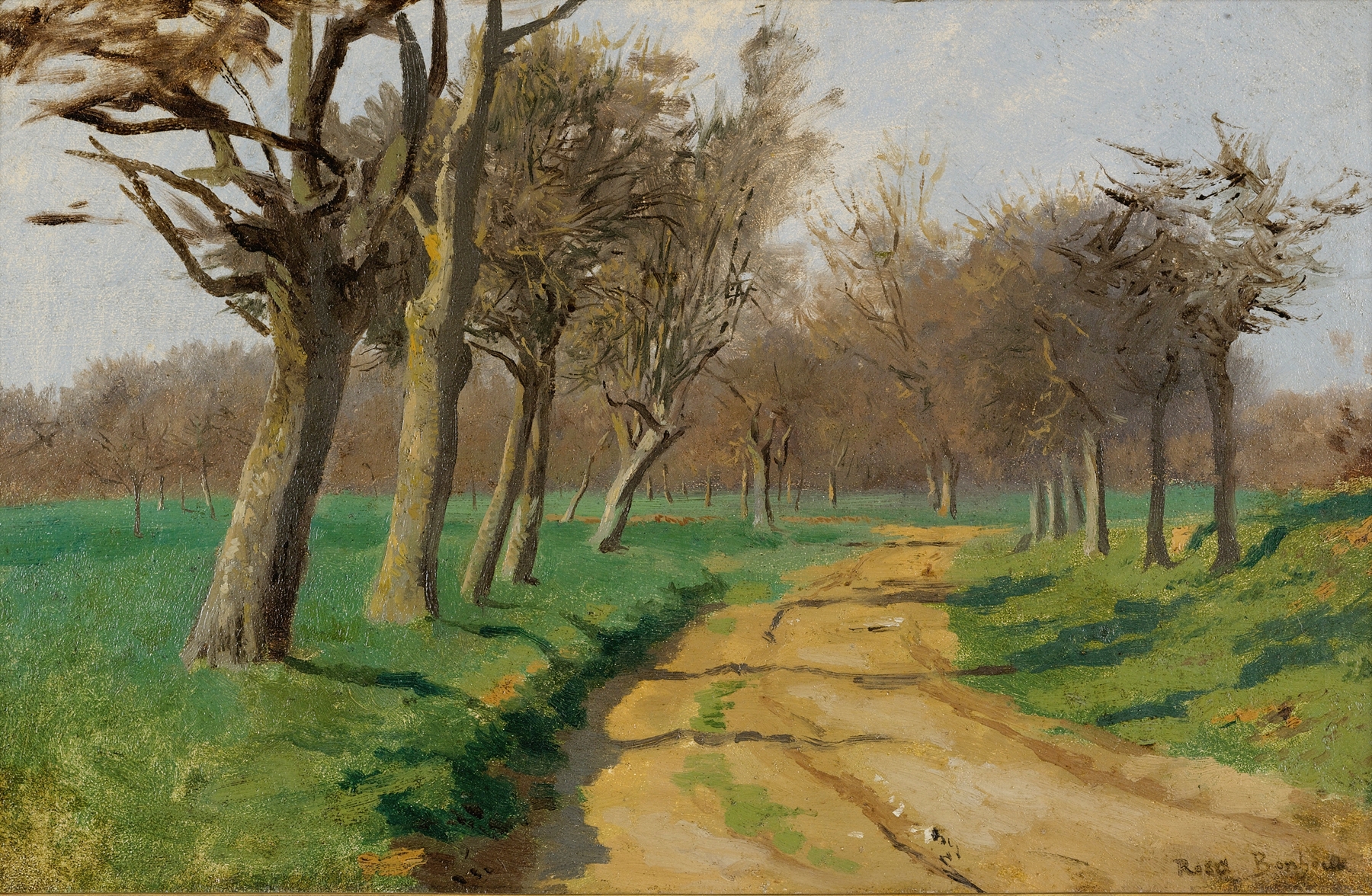
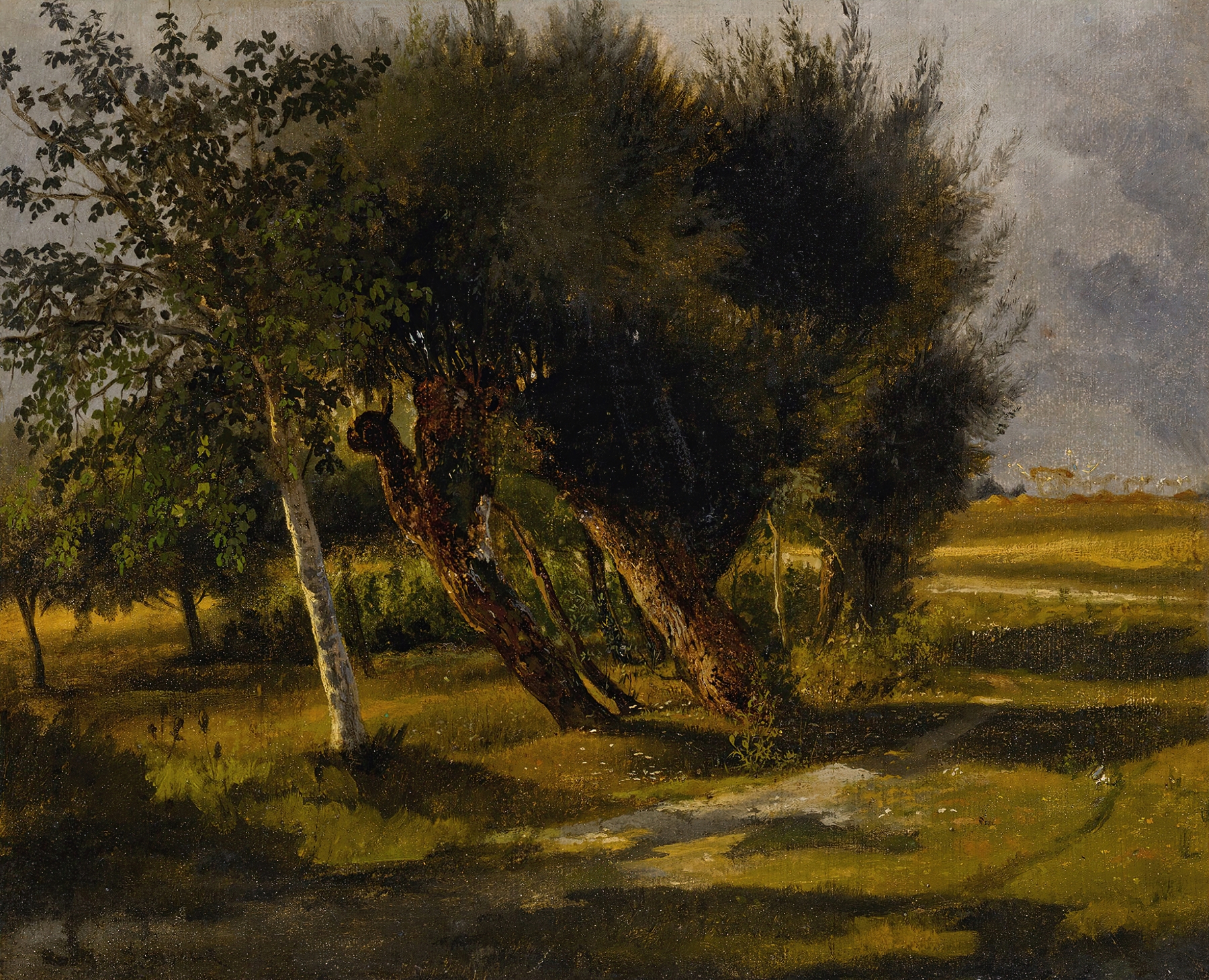
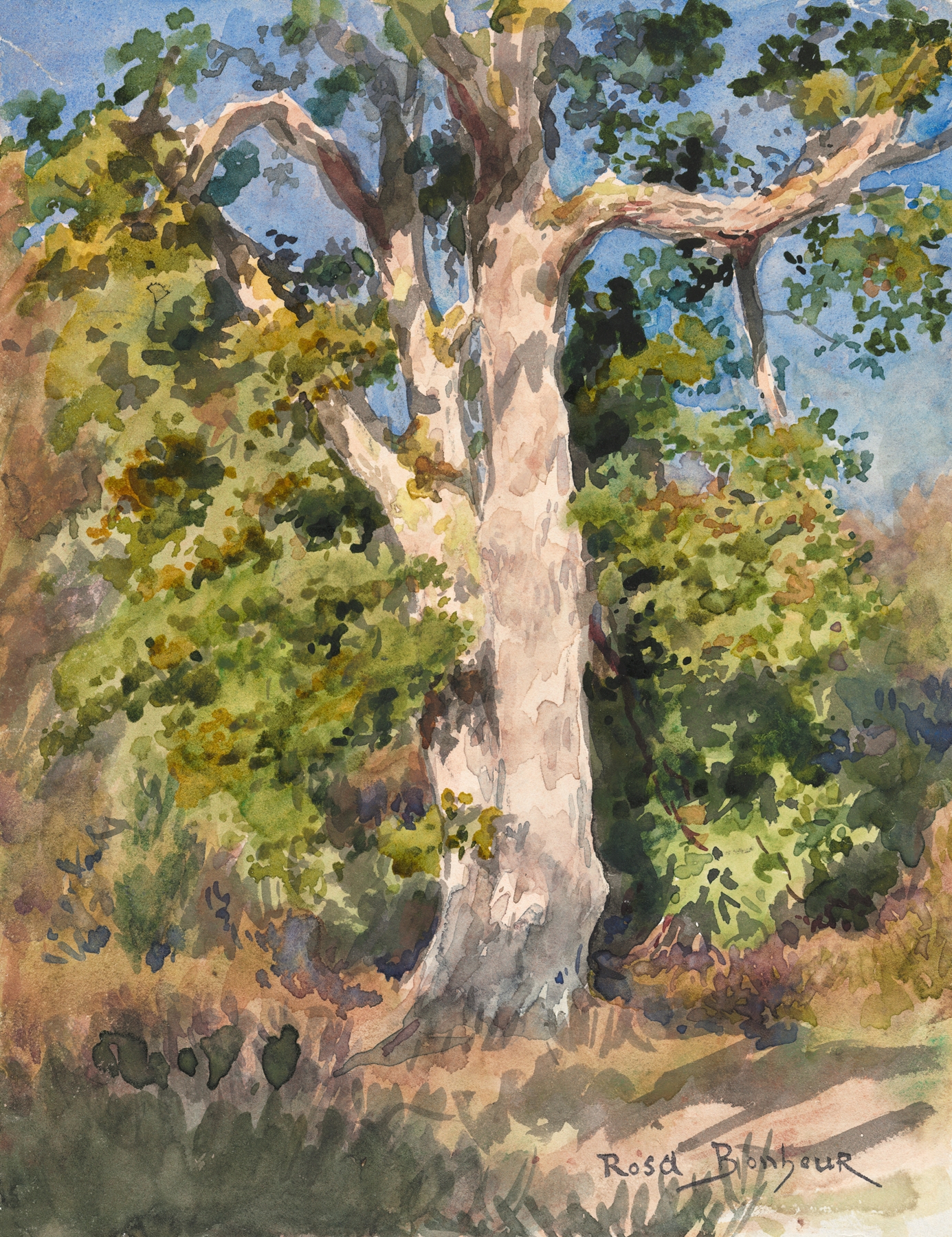
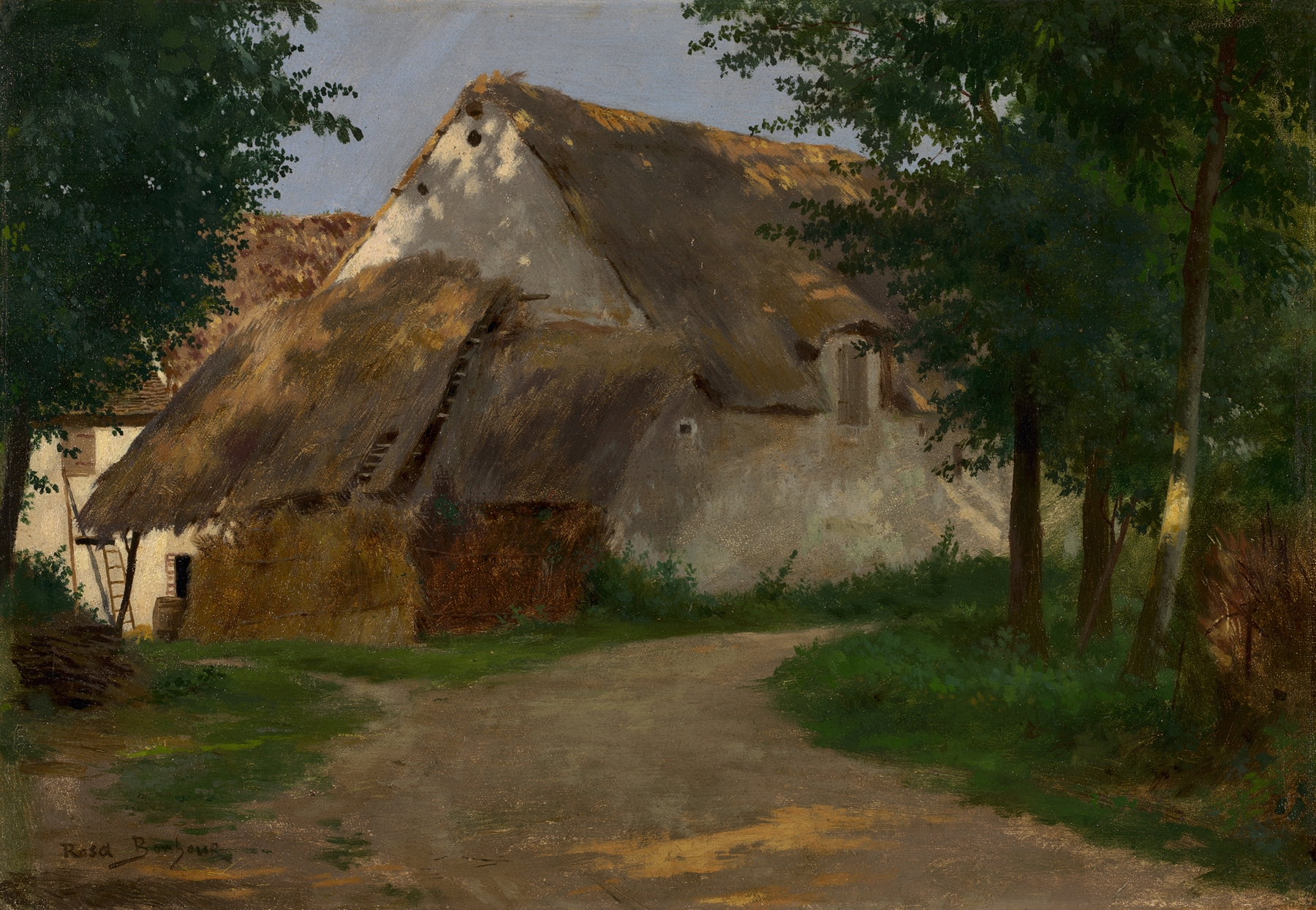
“Art reveals the soul when the world turns away.” In a time when chaos often reigns, the beauty of nature serves as an enduring sanctuary for the spirit. Rosa Bonheur’s work offers a glimpse into that refuge, inviting viewers to pause and reflect. Look closely at the foreground, where lush green grasses sway gently under the dappled sunlight, painting a rich tapestry of life. Notice the careful brushstrokes that bring texture to the trees, each leaf a testament to the artist's meticulous observation.
The composition leads your eye through a harmonious blend of earthy tones, where browns and greens coexist peacefully, in stark contrast to the tumult that often surrounds human existence. Beneath this serene surface lies a complex interplay of tranquility and chaos. The animals, seemingly at ease, suggest a harmony that belies the wildness of the natural world. The very entrance to the wood implies a transition from the ordered to the untamed, prompting a reflection on the thin line between civilization and wilderness, safety and chaos.
Each detail—from the cautious stance of the grazing sheep to the looming trees—invites contemplation on our place within this intricate web of life. Created between 1860 and 1880, this painting reflects Bonheur's dedication to capturing rural life and the natural world. At this time, she enjoyed significant acclaim, drawing inspiration from her experiences in the French countryside. The art world was shifting, yet Bonheur remained a steadfast advocate for realism, championing the beauty of nature amid the rapidly changing landscape of industrialization.