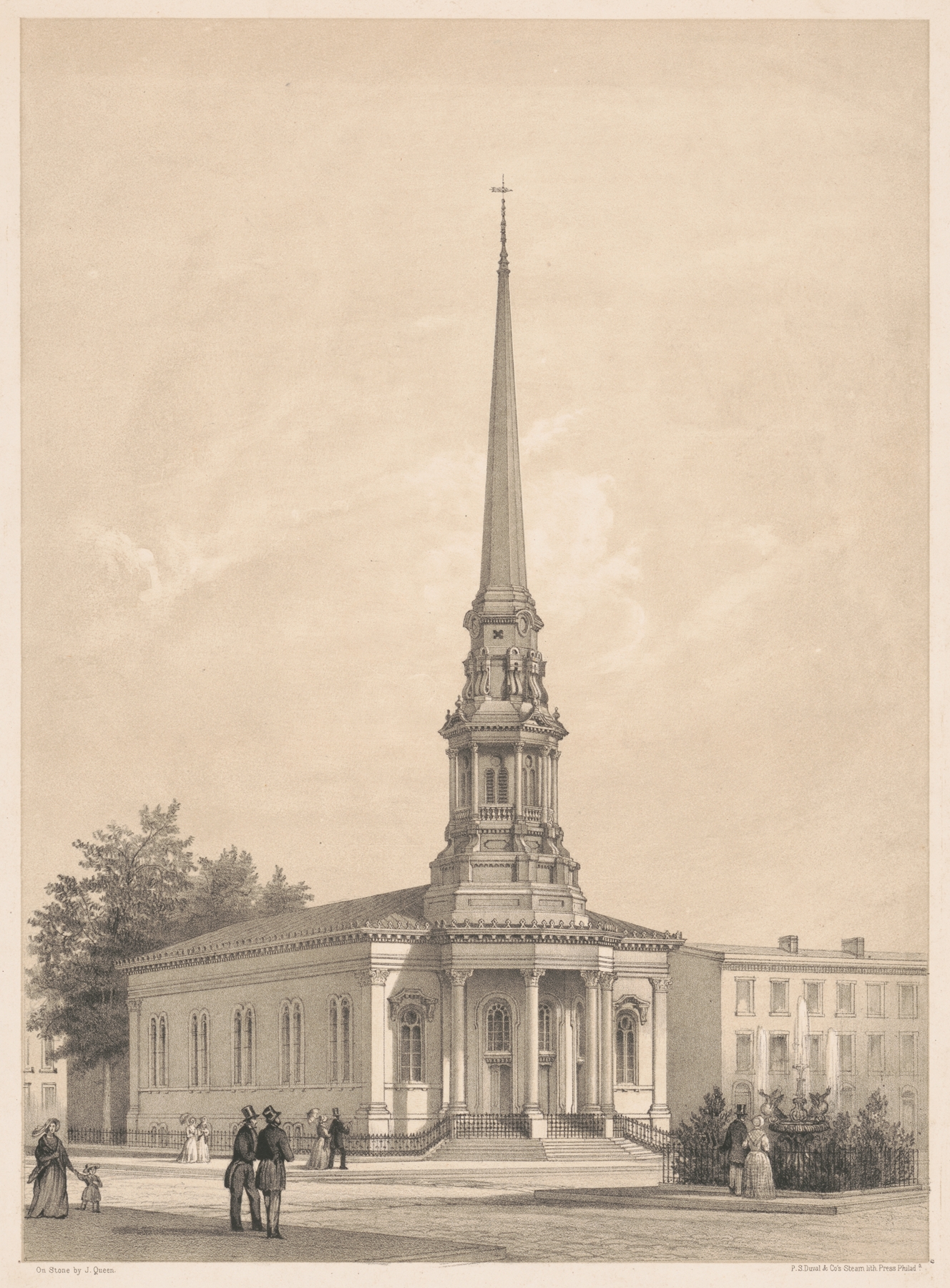
The Fourth Baptist Church, N.W. corner of Fifth & Buttonwood Streets, Philadelphia — History & Analysis
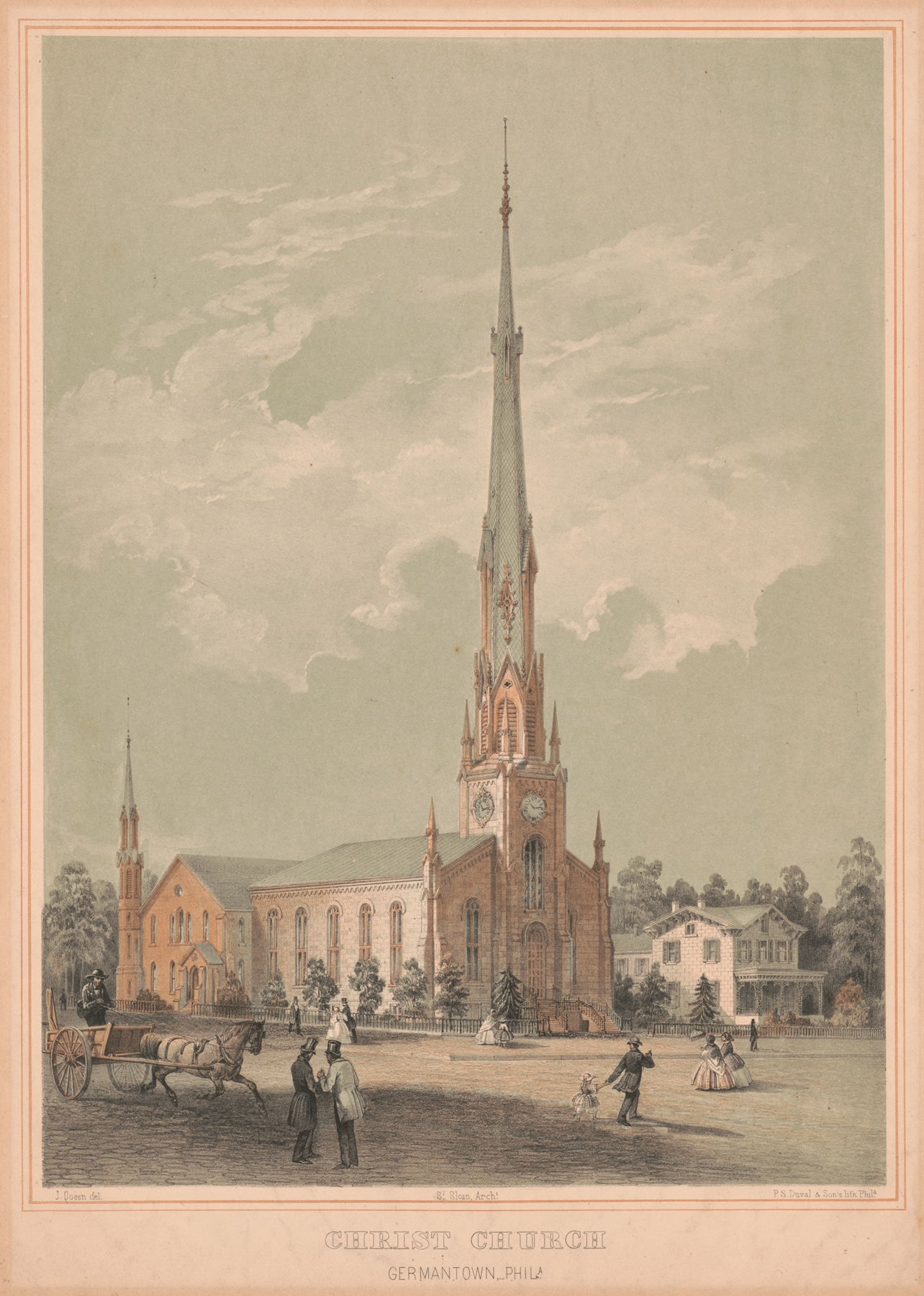
Can beauty exist without sorrow? In the heart of Philadelphia, a sanctuary stands, embodying the resilience of faith amidst the weight of grief. Focus on the grand façade of the church, where towering columns rise majestically against the sky. The intricate details of the stonework draw the eye, inviting admiration; each chisel mark whispers stories of devotion.
Notice how the light dances across the surfaces, illuminating the darker corners, suggesting a struggle between hope and desolation. The composition speaks to both strength and fragility, creating an unsettling harmony that leaves an indelible impression. Within this artwork lies a reflection on the human condition—a juxtaposition of grandeur and the inevitable decay that time brings. The church, while a symbol of faith, also stands as a reminder of the many souls who have sought solace within its walls, mourning the losses that life bestows.
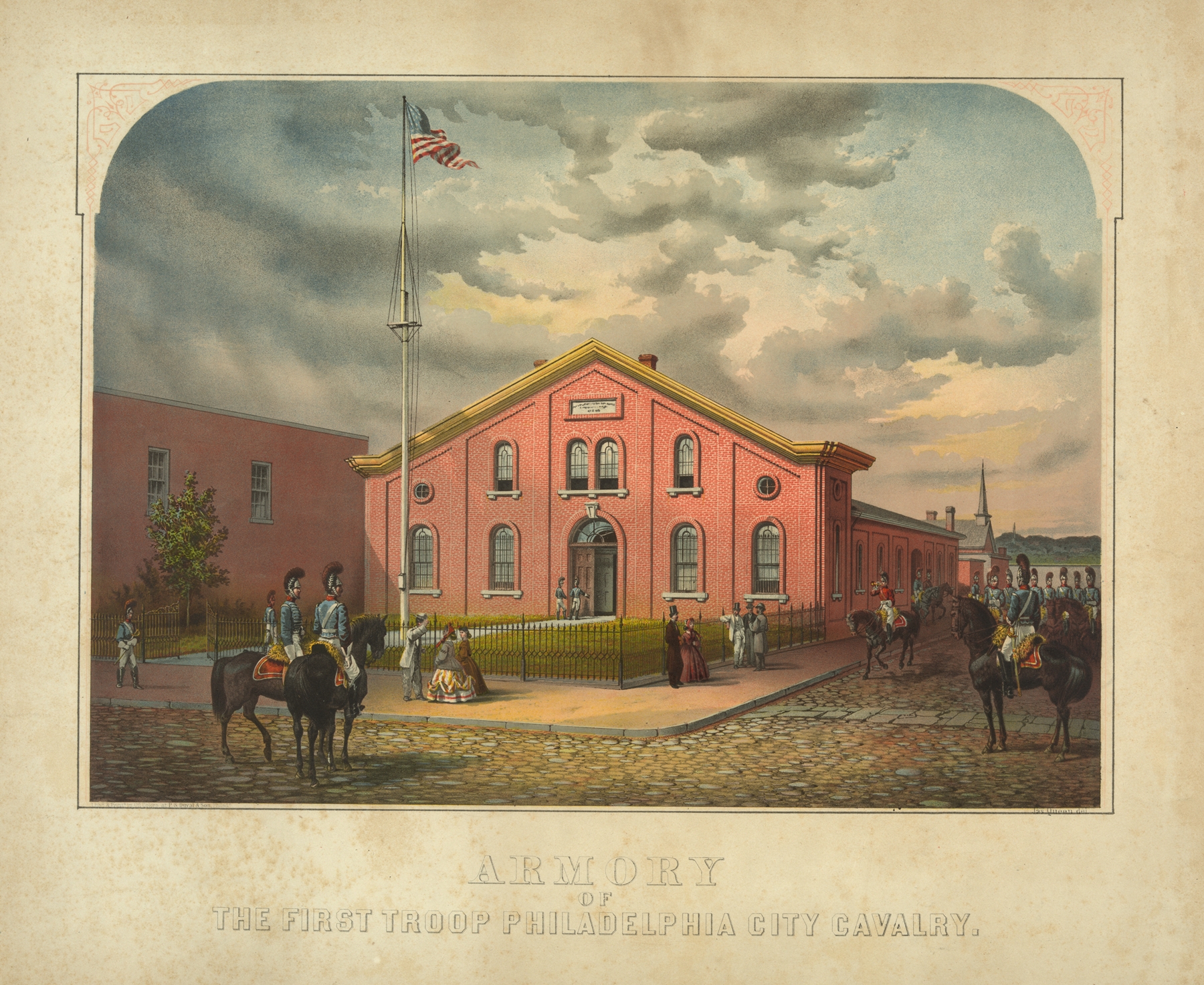
The shadows creeping along the building's edges evoke a sense of looming melancholy, yet they also cradle the light, hinting at the possibility of renewal and healing through community. James Fuller Queen created this piece between 1853 and 1856, capturing a period of transformative change in American art. At a time when the nation was grappling with social upheavals and the shadows of the impending Civil War loomed large, the artist's work resonated with both contemporaries and future generations. His attention to architectural detail and the emotional undertones of urban life positioned him as a notable figure within the realm of American painting, as he sought to depict not only structures but the spirits they housed.