The Interior of Saint Bavo, Haarlem — History & Analysis
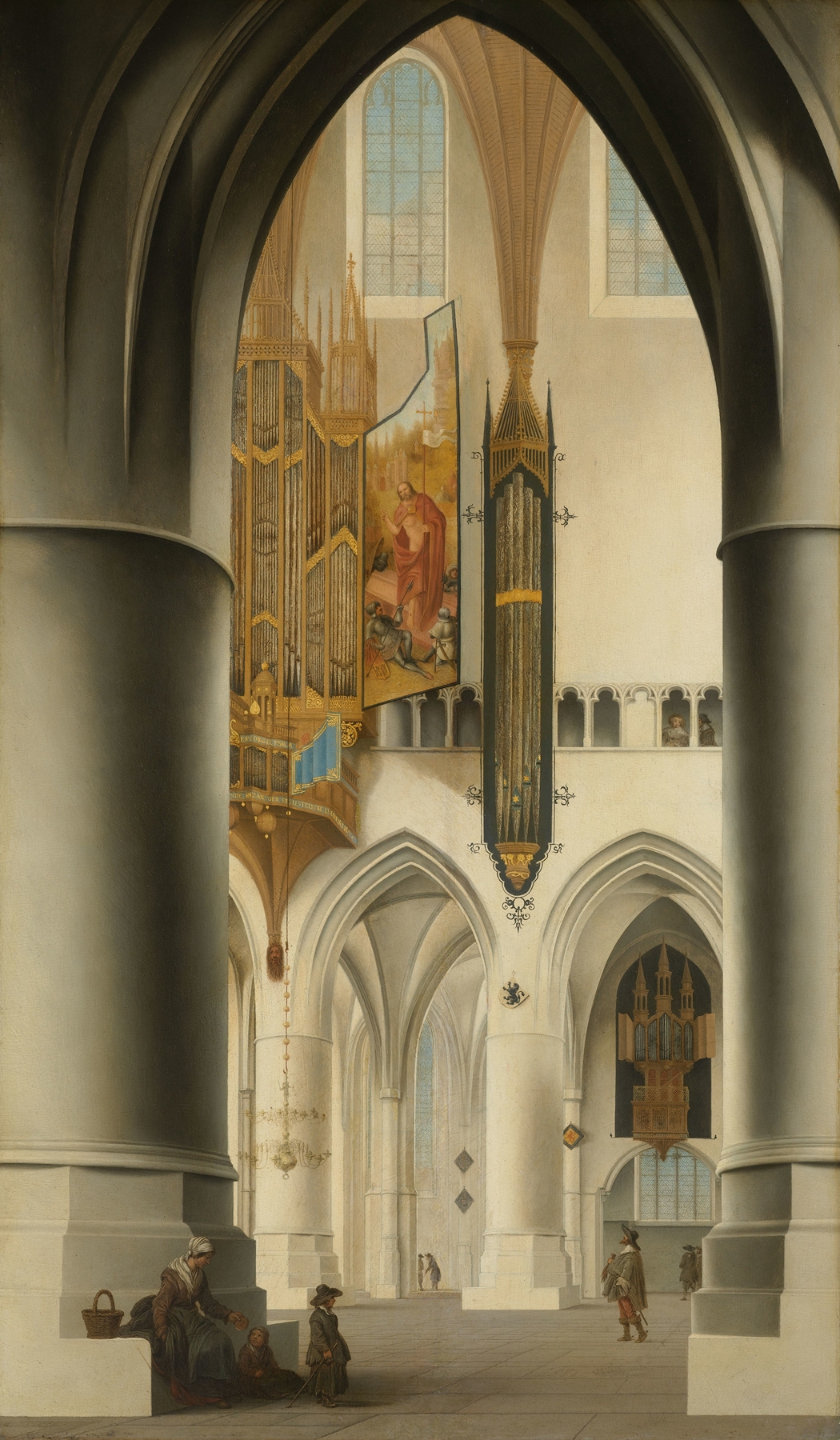
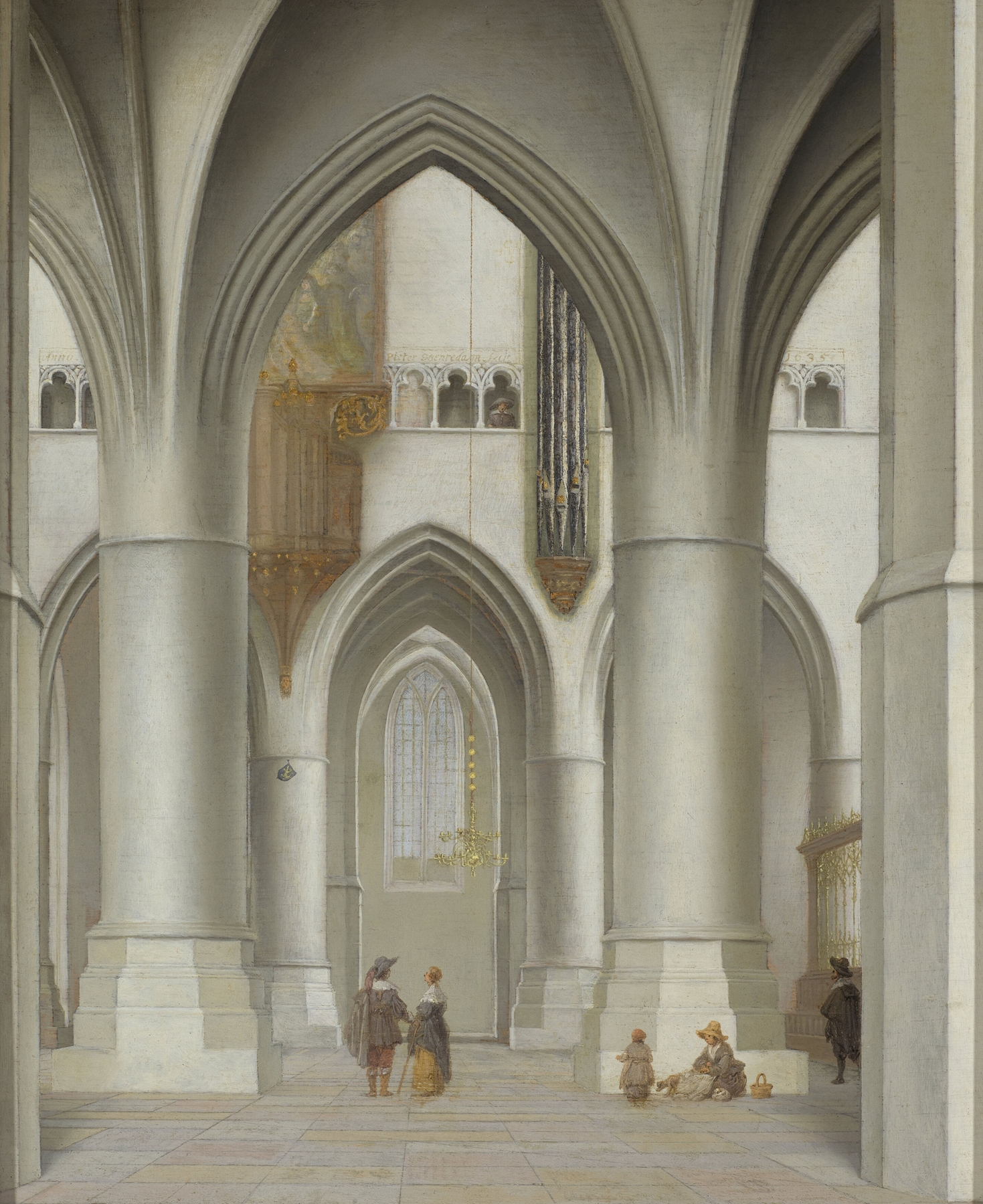
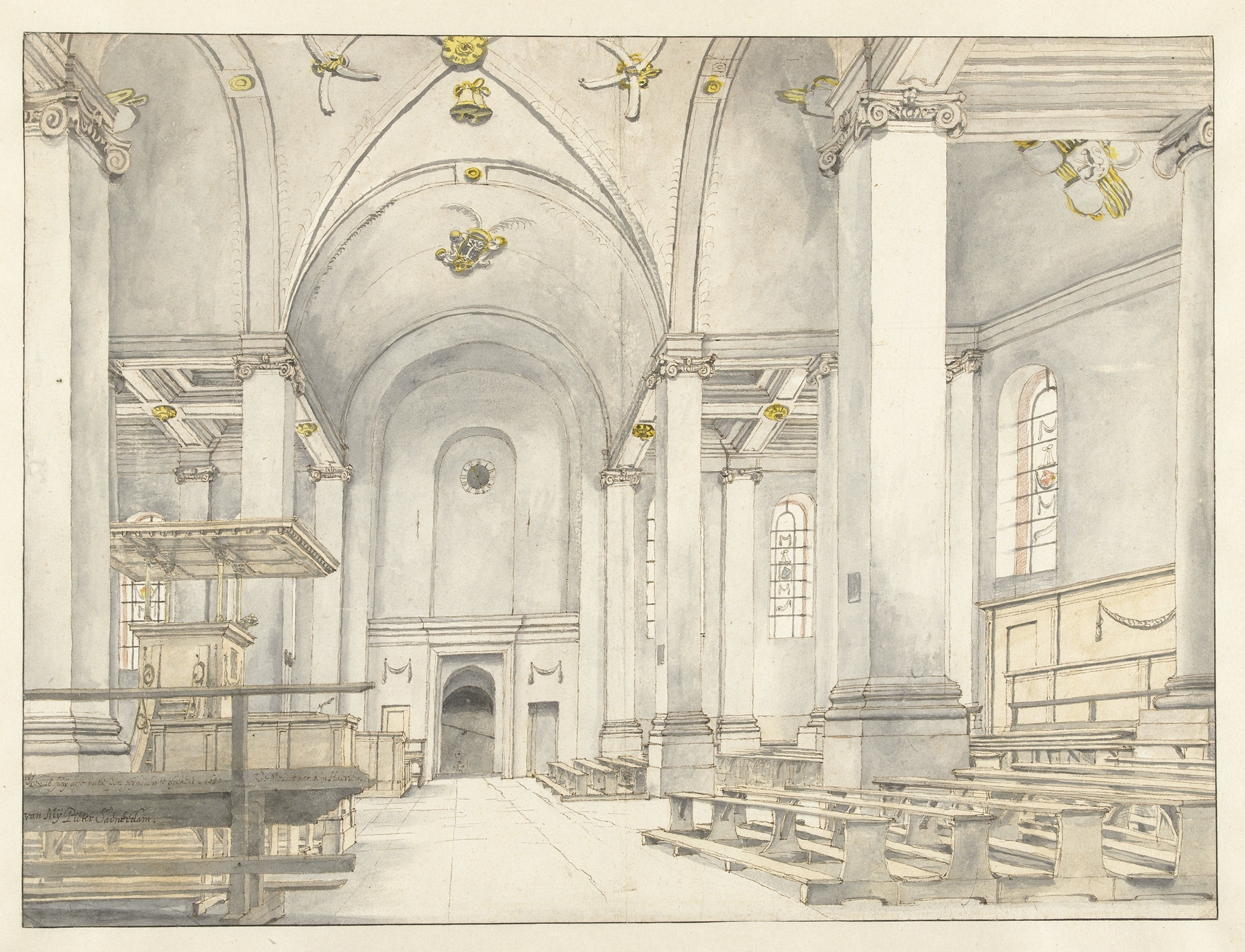
“To paint is to remember what time wants us to forget.” In The Interior of Saint Bavo, Haarlem, the unyielding walls of a church stand as a silent witness to the echoes of faith and history, embracing the viewer in a moment suspended between the sacred and the ordinary. Look to the left at the intricate carvings of the altar, where the delicate interplay of light filters through the stained glass, casting a kaleidoscope of colors onto the stone floor. Notice how the meticulous perspective draws you deeper into the nave, creating an almost palpable depth that invites contemplation. The muted palette, dominated by earthy tones and soft highlights, evokes the solemnity of the space while emphasizing the architectural grandeur that surrounds it.
Yet beyond its serene beauty lies an undercurrent of tension. The contrast between the stillness of the empty pews and the towering, ornate columns suggests the weight of absence, hinting at a moment of spiritual awakening or lingering doubt. Shadows dance in the corners, whispering of histories long past—reminders of revolutionary ideals that reshaped faith and community during a period of turbulence. Each brushstroke encapsulates not just a physical space, but the profound emotional landscape of a society in transition.
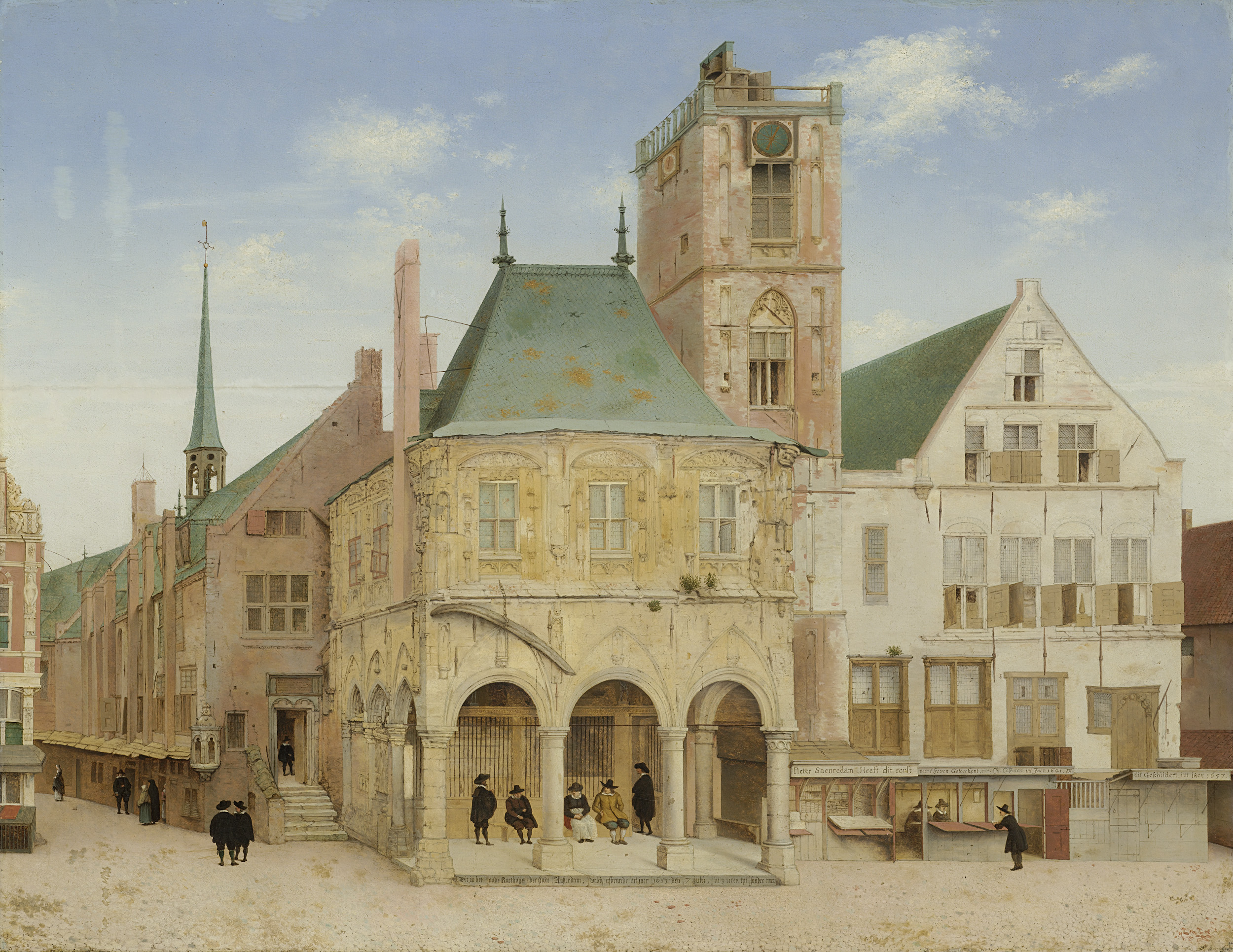
Pieter Jansz Saenredam painted this remarkable work in 1628, a time when the Protestant Reformation was reshaping religious expression across Europe. Living in the Netherlands, where artistic innovation flourished against the backdrop of religious conflict, Saenredam found in sacred architecture a powerful means to explore the intersection of faith and identity. This piece captures not only the grandeur of Saint Bavo but also reflects the artist's commitment to documenting the rituals and transformations of a changing world.