
The Monk by the Sea — History & Facts
A lone figure in a dark robe stands on a strip of pale sand at the water's edge, seen from behind and tiny against the canvas, looking out over a dark, almost empty sea. Above him the sky takes up most of the picture, a bank of gray-green mist and cloud that thins to pale, hazy light. Sand, sea and sky form three nearly flat horizontal bands. Caspar David Friedrich worked on it for two years, and repeated changes and overpainting gave it its unusually abstract structure.
Infrared images made during the 2013–2016 restoration showed that he painted out three planned sailing ships, which the museum says pushes the "infinite solitude" of the empty sea to its extreme. In a letter he described a man in black walking in deep thought along the shore, with gulls flying anxiously around him as if to warn him off the wild sea. It was shown at the Berlin Academy exhibition in 1810, at Friedrich Schleiermacher's suggestion, together with its companion, Abbey in the Oakwood, and was bought by the Prussian royal house. That year the writer Heinrich von Kleist published a famous response, saying that looking at it felt as if one's eyelids had been cut away.
It is in the Alte Nationalgalerie in Berlin.
More Artworks by Caspar David Friedrich
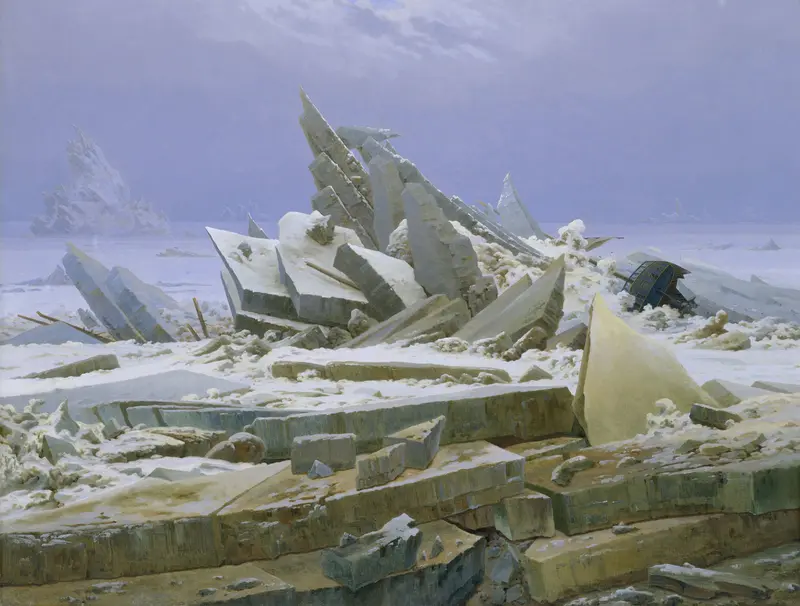
The Sea of Ice
Caspar David Friedrich
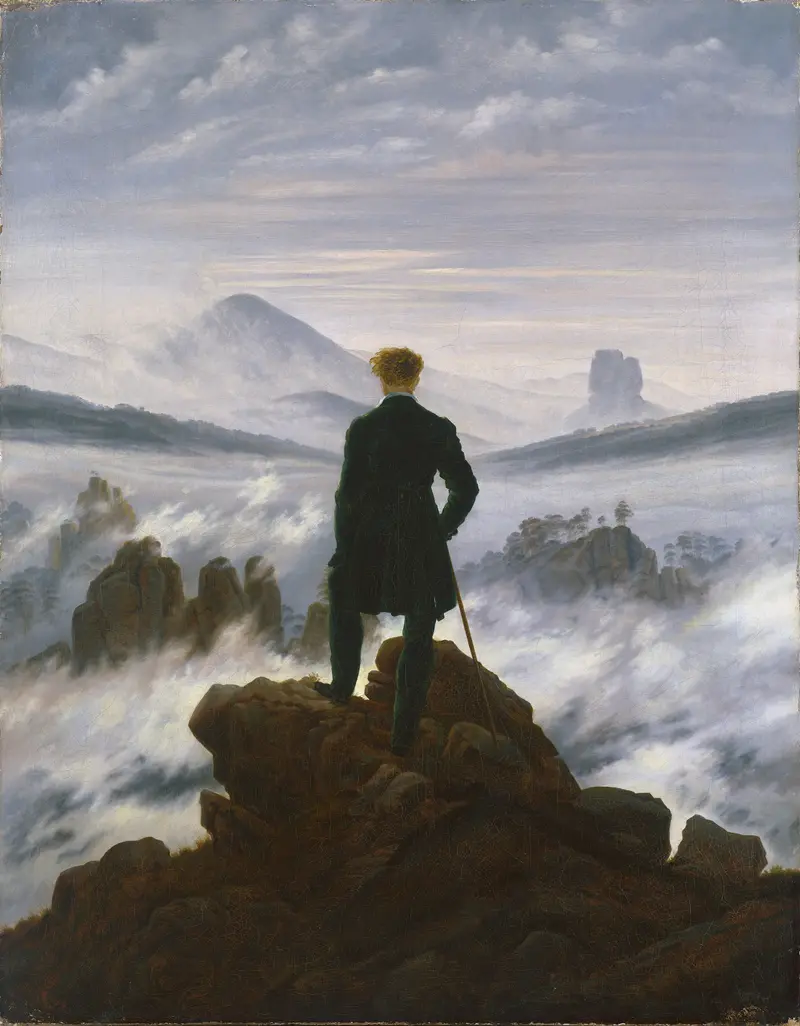
Wanderer above the Sea of Fog
Caspar David Friedrich
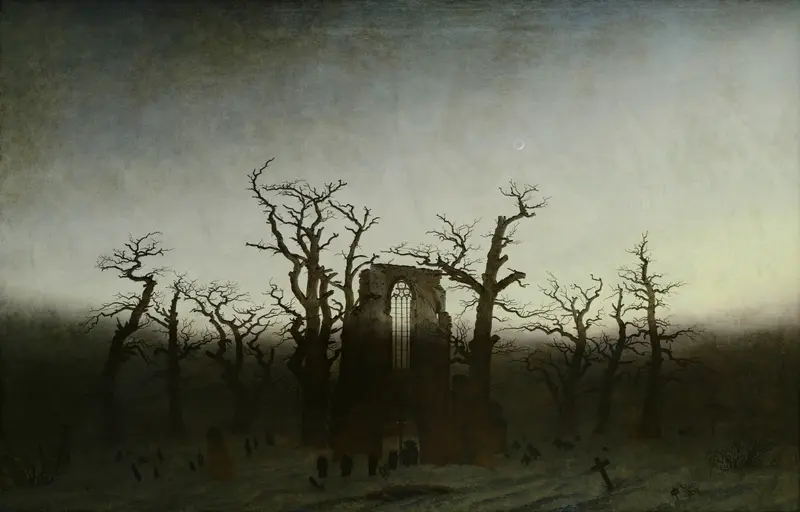
The Abbey in the Oakwood
Caspar David Friedrich
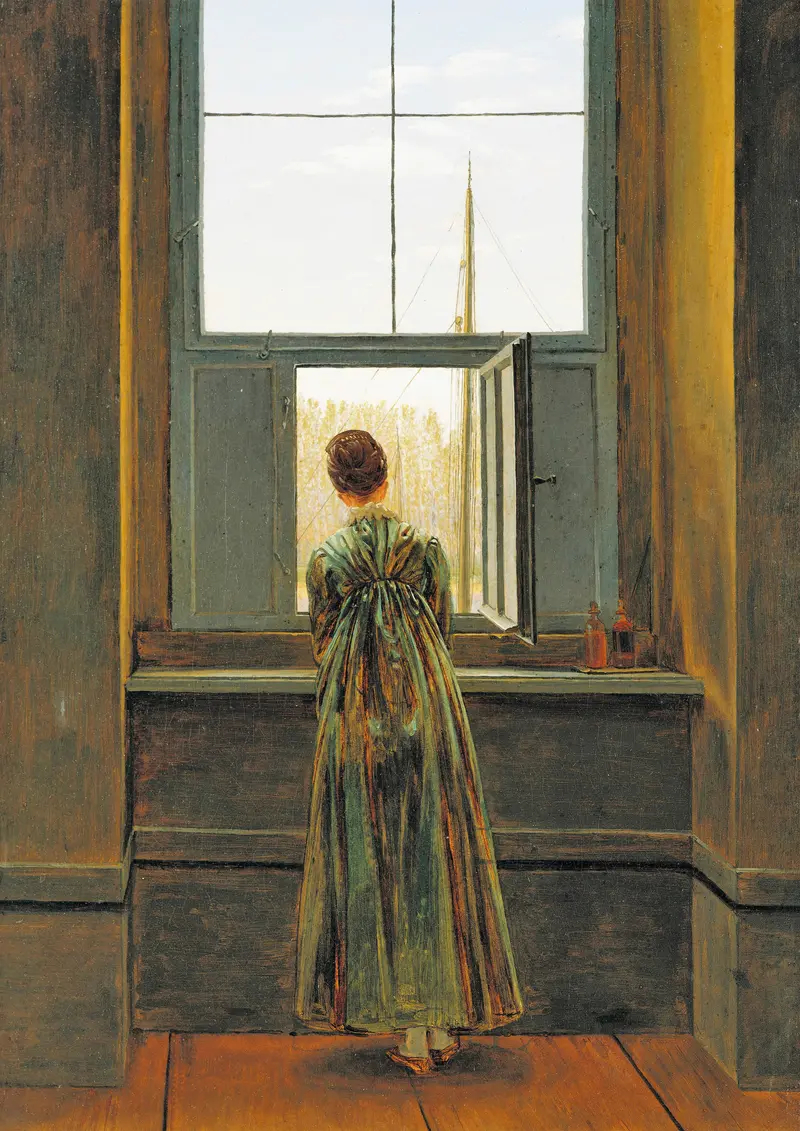
Woman at a Window
Caspar David Friedrich
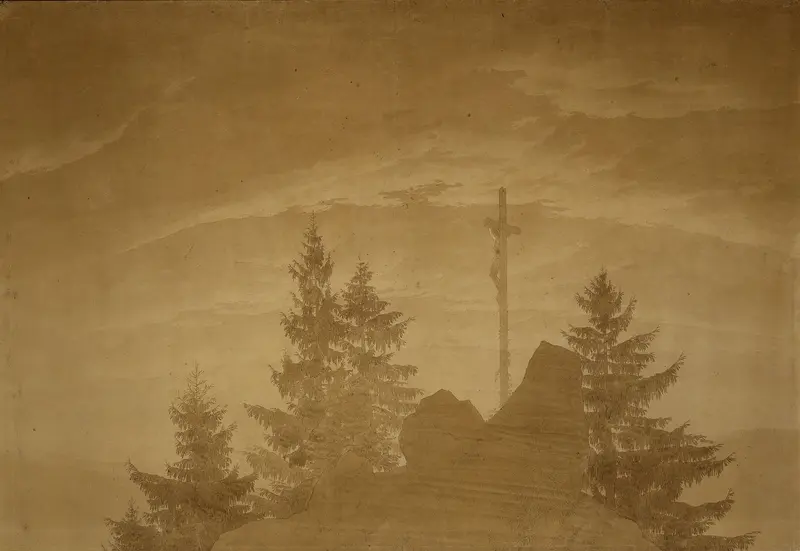
Cross in the Mountains
Caspar David Friedrich
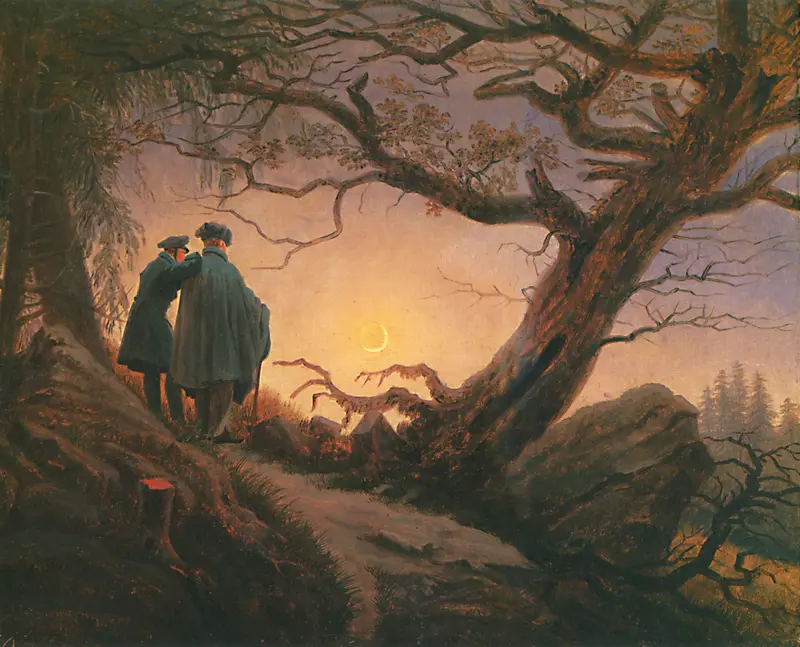
Two Men Contemplating the Moon
Caspar David Friedrich
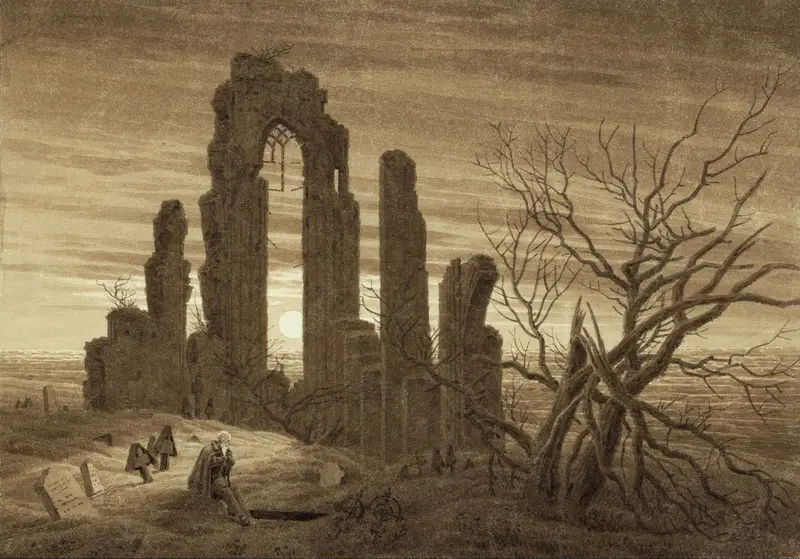
Winter – Night – Old Age and Death (from the times of day and ages of man cycle of 1803)
Caspar David Friedrich
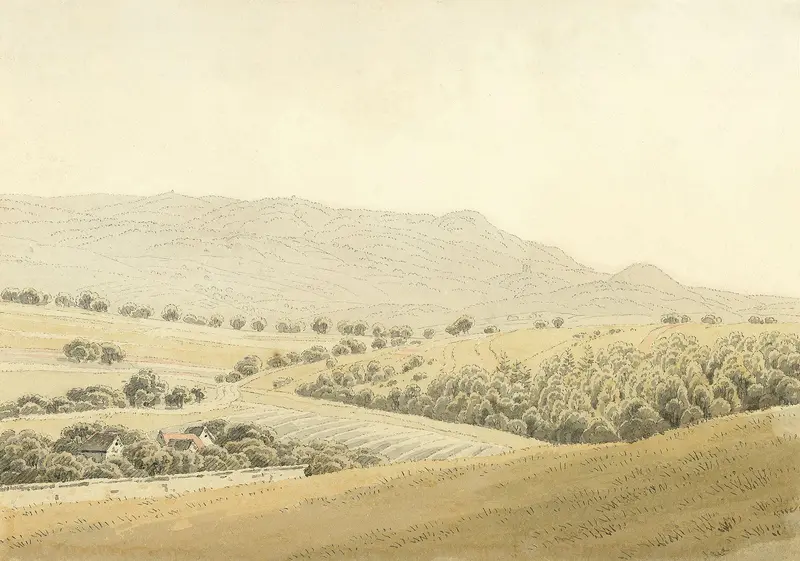
Mittelgebirgslandschaft
Caspar David Friedrich

Landschaft mit gebirgsee, morgen
Caspar David Friedrich
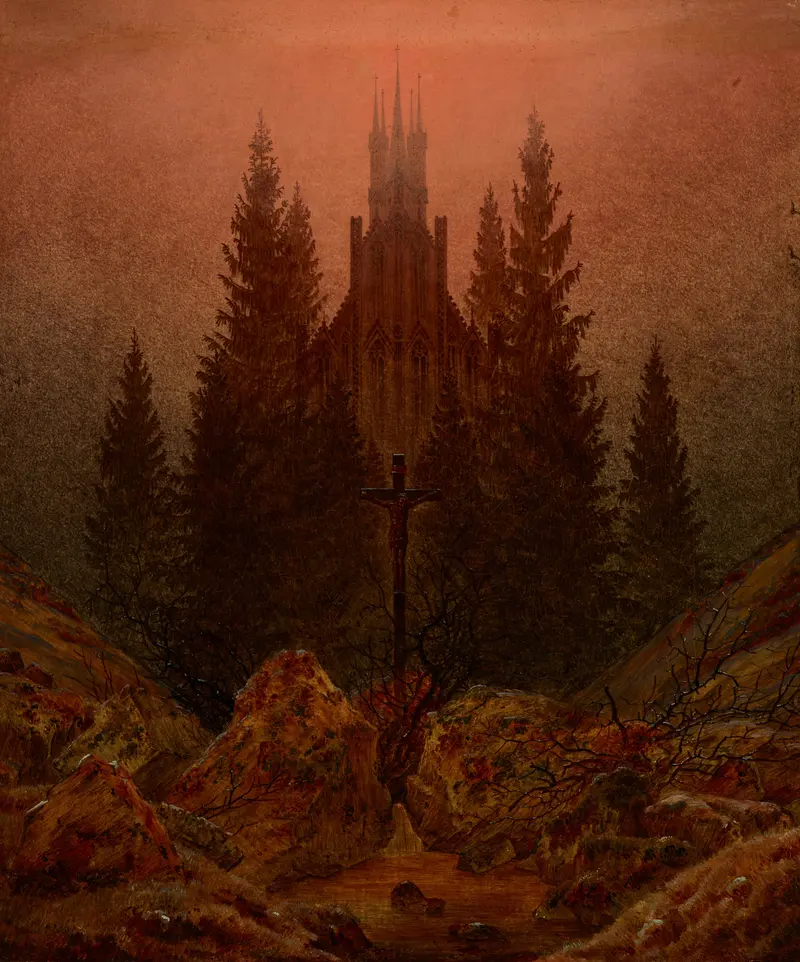
The Cross in the Mountains
Caspar David Friedrich
More Landscape Art

The Starry Night
Vincent van Gogh

View of Delft
Johannes Vermeer

Water Lilies
Claude Monet

The Grand Canal, Venice, looking north-west from the Ca' Corner to the Ca' Contarini degli Scrigni, with the campanile of Santa Maria della Carità
Canaletto

Windsor Castle
Canaletto

The Grand Canal looking North-East from the Palazzo Dolfin-Manin to the Rialto Bridge
Canaletto