The Mountain Bleia by Sognefjorden — History & Analysis
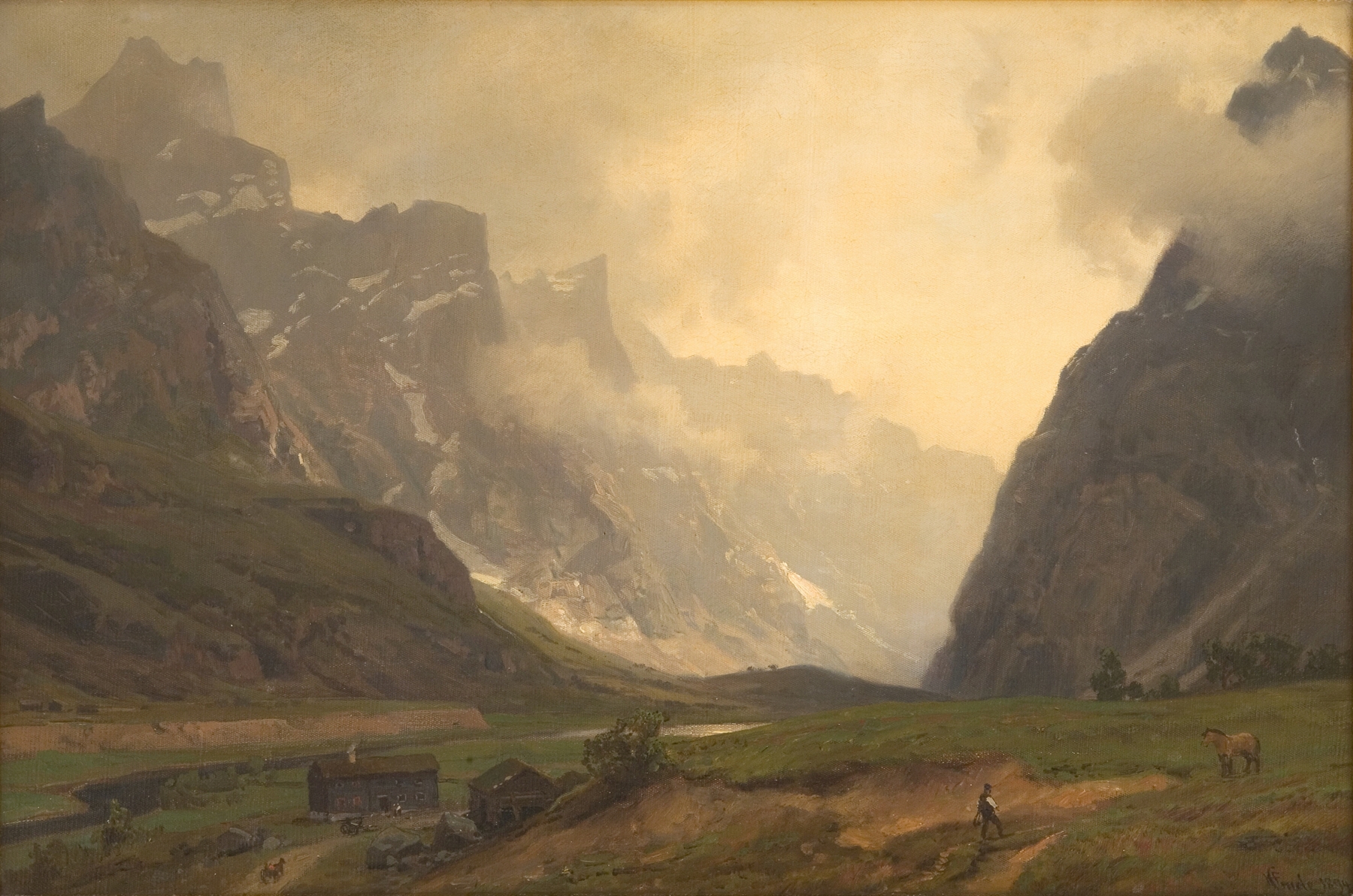
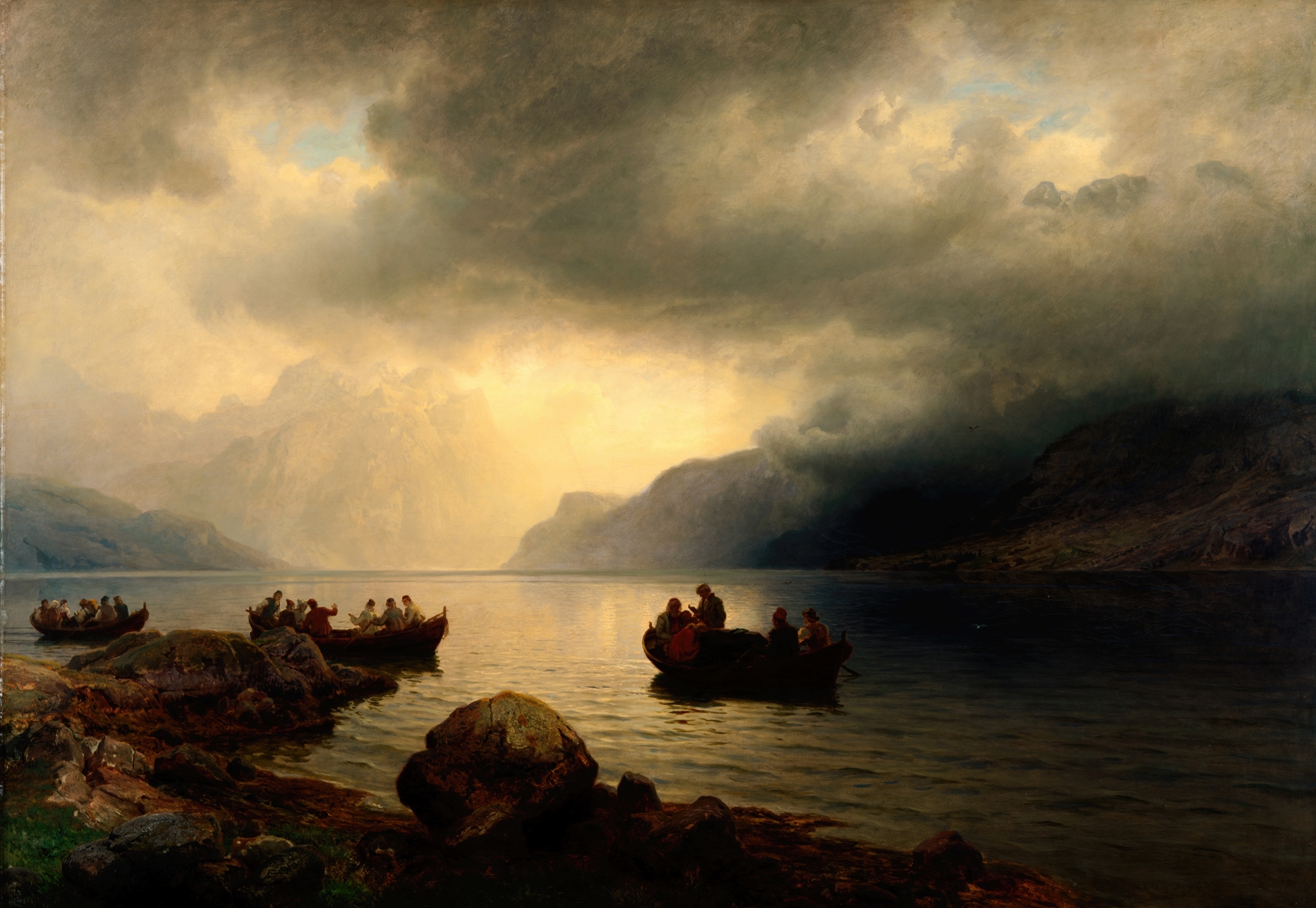
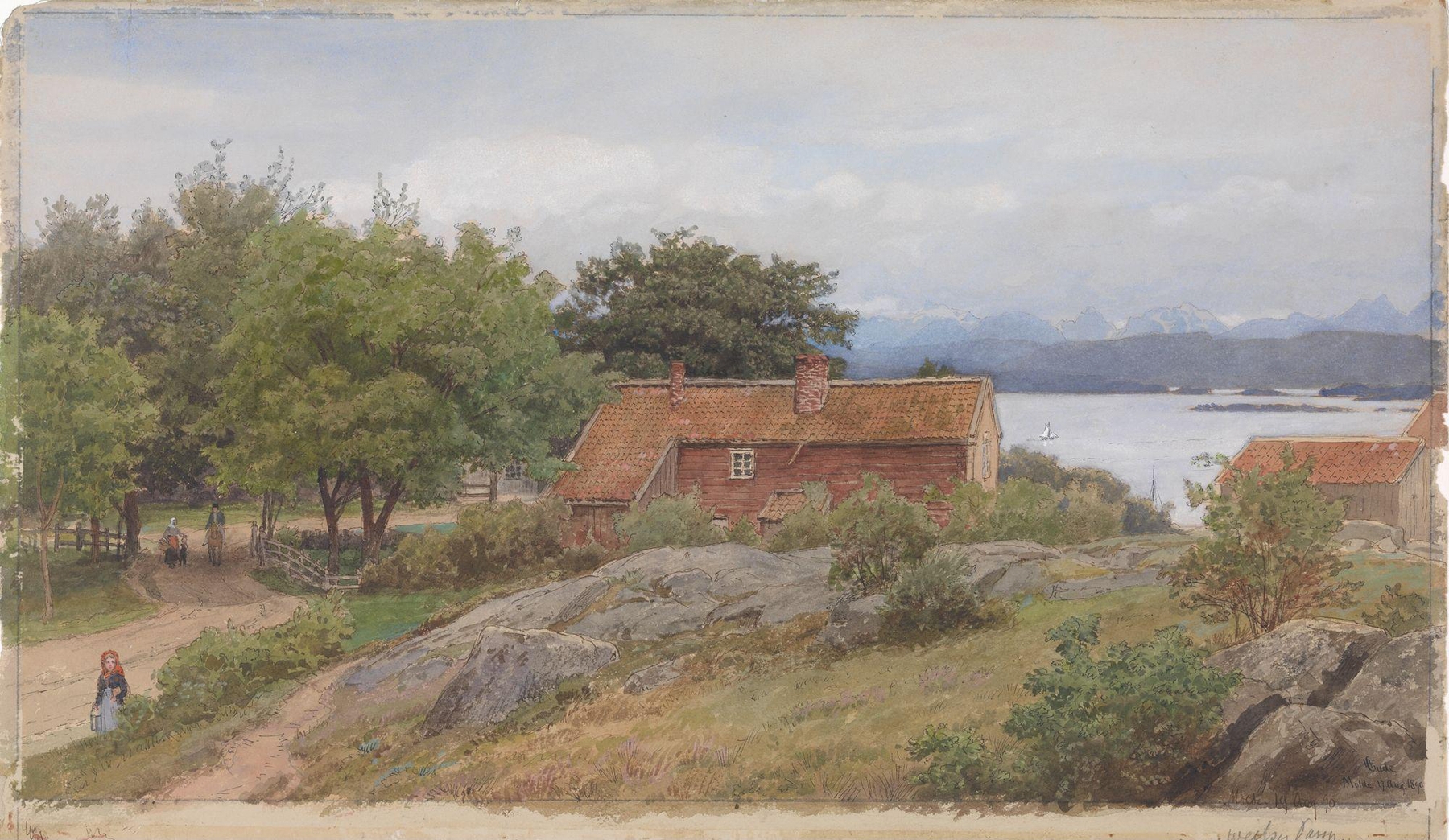
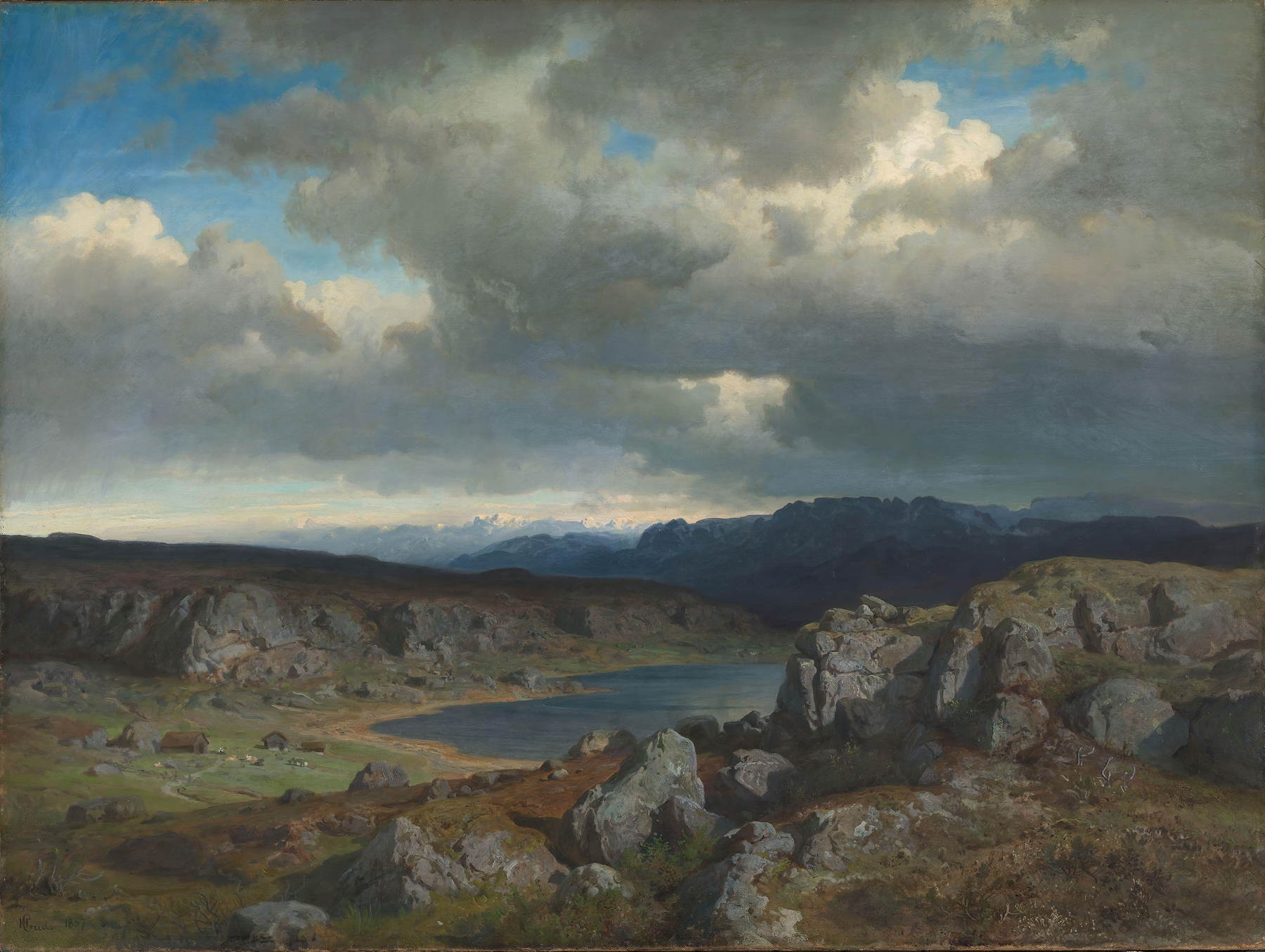
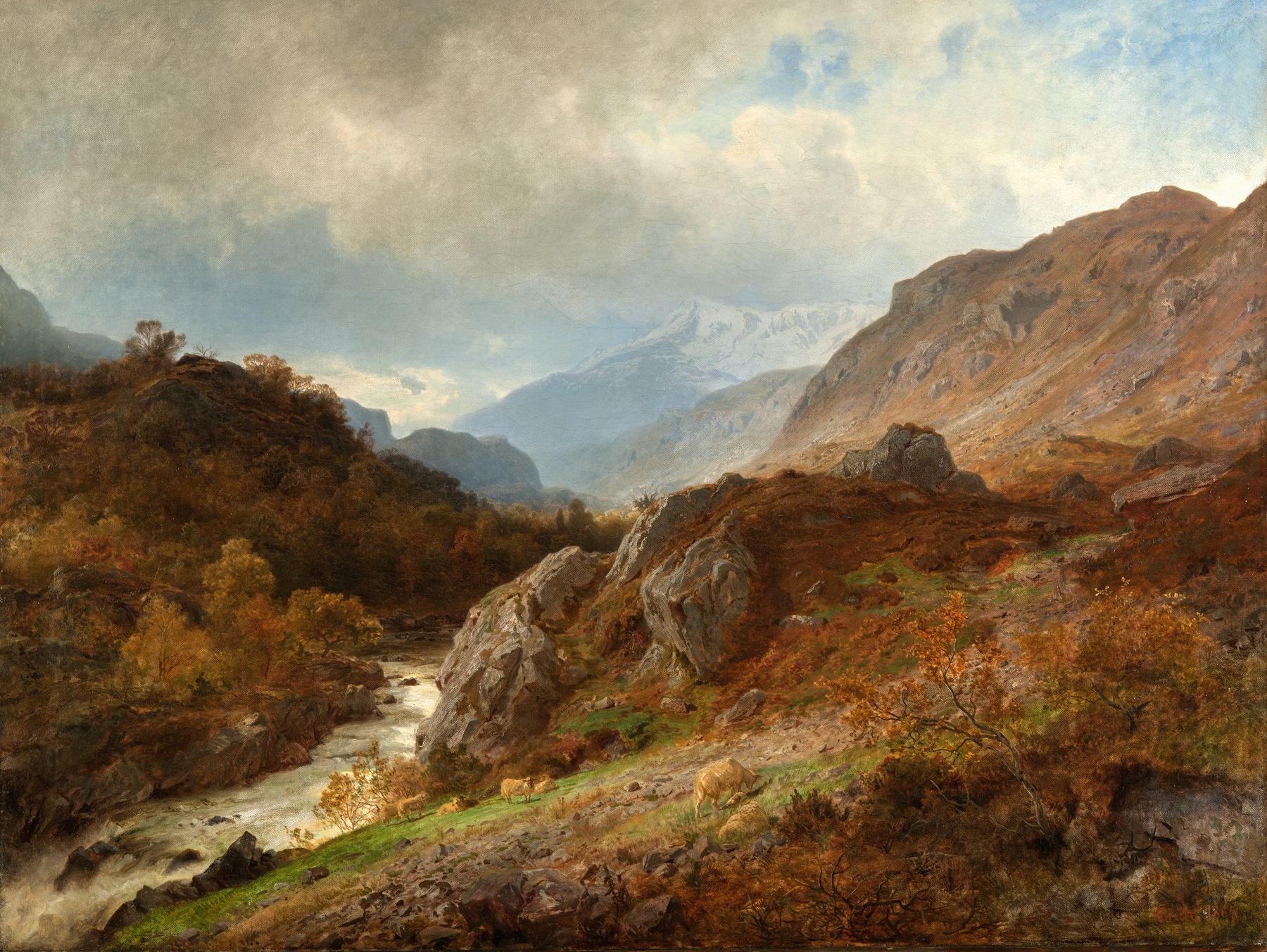
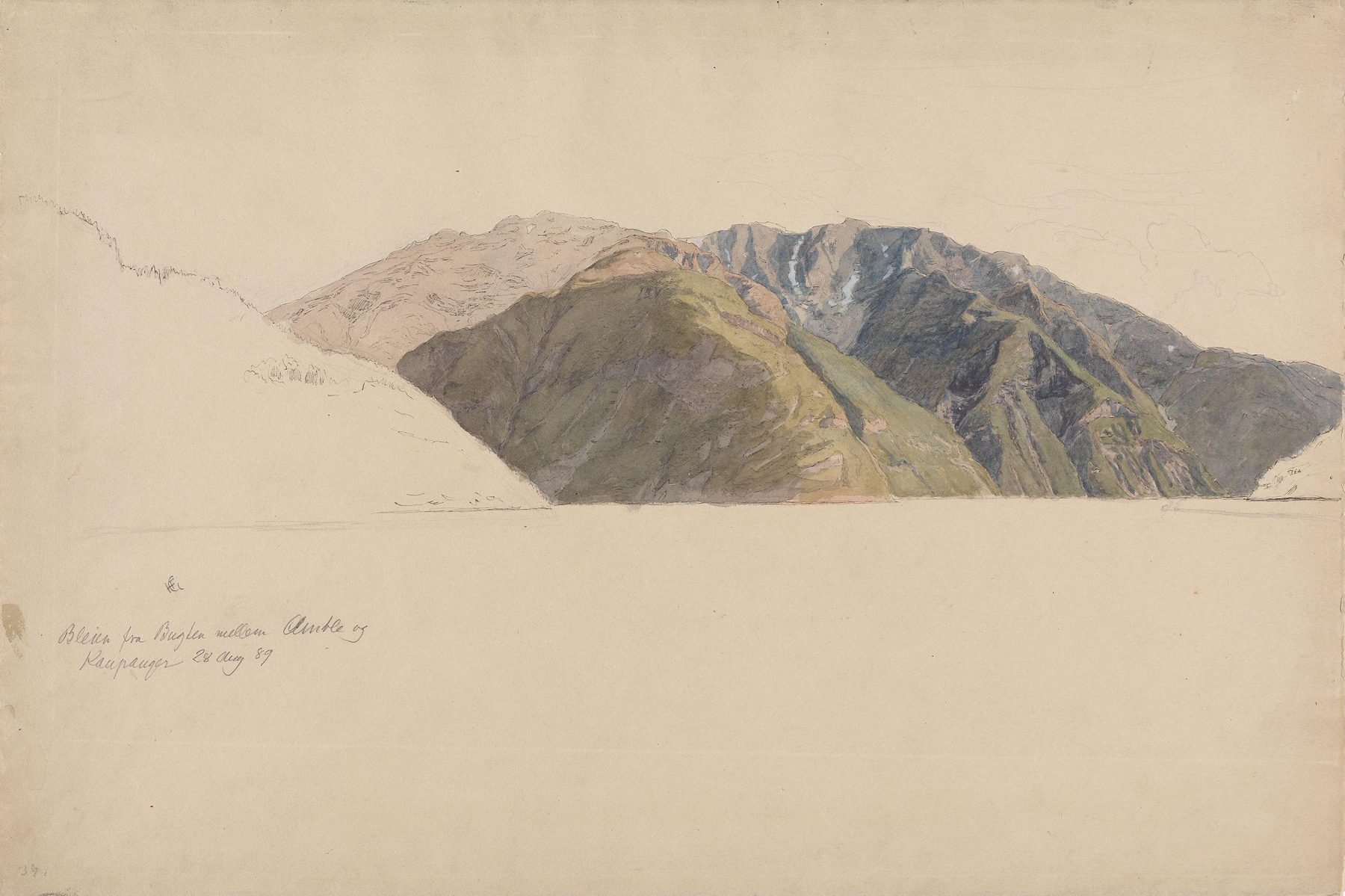
What if silence could speak through light? In The Mountain Bleia by Sognefjorden, the powerful stillness of nature reveals an obsession that transcends mere observation, capturing the essence of a Norwegian landscape where time holds its breath. Look to the left, where the rugged crest of Bleia pierces the sky, its jagged peaks cloaked in a whisper of snow. Notice how the light cascades gently over the mountains, casting deep shadows that play along the valleys below.
The vibrant greens of the foreground contrast with the cool blues of the fjord, inviting the viewer to wander deeper into the scene. The painting’s composition draws the eye upward, creating a sense of grandeur yet maintaining an intimate connection with the viewer. Hidden within this serene tableau are emotional tensions: the stark contrast between the calm surface of the water and the imposing mountains, perhaps a metaphor for the struggle between tranquility and the sublime chaos of nature. The delicate brushwork conveys a palpable sense of longing, as if the artist yearns to communicate his obsession with the raw beauty before him.
Each stroke seems to resonate with a silence that begs to be understood, reflecting both the allure and the isolation of the landscape. Hans Gude painted this work in 1889 during a time when he was deeply engaged with the Romantic ideals of nature. Living in Germany yet influenced by his Norwegian heritage, Gude's work sought to reconcile the beauty of his homeland with the emotional depth of his artistic expression. This period marked a transition in the art world, as artists began to explore more personal connections to their subjects, moving beyond mere representation to encapsulate a deeper resonance within the viewer.