The Sycamores — History & Analysis
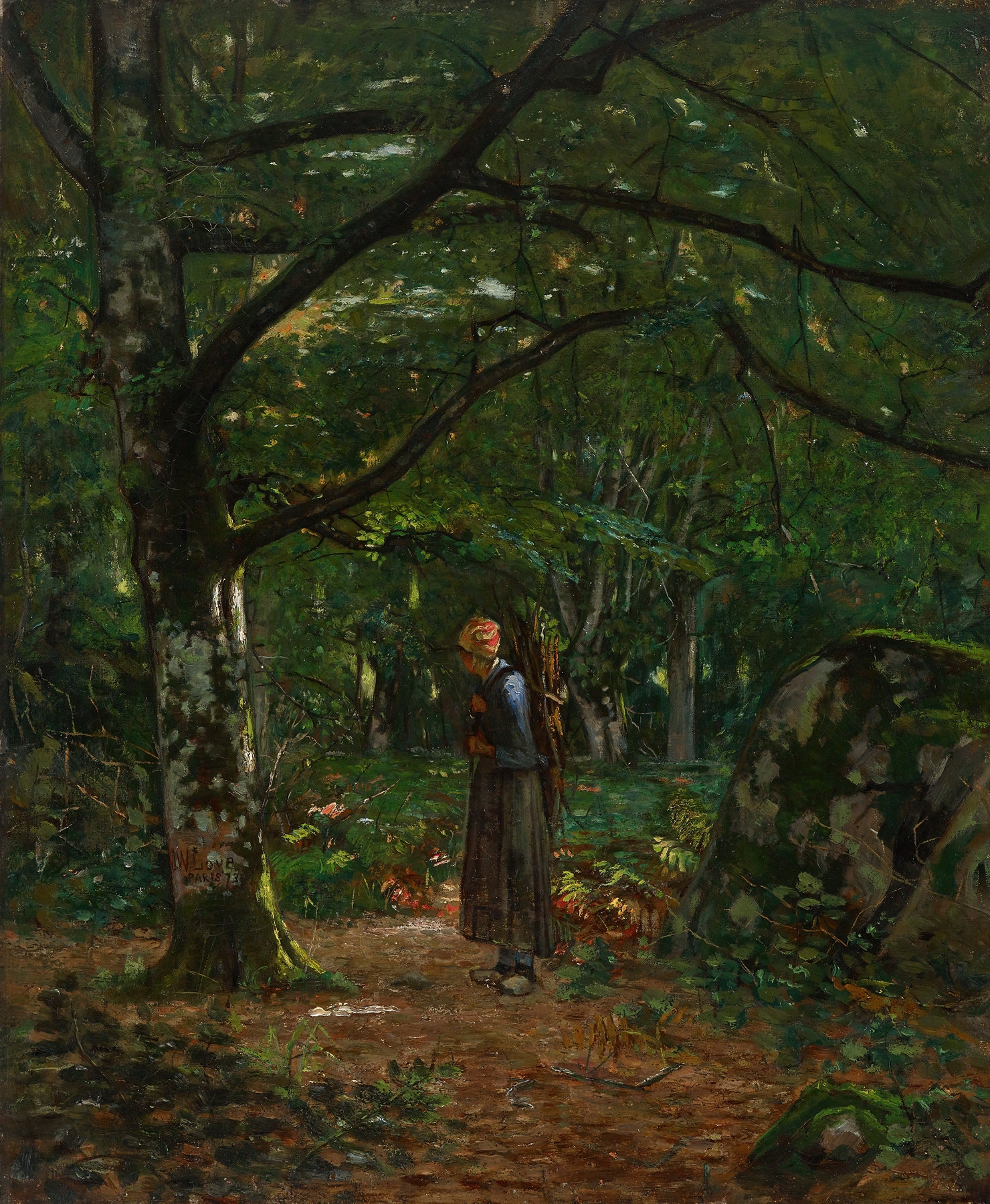
“Under the brush, chaos becomes grace.” In The Sycamores, the vast emptiness of nature invites contemplation, drawing the viewer into a tranquil yet profound stillness. Look to the center of the canvas, where the majestic sycamore trees rise with unwavering strength against a serene backdrop. Notice how the light filters through the leaves, dappling the ground with gentle patches of warmth. The artist’s deft brushwork captures the intricate textures of bark and foliage, while subtle hues of green and gold evoke a sense of harmony.
The composition guides the eye upward, revealing a delicate interplay of shadow and light that emphasizes the trees’ towering presence. Beneath the surface, the painting reveals a tension between solitude and connection. The empty space surrounding the trees speaks to isolation, yet their grandeur offers a reminder of resilience. Each leaf, swaying softly in an unseen breeze, whispers secrets of endurance and quiet strength, inviting viewers to reflect on their own moments of solitude amidst the chaos of life.
This duality transforms the landscape from mere scenery into a mirror of human experience. During 1878, John Washington Love found inspiration in the natural world around him, painting primarily in Ohio. At this time, America was in the throes of industrial growth, and many artists sought solace in nature as a counterpoint to urban expansion. This work embodies Love’s dedication to capturing the tranquility of the American landscape, serving as a poignant reminder of the beauty that persists even in isolation.