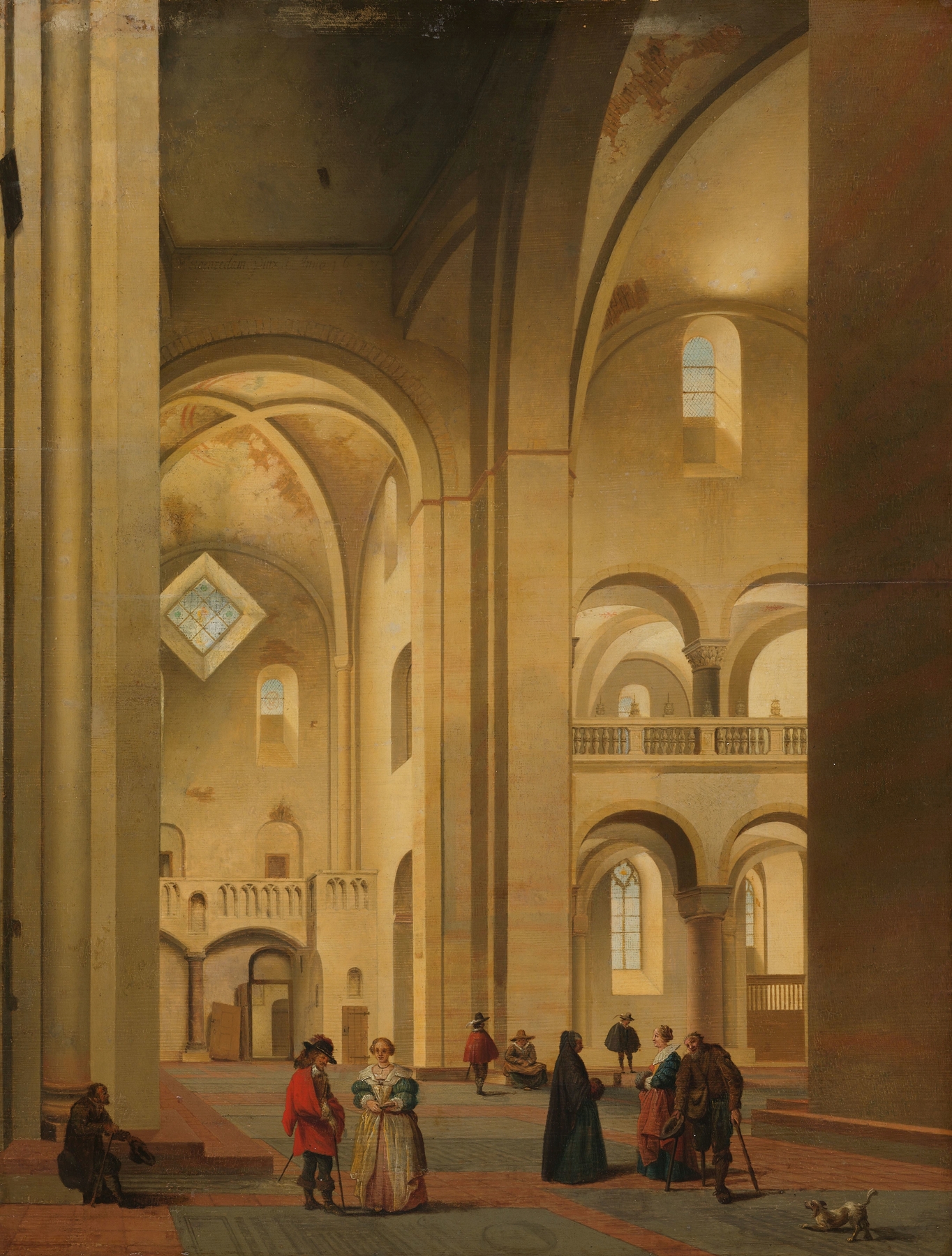
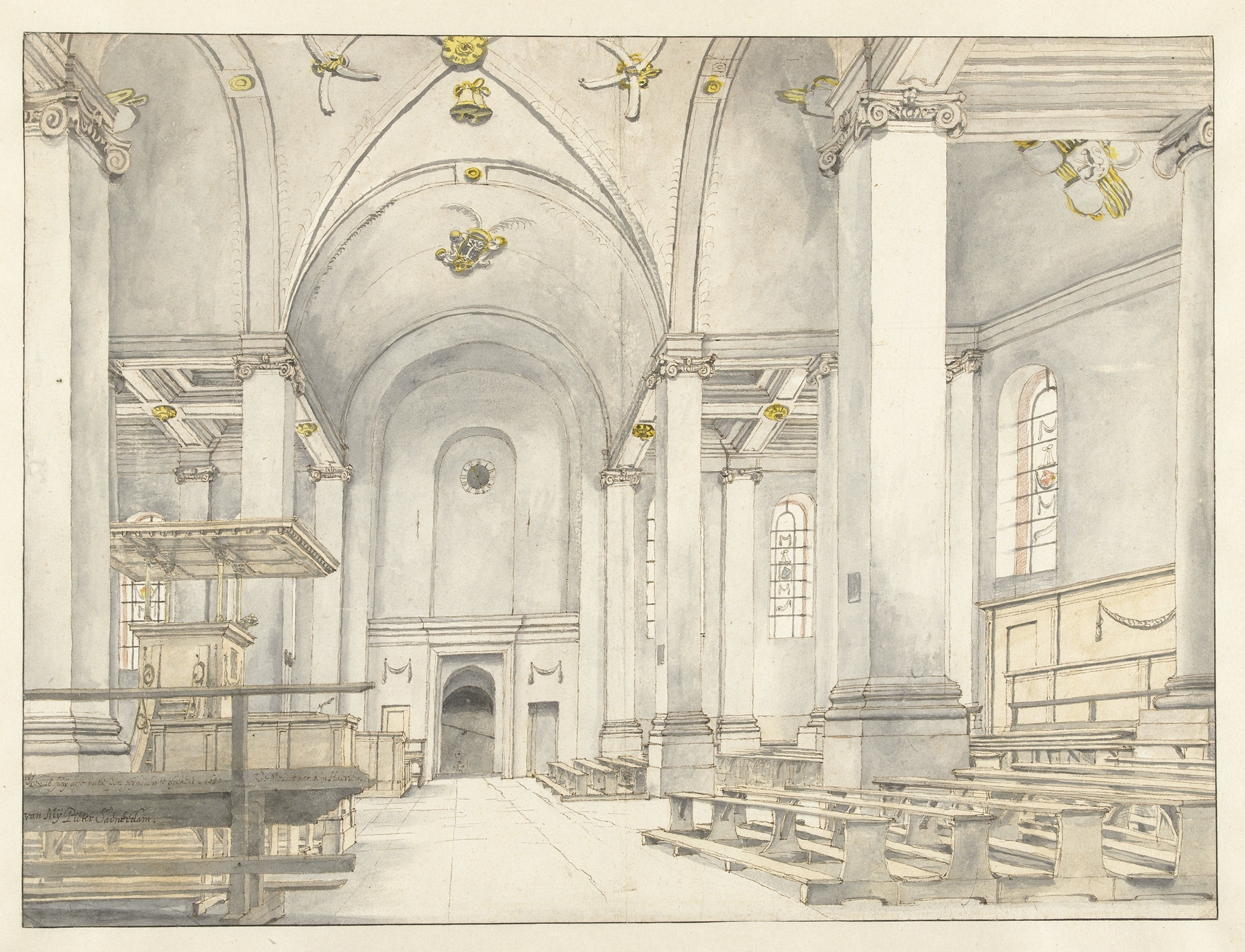
The westernmost bays of the south aisle of the Mariakerk in Utrecht — History & Analysis
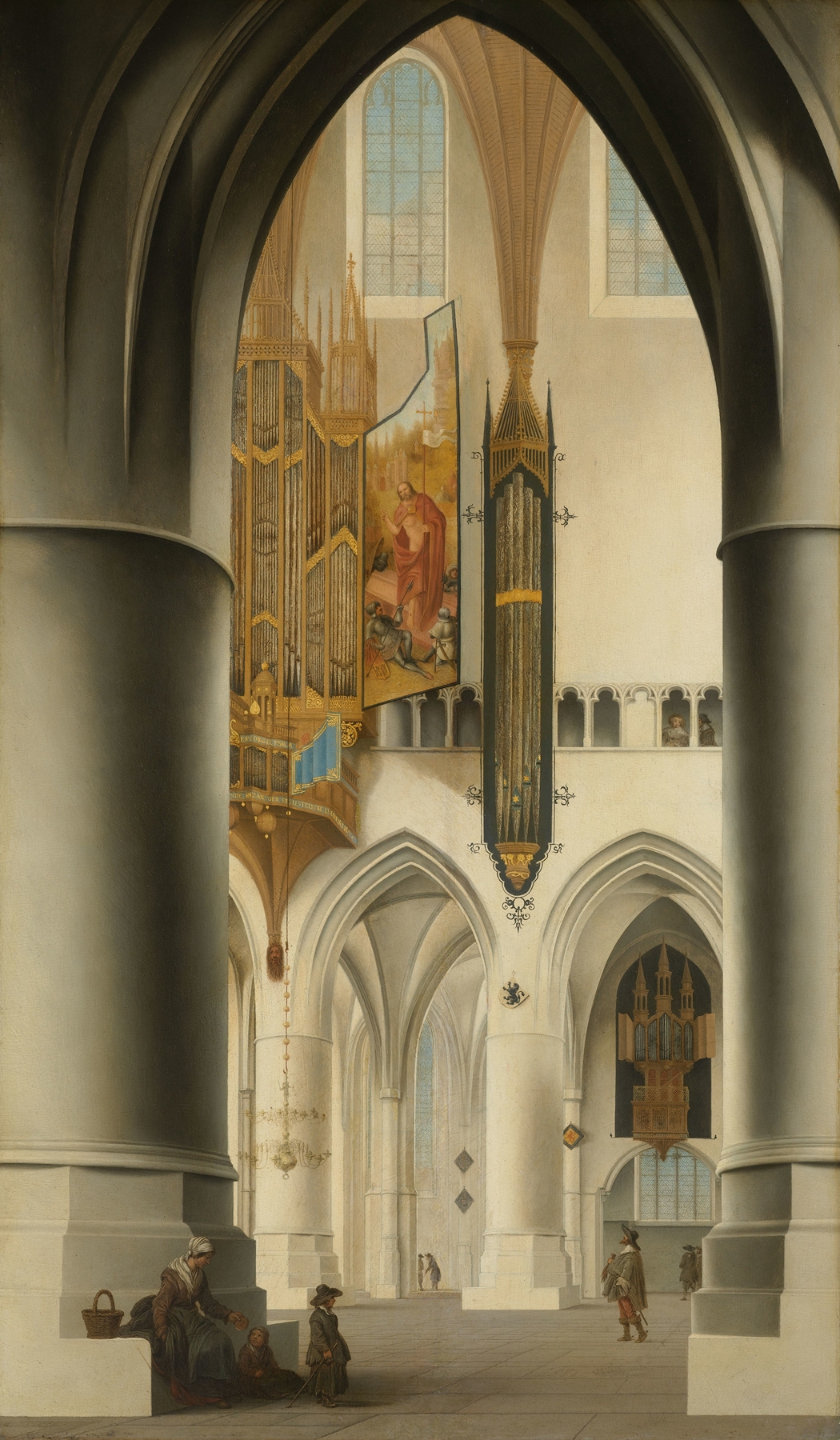
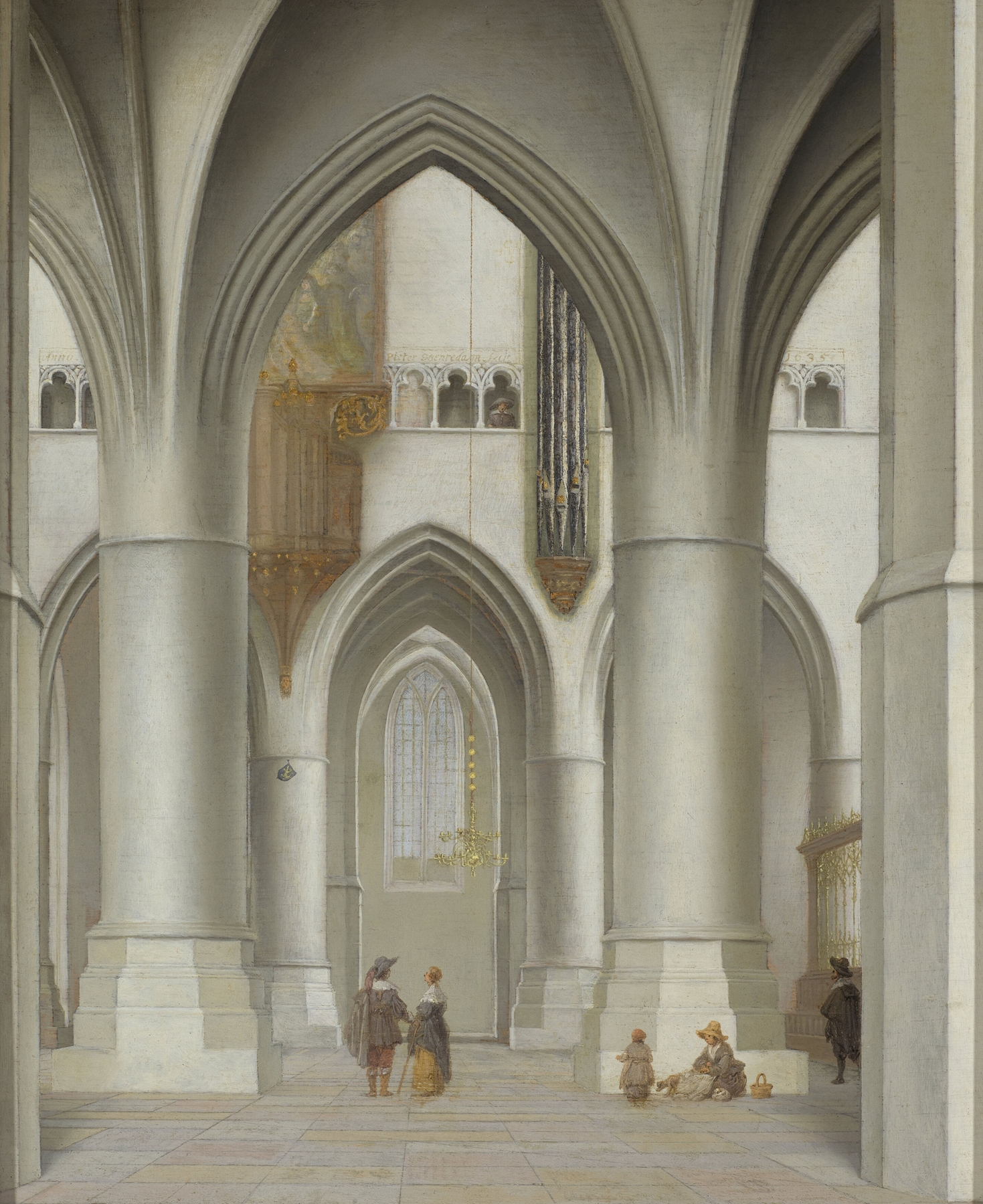
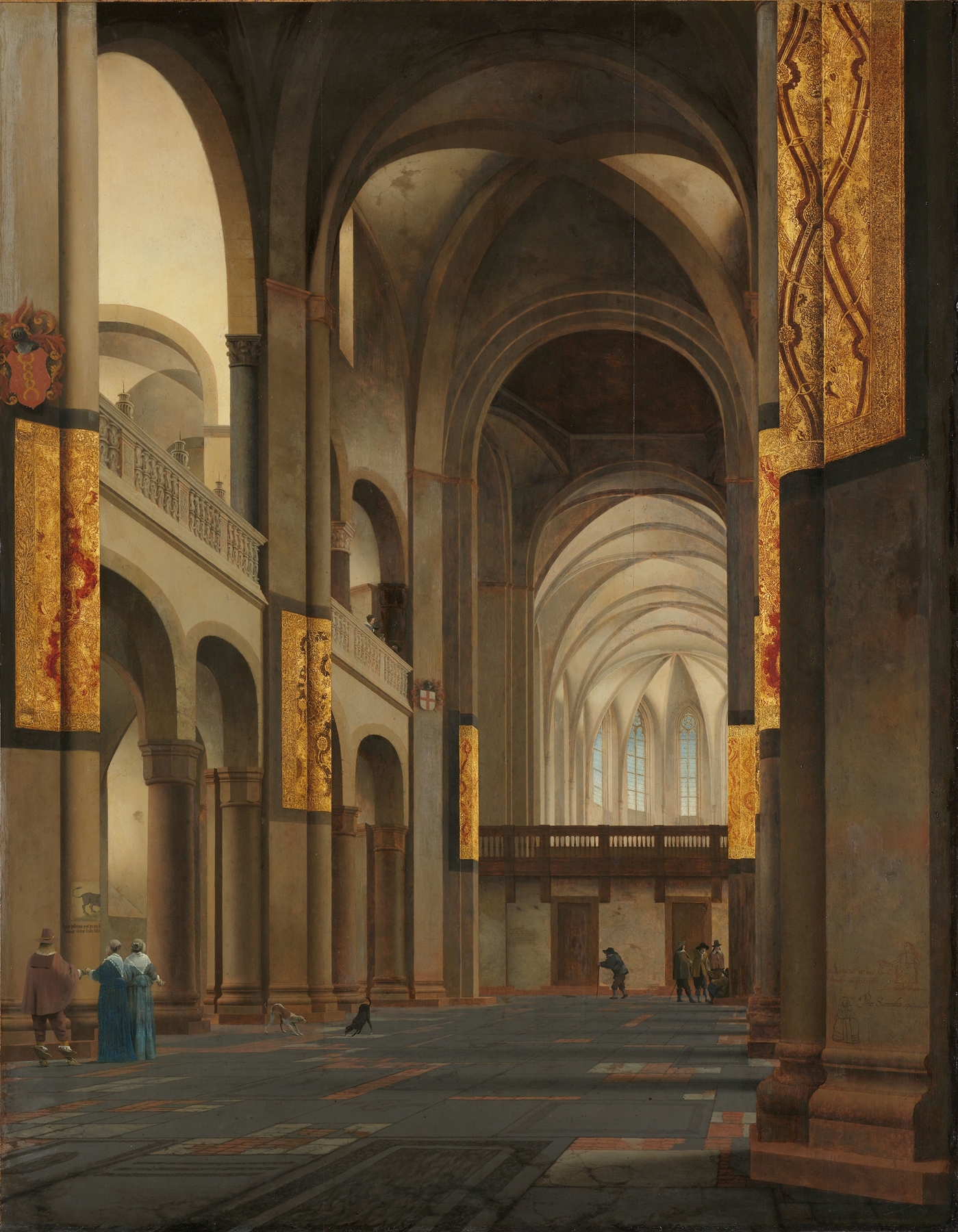
What if beauty was never meant to be finished? In the stillness of sacred space, a tension simmers beneath the meticulous lines and soft light of a church interior, whispering tales of both creation and decay. Look to the left at the intricate columns, their sturdy forms rising gracefully towards the vaulted ceiling, leading the eye into a realm of ethereal light filtering through ornate stained glass. Notice how the pale hues in the windows cast gentle splashes of color upon the stone floor, inviting a serene interplay of shadows that dance across the composition.
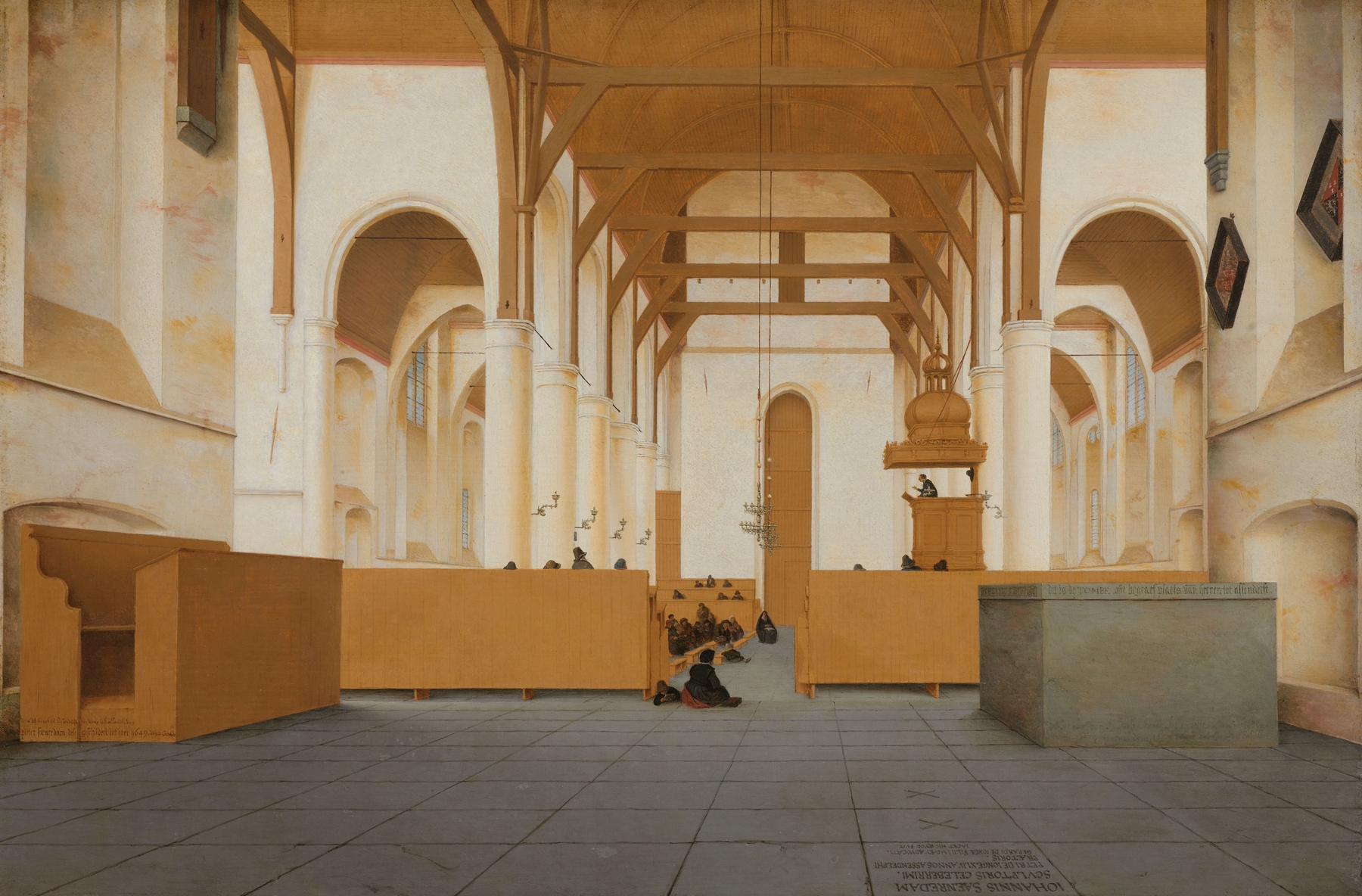
The artist’s precise brushwork captures not only the architecture but also the delicate balance between solidity and transience, forging a connection between the divine and the earthly. However, beneath this serene façade lies a deeper resonance. The juxtaposition of the architectural grandeur against the silence of the empty pews suggests an absence that speaks to loss and violence—a subtle reminder of the turbulent history that often shadows places of worship.
This tension is palpable, hinting at the fragility of existence, where beauty can emerge from chaos, and the sacred can be marred by human sorrow. In the early 1640s, Saenredam meticulously rendered this scene in Utrecht, at a time when the Dutch Reformation was reshaping religious spaces, stripping them of ornate decorations. The artist's focus on the architecture reflects both his devotion to detail and his personal struggles, as he sought to convey the majesty of faith in an age marked by conflict and the transition of artistic expression.