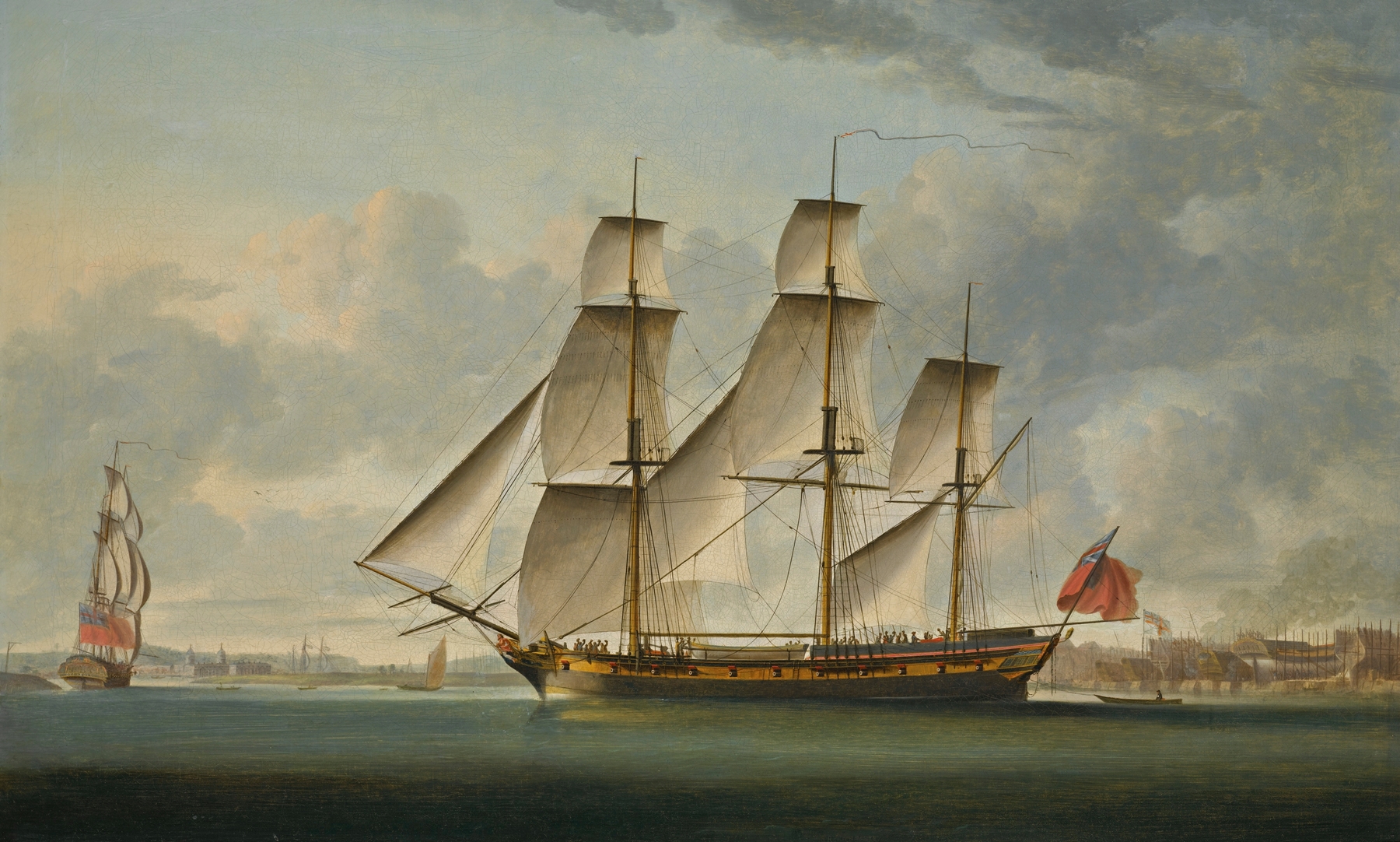
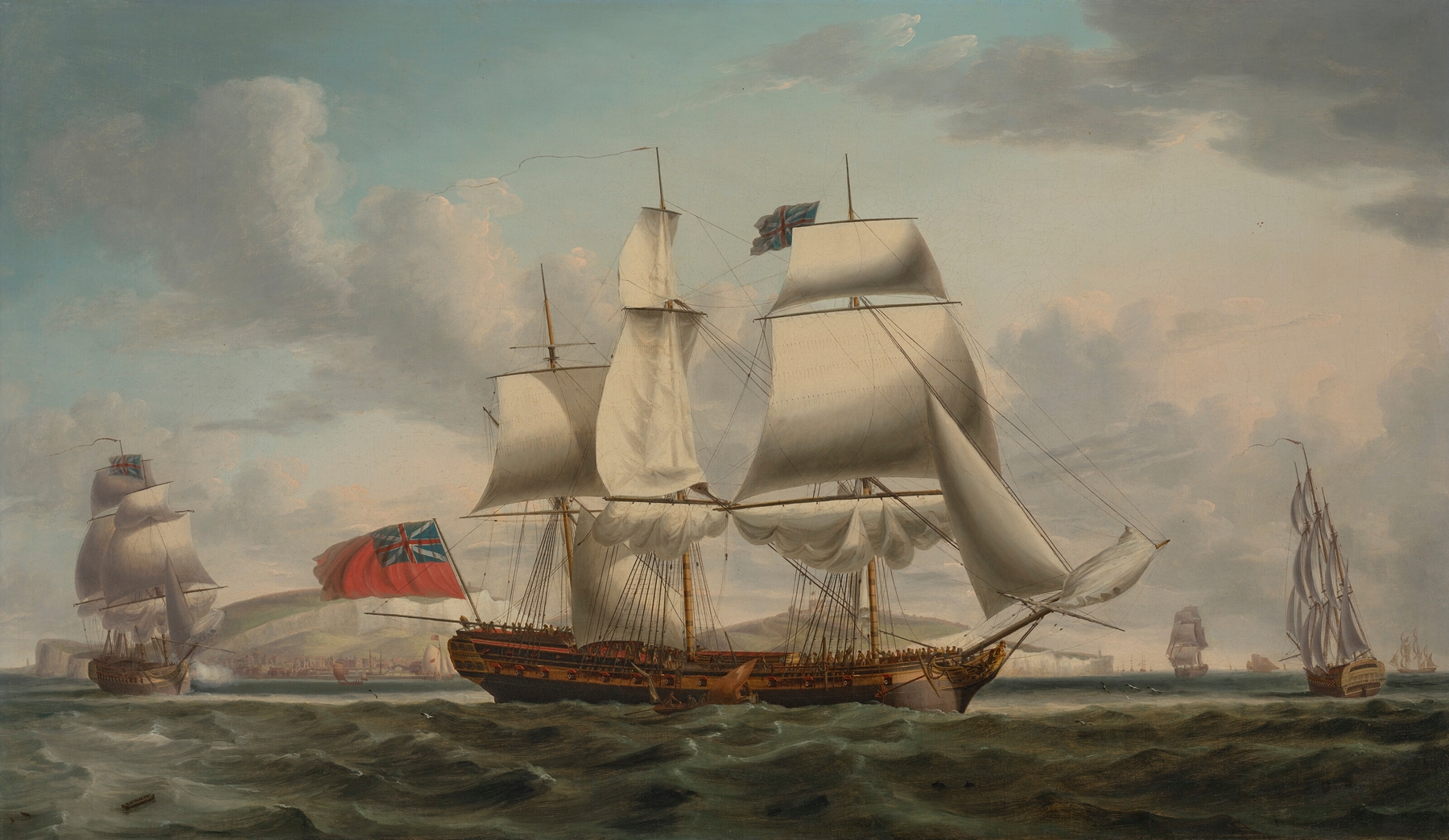
Three Views of ‘Amity Hall’ With a View of Dover and the White Cliffs — History & Analysis
Could a single brushstroke hold eternity? In Three Views of ‘Amity Hall’ With a View of Dover and the White Cliffs, a world unfolds where the tranquil beauty of nature belies an undercurrent of betrayal that echoes through time. Look to the left at the vibrant green meadows, their vivid hues contrasting sharply against the soft blue skies. Notice how the artist employs delicate brushwork to capture the interplay of light and shade, creating a sense of depth that invites you to wander through the painted landscape.
The composition is meticulously divided into three distinct views, each revealing a fragment of the larger whole — a clever technique that emphasizes the multifaceted nature of perception and experience. The juxtaposition between the idyllic scenery and the distant, ominous cliffs hints at hidden tensions. As you explore the painting, observe the figures at the foreground, seemingly engaged in cheerful conversation. Their gestural language, however, contains an unsettling tension, whispering secrets of unvoiced emotions and perhaps betrayal among friends.
The White Cliffs of Dover stand sentinel in the background, a metaphor for the fragility of loyalty and the inevitability of change, suggesting that even the most serene environments can harbor unseen fissures. Robert Dodd created this work in the late 18th century, during a period marked by mounting political tensions and a shifting cultural landscape in England. As an artist deeply influenced by the Romantic movement, he sought to capture not only the beauty of the British countryside but also the complexities of human emotion and connection. In this piece, he invites viewers to contemplate the fine line between friendship and treachery, as well as the lasting impact of time on both nature and relationships.