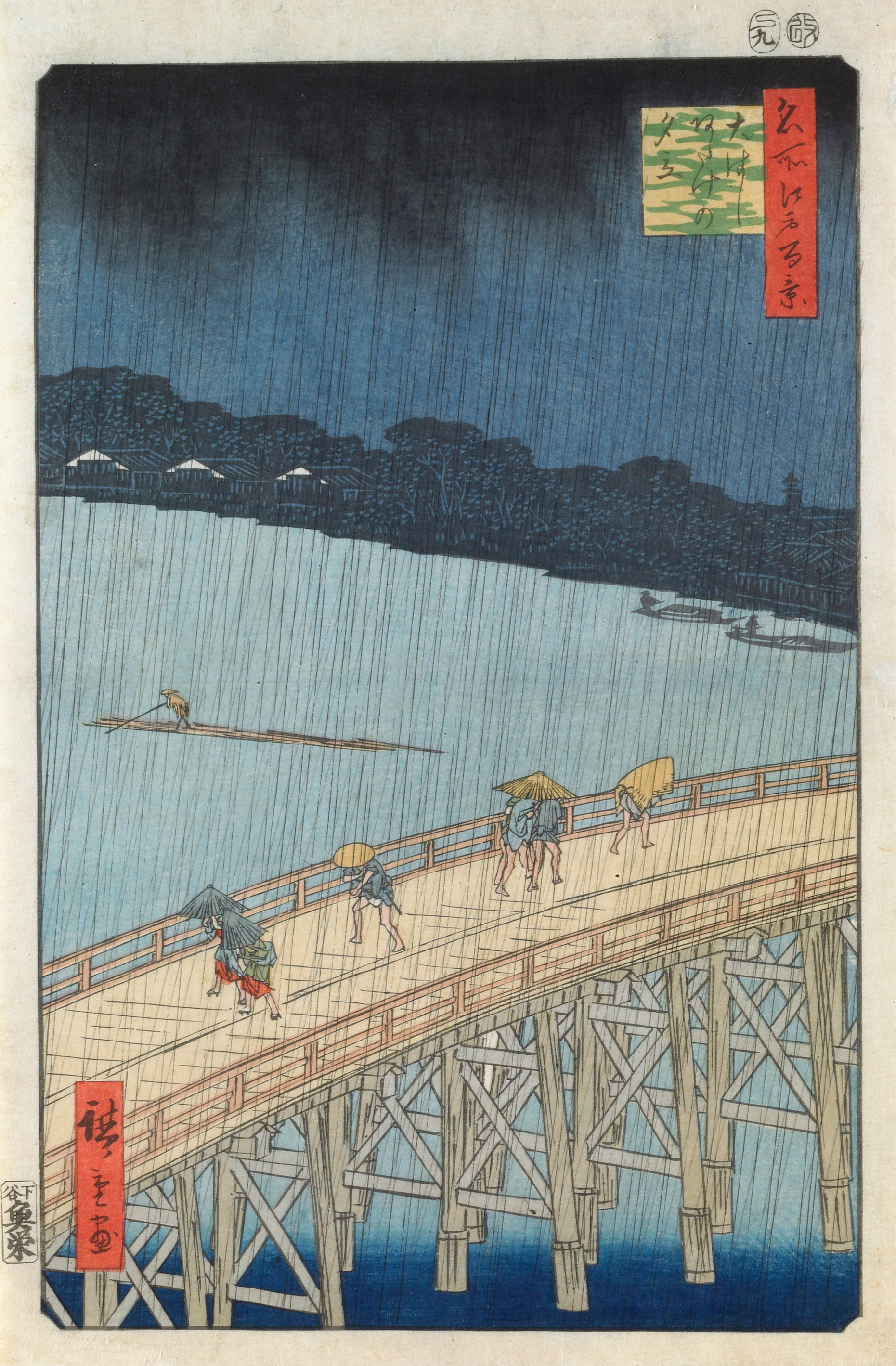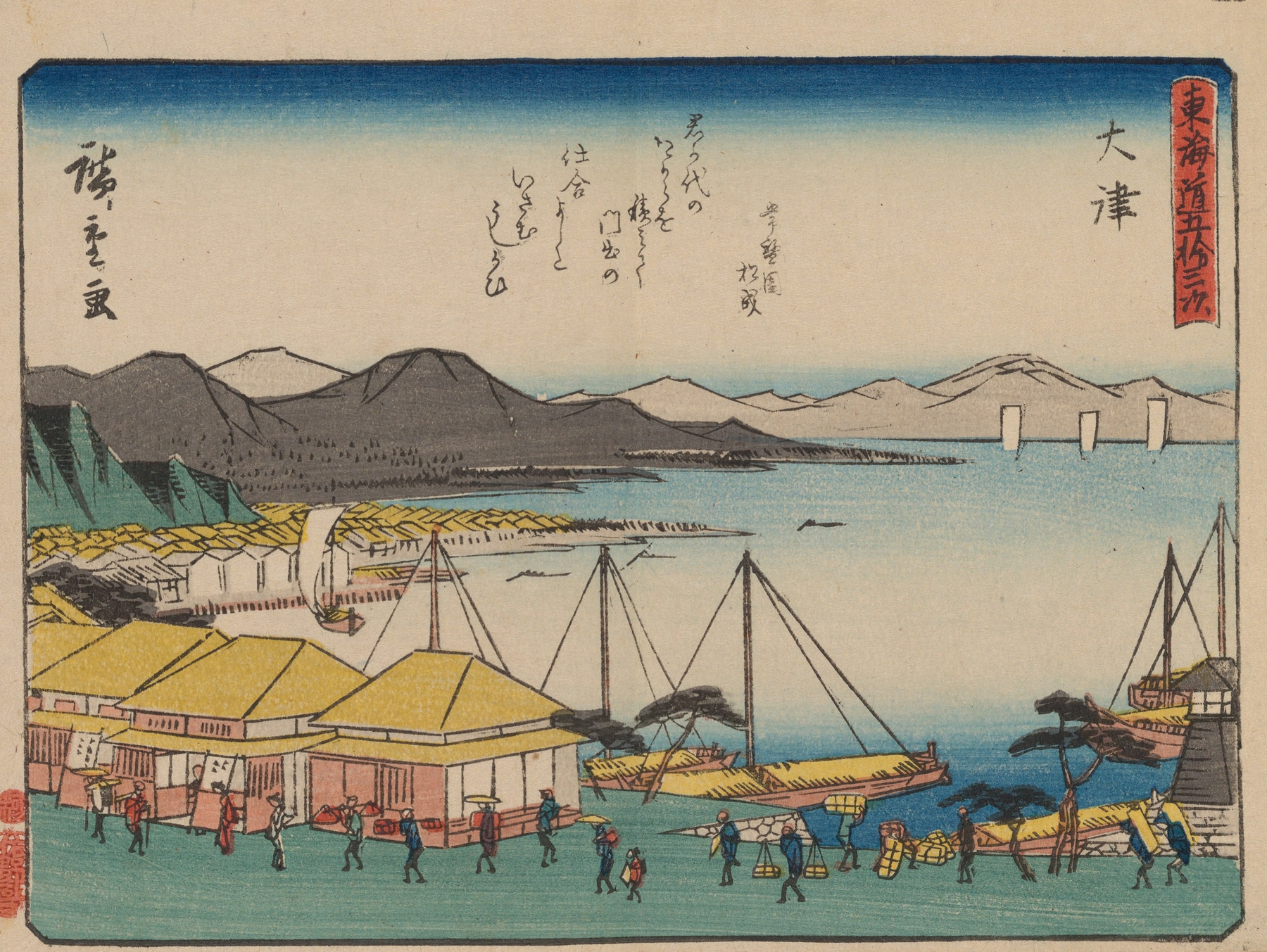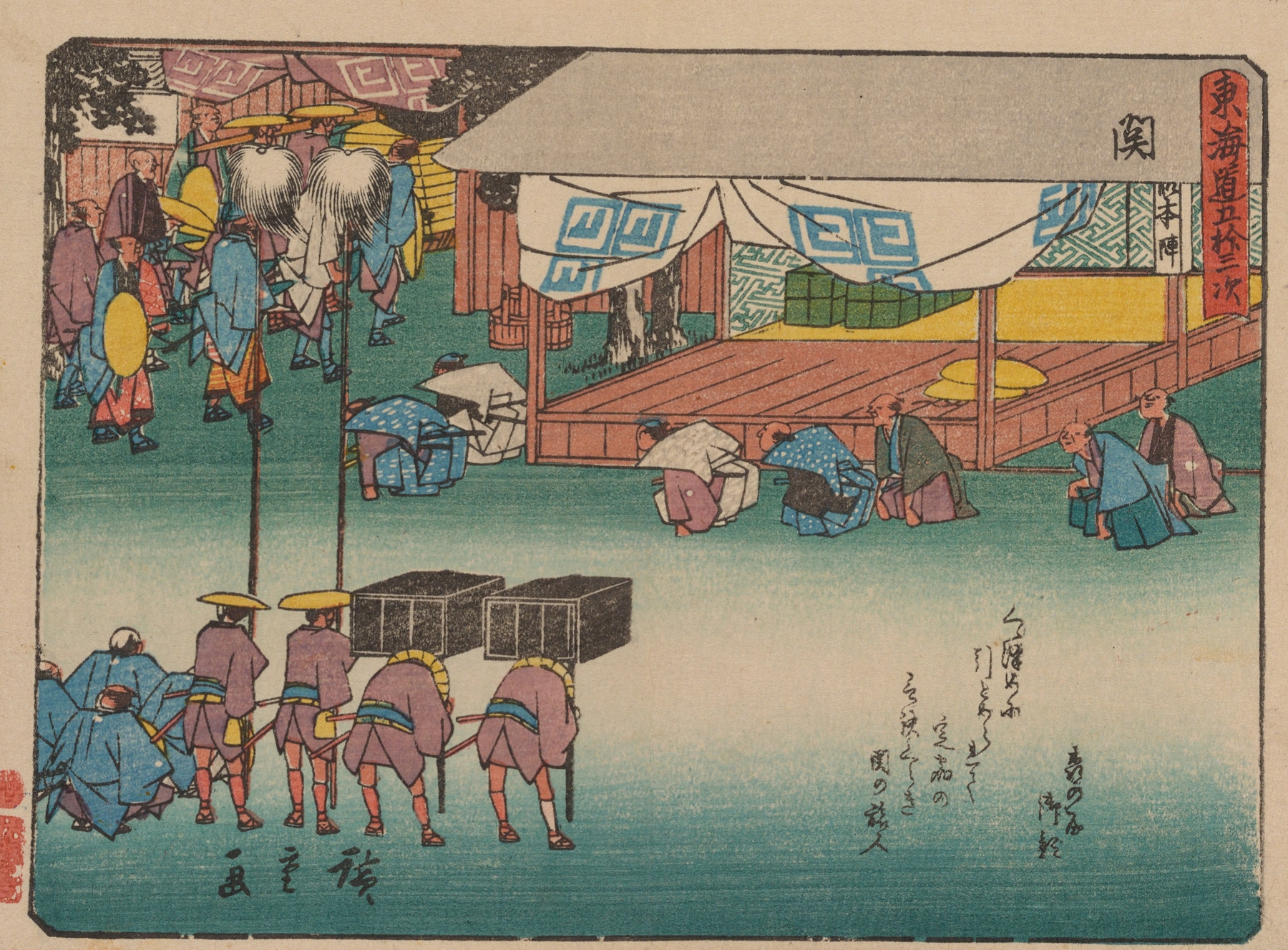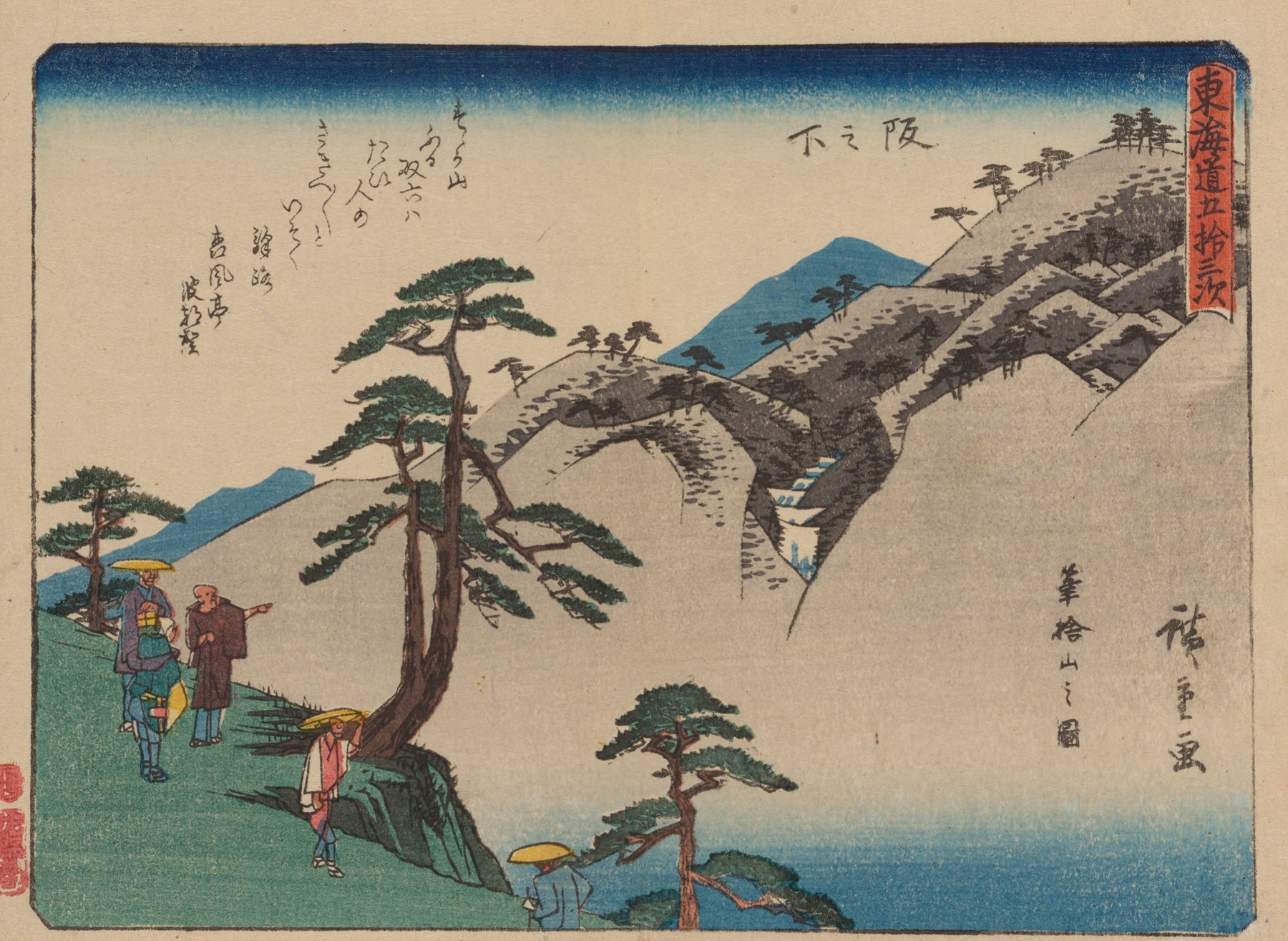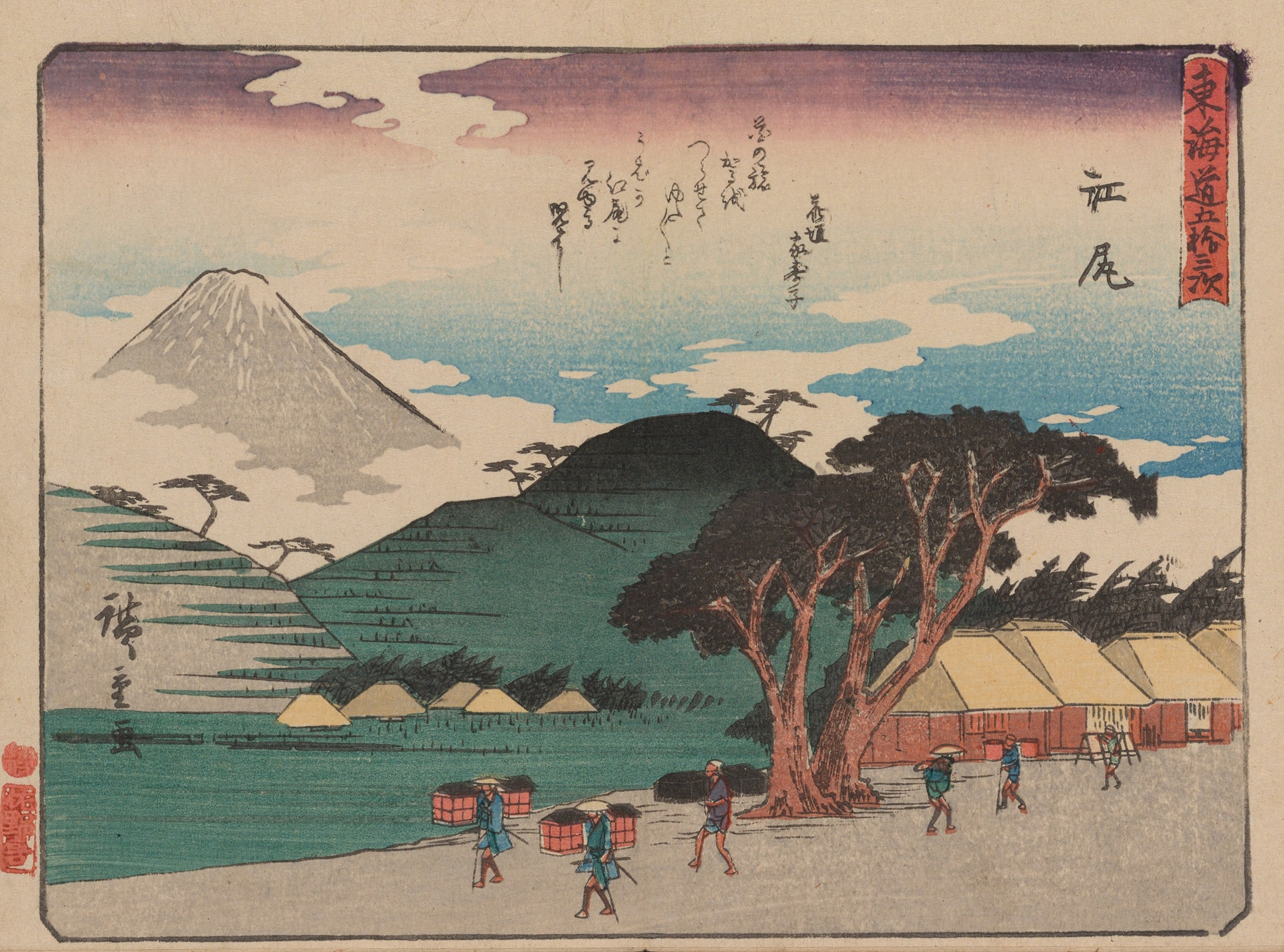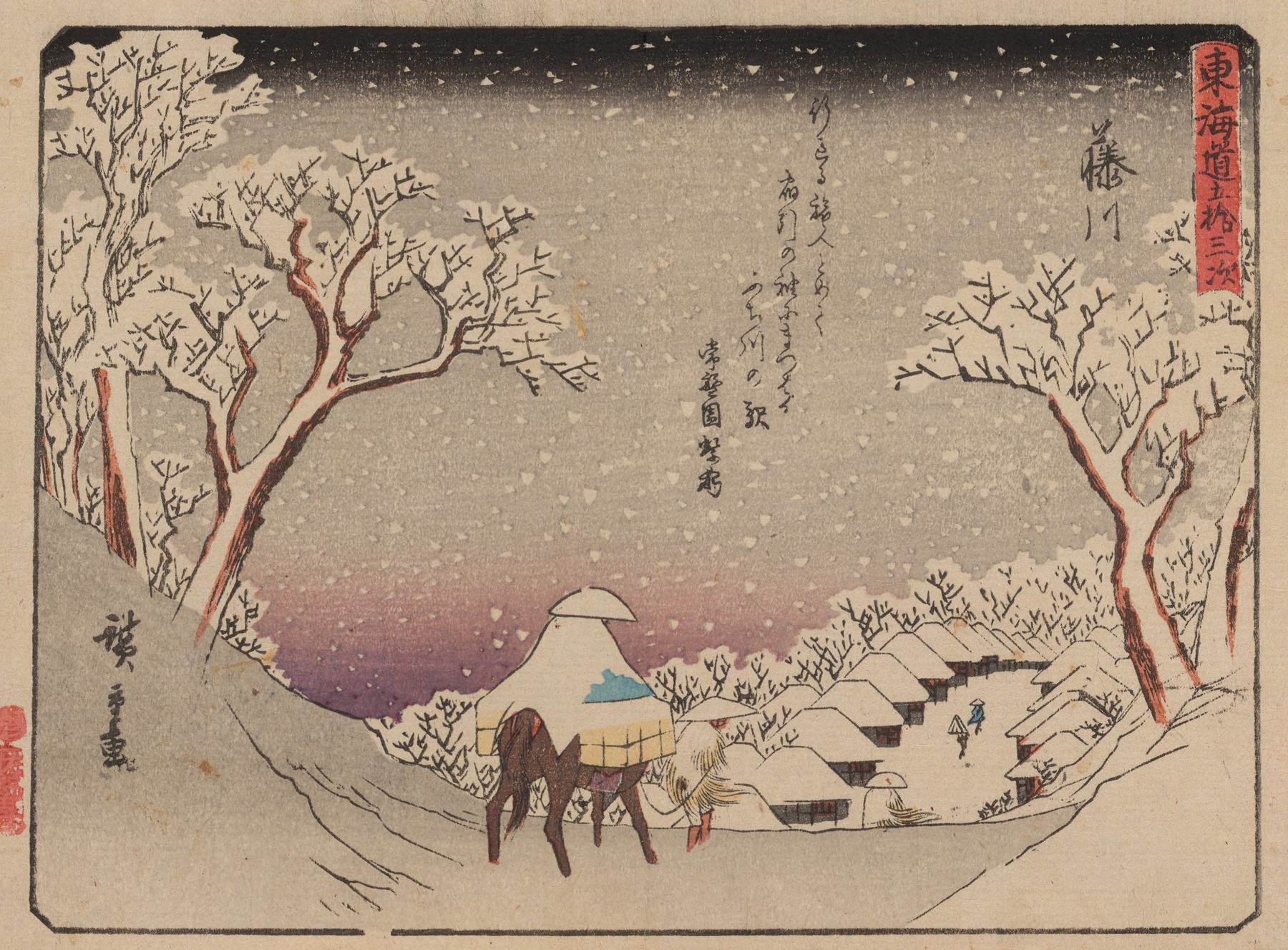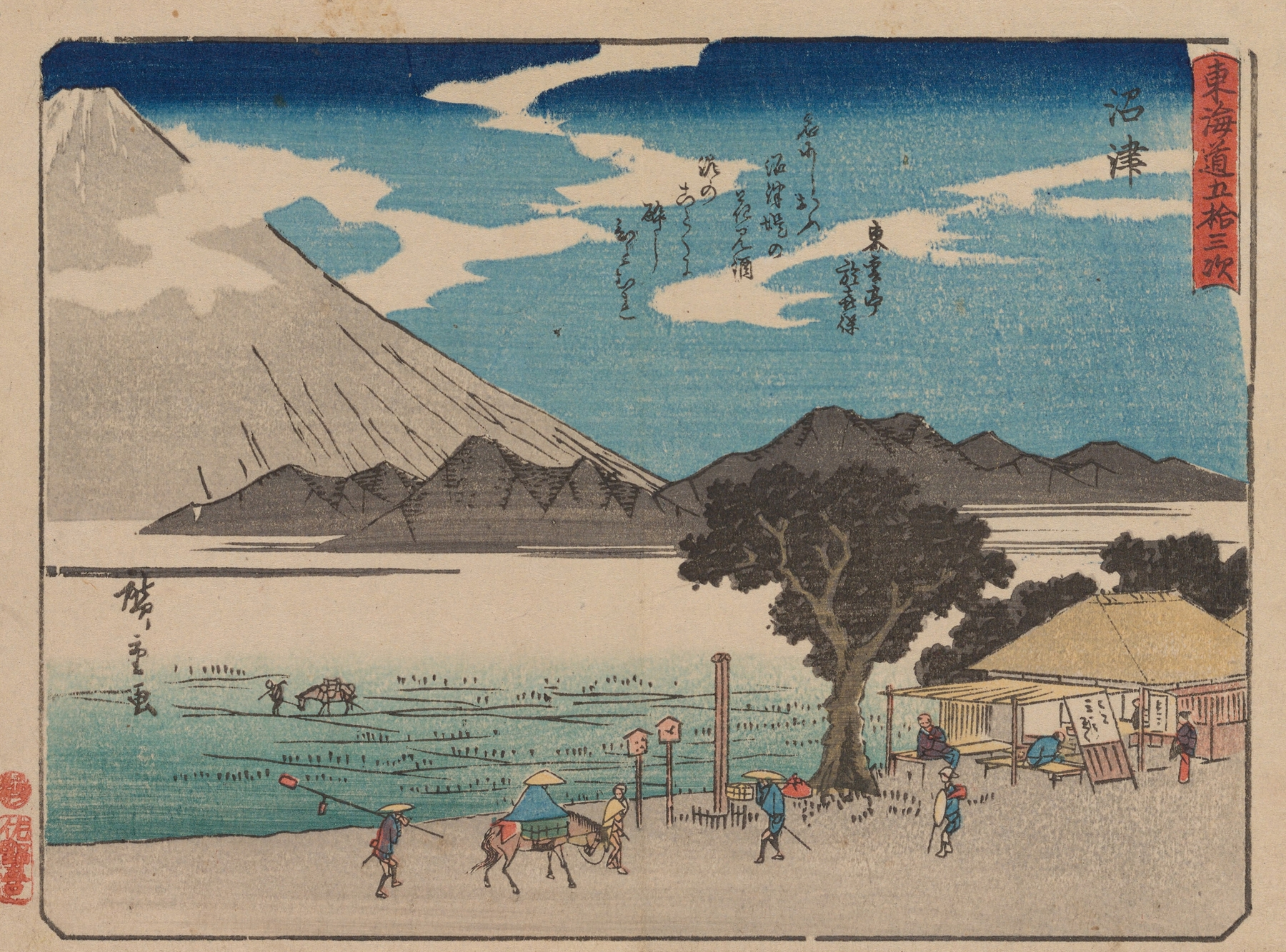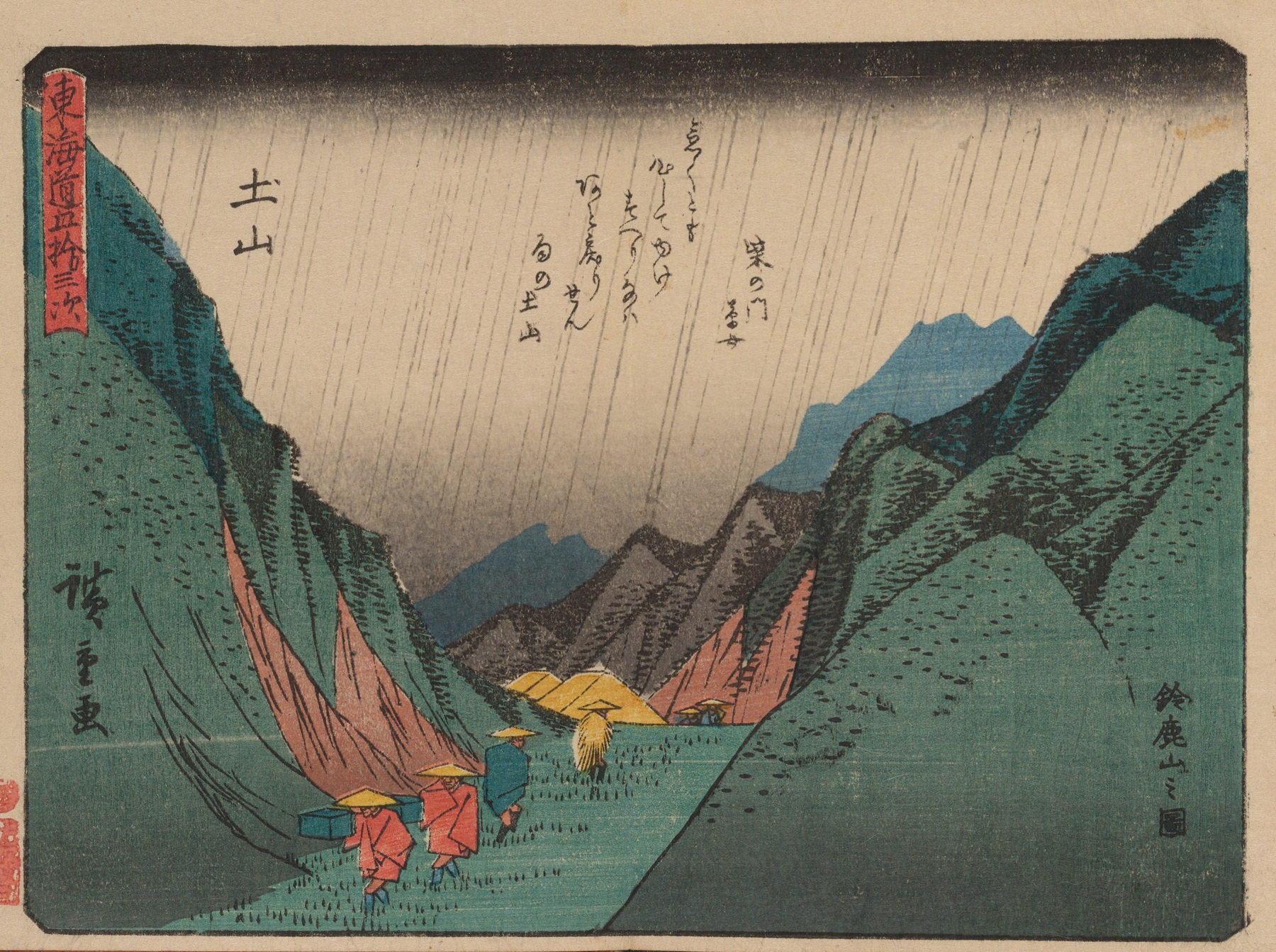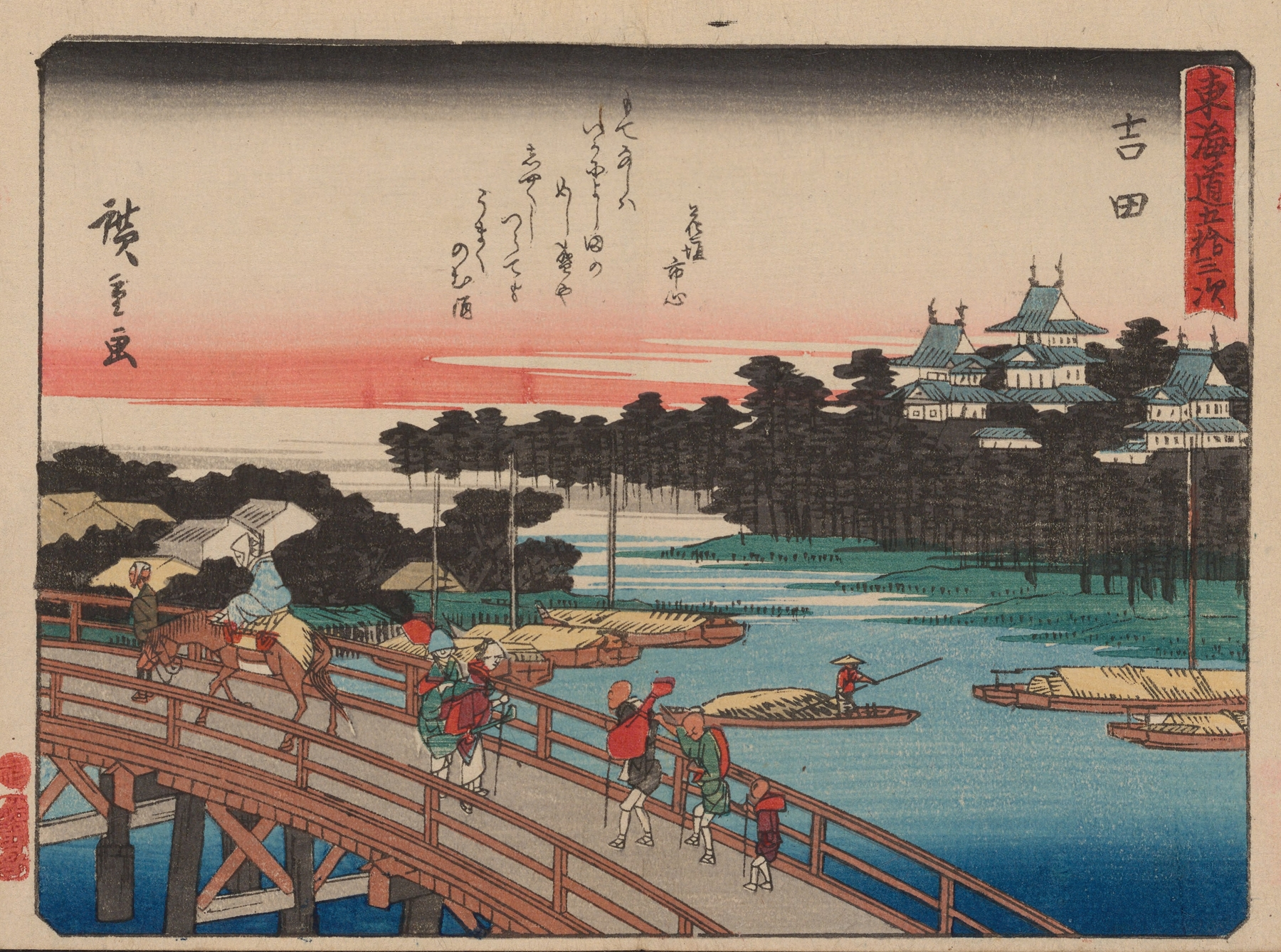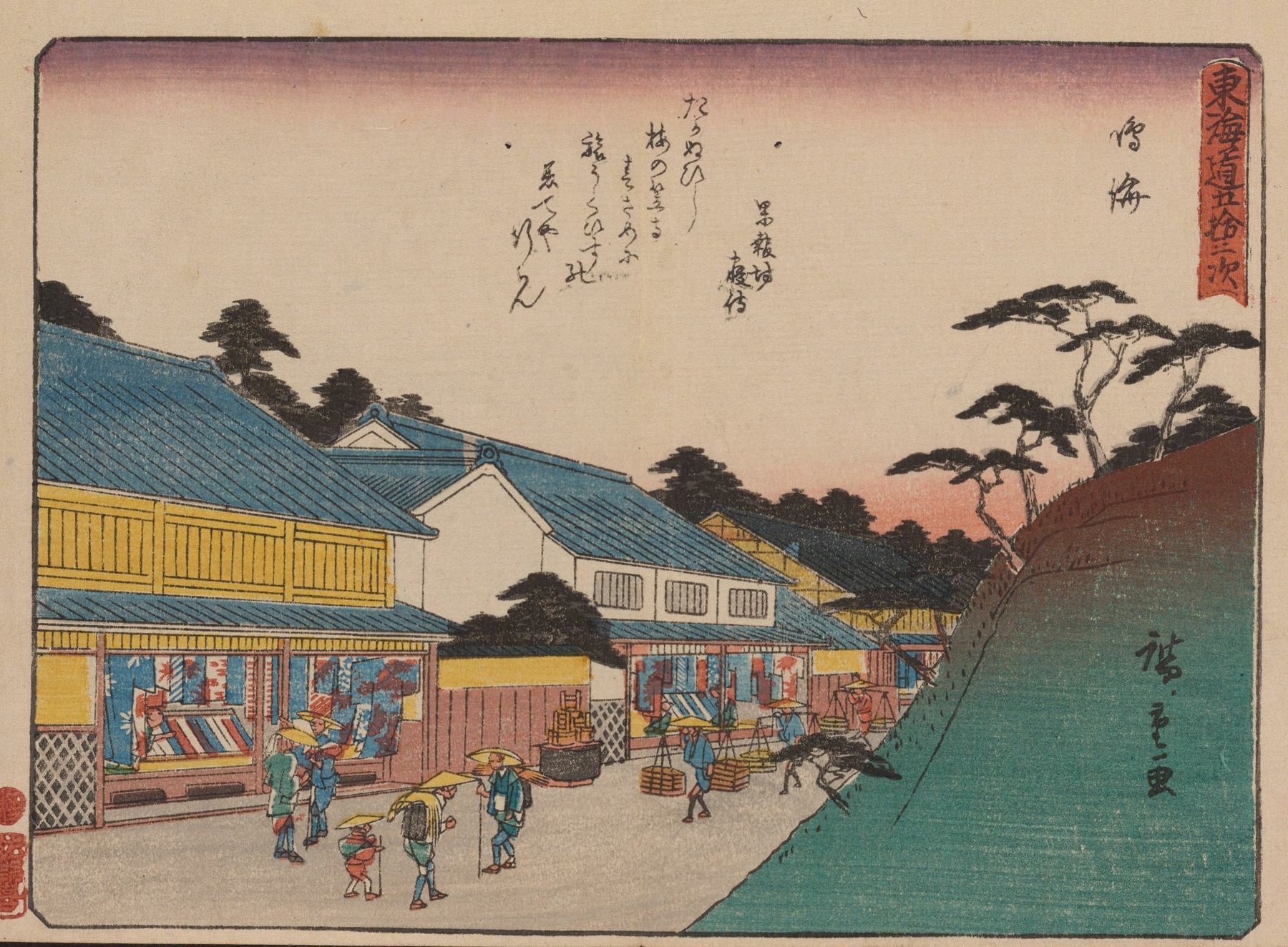

Could beauty survive in a century of chaos? This question resonates deeply within the tranquil yet profound essence of the artwork. It invites the viewer to explore a dreamlike journey through time and space, where the serenity of nature intertwines with the echoes of a turbulent era. Focus on the undulating hills that gracefully cradle the foreground, their gentle slopes painted in soft hues of green and blue. Notice how the delicate wash of color captures the essence of twilight, each gradient evoking the fading light of day. The distant mountains loom with majesty, their peaks kissed by a mist that blurs the lines between reality and imagination. It's as if the landscape whispers stories of both peace and strife, urging us to look deeper. Hidden within the composition are layers of meaning—each traveler depicted carries a narrative, representing the human spirit's resilience against hardship. The juxtaposition of the serene landscape against the figures moving through it hints at the transient nature of life itself, where each journey is steeped in both hope and uncertainty. The harmonious blend of colors and shapes embodies the ideal of Ukiyo-e, a fleeting world both beautiful and ephemeral, suggesting that dreams persist even amid chaos. Created during a time of significant political and cultural shift in Japan, this piece was borne out of Hiroshige's fascination with the landscapes along the Tōkaidō Road. From 1868 to 1912, he witnessed the fight for modernization while drawing inspiration from the natural world around him. This work stands as a testament to the artist's ability to capture not only the beauty of his surroundings but also the resilient spirit of a nation navigating profound change.