Une Journée Chaude Au Caire — History & Analysis
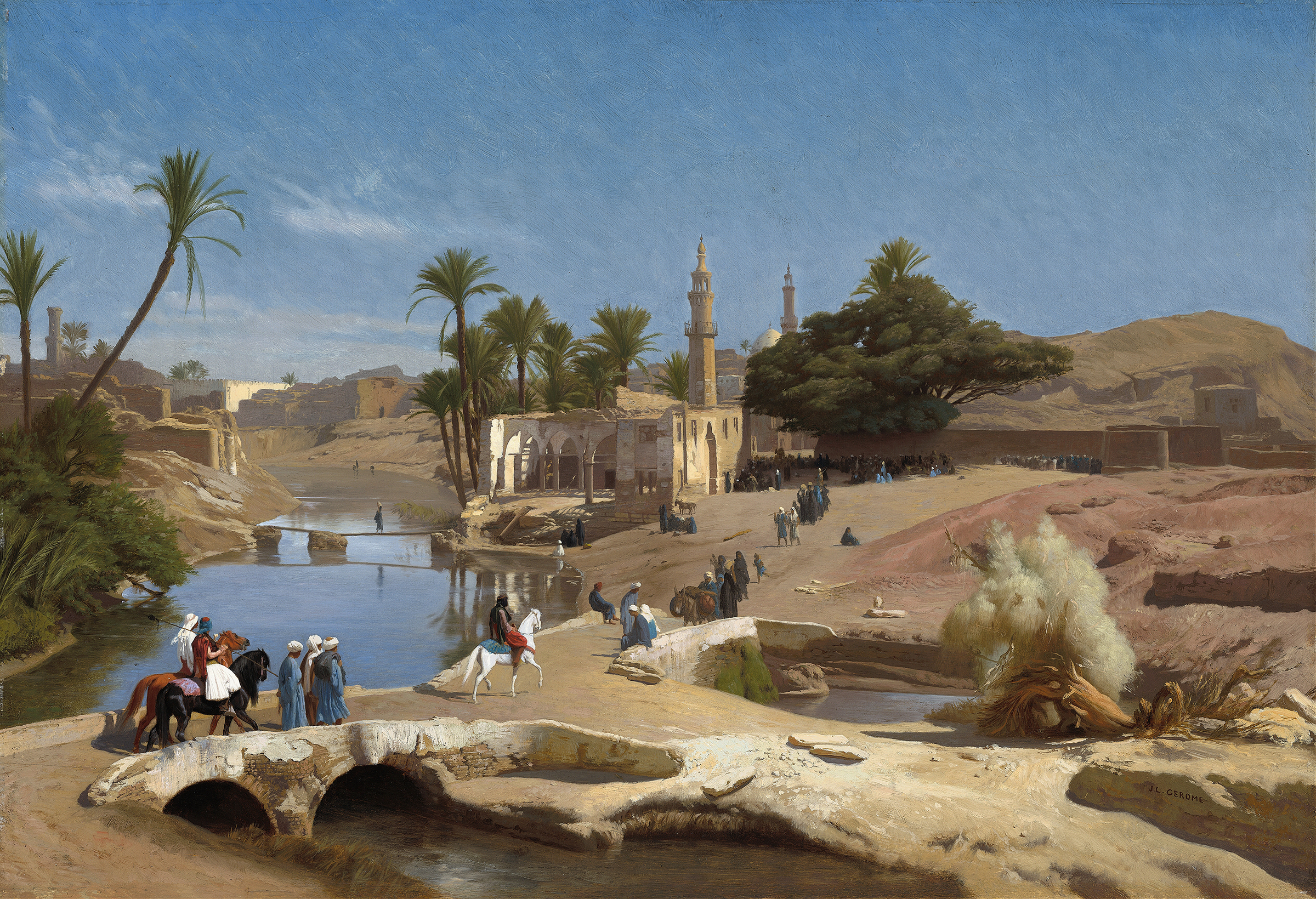
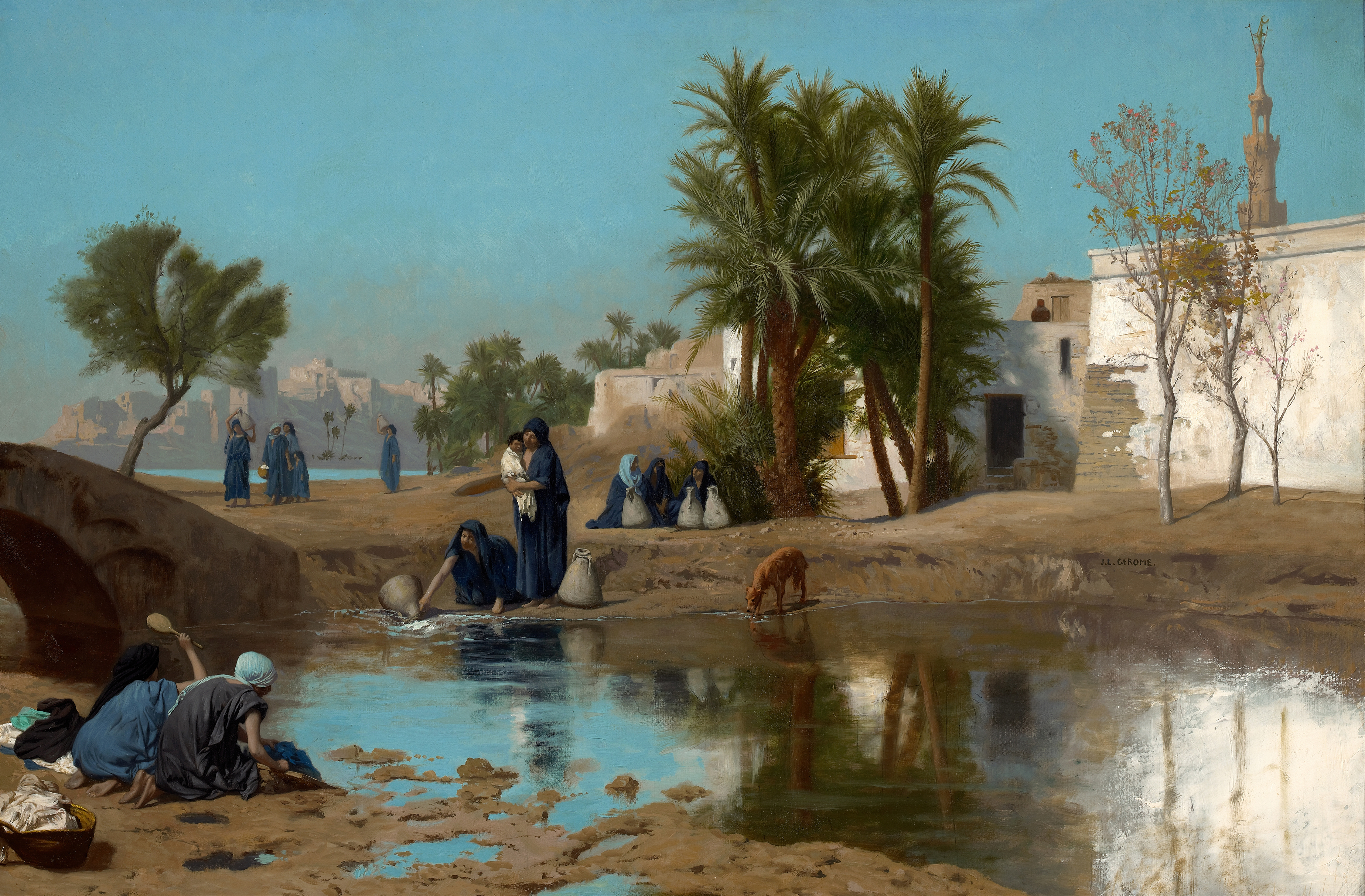
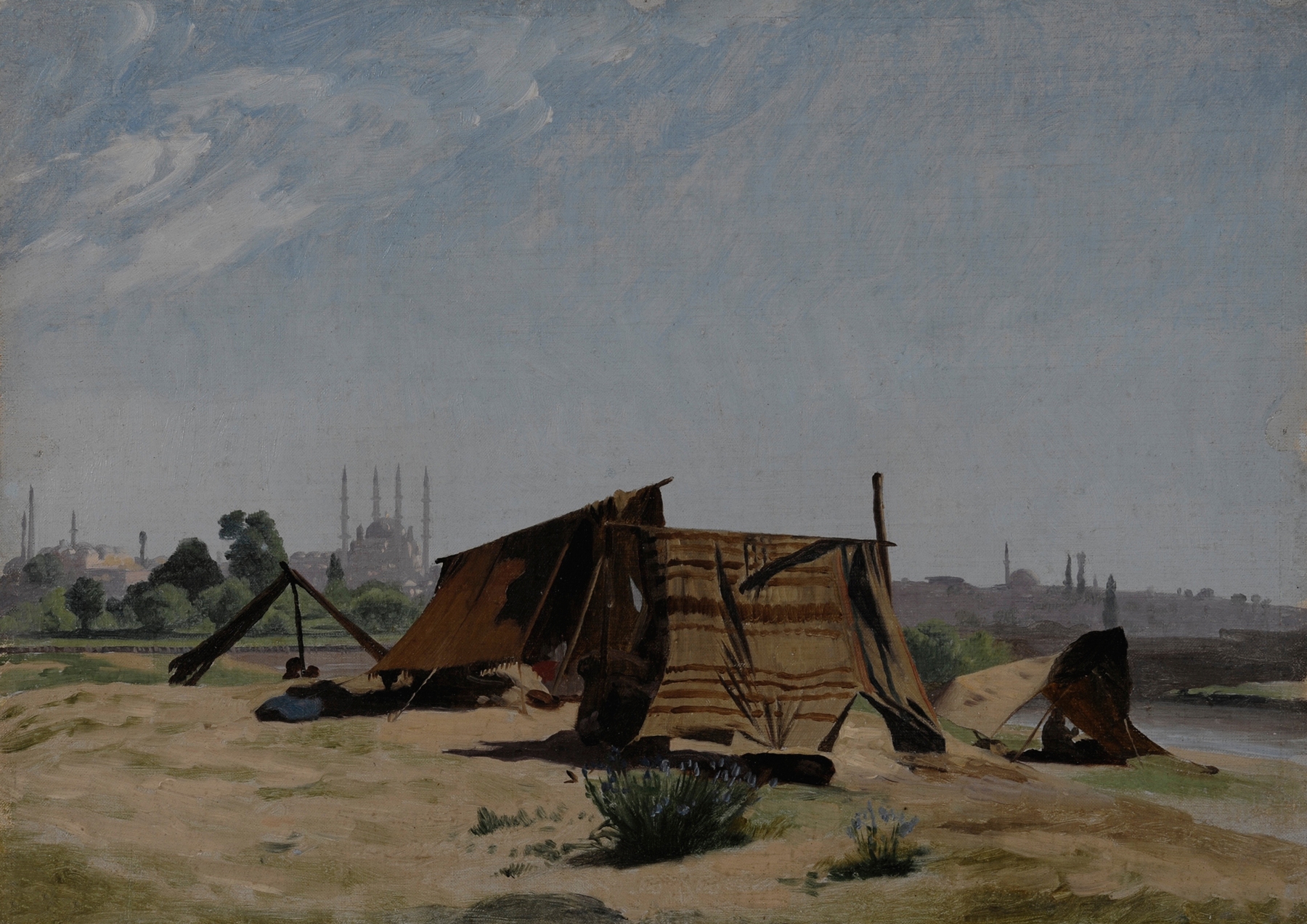
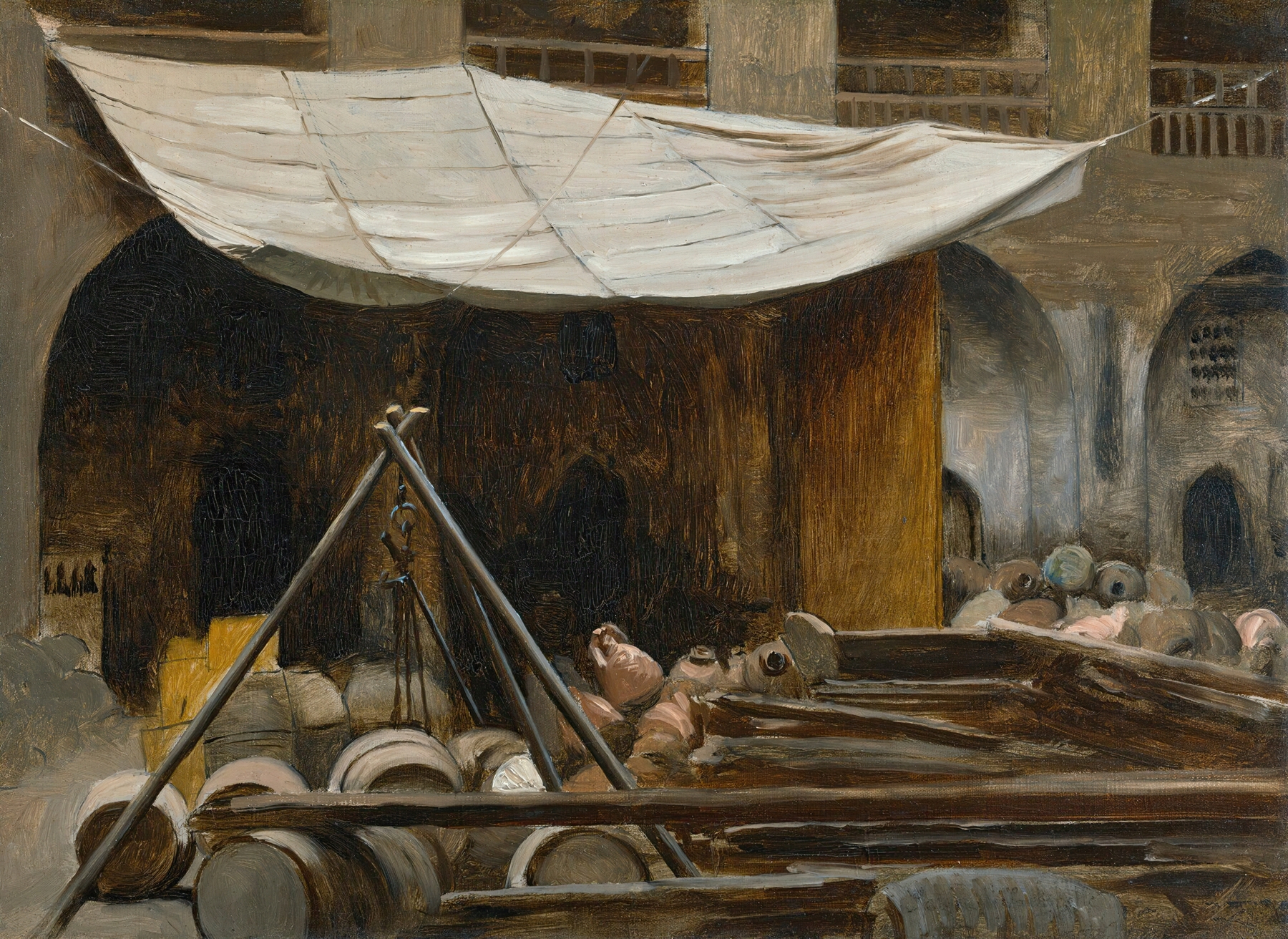
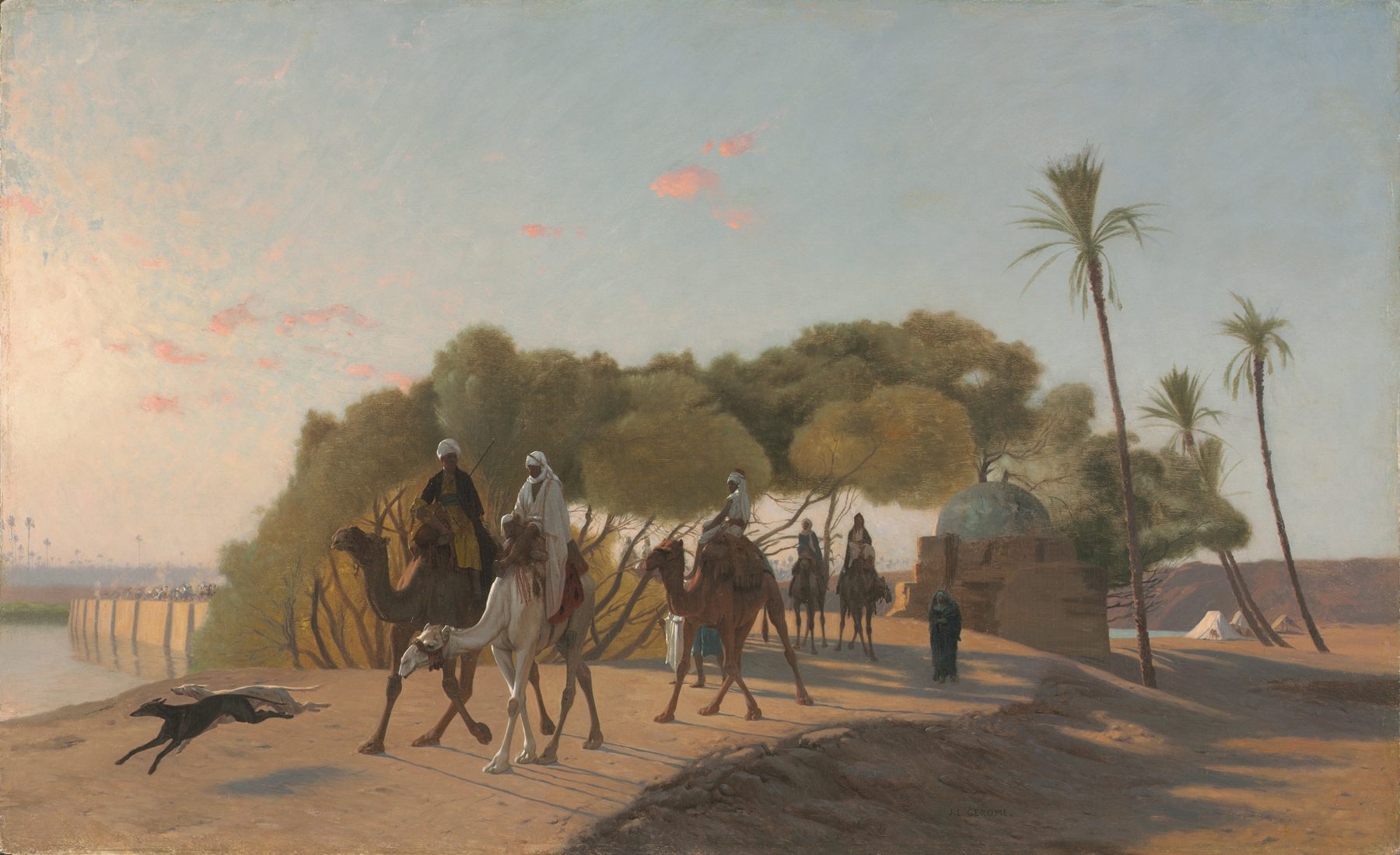
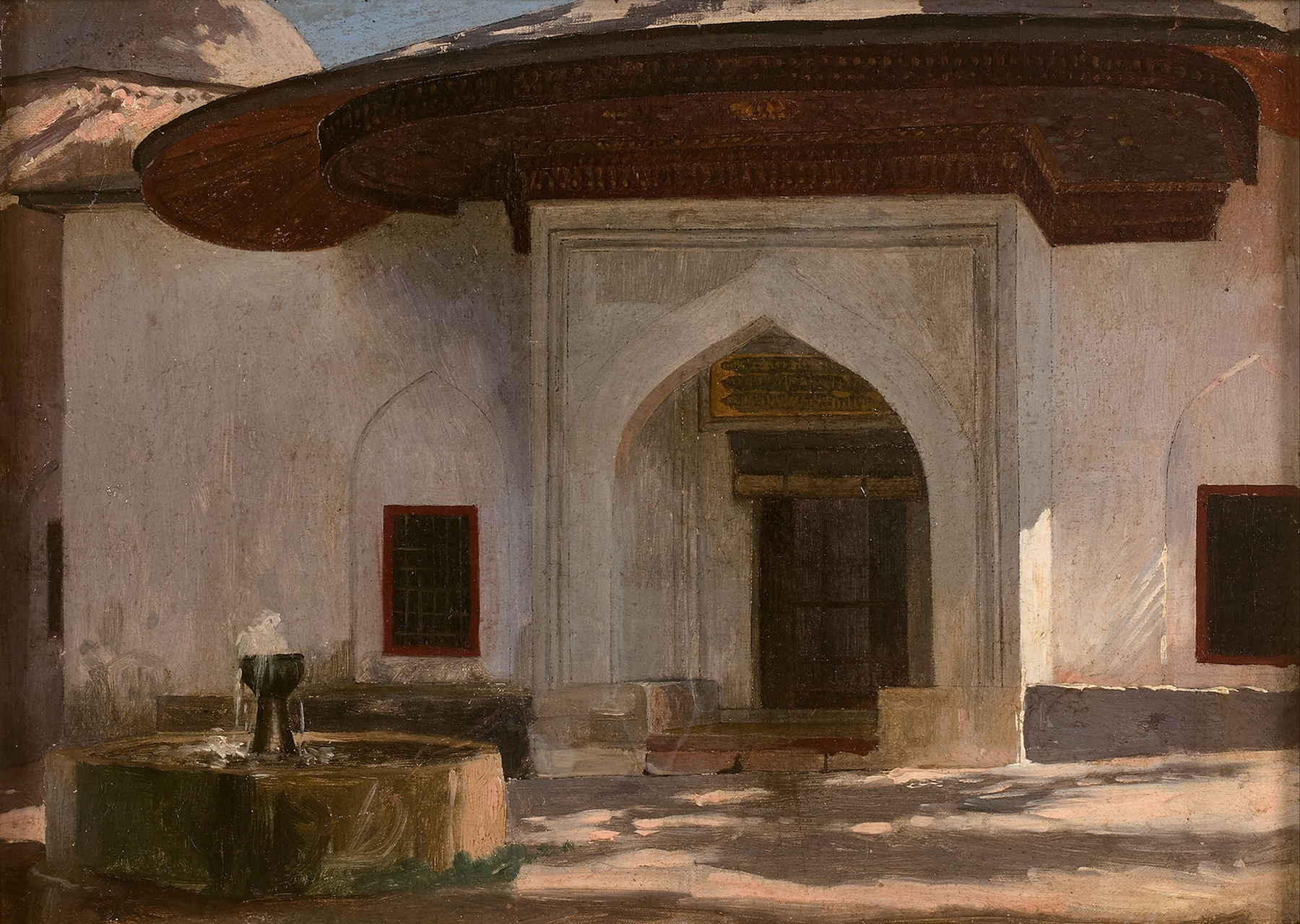
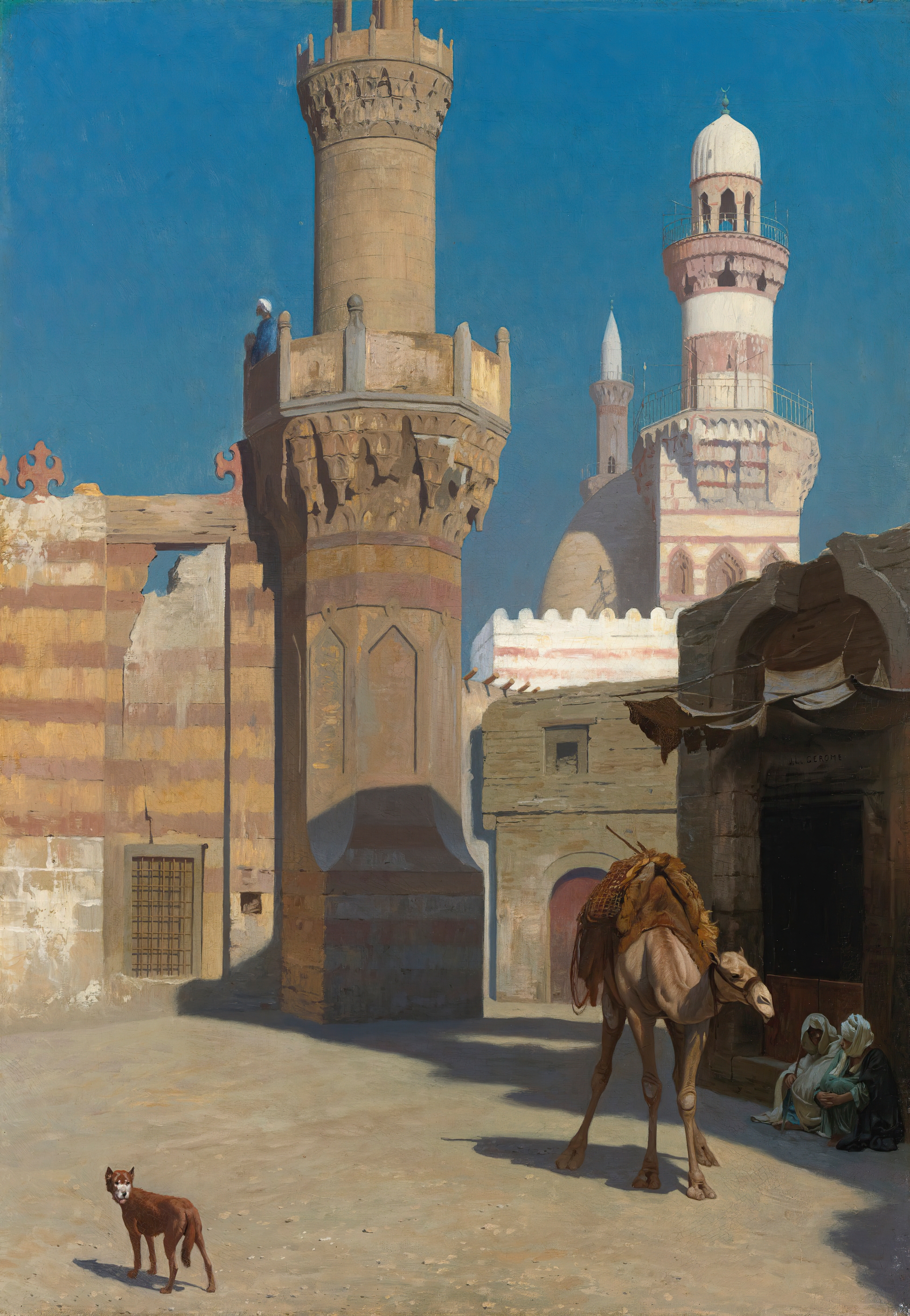
“Every silence here is a confession.” In the stillness of a sun-soaked day, the weight of existence hangs in the air, inviting contemplation beyond mere sight. The essence of transcendence resonates through a scene where time itself seems suspended, encouraging viewers to delve deeper into their own reflections. Look to the left at the graceful figures draped in flowing garments, their postures suggestive of both movement and meditation. The intricate patterns of the mosque’s architecture rise majestically in the background, their ornate tiles glistening under the golden sun. Notice how the brilliant blues and warm earth tones blend seamlessly, creating a dialogue between shadow and light that envelops the scene with a soft, reverent glow. Amidst the serenity, small yet significant contrasts emerge. The vibrancy of the textiles worn by the figures speaks to the richness of culture, while their stillness in the bustling cityscape hints at the inner lives of those caught in the throes of historical change. The mosque, a symbol of faith and endurance, stands tall, reflecting both the weight of tradition and the hope for the future. The juxtaposition of vibrancy and stillness embodies the tension between the material and the spiritual, urging the viewer to explore the layers of meaning hidden within. During a pivotal time in the late 19th century, when Gérôme painted this work in Egypt, he was deeply influenced by Orientalism and the allure of Eastern cultures. Amidst the shifting tides of European art, he sought to capture the essence of a world that felt both foreign and familiar. This painting emerged from a period of exploration and fascination with the East, reflecting his journey into the heart of a culture rich with history and complex narratives.