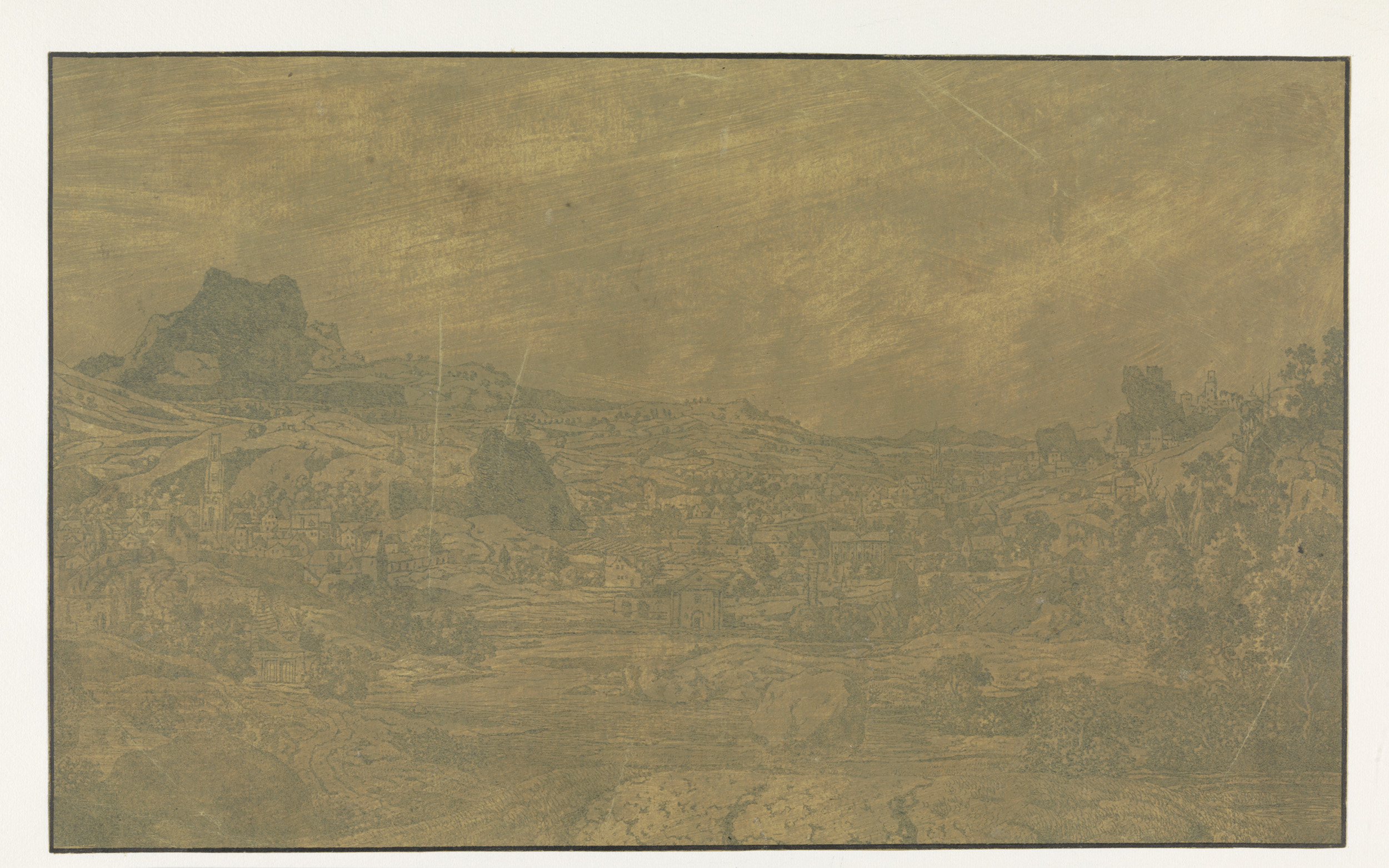
Valley with a River and a Town with Four Towers — History & Analysis
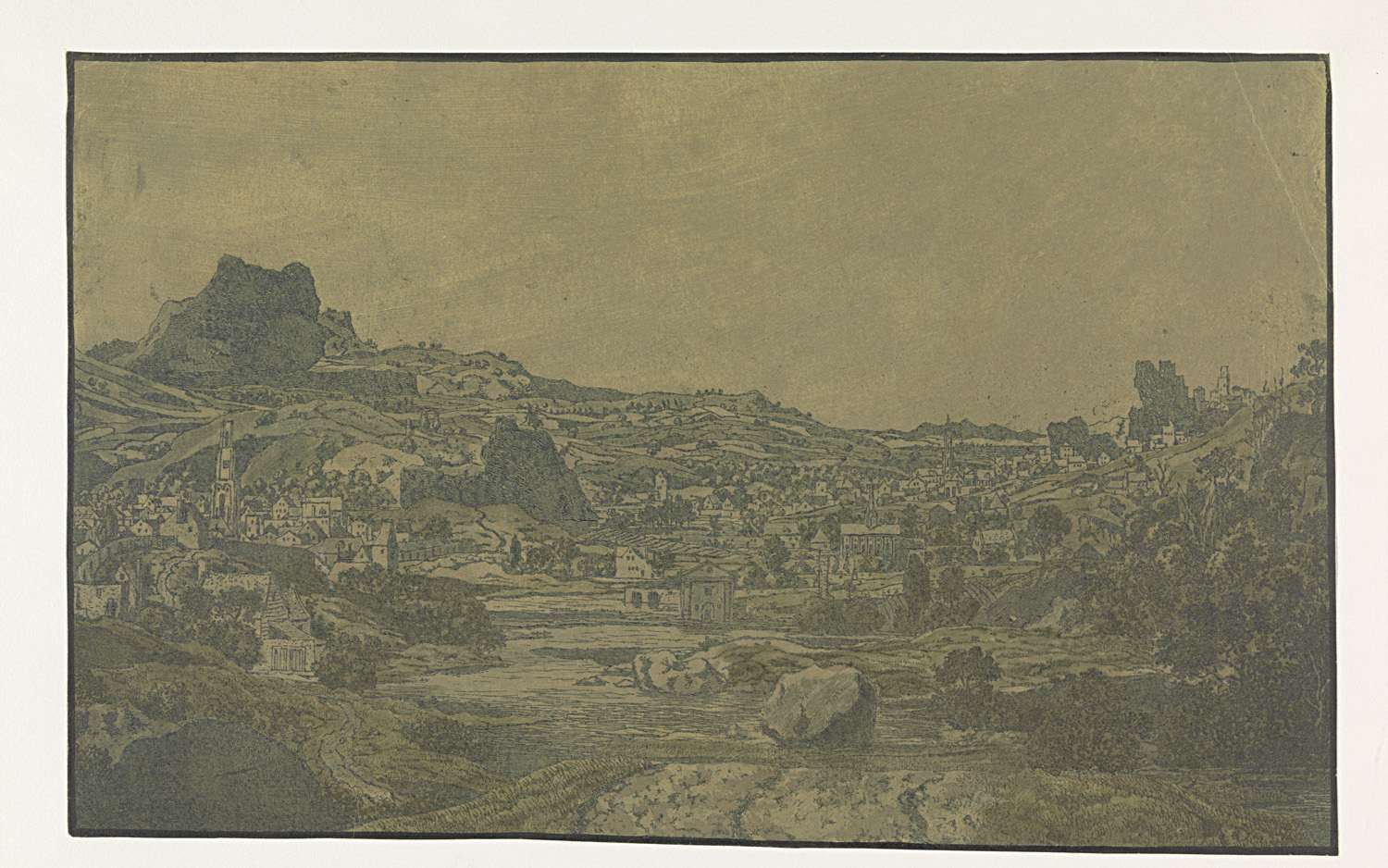
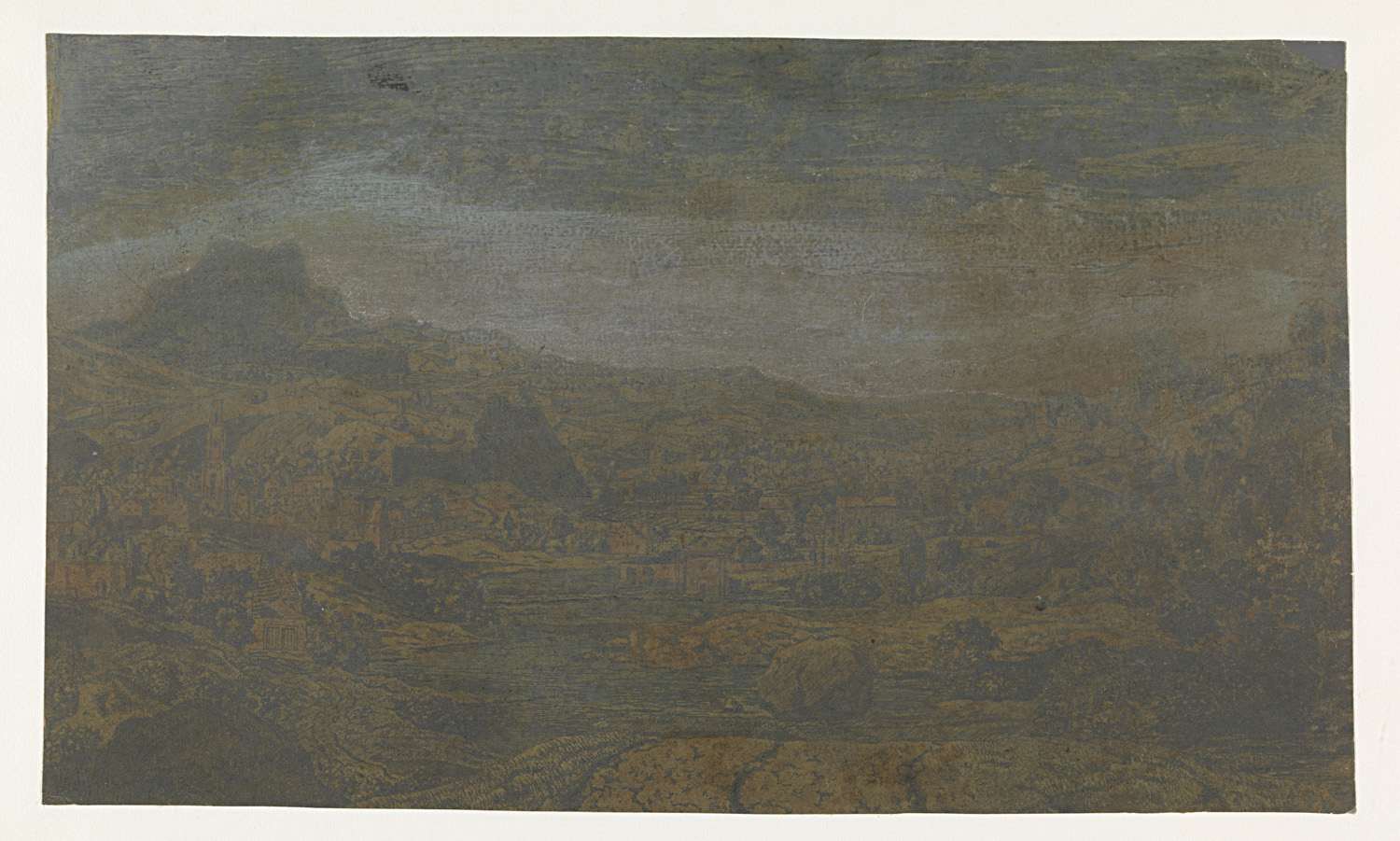
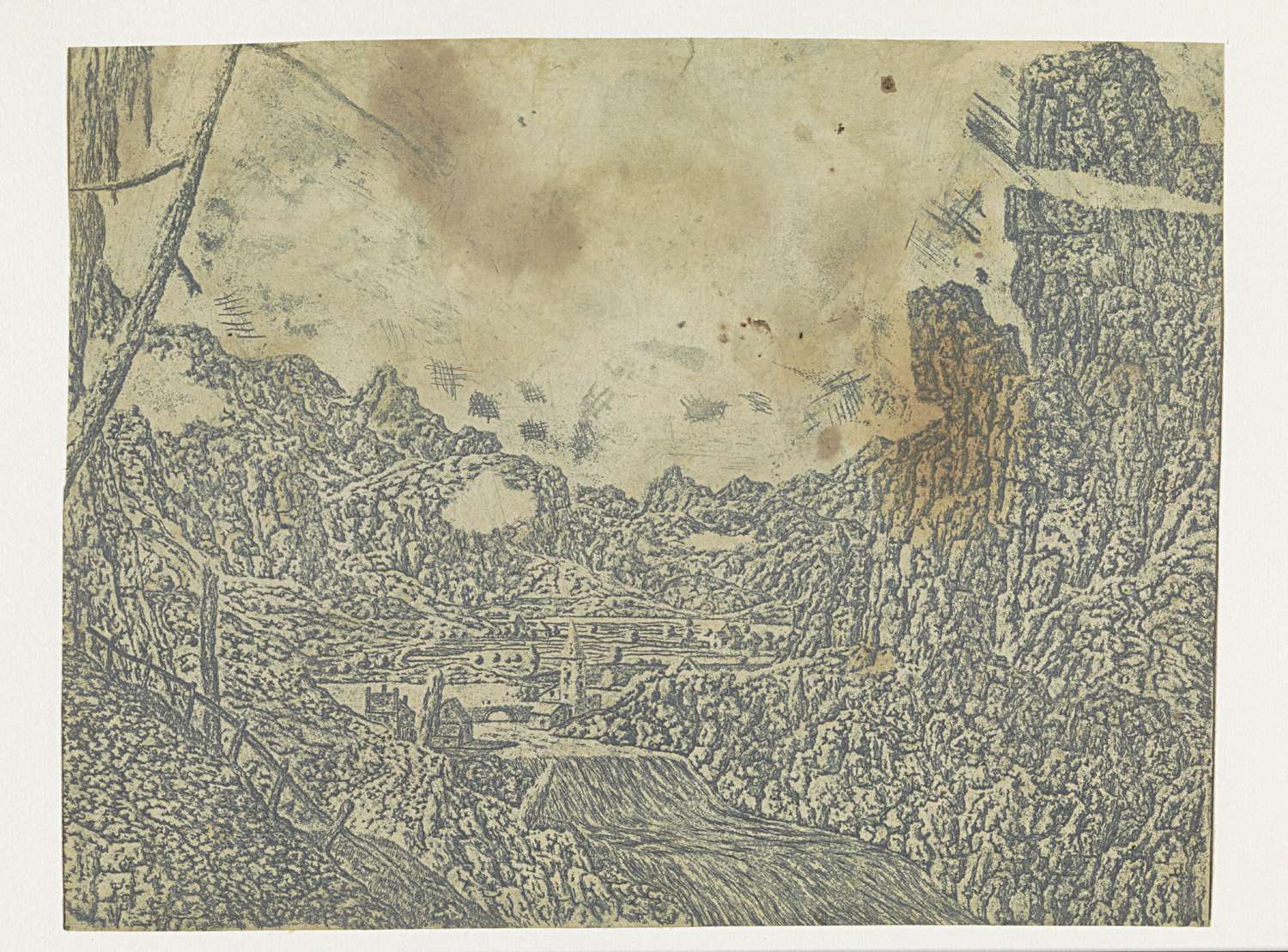
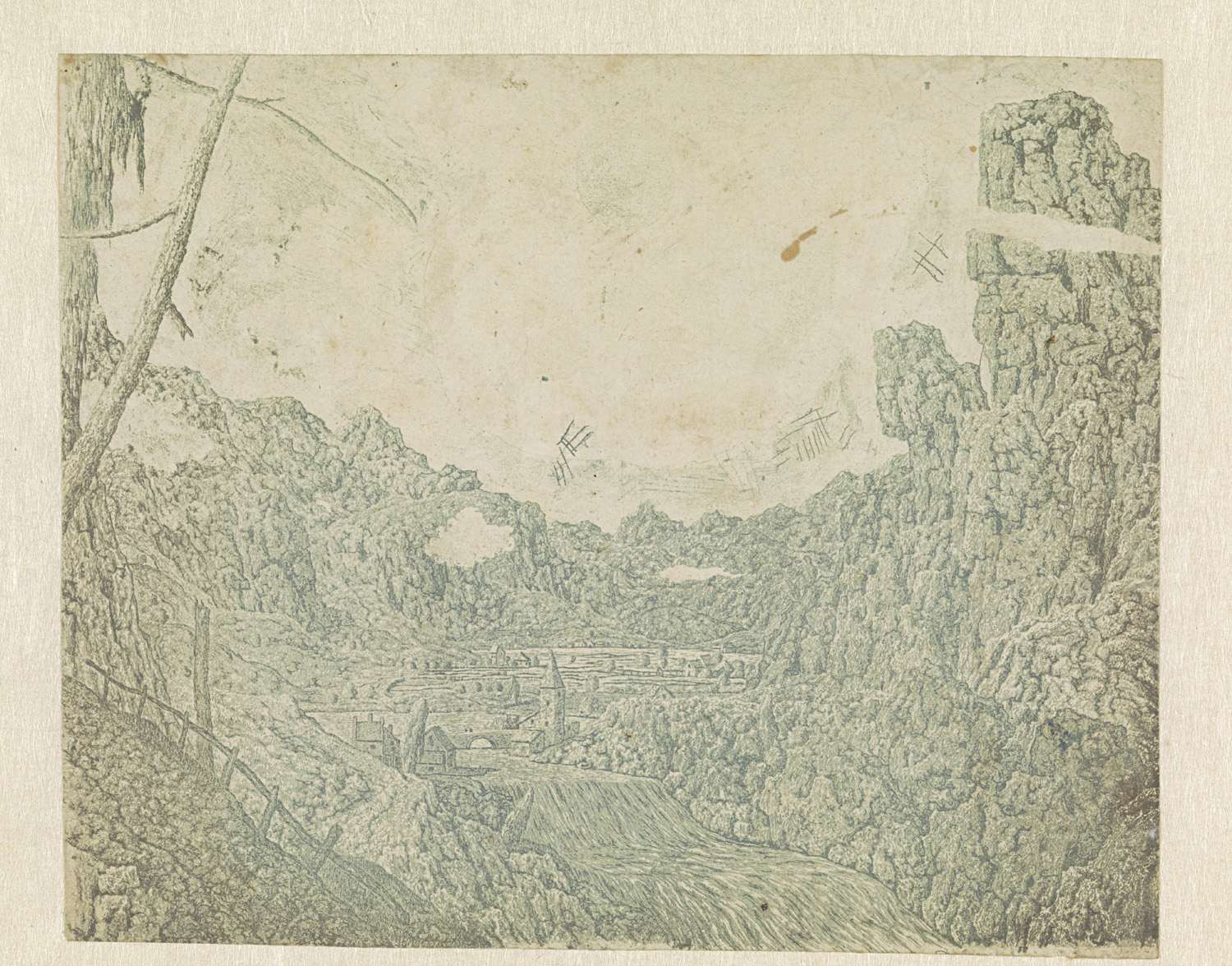
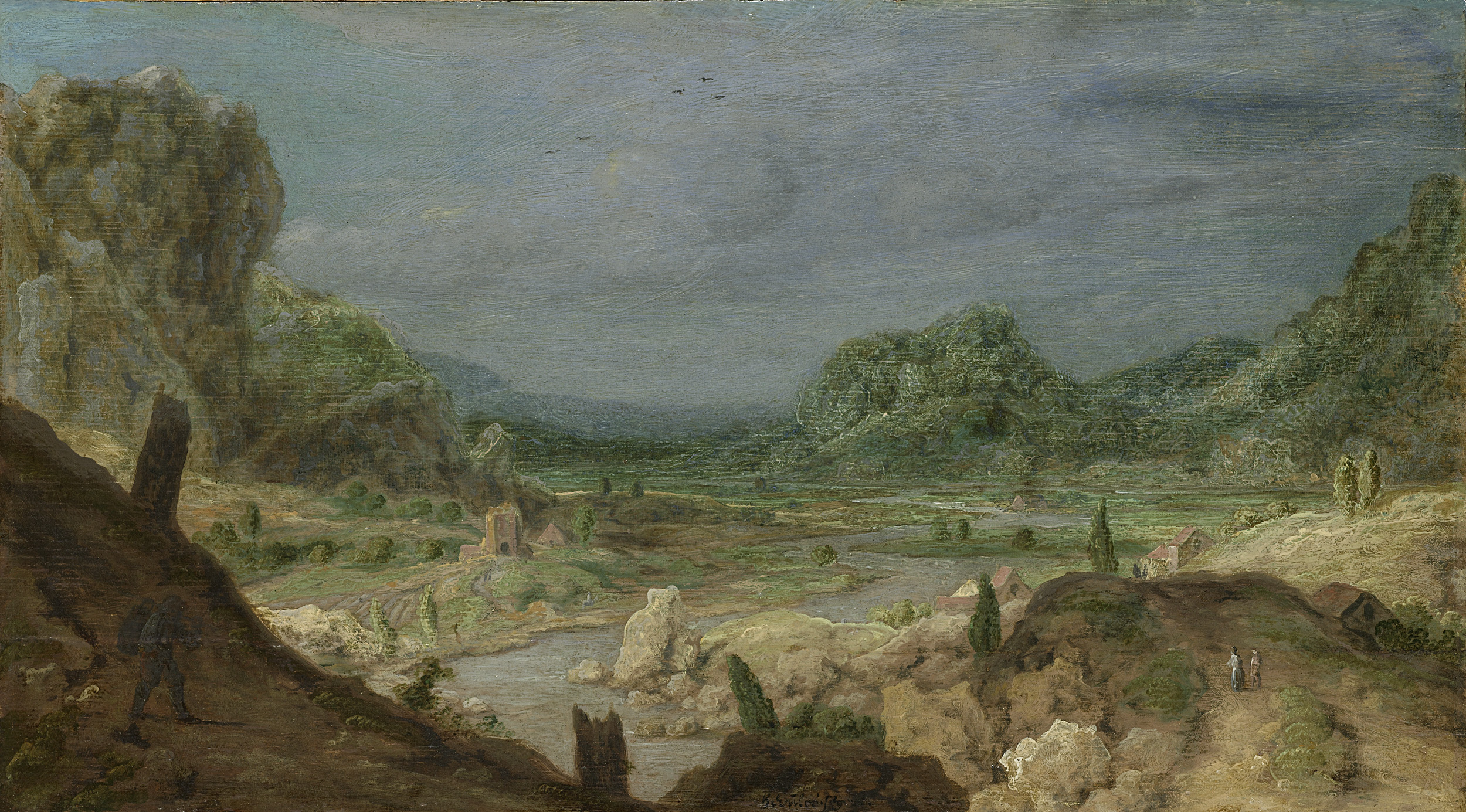
“Every brushstroke is a heartbeat remembered.” In a world where colors collide with emotion, what stories pulse beneath a tranquil surface? Look to the center of the canvas where the river flows, a shimmering ribbon weaving through vibrant greens and earthy browns. The towering mountains cradle the scene, their rich textures beckoning the eye upward, while the four towers of the town stand resolute in the distance, casting long shadows that hint at both grandeur and isolation. Notice how Segers employs a delicate balance of cool and warm hues, a palette that whispers of serenity yet bears the weight of secrets lurking just beneath.
Within this idyllic landscape lies a tension, a quiet betrayal captured in the contrast between the placid water and the formidable peaks. The serene town, with its watchful towers, suggests safety and community, yet the flowing river, an ever-changing entity, hints at the inevitable passage of time and the fragility of trust. Each brushstroke captures a heartbeat of life, yet invites speculation about what lies unspoken between the inhabitants and the land that surrounds them.
In the mid-1620s, Hercules Segers was immersed in the burgeoning Dutch landscape painting movement, a time marked by both artistic innovation and personal upheaval. Working in his studio in Amsterdam, he was pushing boundaries with his inventive techniques and unique perspectives, reflecting a society grappling with its own complexities. This period yielded a profound exploration of nature and emotion, laying the groundwork for the rich narratives that his works, such as this one, would come to evoke.