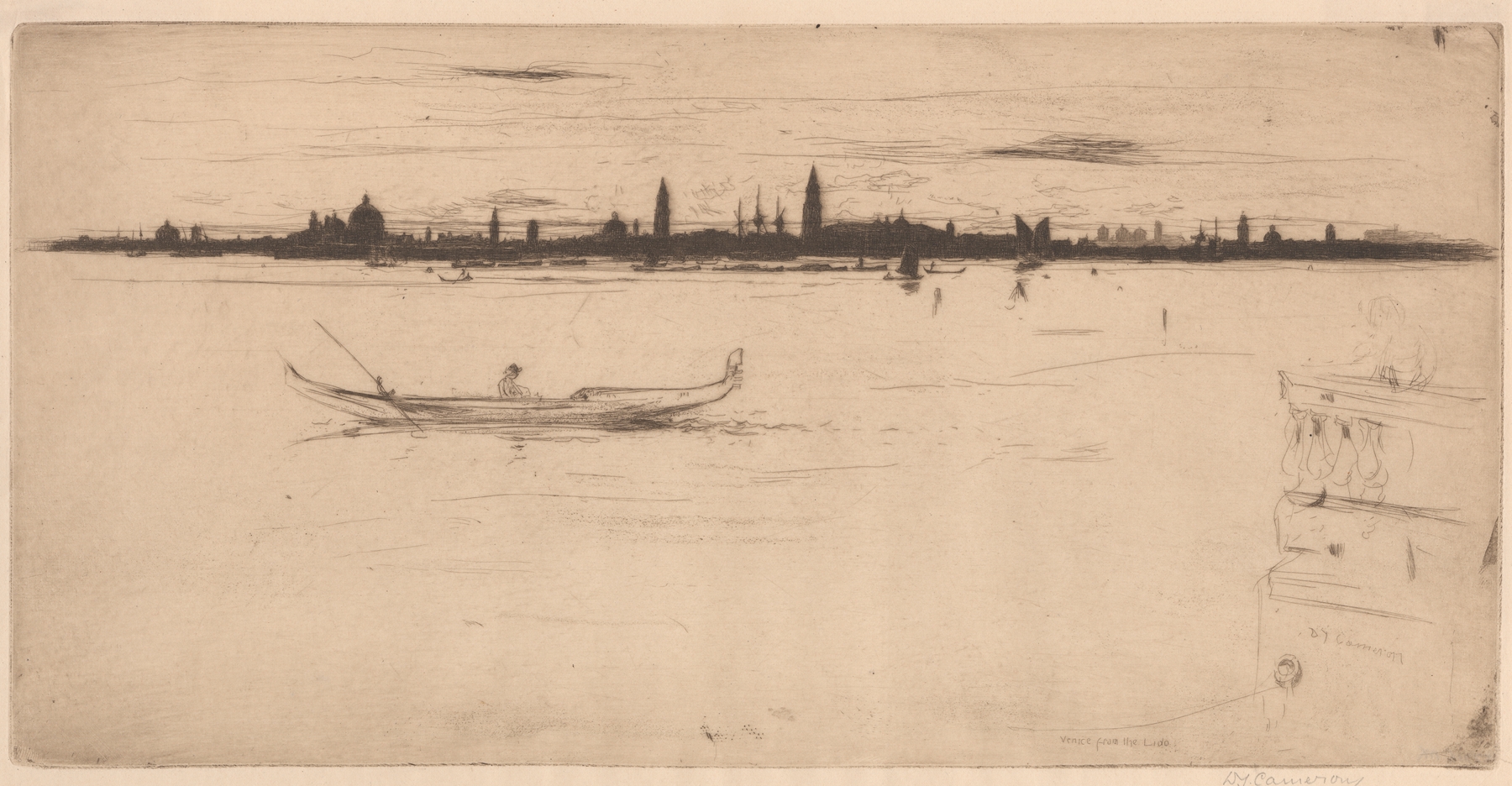
“Between color and silence, truth hides.” In the interplay of light and shadow, an ethereal world emerges, inviting a deeper inquiry into perception and reality. Focus on the luminous reflections dancing upon the water's surface, capturing the essence of Venice itself. The soft blues and greens are punctuated by warm ochres and subtle grays, creating a harmonious balance between tranquility and vibrancy. Notice how the diagonal lines of the distant skyline draw the eye towards the horizon, where the architecture of the city seems to float, almost dreamlike, against a pale sky. This composition draws the viewer in, encouraging contemplation of the serene majesty of Venice. Amidst the calm, there is an underlying tension between the fleetingness of light and the permanence of the structures. The gentle brushwork suggests movement, evoking the soft lapping of waves, while the steady forms of the buildings stand resolute. This juxtaposition invites reflection on impermanence and the passage of time, as the light transforms the scene, making it a transient moment that is both lovely and melancholic. In 1896, during a period of artistic exploration, David Young Cameron immersed himself in the beauty of Venice while living in Scotland. This era was marked by a growing interest in Impressionism, and Cameron sought to capture the atmospheric effects of light, pushing the boundaries of traditional landscape painting. His work during this time reflects both personal introspection and a broader artistic evolution, as he embraced the shifting qualities of the natural world.