Verona, a view of Piazza delle Erbe — History & Analysis
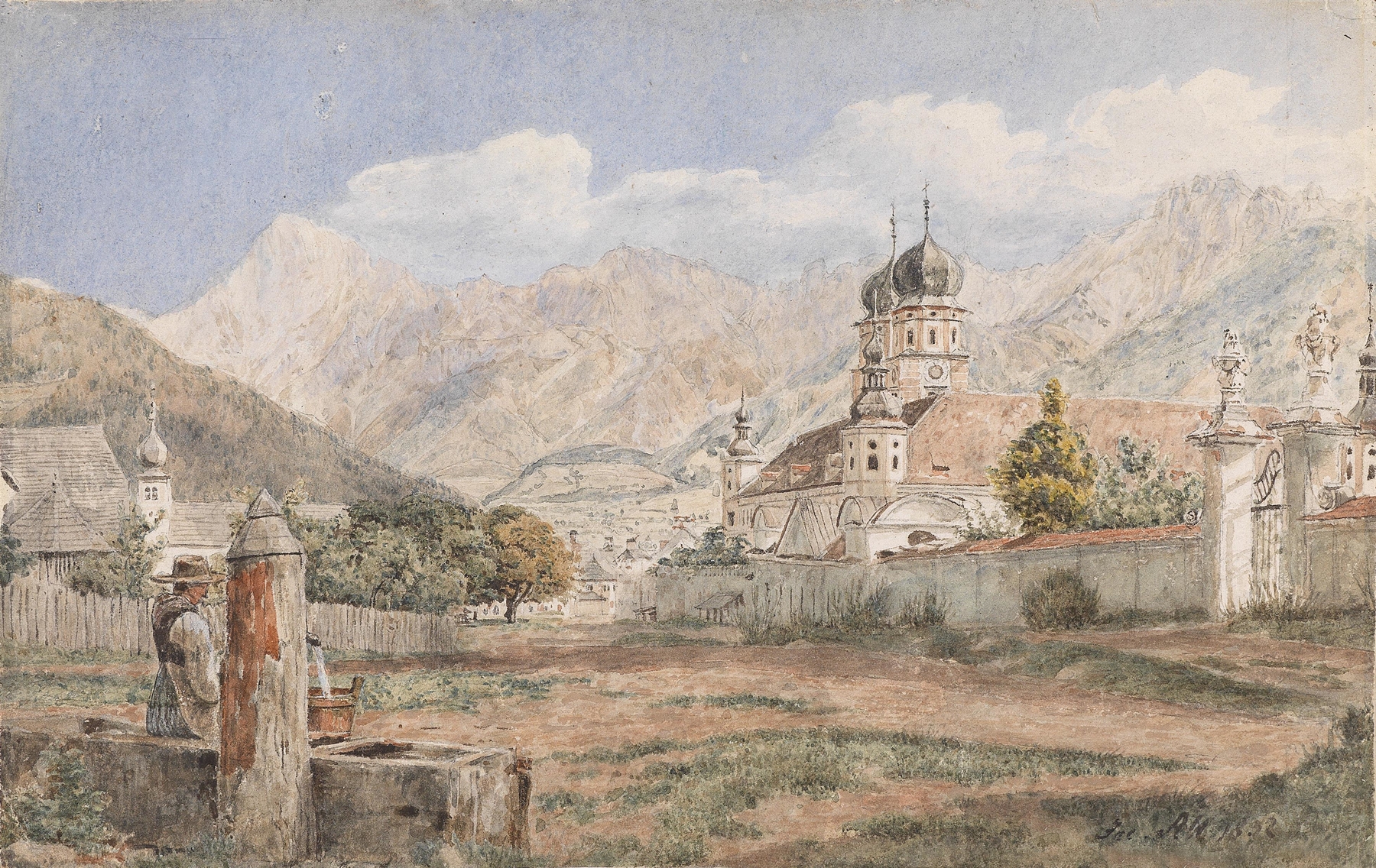
Where does light end, and longing begin? A serene moment suspended in time invites contemplation of life’s quiet beauties. Begin by focusing on the soft, golden hues that blanket the architecture in the composition. Notice how the buildings rise elegantly against the sky, their facades bathed in a gentle glow. The bustling marketplace below seems almost hushed, despite hints of activity that suggest life is thriving.
Look to the left at the fountain, where intricate details shimmer, drawing your gaze to its flowing water—a symbol of both refreshment and continuity. This work speaks volumes through its contrasts: the vibrancy of the market juxtaposed with the serenity of the distant hills. Each passerby lingers in their own world, their gestures hinting at unspoken stories, while the surrounding architecture stands stoic, a witness to human experience. The harmony of colors—from earthy browns to vibrant greens—evokes a sense of nostalgia, capturing the fleeting nature of time and the enduring beauty of a shared space.
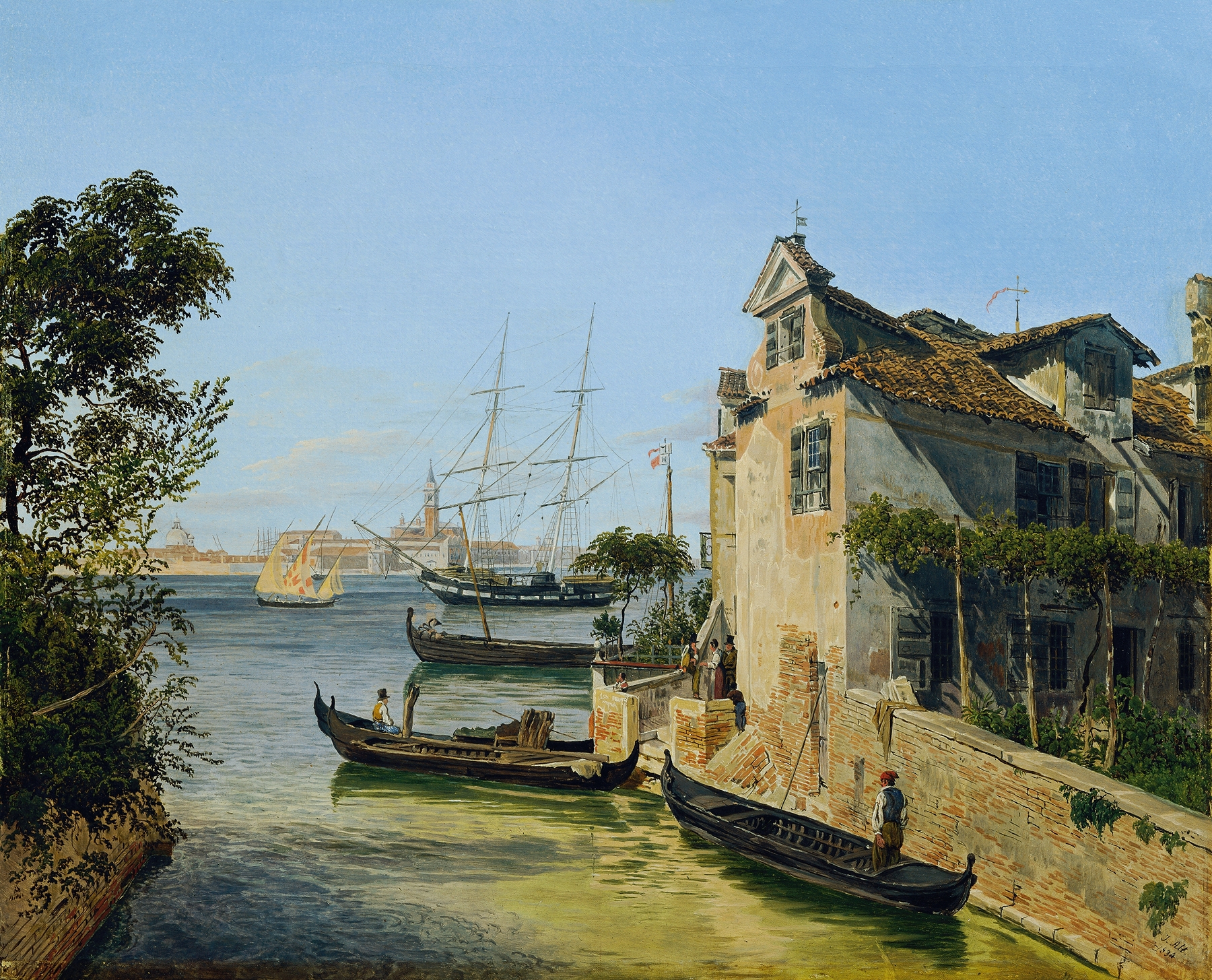
In 1834, when this piece was created, the artist found himself immersed in the picturesque landscapes of Italy. Jakob Alt had already gained recognition for his detailed views, contributing significantly to the tradition of topographical art. This period marked a rise in interest in romanticism, with artists seeking to capture not just the physical world but also the emotions it inspires. As he painted, the ripple of change in the art community mirrored the life teeming in the piazza, echoing a deeper desire to connect with the beauty of everyday existence.