Stift Stams — History & Analysis
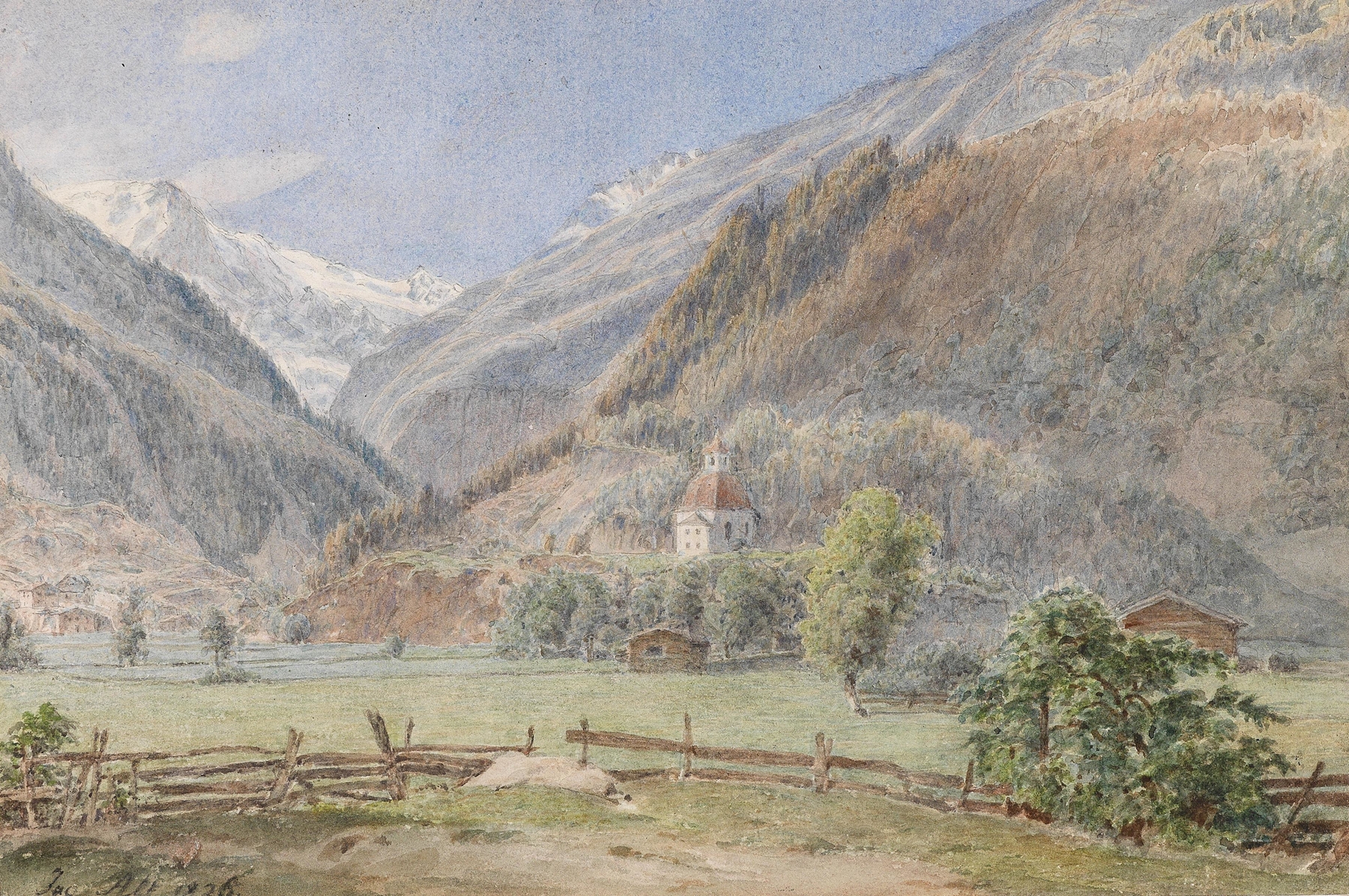
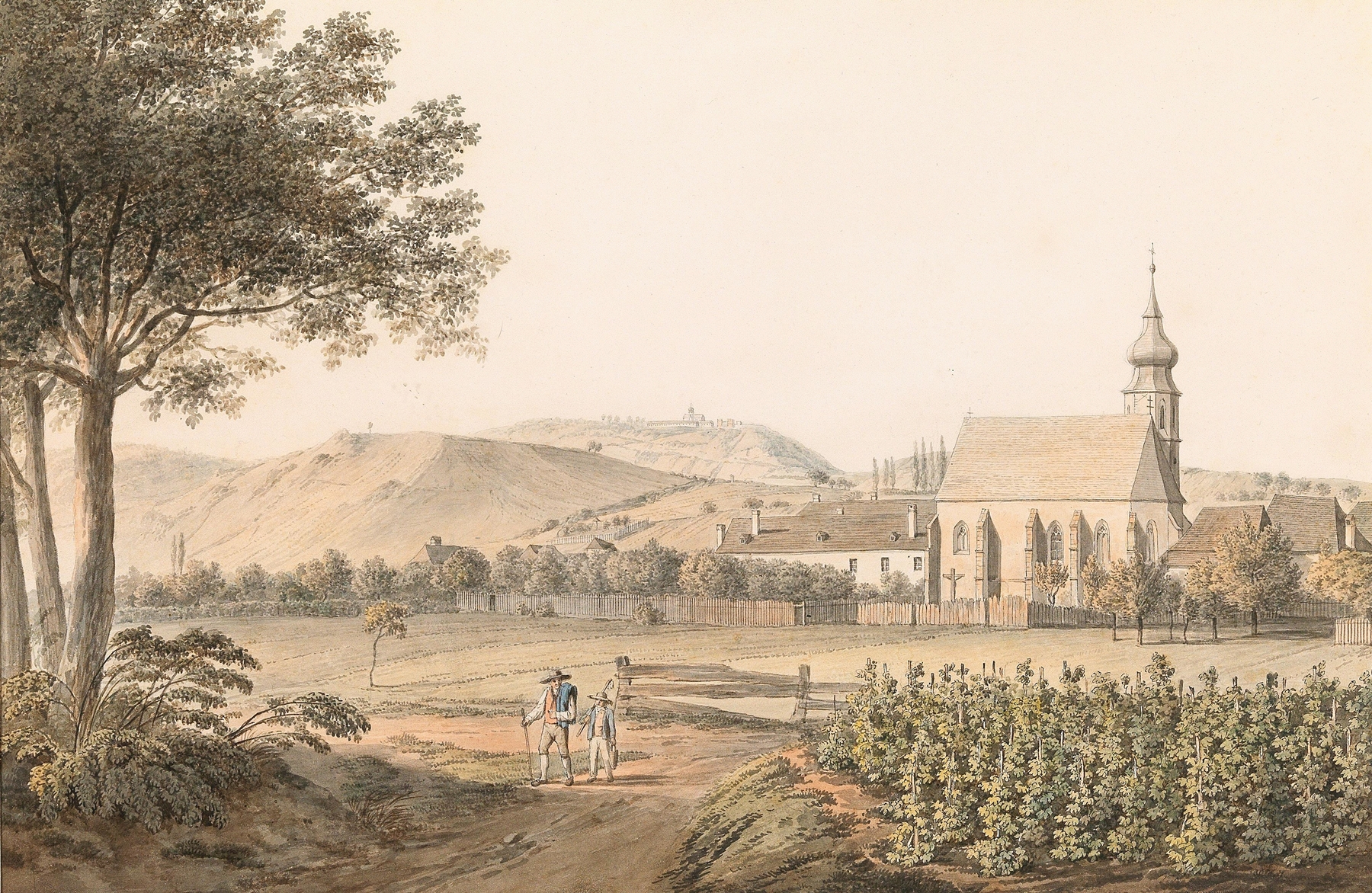
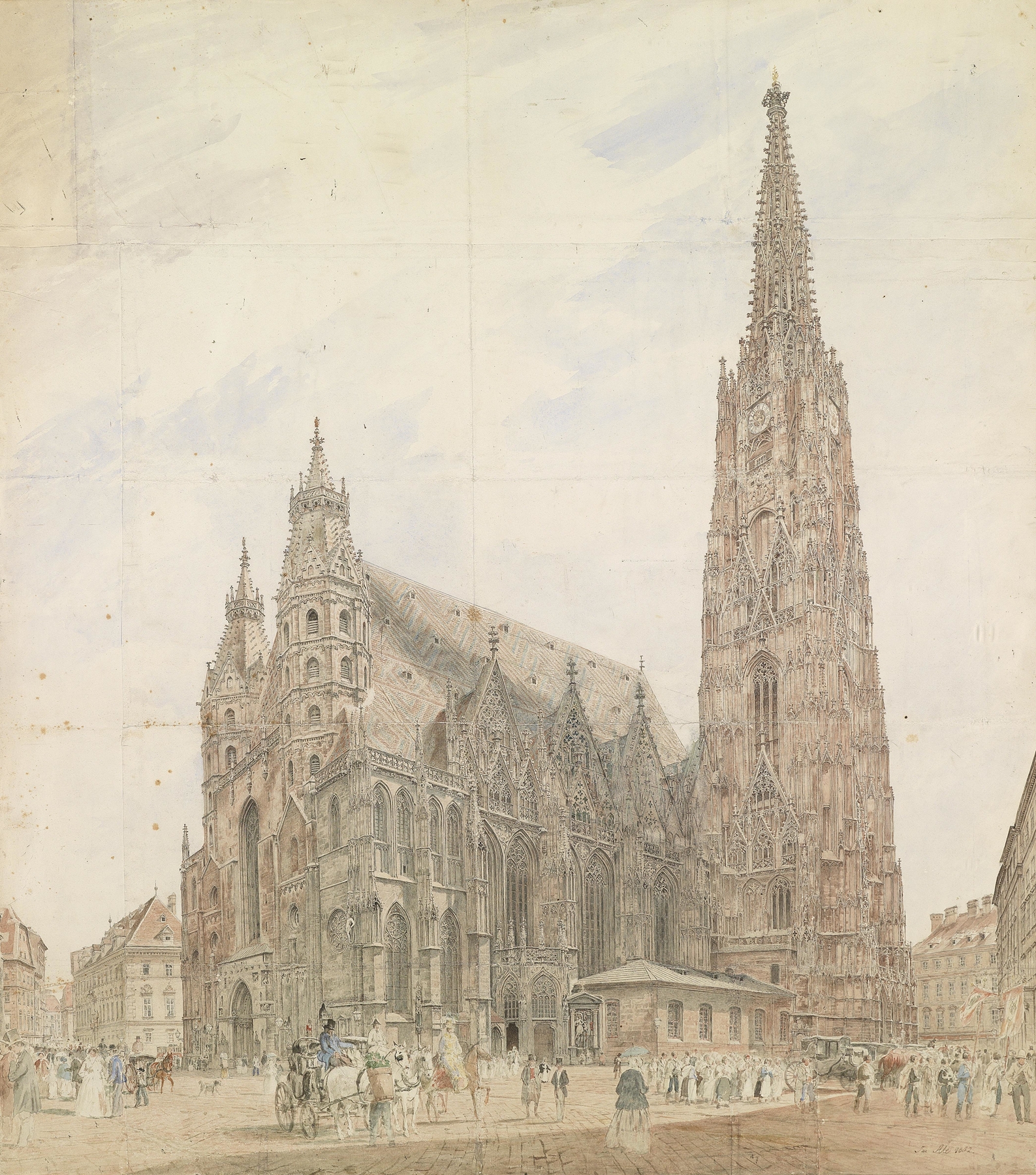
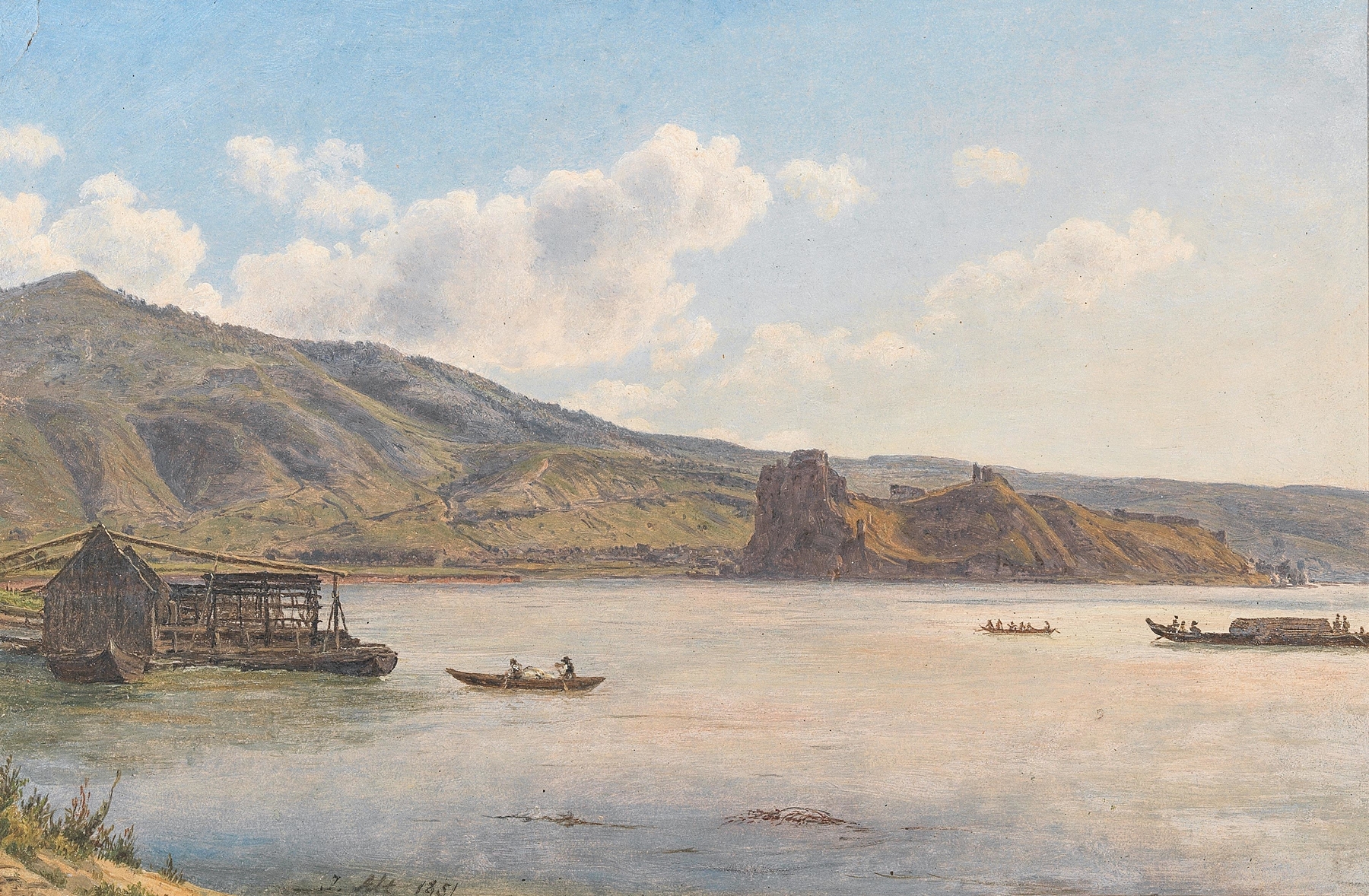
“Art reveals the soul when the world turns away.” Light, in its myriad forms, becomes a silent witness to the stories that unfold across a canvas, capturing moments that often escape the everyday gaze. Focus on the delicate interplay of light and shadow in Stift Stams, where the warm glow envelops the architectural details of the monastery nestled against the rugged landscape. Look to the foreground, where the intricate forms of the building rise majestically, their stone textures rendered with meticulous attention. The artist's choice to contrast the soft hues of the sky with the sharp lines of the structures invites the viewer to marvel at the harmony between man-made and natural beauty.
Within this harmonious contrast lies a deeper emotional tension. The serene representation of the monastery suggests a sanctuary, but the surrounding mountains loom as silent guardians, their imposing presence both comforting and foreboding. The ethereal light that bathes the scene hints at a divine influence, while the earthy tones remind us of the tangible world, creating a dialogue between the sacred and the mundane.
Jakob Alt painted Stift Stams in 1832, during a time when Europe was undergoing significant political and social changes. Living in Vienna, the artist found himself in a thriving environment of Romanticism, which sought to evoke profound emotions and a connection to nature. This work reflects Alt's interest in capturing the essence of spiritual places at a moment when such reflections were becoming increasingly relevant amidst the turmoil of the era.