A View of the Regensburg Cathedral — History & Analysis
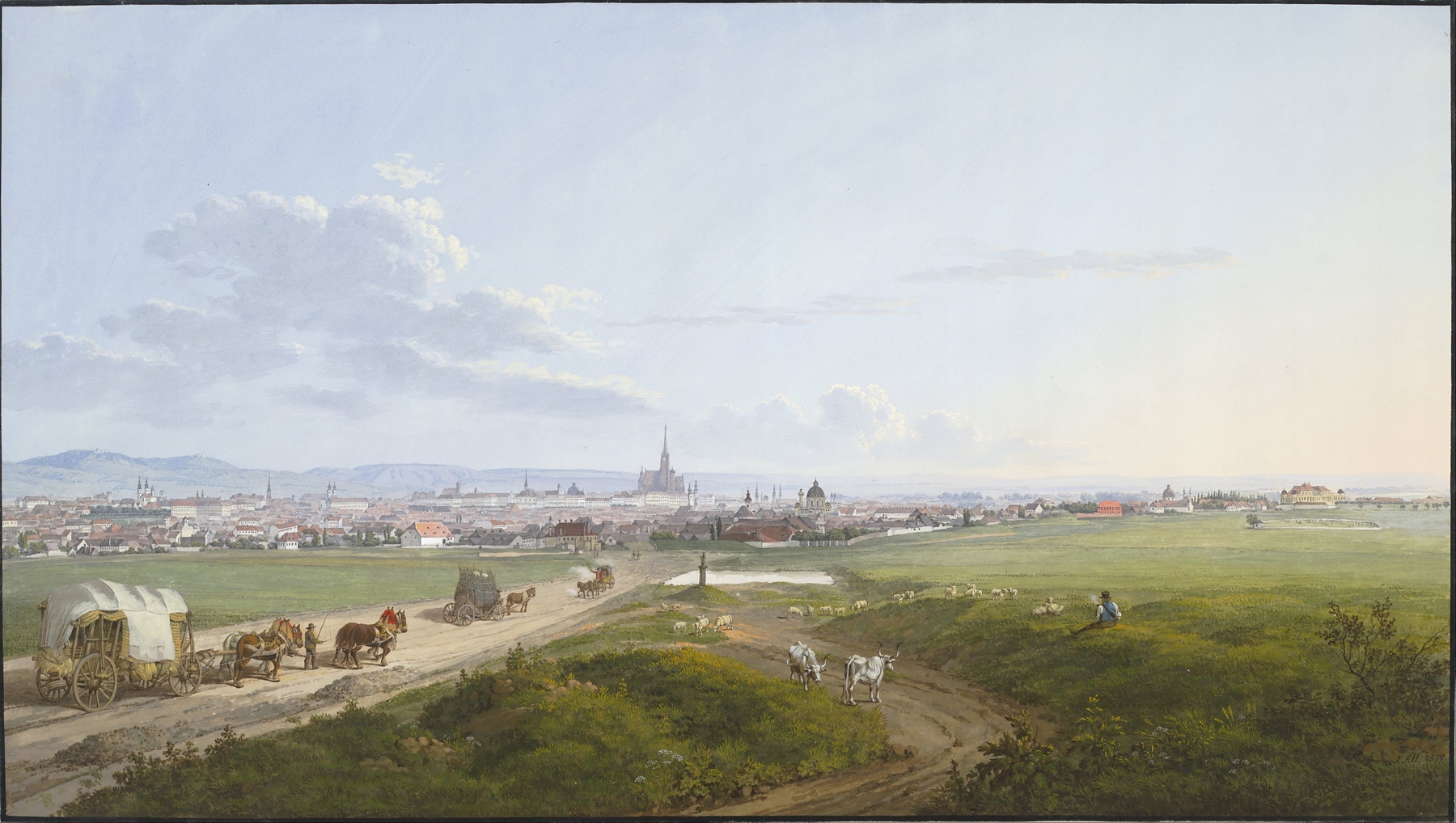
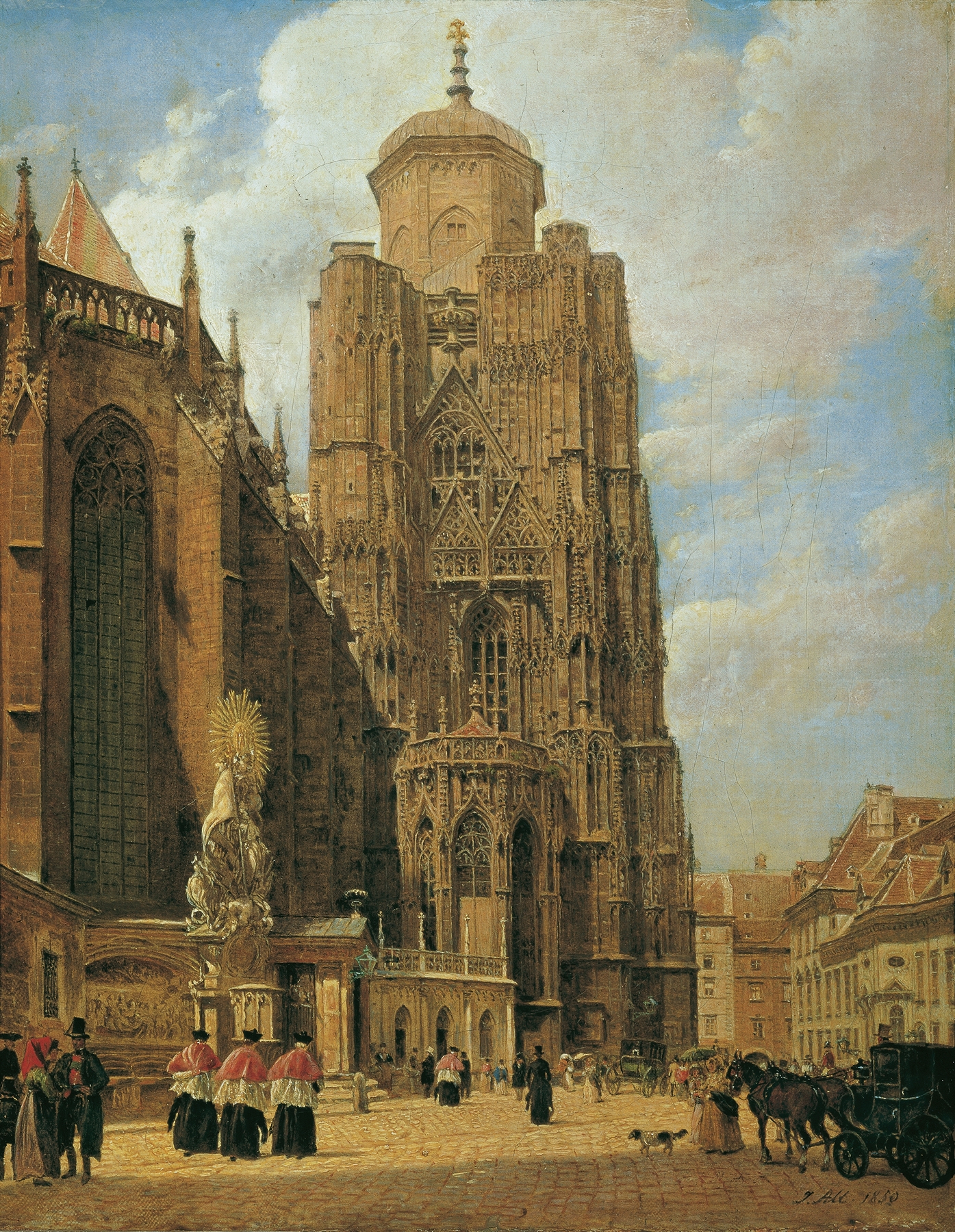
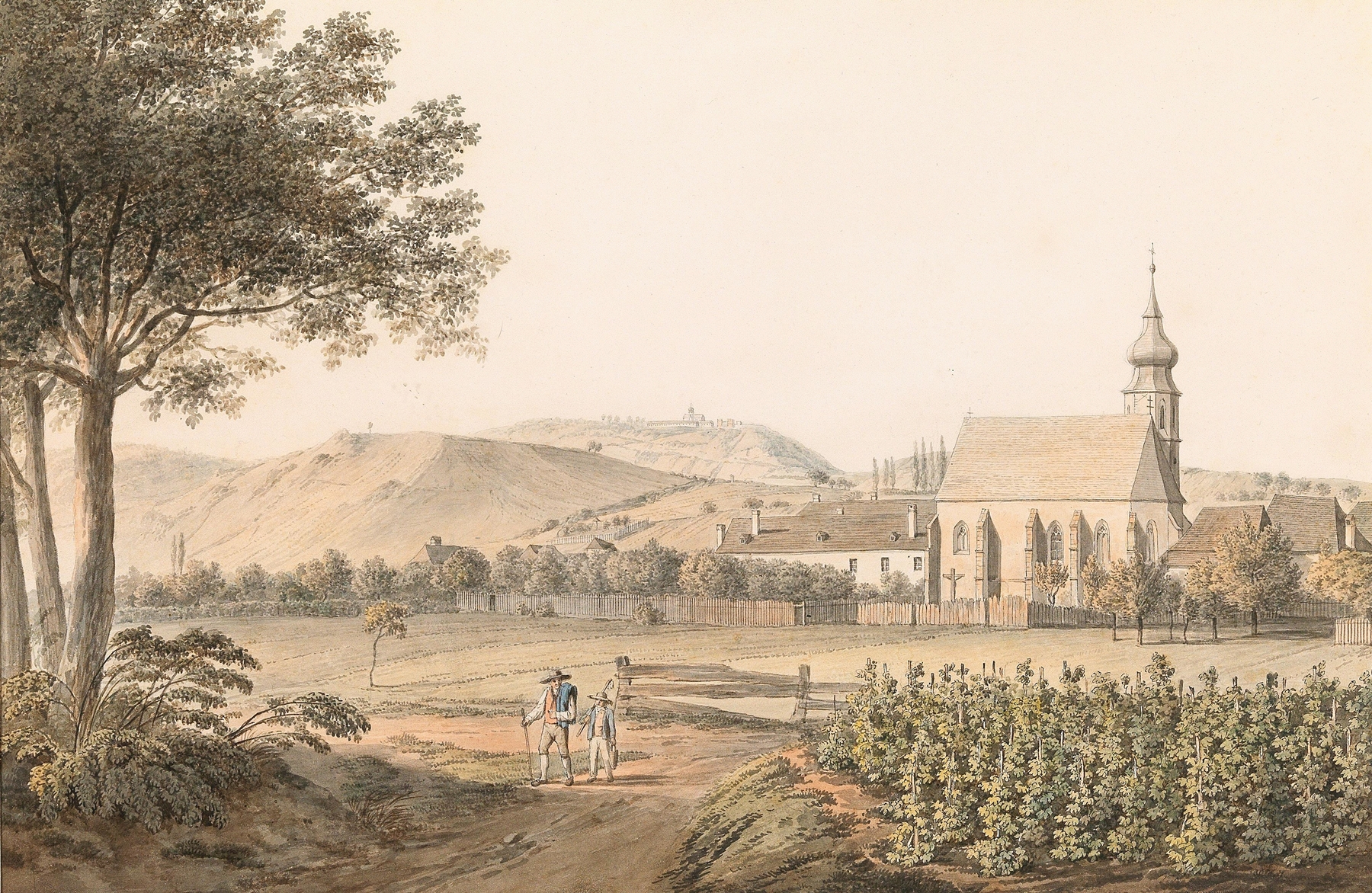
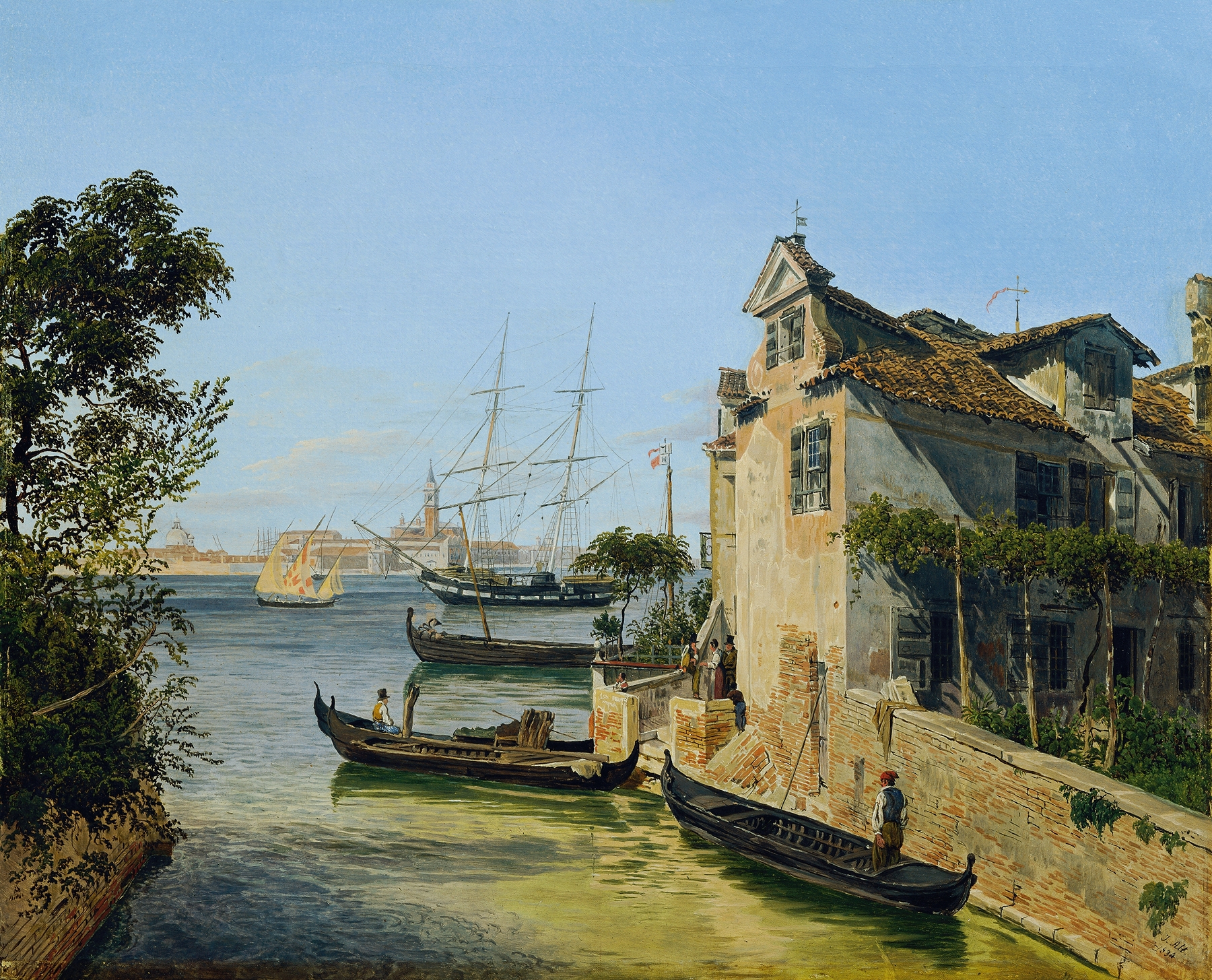
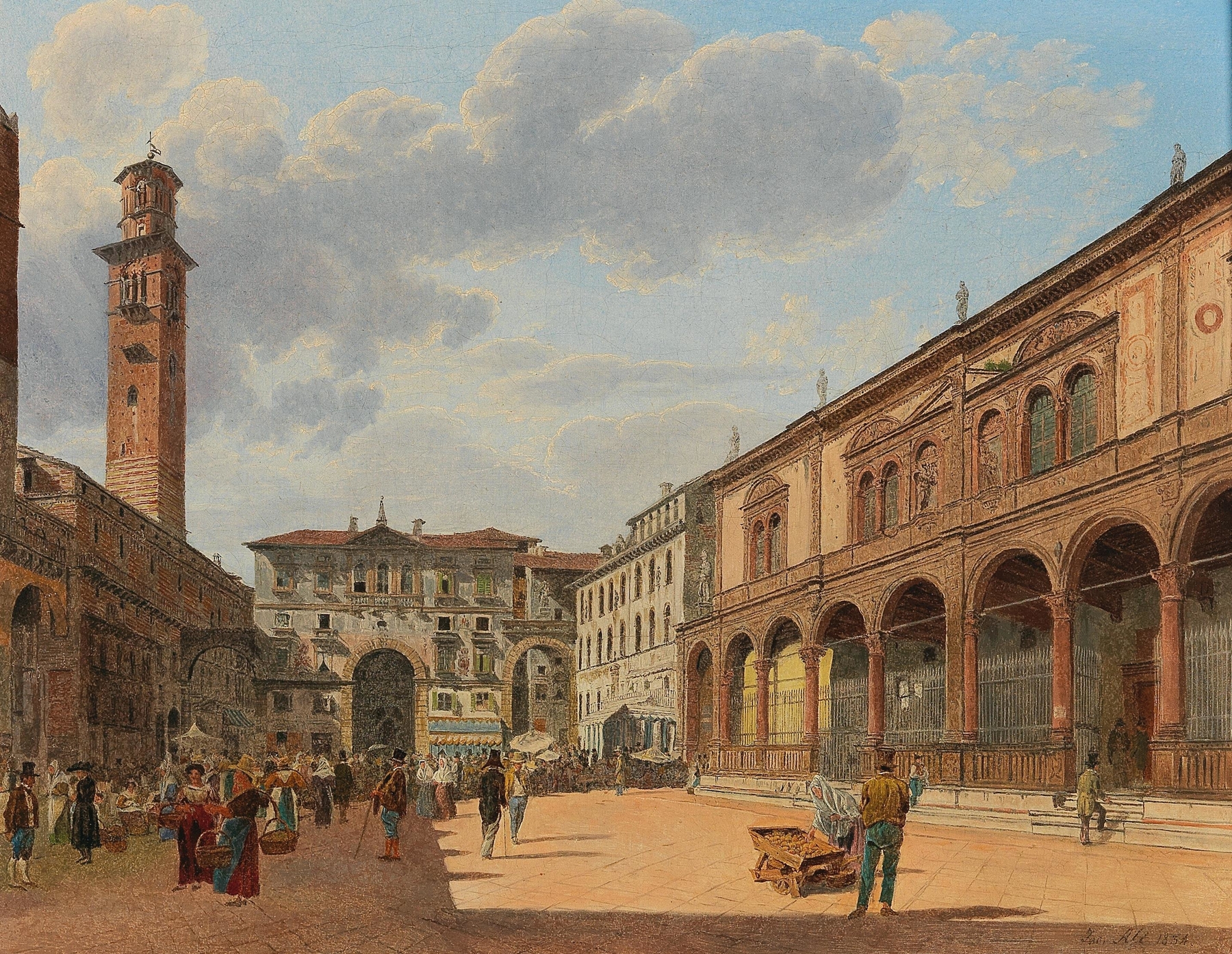
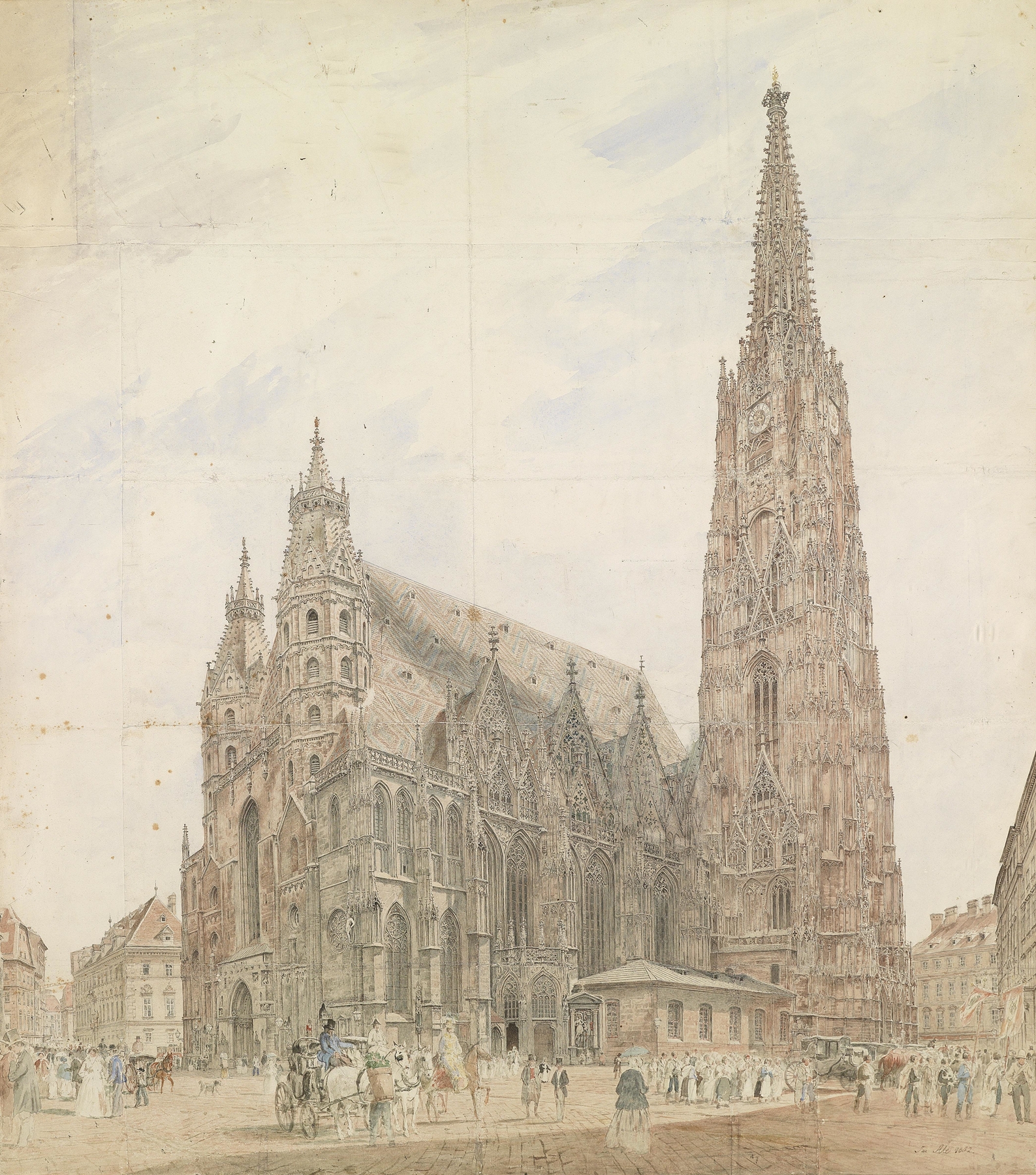
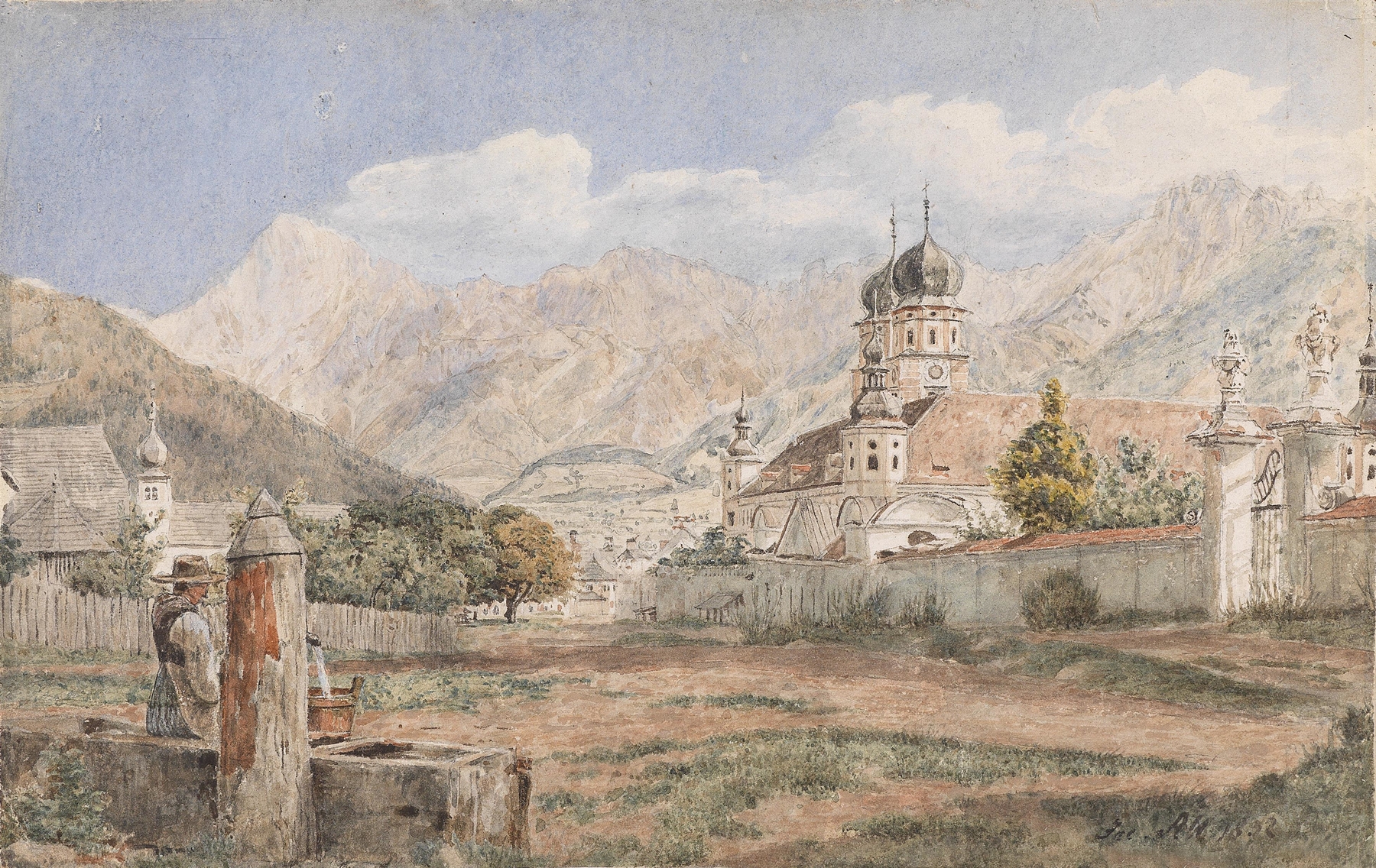
“Art reveals the soul when the world turns away.” In a time when chaos loomed, how does a single canvas encapsulate the madness of existence? Look to the center of the composition, where the towering spires of Regensburg Cathedral rise majestically against a muted sky. The intricate details of the stonework, rendered with precision, draw the eye upward, evoking a sense of aspiration. Notice how the warm hues of the foreground contrast sharply with the cool, shadowy tones that envelop the cathedral, creating a visual tension that mirrors the tumult of human emotion.
The soft brush strokes in the clouds seem almost ethereal, hinting at the tumultuous thoughts brewing in the artist's mind. As you delve deeper into the artwork, consider the juxtaposition of grandeur and vulnerability. The cathedral stands resilient amidst a landscape that feels restless, suggesting a refuge from the madness that surrounds it. The figures wandering in the foreground, small and indistinct, may symbolize the fleeting nature of human achievement—a reminder of our insignificance in the shadow of such majestic creation.
The interplay of light and shadow not only highlights architectural features but also hints at the duality of faith and despair. Created in 1842, this work emerged during a period when Jakob Alt was firmly establishing his reputation as a landscape painter in Germany. The early 19th century was marked by a growing interest in Romanticism, a movement that celebrated nature and emotion. Alt's dedication to capturing the essence of the natural world was influenced by his surroundings, as he faced the challenges of a changing artistic landscape and the shifting tides of a society caught in the throes of industrialization.