Vieilles Maisons (Paris). — History & Analysis
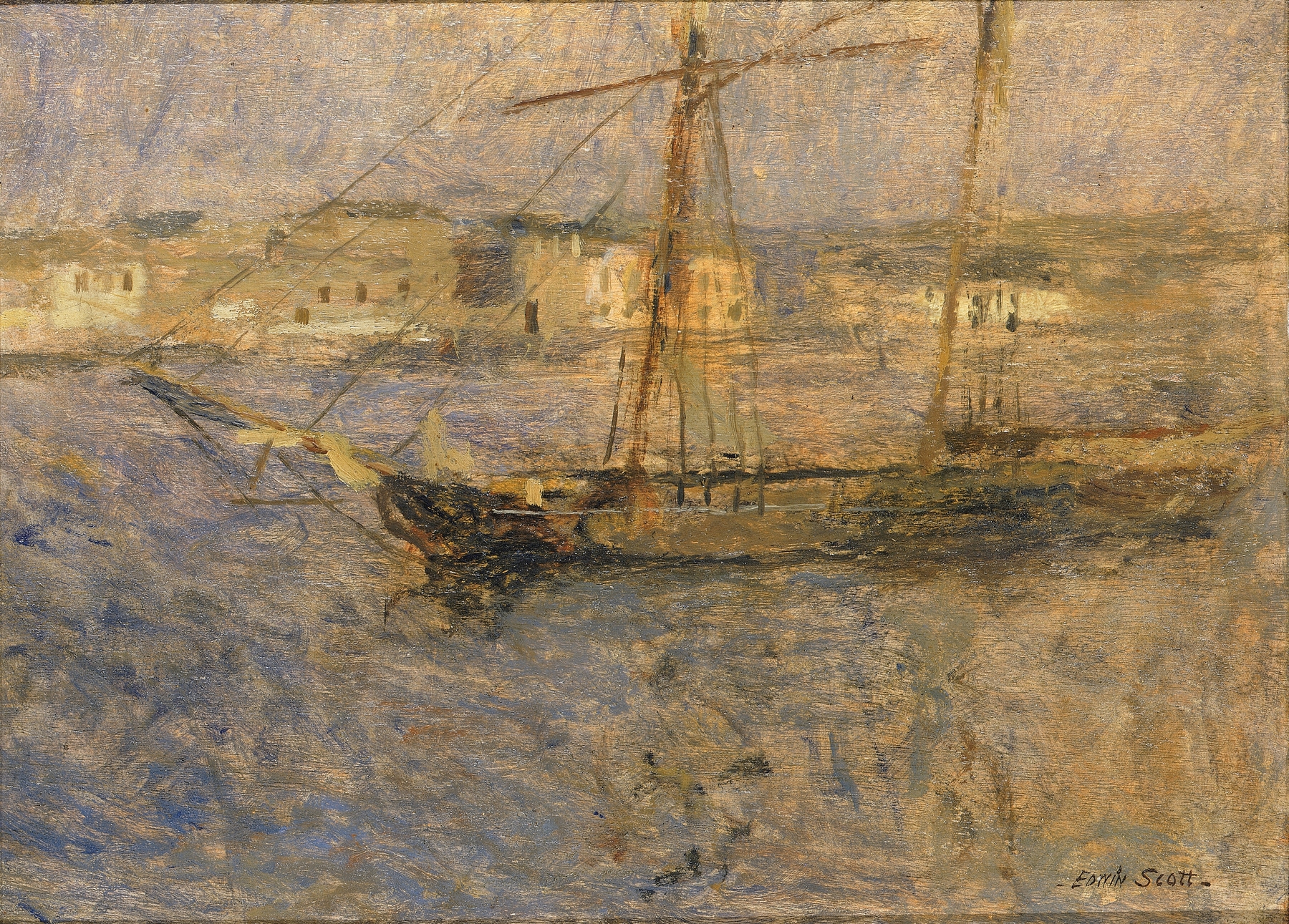
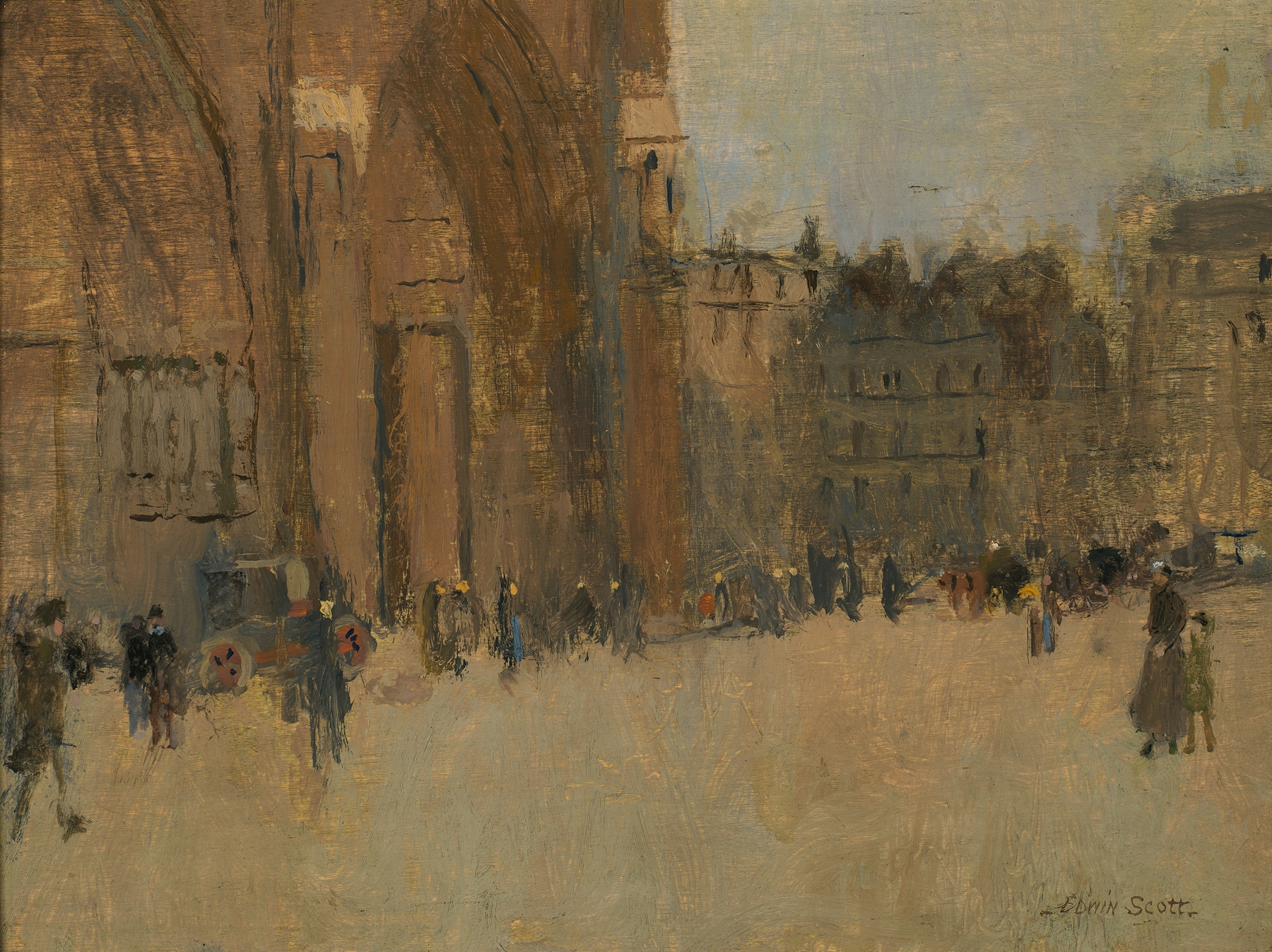
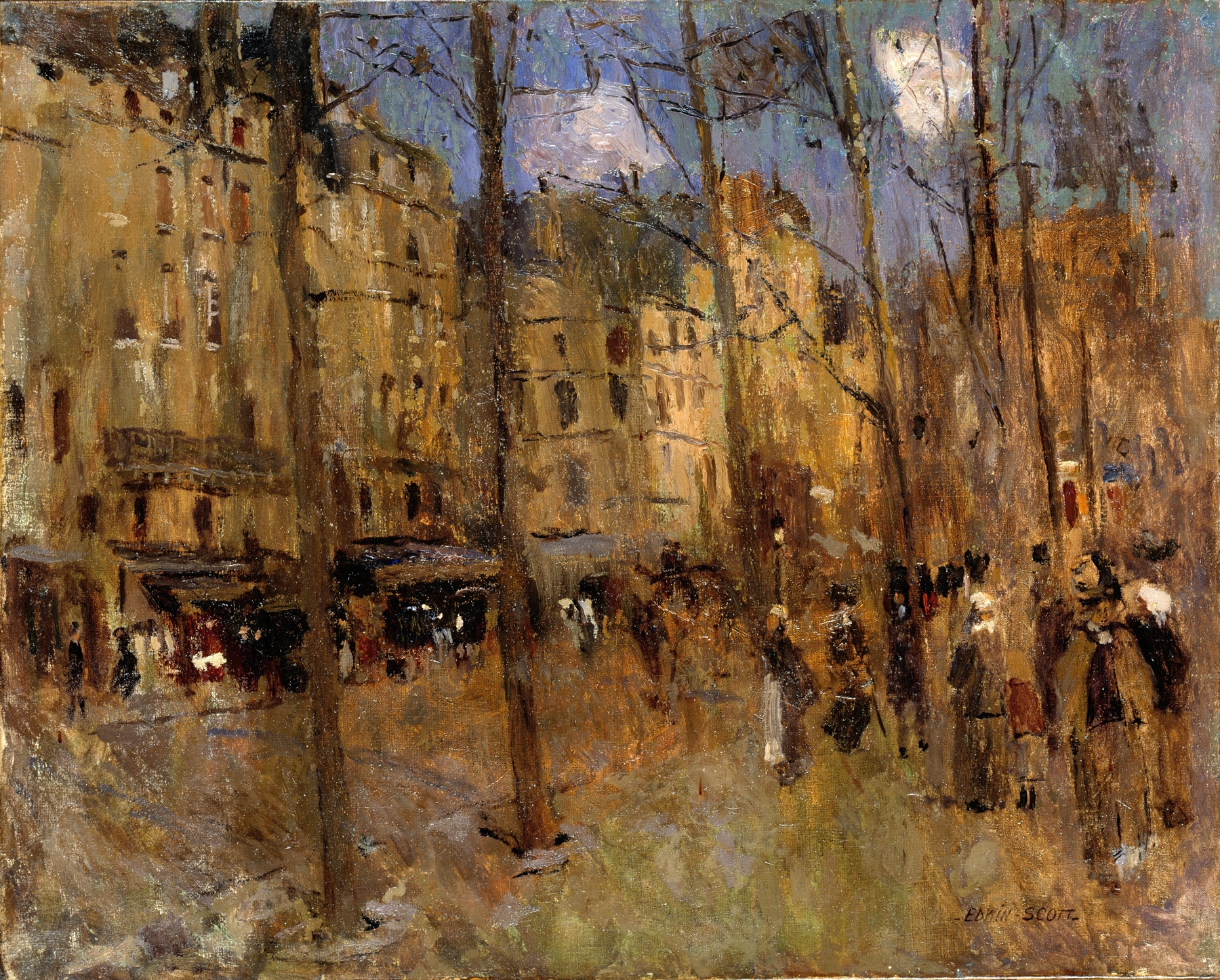
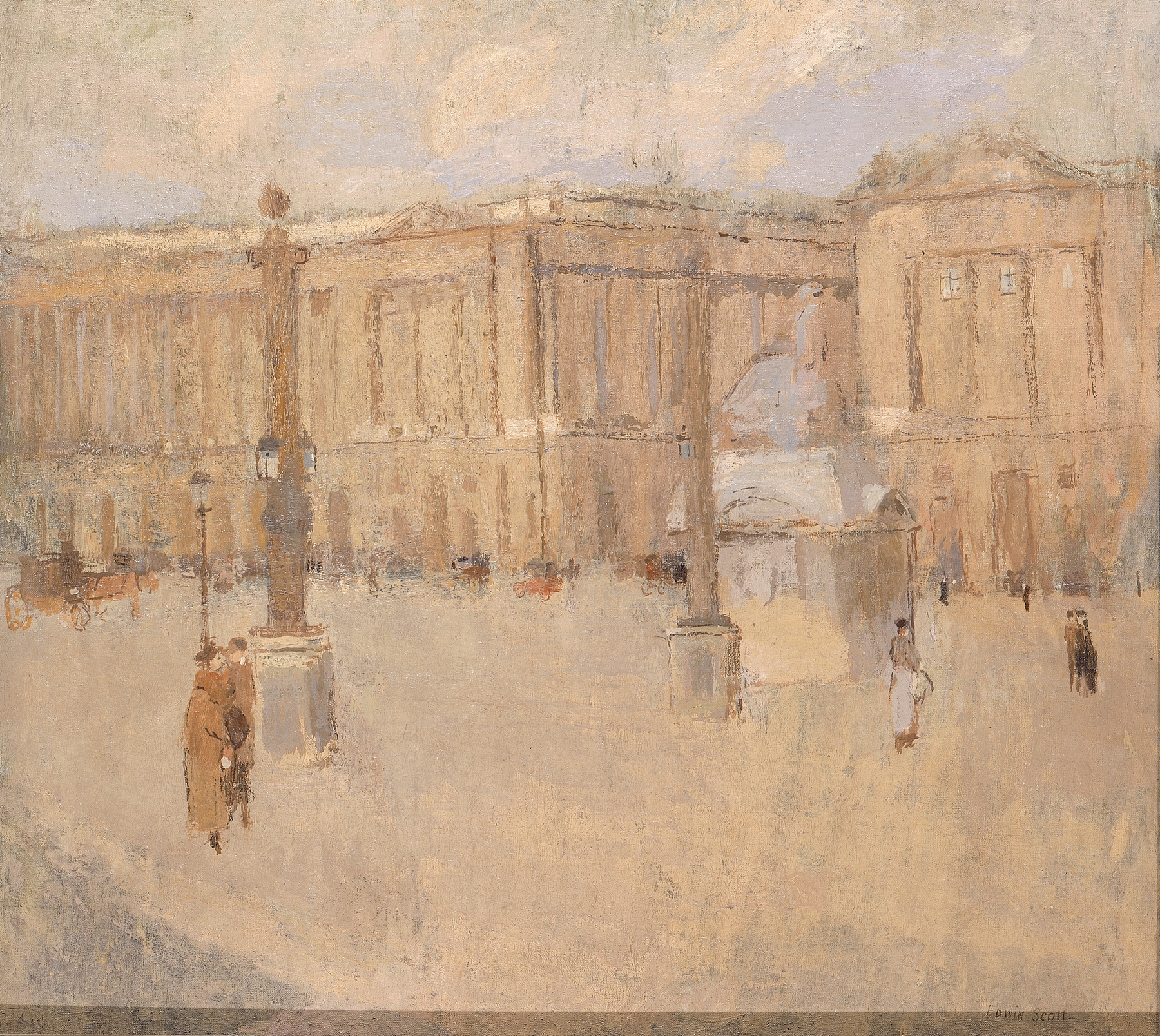
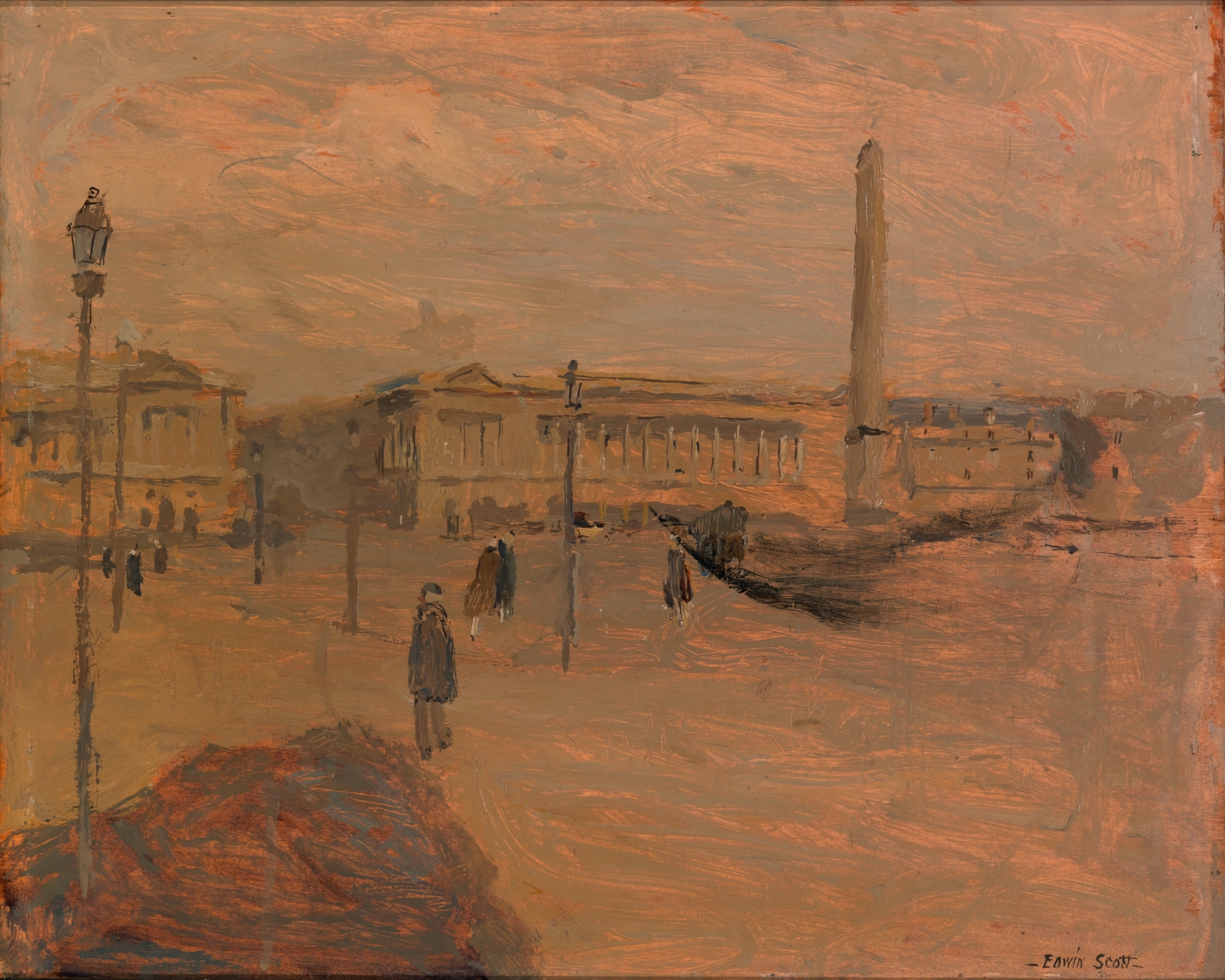
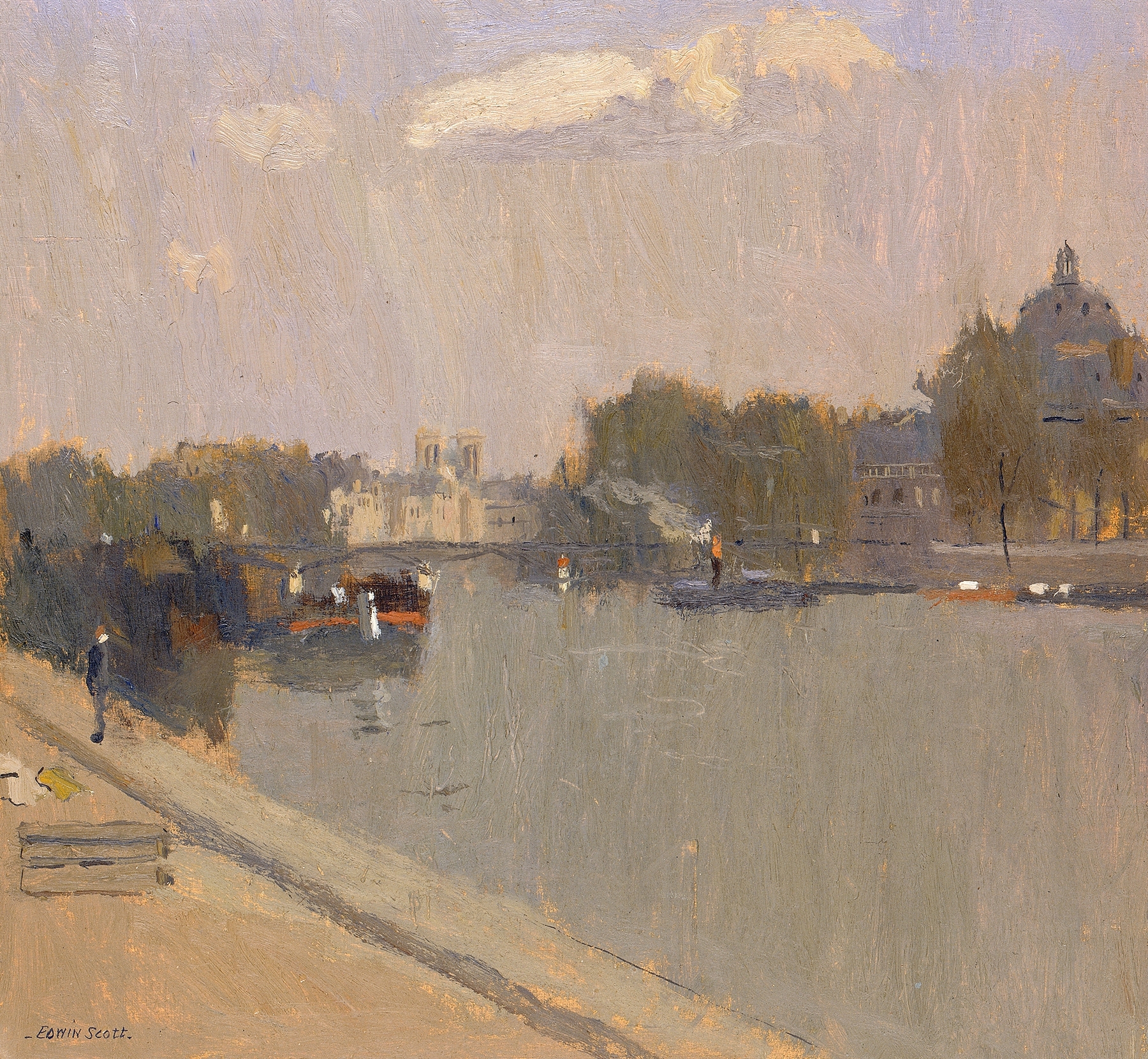
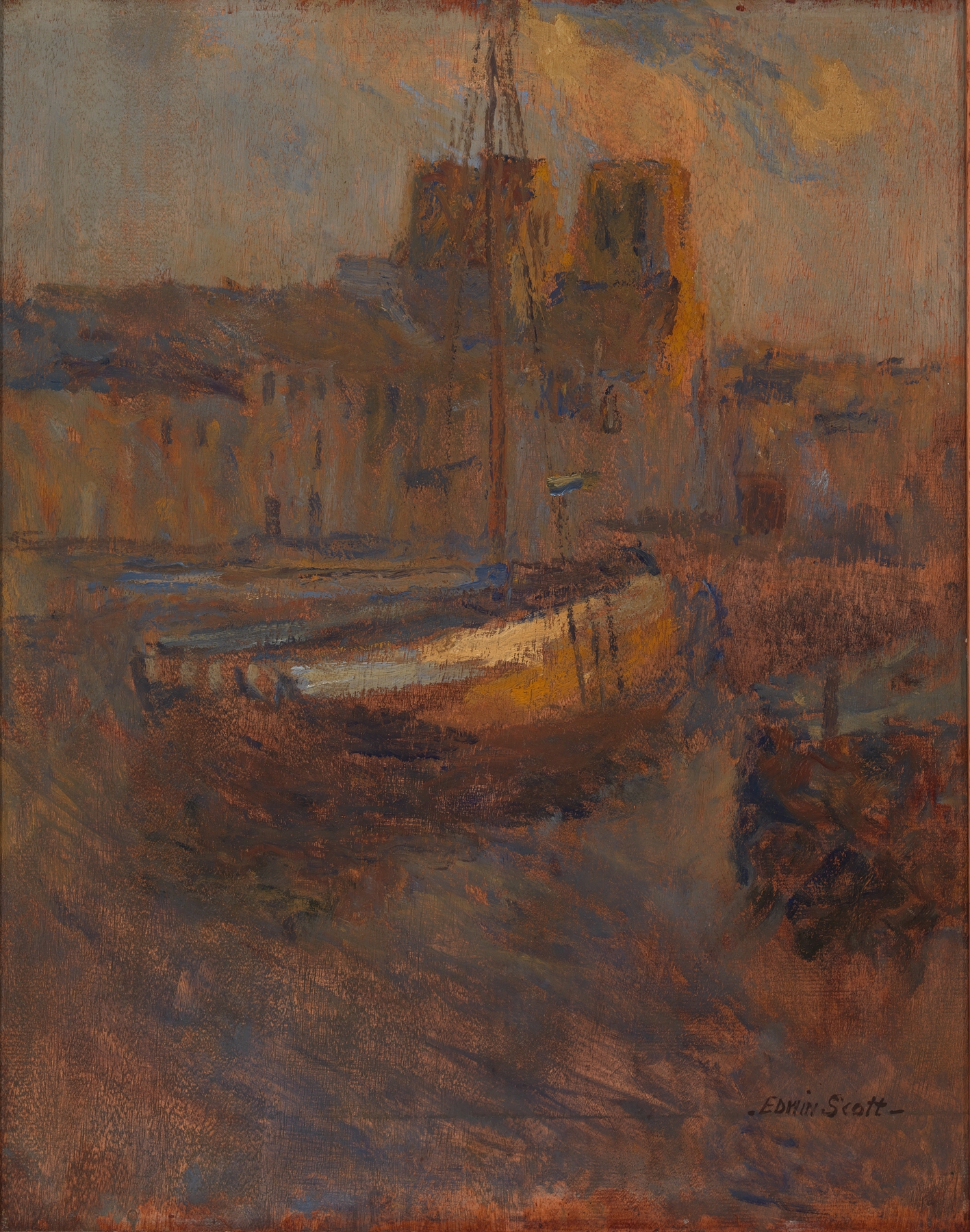
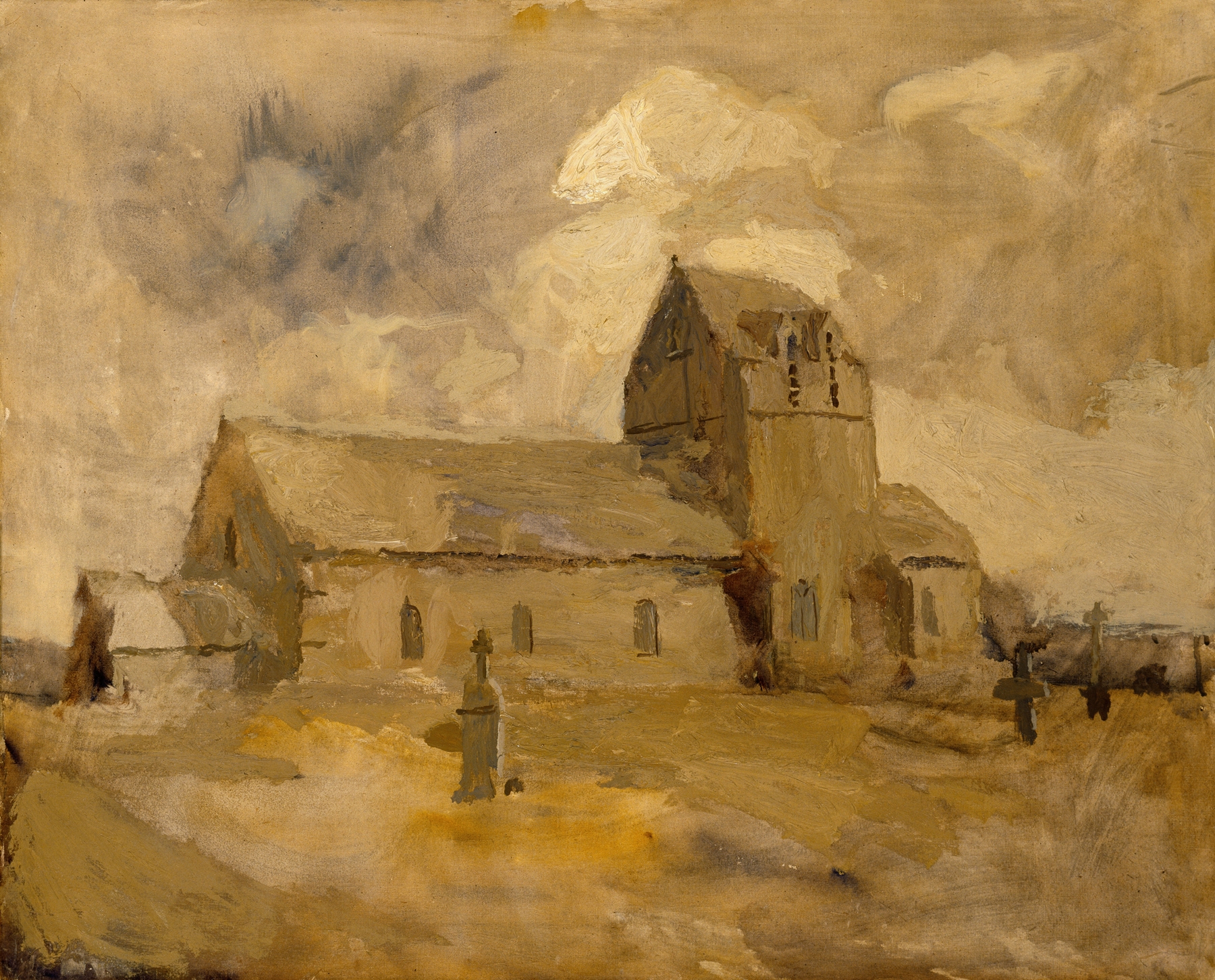
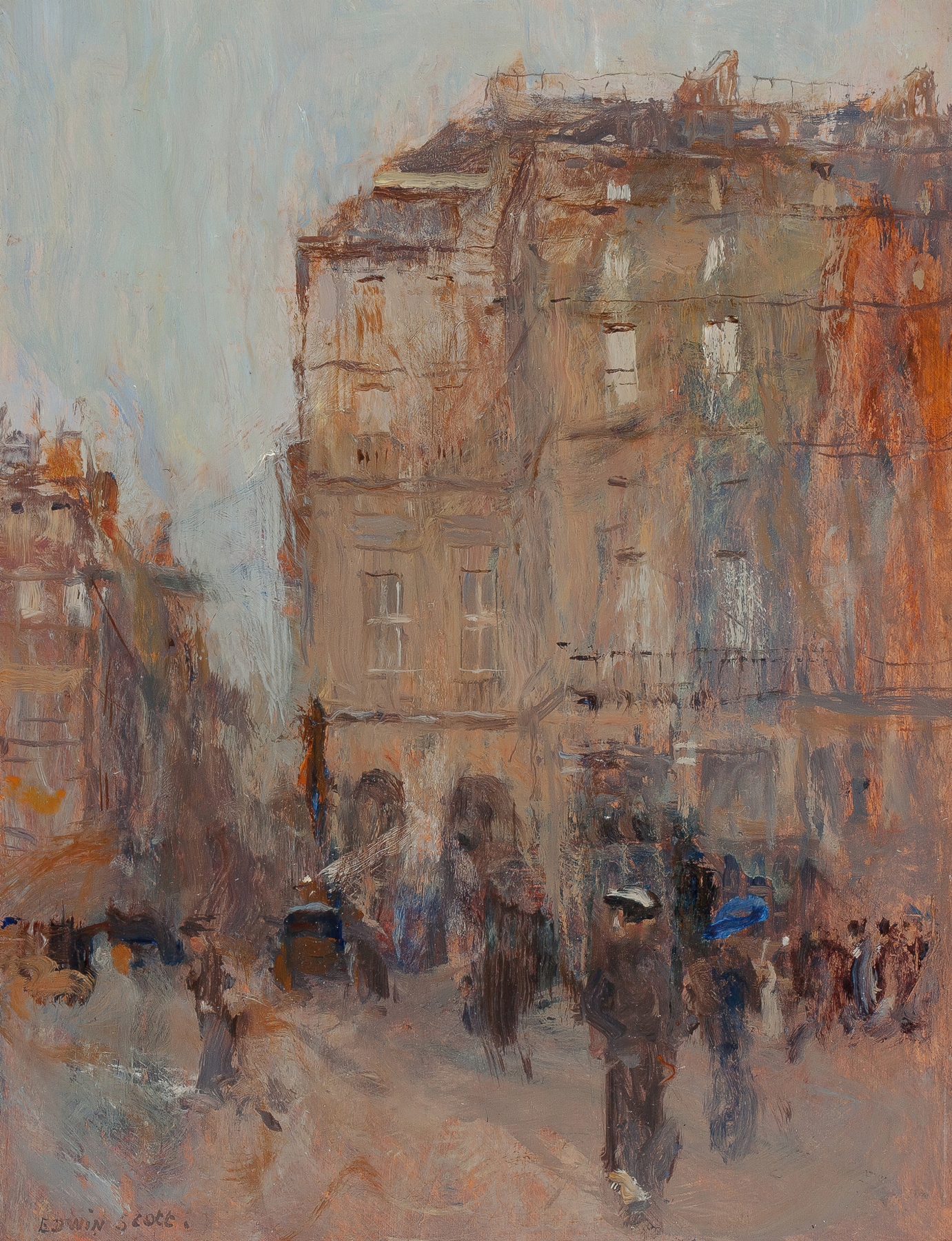
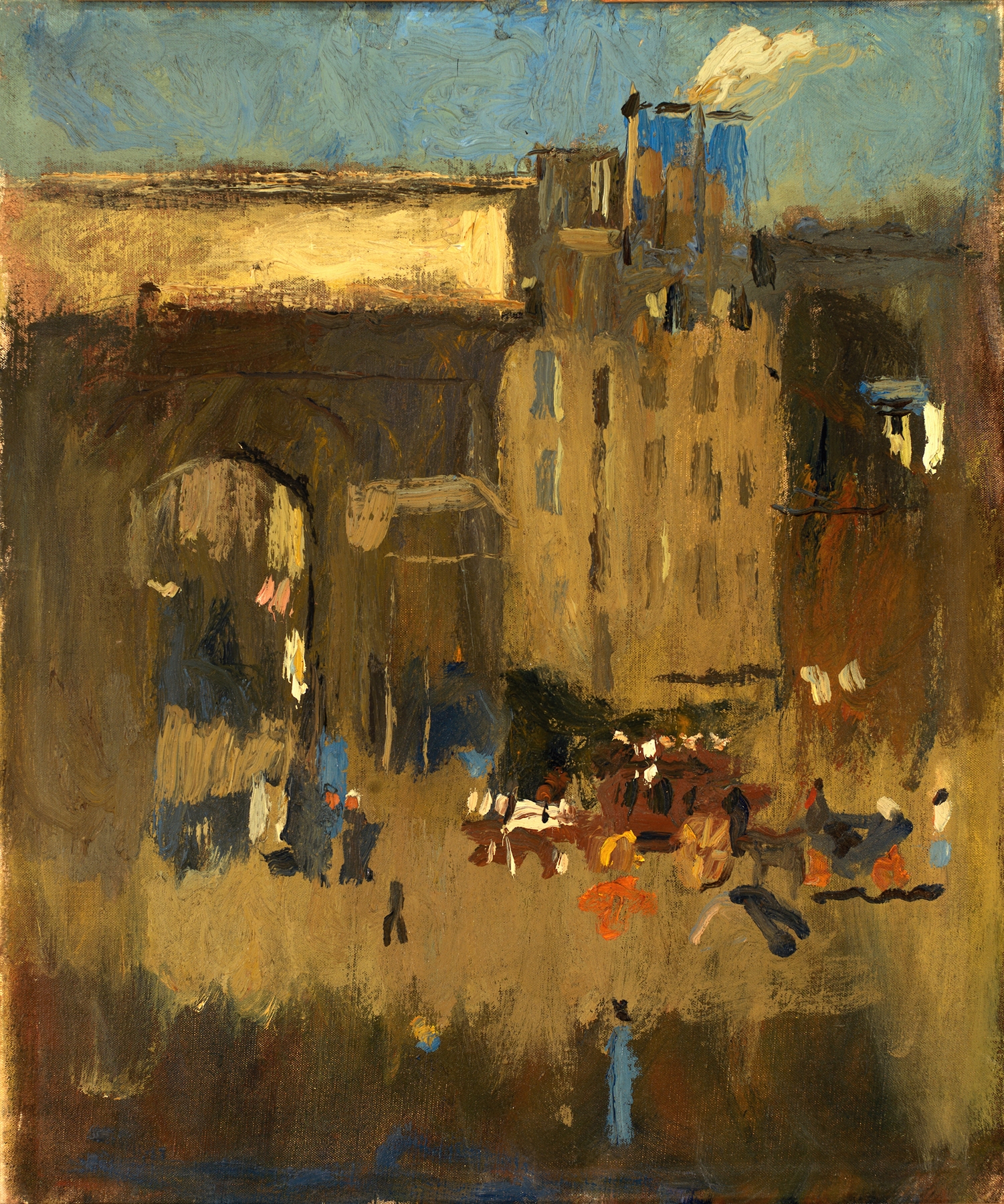
Could beauty survive in a century of chaos? In the haunting stillness of Vieilles Maisons (Paris), the past lingers like a forgotten whisper, evoking a sense of nostalgia tangled with betrayal. Focus on the vibrant hues of the neglected facades, where the walls seem to breathe stories of a bygone era. Notice how the warm light caresses the crumbling bricks, highlighting the delicate interplay between decay and resilience.
This juxtaposition draws the eye to the intricate details of iron balconies, each curling line symbolizing the ghosts of lives once lived, while shadows loom, echoing the weight of history. The emotional tension is palpable; the artwork speaks of lost beauty and unfulfilled dreams. The vibrant colors, while alluring, harbor an underlying sadness — an acknowledgment of neglect and the passage of time. The contrast between light and shadow not only suggests the duality of hope and despair but also raises questions about the integrity of memory in a city forever in flux, where joy is tinged with the bitterness of betrayal.
Frank Edwin Scott painted this piece during a transformative period, surrounded by the echoes of modernism and the remnants of classical influences. The precise date remains uncertain, yet it is evident that Scott was deeply inspired by the Parisian landscape, exploring themes of identity and change against the backdrop of a city marked by both beauty and turmoil. This work stands as a testament to his ability to capture emotional complexities within the ever-evolving urban narrative.