View of Wicklow Hills — History & Analysis
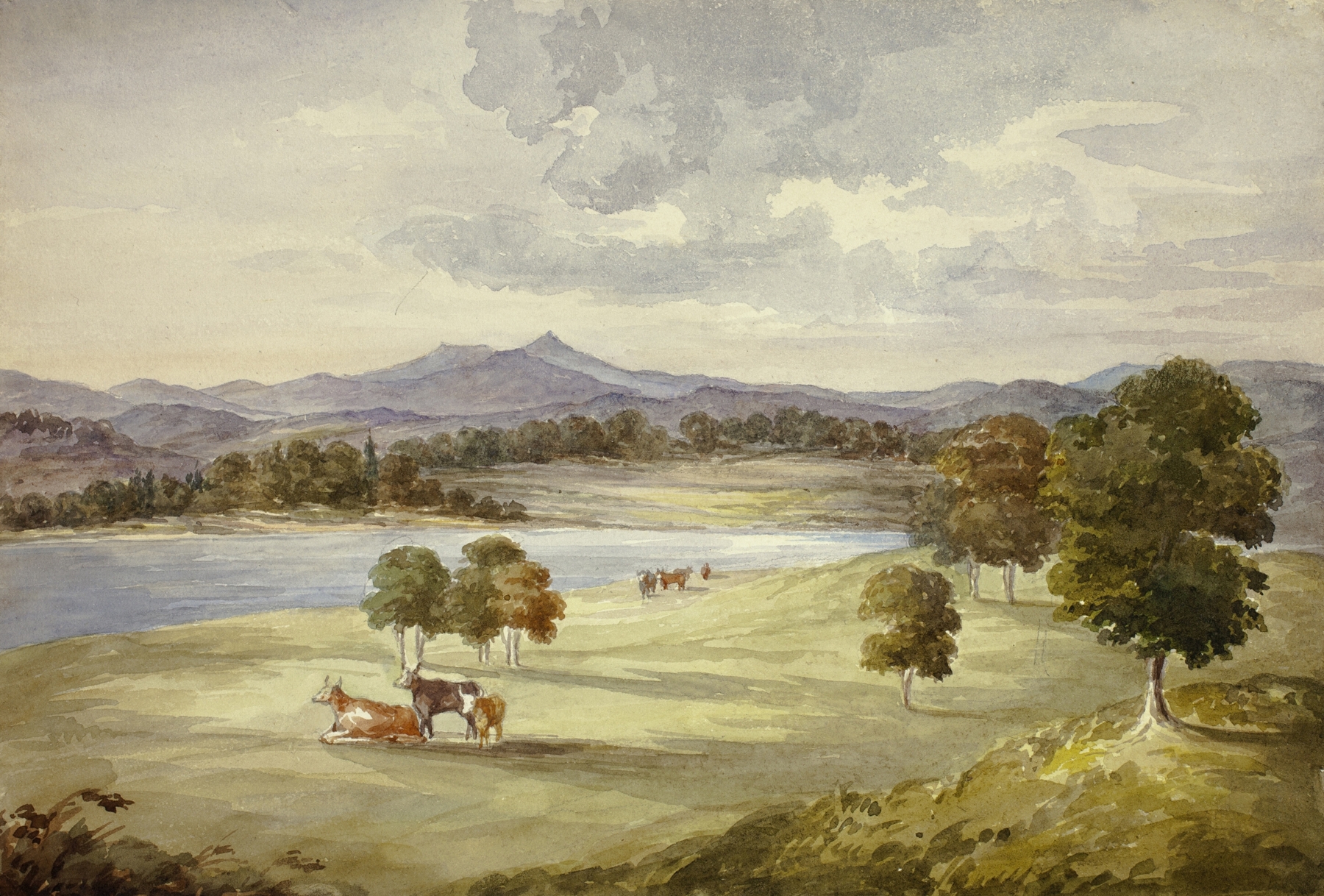
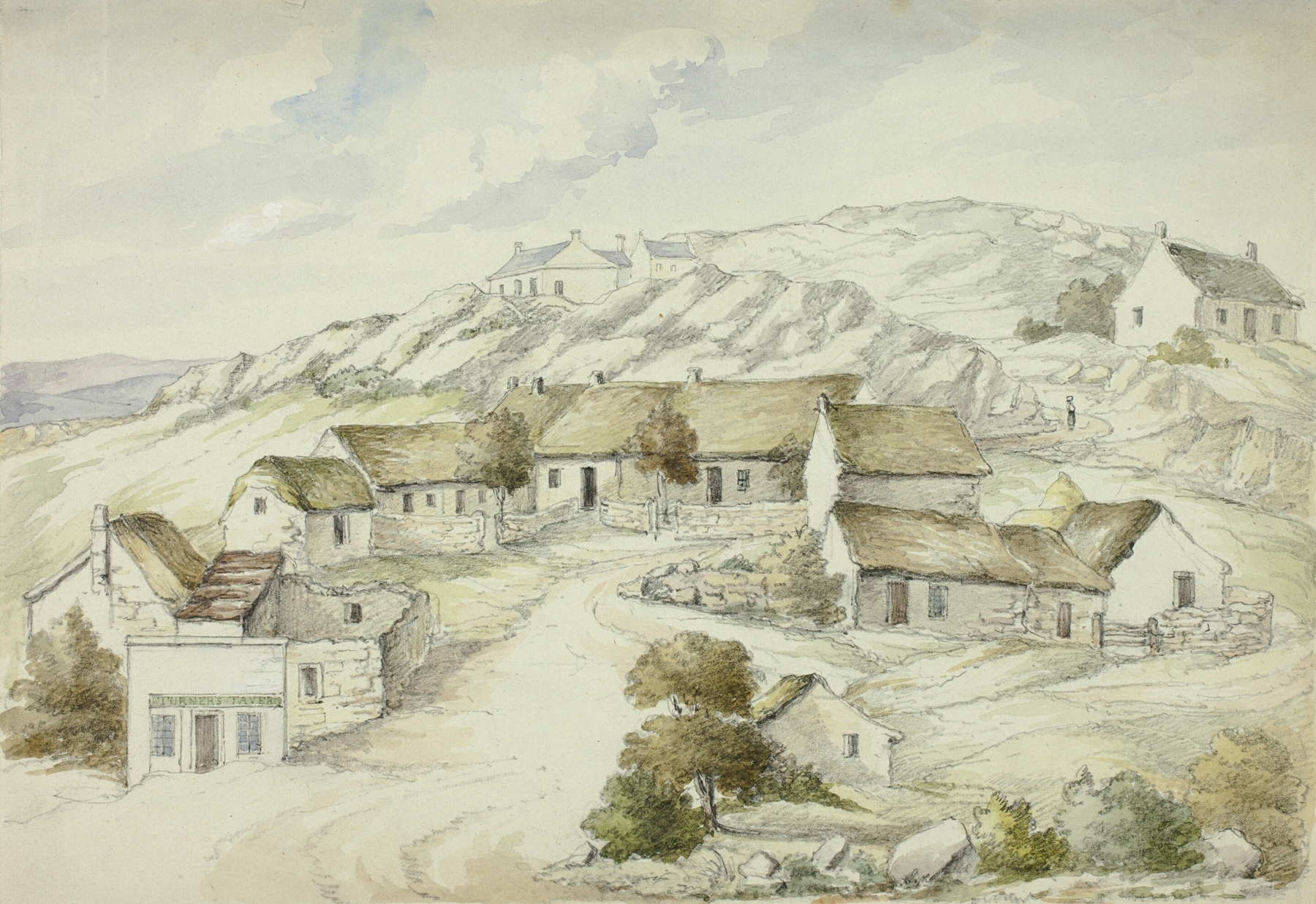
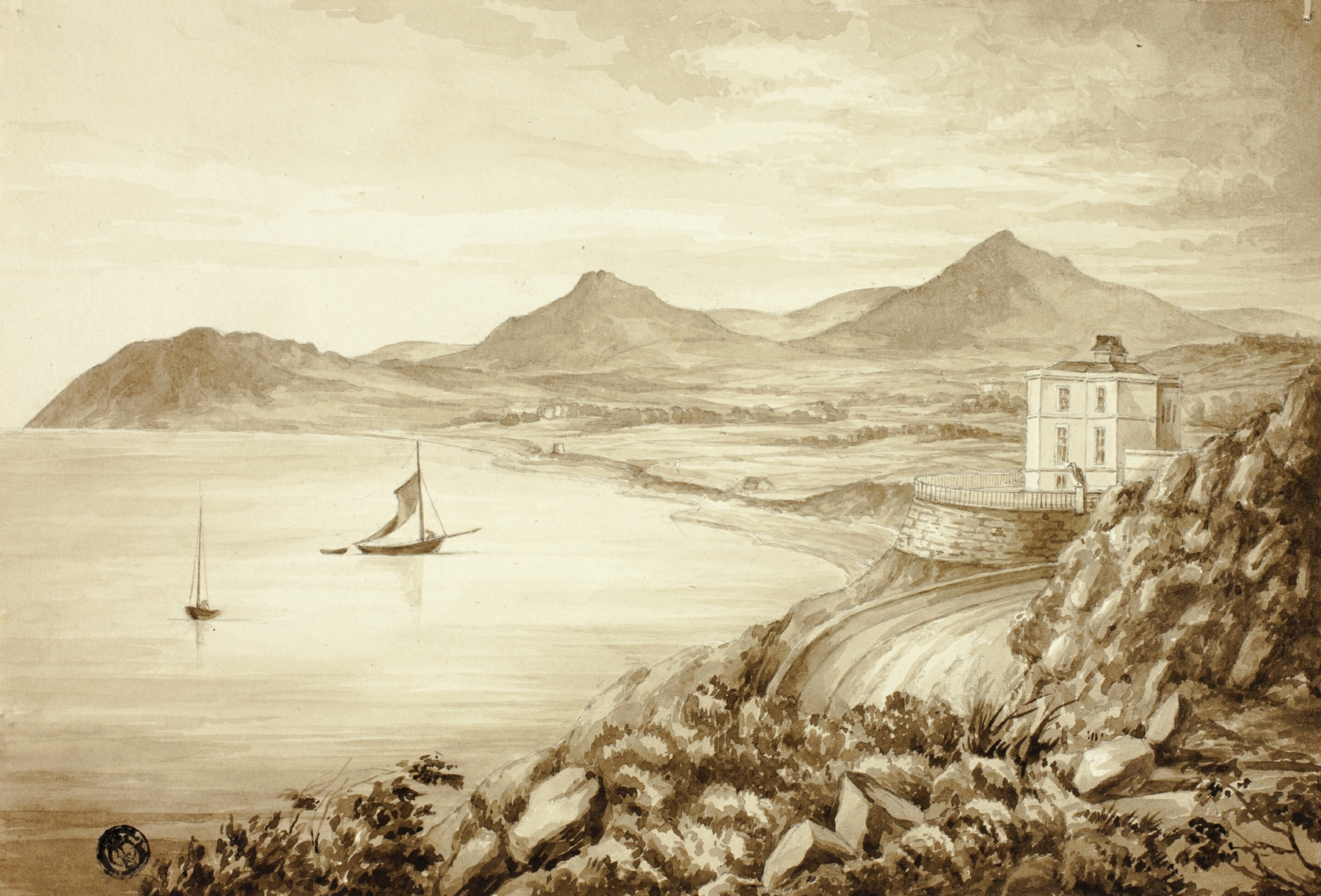
Is this a mirror — or a memory? In View of Wicklow Hills, a landscape unfolds, evoking a profound sense of longing that transcends the boundaries of time and space. Look to the foreground; notice how the lush, verdant hills roll gracefully beneath a blanket of soft, diffused light. The artist employs a palette of deep greens and warm ochres, inviting the eye to wander along the undulating contours of the land. The delicate interplay of light and shadow creates a sense of depth, as if the hills themselves are breathing — alive with the whispers of the past.
The horizon is a subtle line where earth meets sky, pulling you into a contemplative embrace. Within this serene expanse, there exists a tension between tranquility and yearning. The distant hills, seemingly untouched and eternal, contrast with the fleeting nature of human experience, reminding us of the memories that linger like the mist that hovers above the landscape. Each stroke of the brush conveys an emotional resonance; the viewer might sense a story behind the hills, a narrative of dreams unfulfilled or moments cherished yet lost.
This painting speaks to the heart, drawing forth an ache for connection with what might have been. In 1843, Elizabeth Murray painted this piece while living in Dublin, during a time when the Romantic movement was influencing artists across Europe. As a woman artist in a male-dominated field, she sought to capture the beauty of her homeland amidst societal constraints. This work reflects both her personal experiences and the broader cultural shifts toward valuing nature and emotion in art.