Voetboogstraat te Amsterdam — History & Analysis
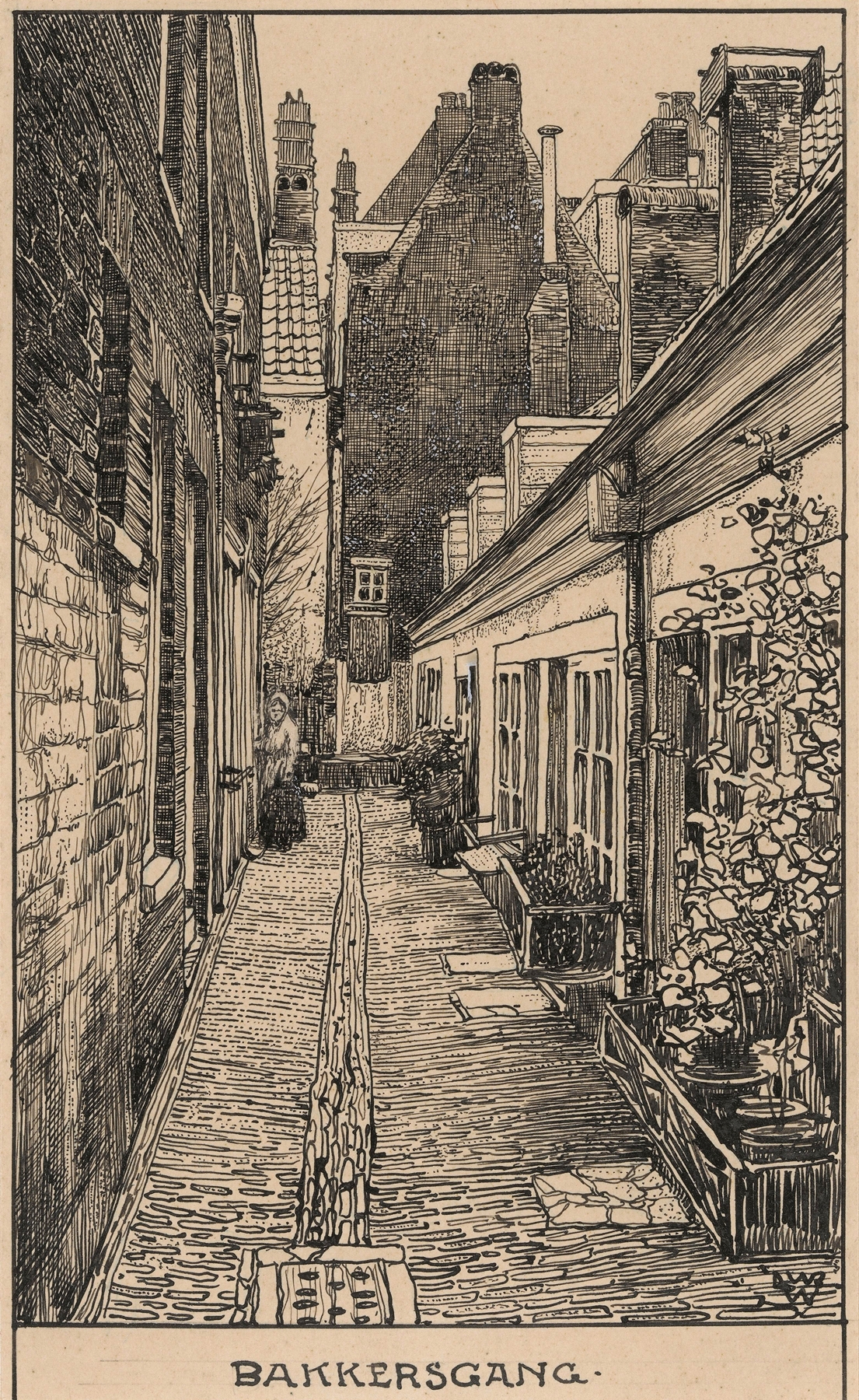
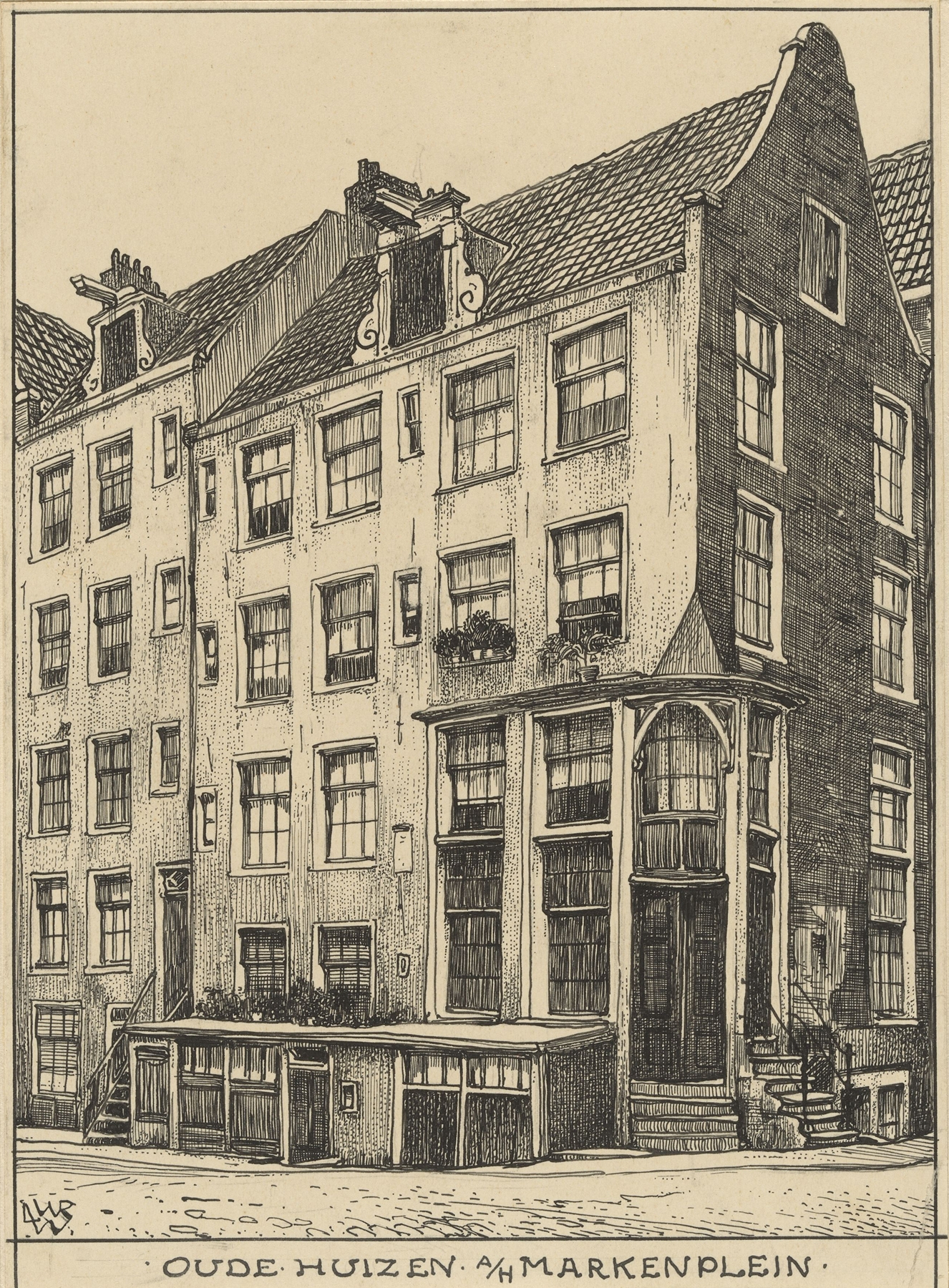
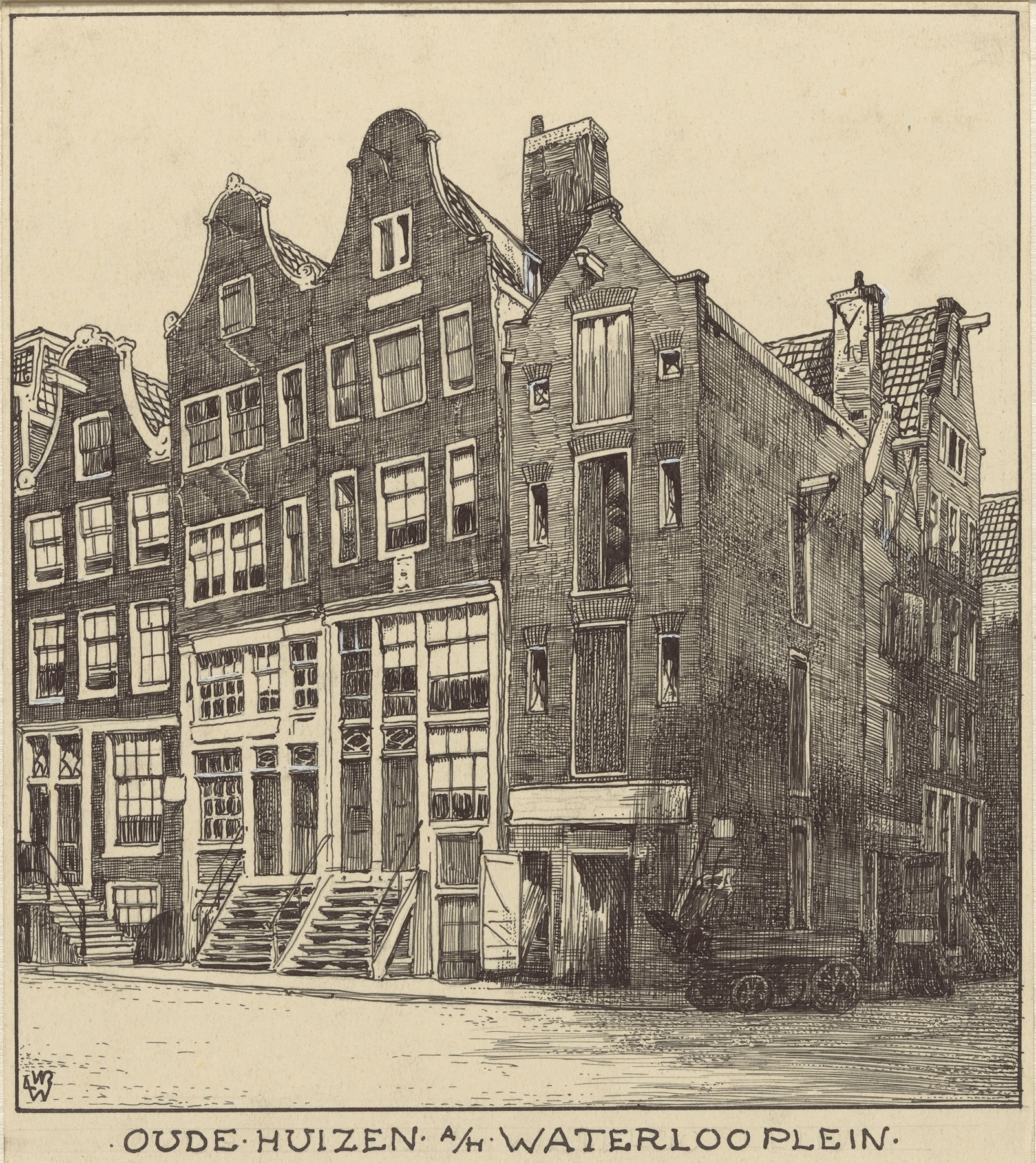
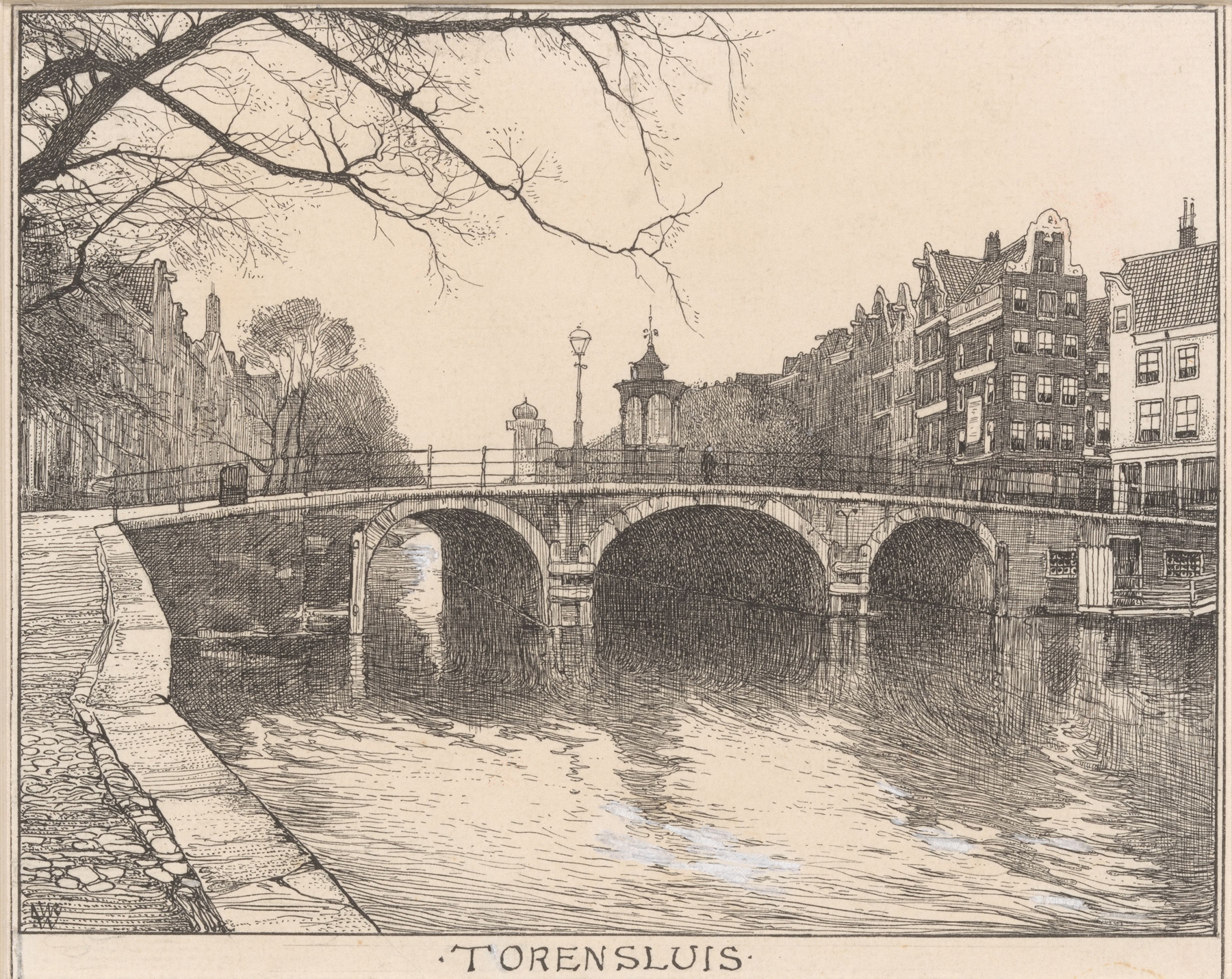
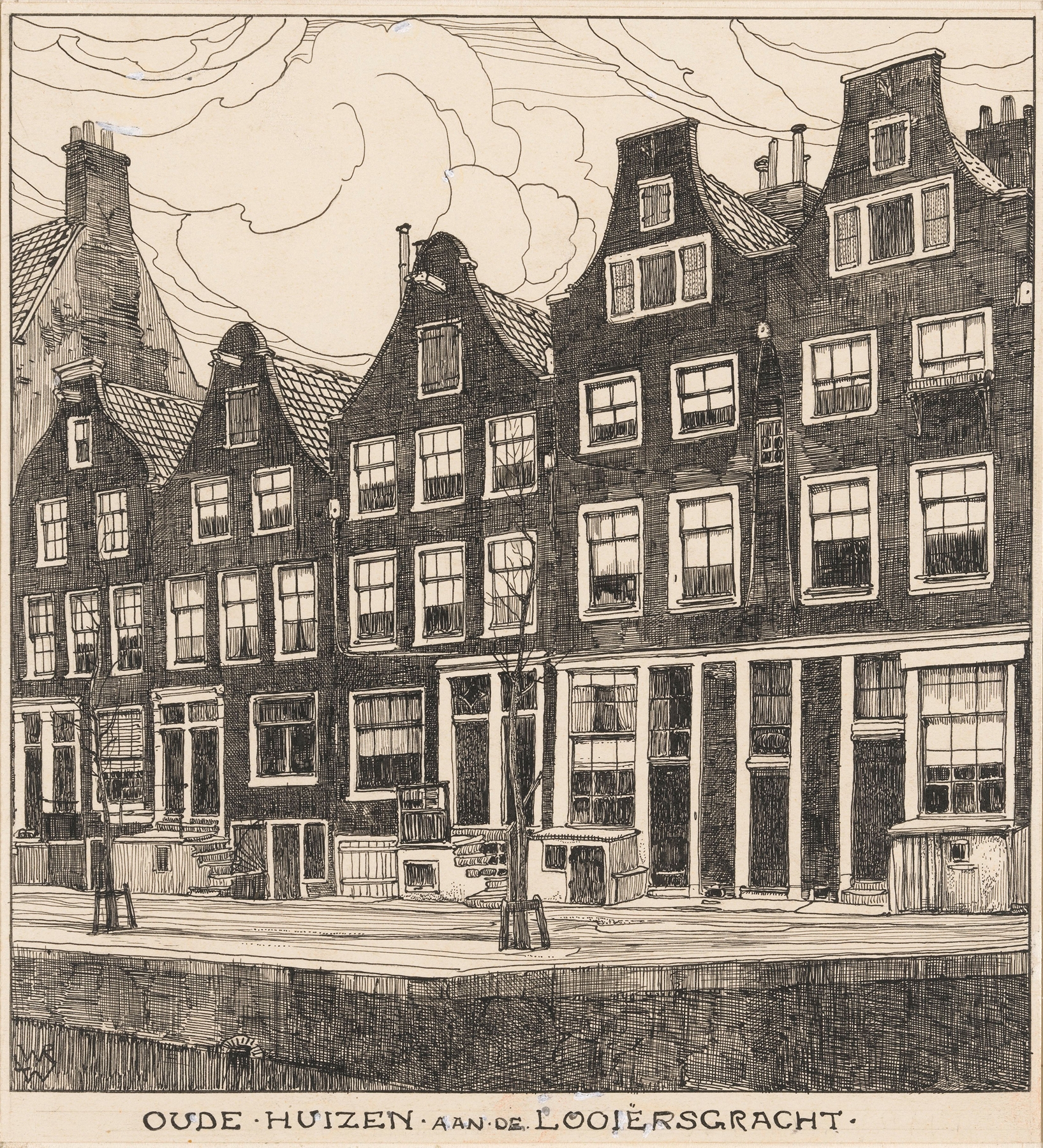
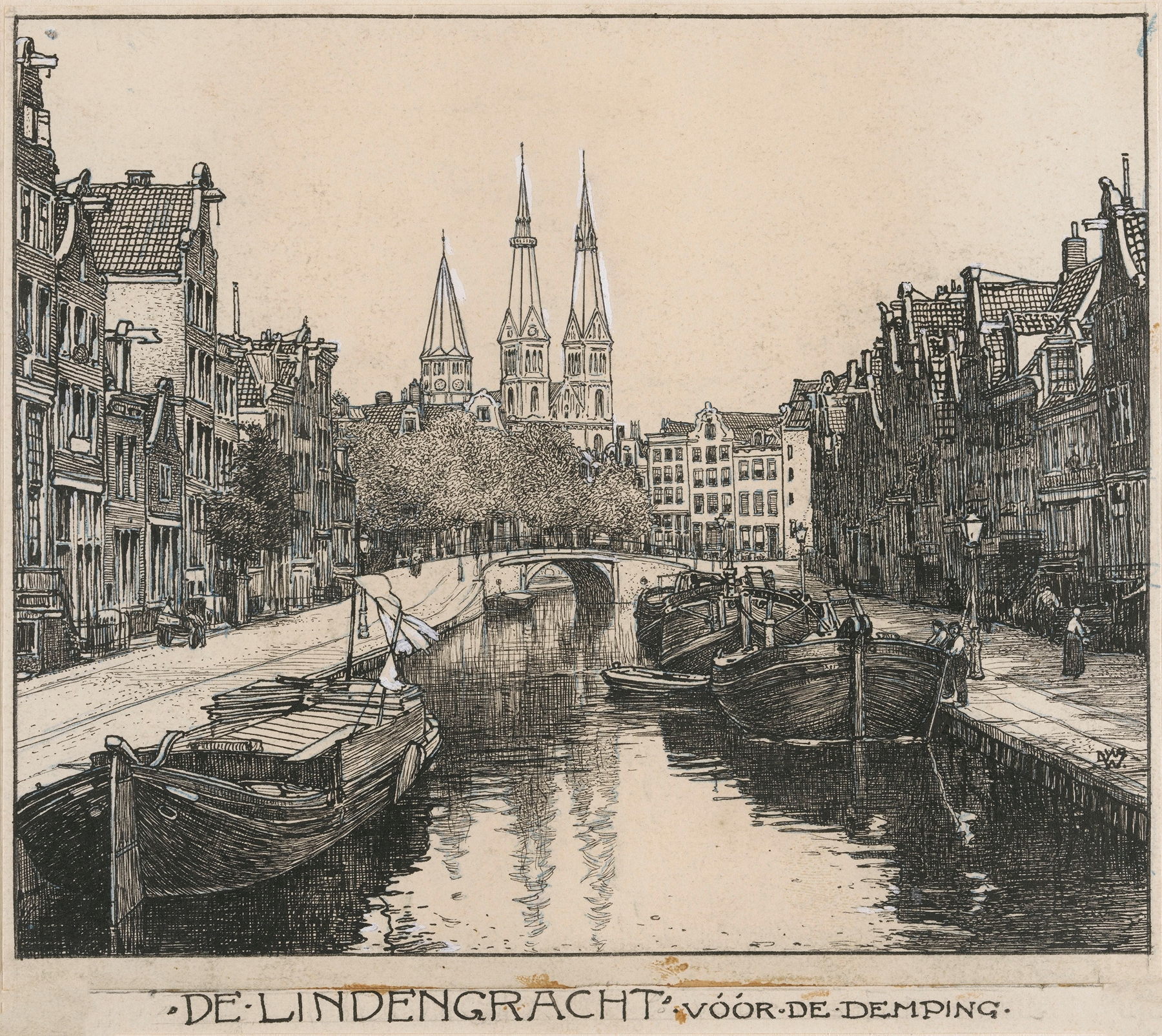
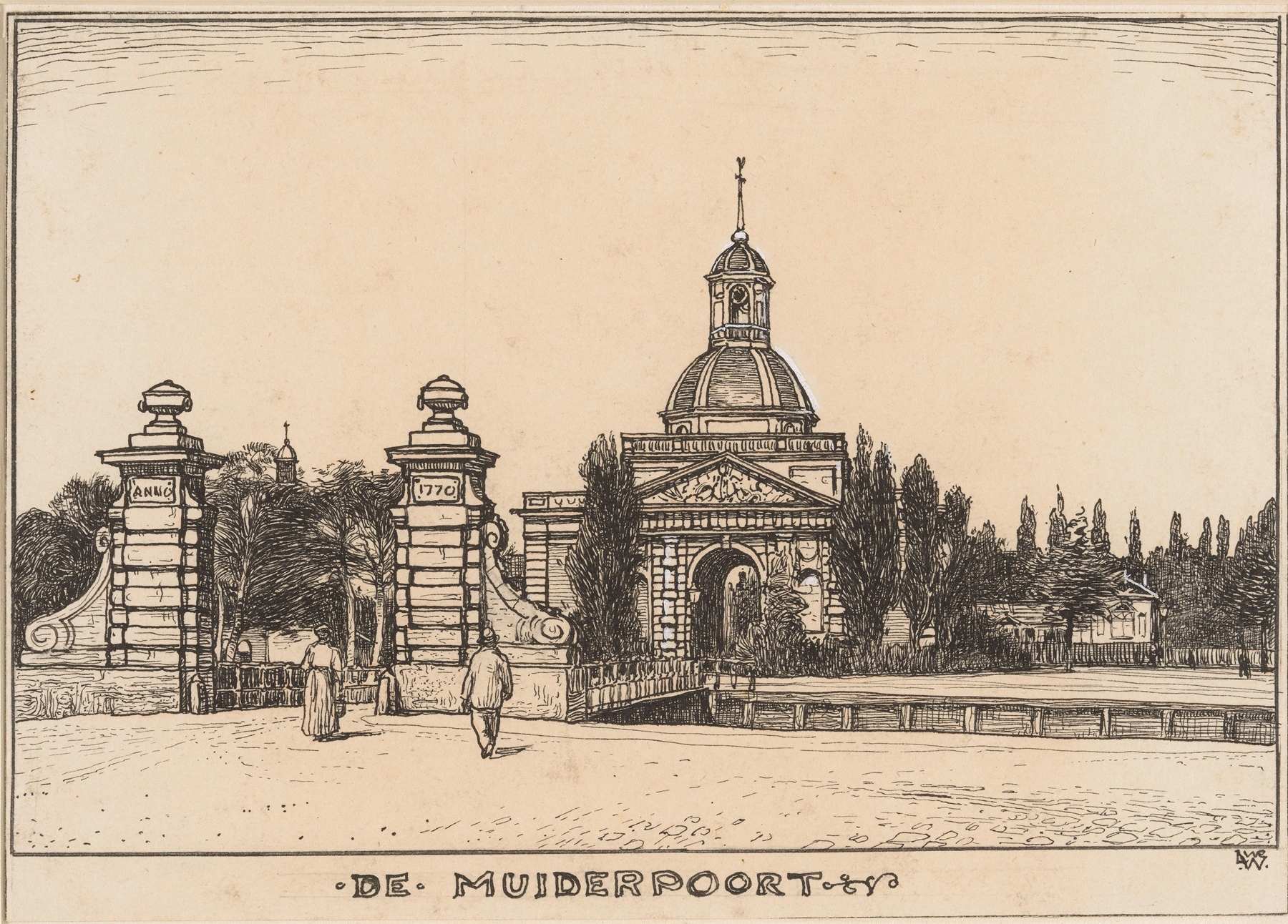
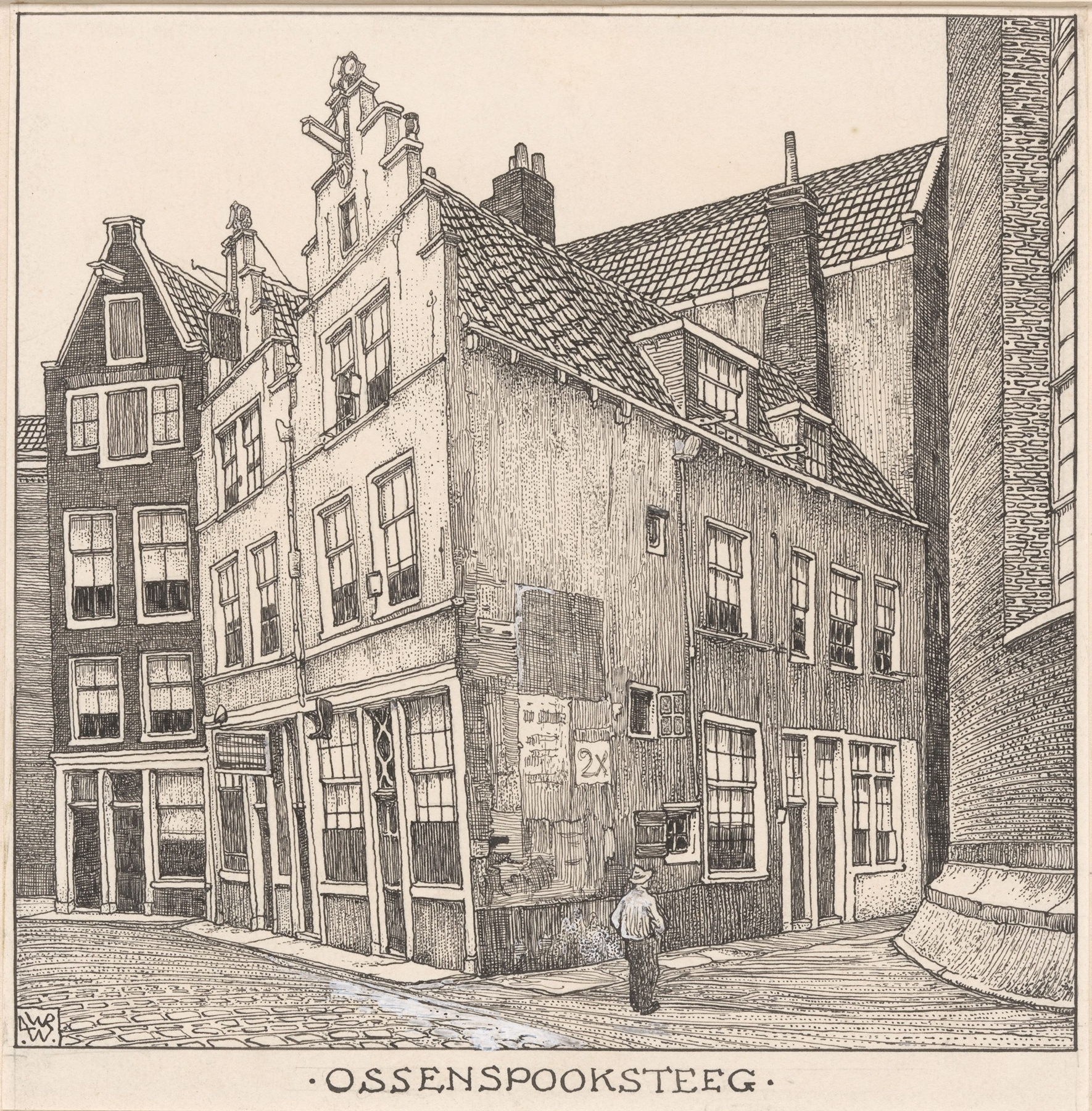
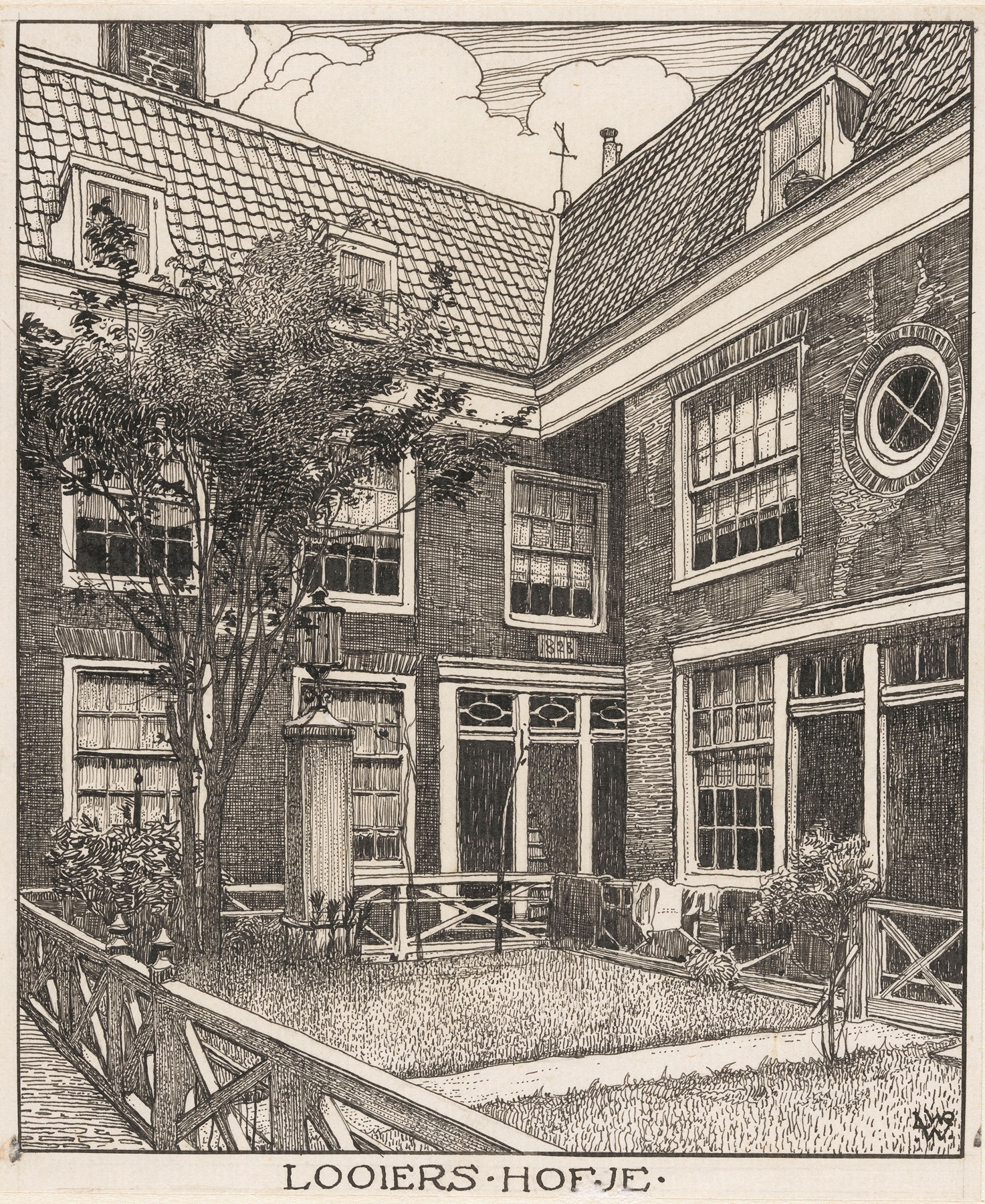
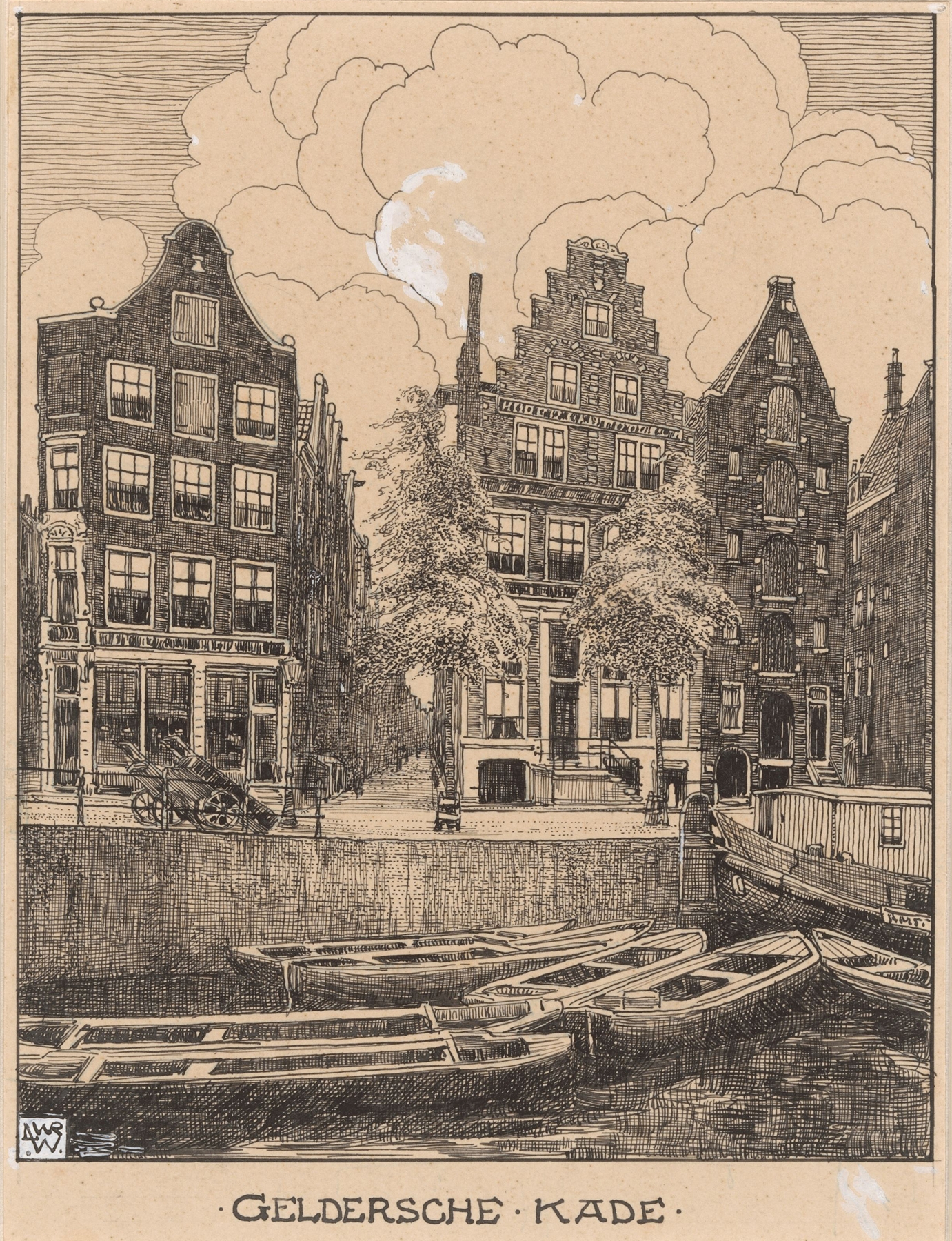
Can beauty exist without sorrow? In a city where shadows whisper tales of strife, the answer lies hidden within the vibrant hues of an ordinary street. Focus on the foreground, where cobblestones glisten with the remnants of rain, reflecting a patchwork of blues and browns. The buildings rise like sentinels, leaning slightly into one another, their façades warm with sun-kissed yellows and ochres. Notice the lone figure, their silhouette caught between light and shadow, suggesting movement yet frozen in a moment of contemplation.
The brushwork is deliberate, revealing the tension between architectural solidity and the fragility of human presence. As you explore further, the juxtaposition of life and decay emerges. The lively market stalls hint at community and connection, yet the dilapidation of some structures echoes quieter stories of loss and neglect. Each element within the composition serves as a reminder that beauty often coexists with violence—both in the physical world and in the human experience.
The subtle play of color captures a moment of vibrancy while inviting deeper reflections on the underlying narratives that shape these streets. Wenckebach created this striking piece during the mid-20th century in Amsterdam, a time marked by post-war recovery and the complex interplay of urban life. Amidst a backdrop of cultural evolution, he sought to capture the essence of everyday scenes, combining realism with emotional depth. His work reflects a growing interest in the narratives woven into the fabric of cities, where beauty and hardship coexist, inviting viewers to reconsider their perceptions of the world around them.