Waldwiese im Herbst — History & Analysis
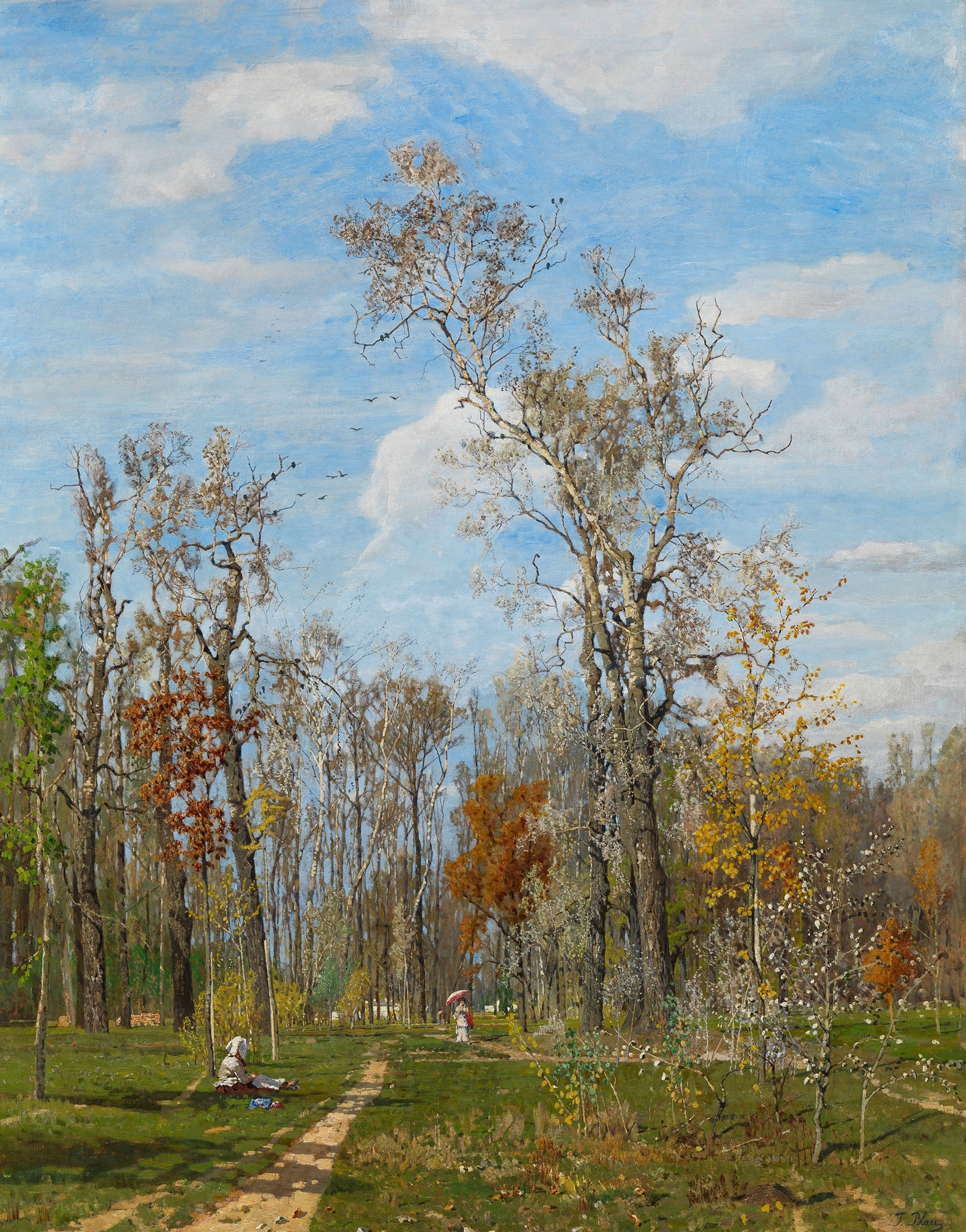
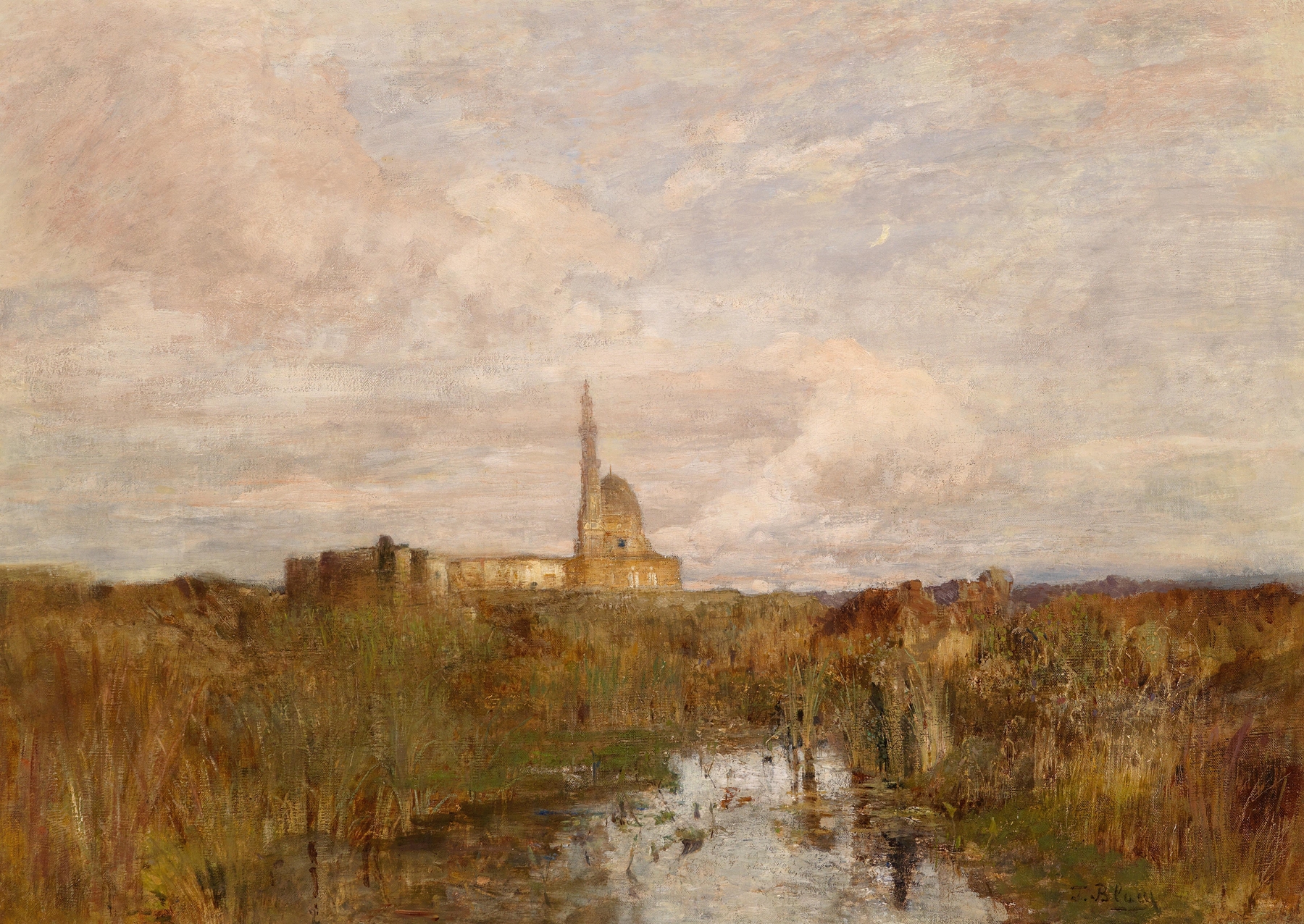
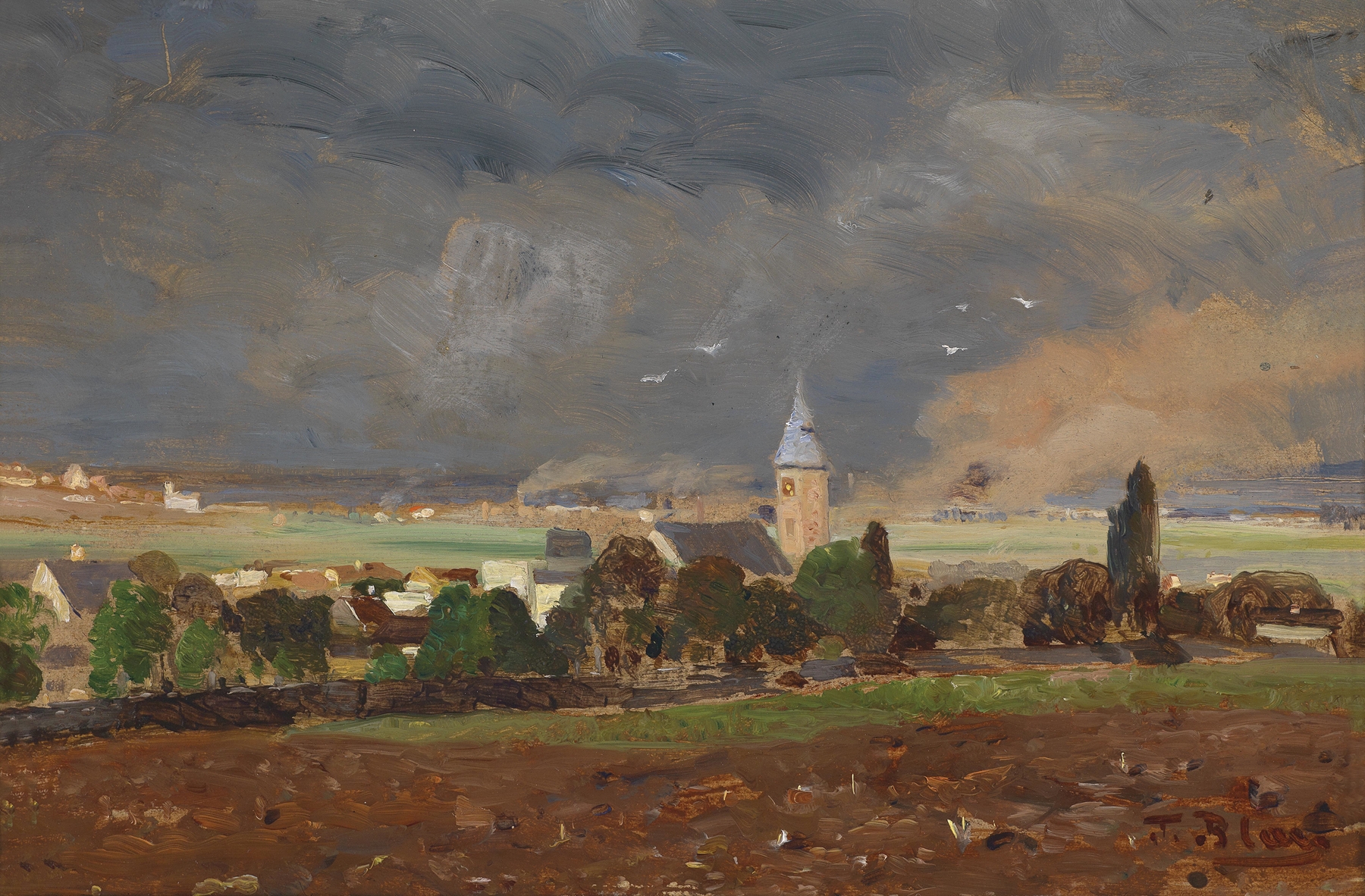
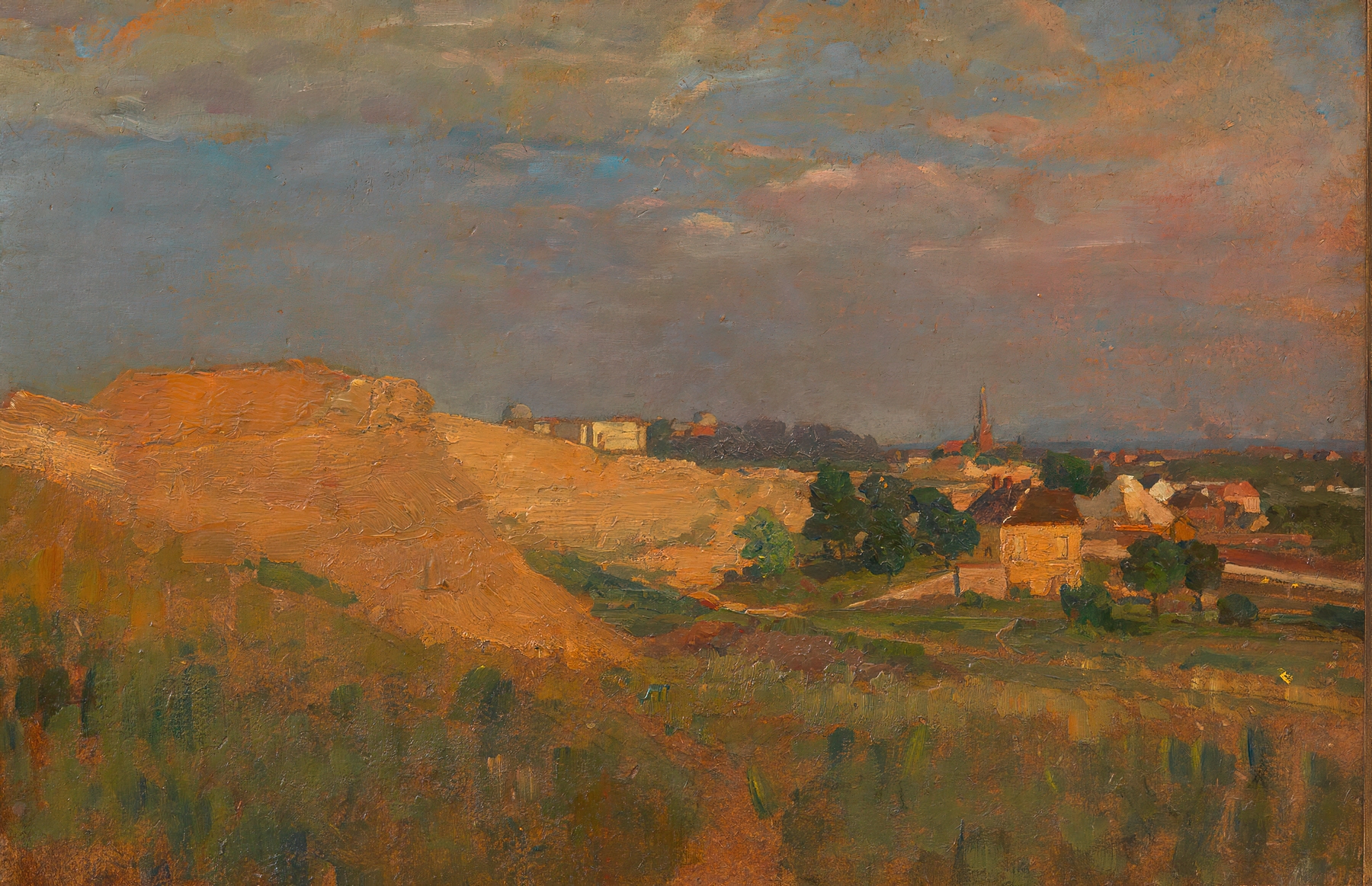
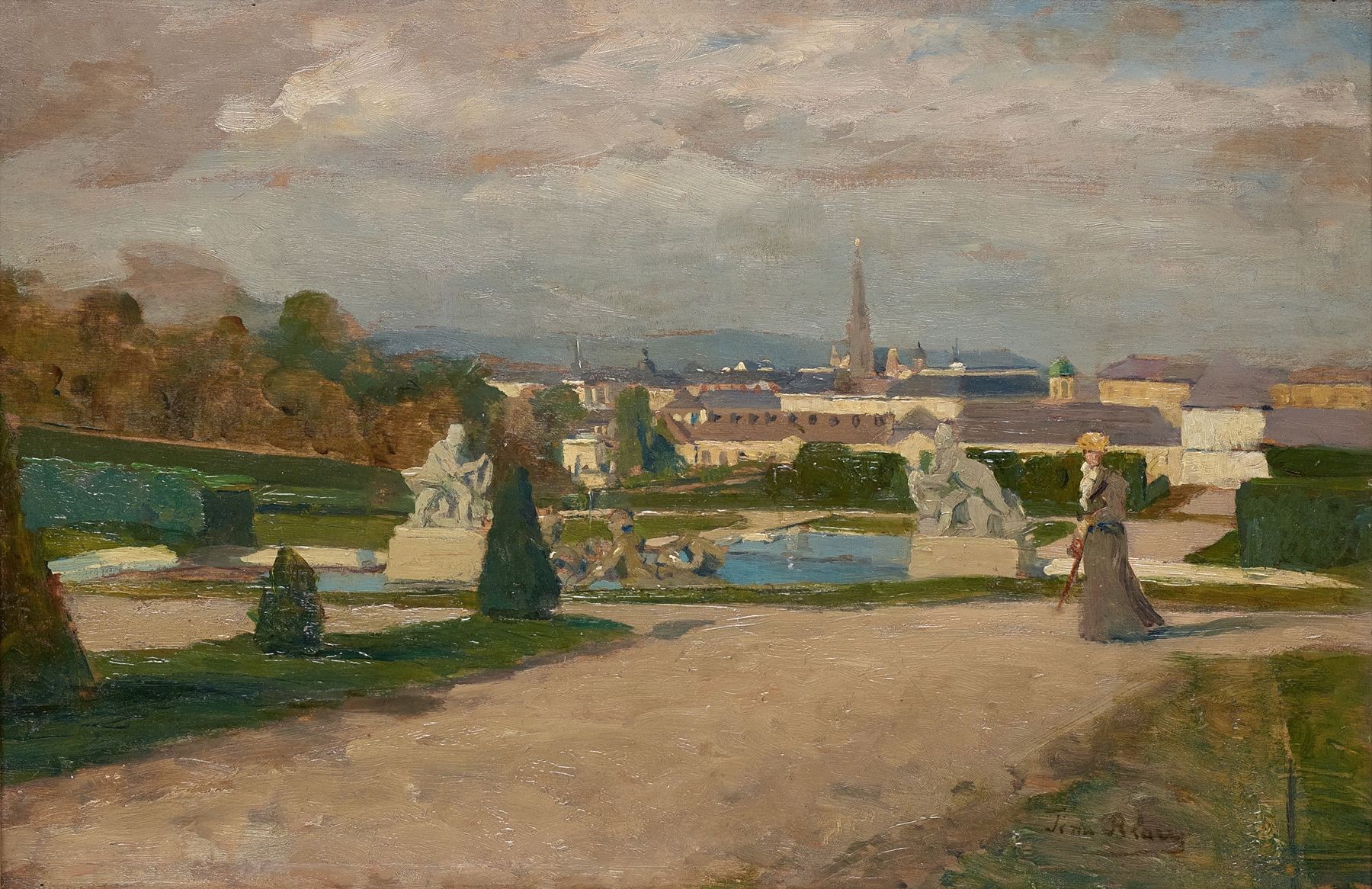
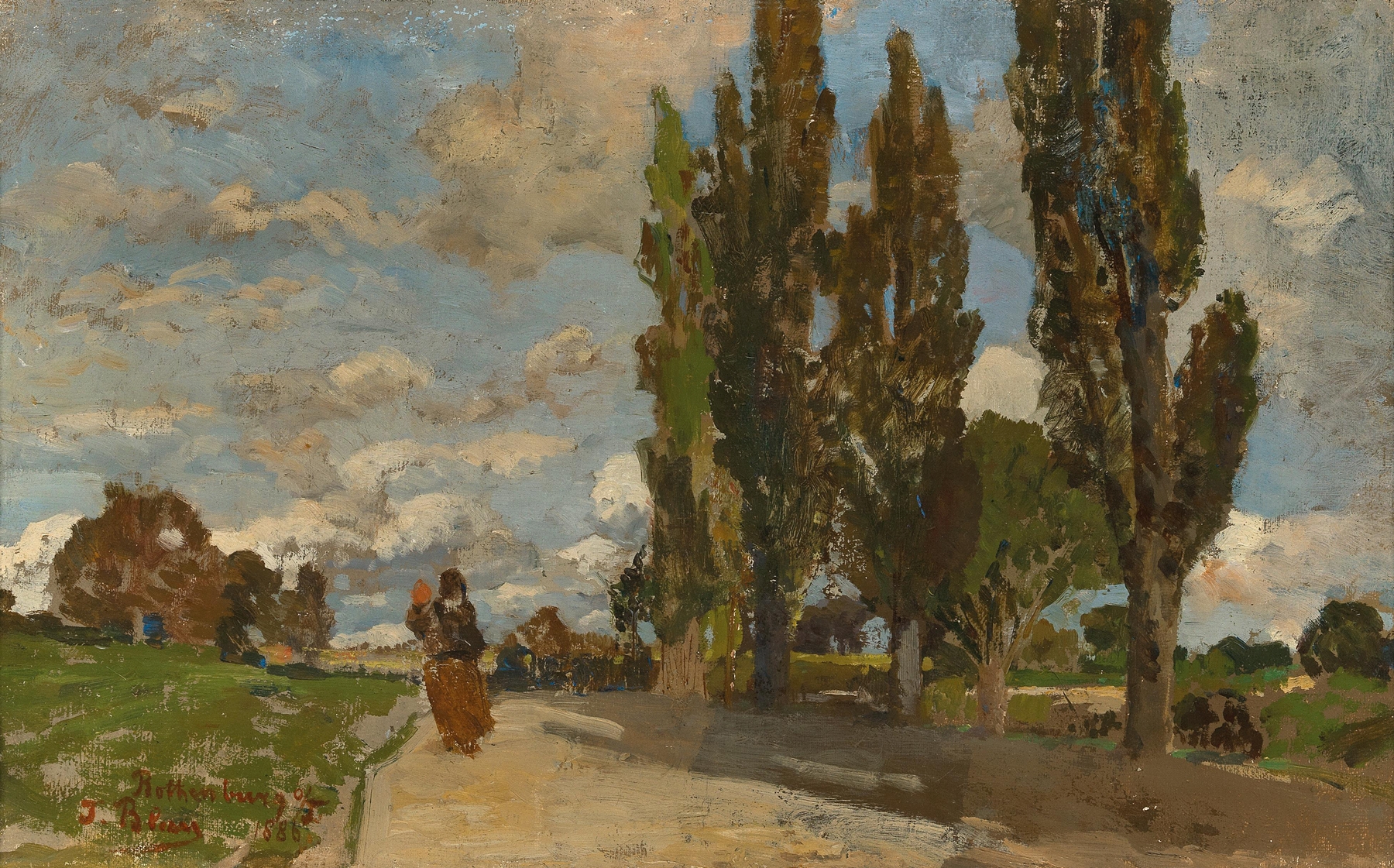
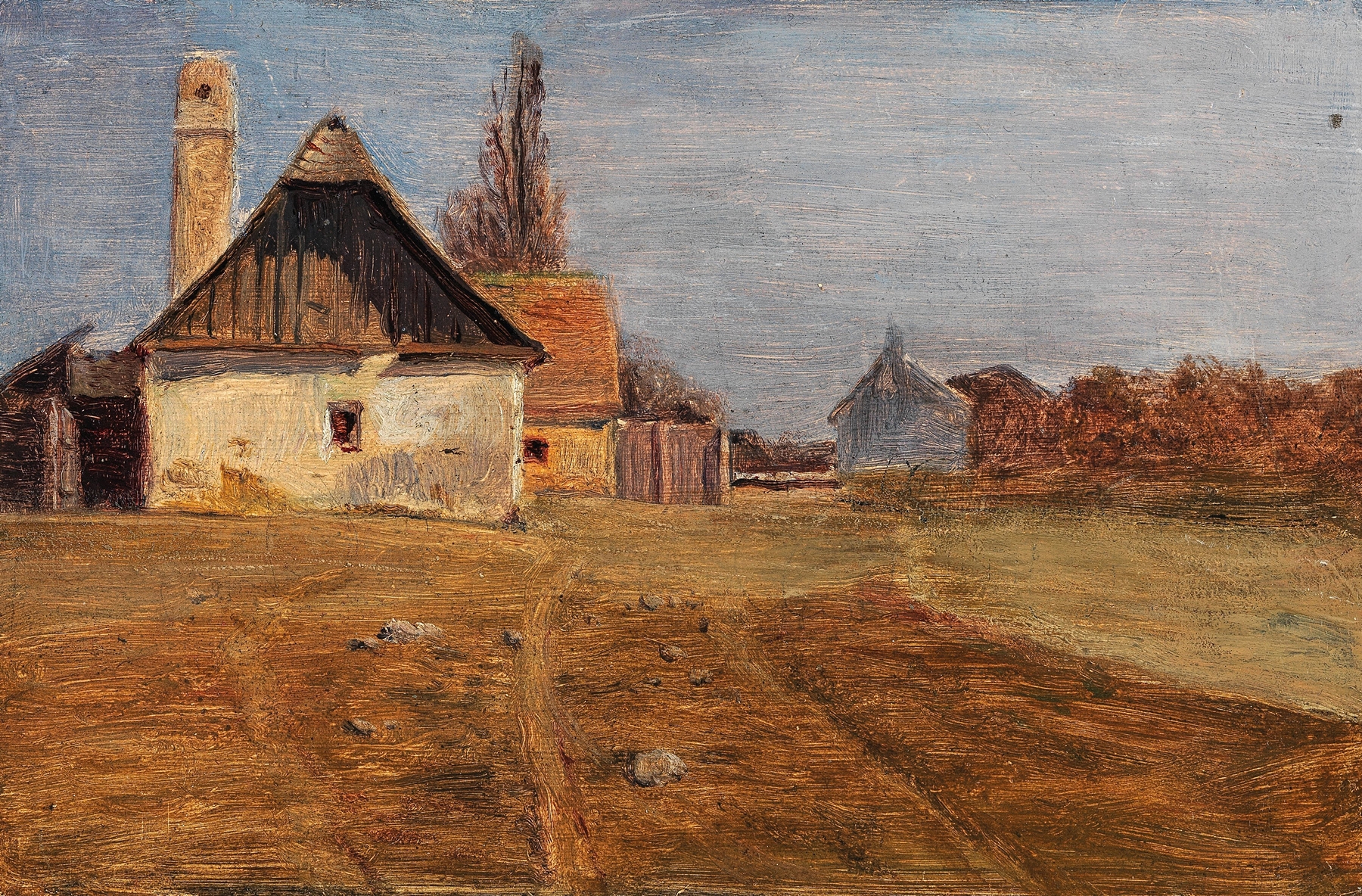
What if beauty was never meant to be finished? In the interplay of light and shadow, a mesmerizing dialogue unfolds, inviting us to linger on the edge of nature’s transient splendor. Look to the left at the gentle slope of the meadow, where sun-drenched grasses sway in the crisp autumn air. Notice how the warm hues of gold and burnt umber blend seamlessly with the cooler blues of the distant trees, creating a harmonious balance that breathes life into the scene.
The brushwork, both fluid and precise, evokes the sensation of movement, drawing your gaze deeper into the landscape’s embrace. As the eye wanders through the composition, hidden meanings emerge: the shadows cast by the trees hint at the fleeting nature of time, while the vibrant foliage celebrates the allure of change. The contrasting elements of light and dark evoke a sense of tension between permanence and impermanence, urging the viewer to reflect on their own relationship with the seasons of life. Here, in this ephemeral moment, one can find both melancholy and joy, two emotions entwined like the winding paths of the forest.
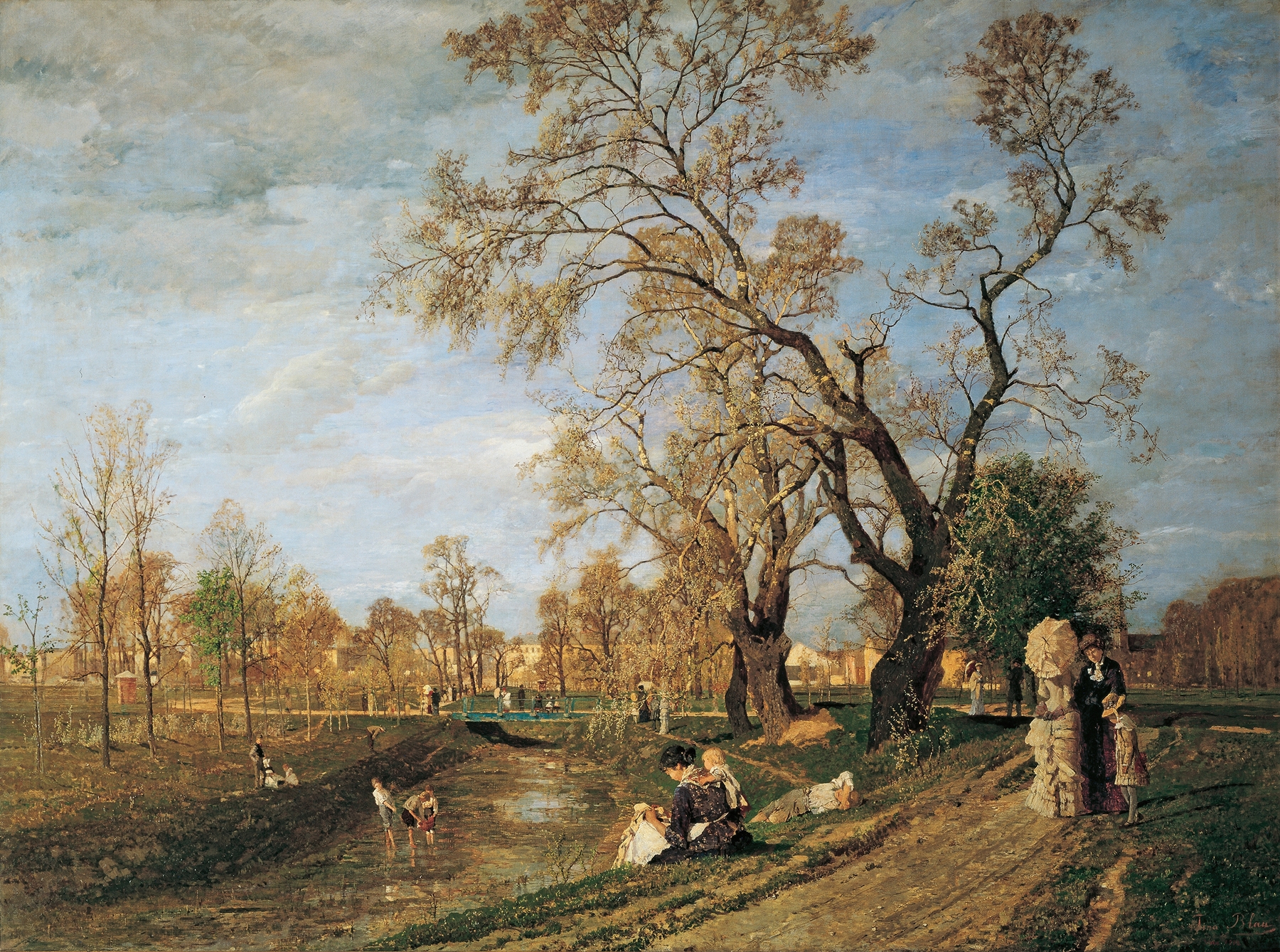
Tina Blau painted Waldwiese im Herbst in 1879, during a significant period in her career when she was establishing herself as a leading figure in the Austrian landscape movement. Working in Vienna, she was influenced by the naturalist approach that sought to capture the essence of the environment. This period was marked by a growing appreciation for plein air painting, which allowed artists to explore and depict the beauty of the world around them with newfound immediacy and authenticity.