Water jar with five dancing figures and inscriptions — History & Analysis
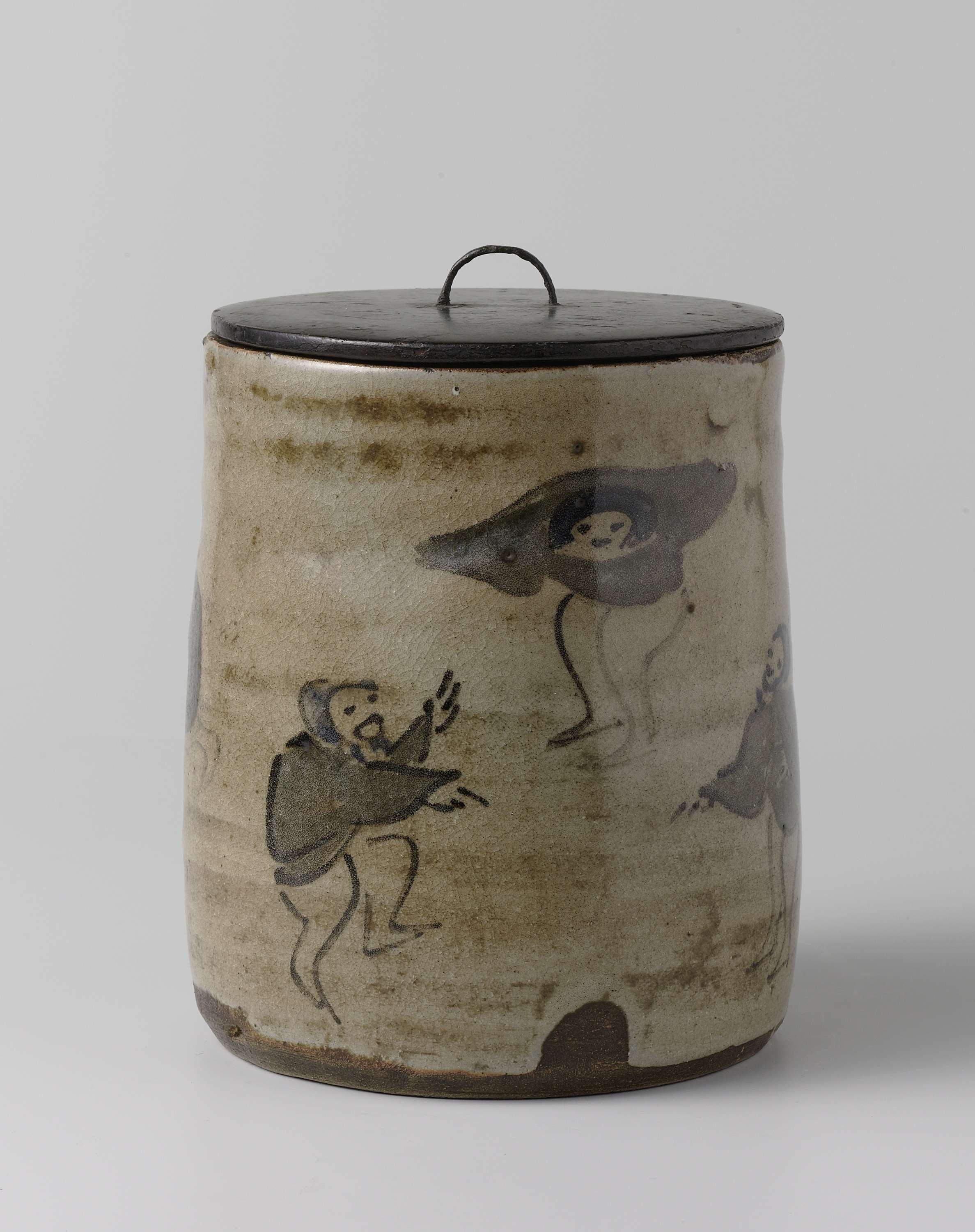
“Every brushstroke is a heartbeat remembered.” In the delicate balance of creation, what stories linger in the silence of the unspoken? The artwork before us is a testament to the isolation that often accompanies the beauty of community and movement. Look closely at the intricate figures dancing around the water jar, their postures alive with energy yet tinged with an undeniable solitude. The vibrant hues of the dancers contrast with the muted tones of the jar, guiding your gaze to the focal point of their ritual.
Notice how the inscriptions curl around the ceramic, whispering secrets of the past while anchoring the figures in their shared history, yet hinting at a deeper yearning for connection amid their vibrant celebration. The dancers, although entwined in joyous motion, evoke a sense of loneliness, each figure a reflection of the human condition — vibrant yet solitary. The inscriptions serve as poignant reminders of voices that may not have been heard, linking the joy of movement to the profound silence that often shadows it. Here, the juxtaposition of light and shadow reveals the tension within; the jubilant dance may be a façade, a celebration that masks the underlying ache of individual isolation.
This artwork, created between the 1800s and 1899 by an unknown artist, reflects a time when cultural expressions were both a celebration and a lament. In a world that was experiencing the forces of change and uncertainty, art became a vessel for both communion and solitude, capturing the complexities of life through vivid imagery and rich symbolism. The anonymity of the artist allows for a universal resonance with the depths of loneliness found in connection, elevating this piece to timeless significance.