Wijde Gang (Willemstraat) te Amsterdam — History & Analysis
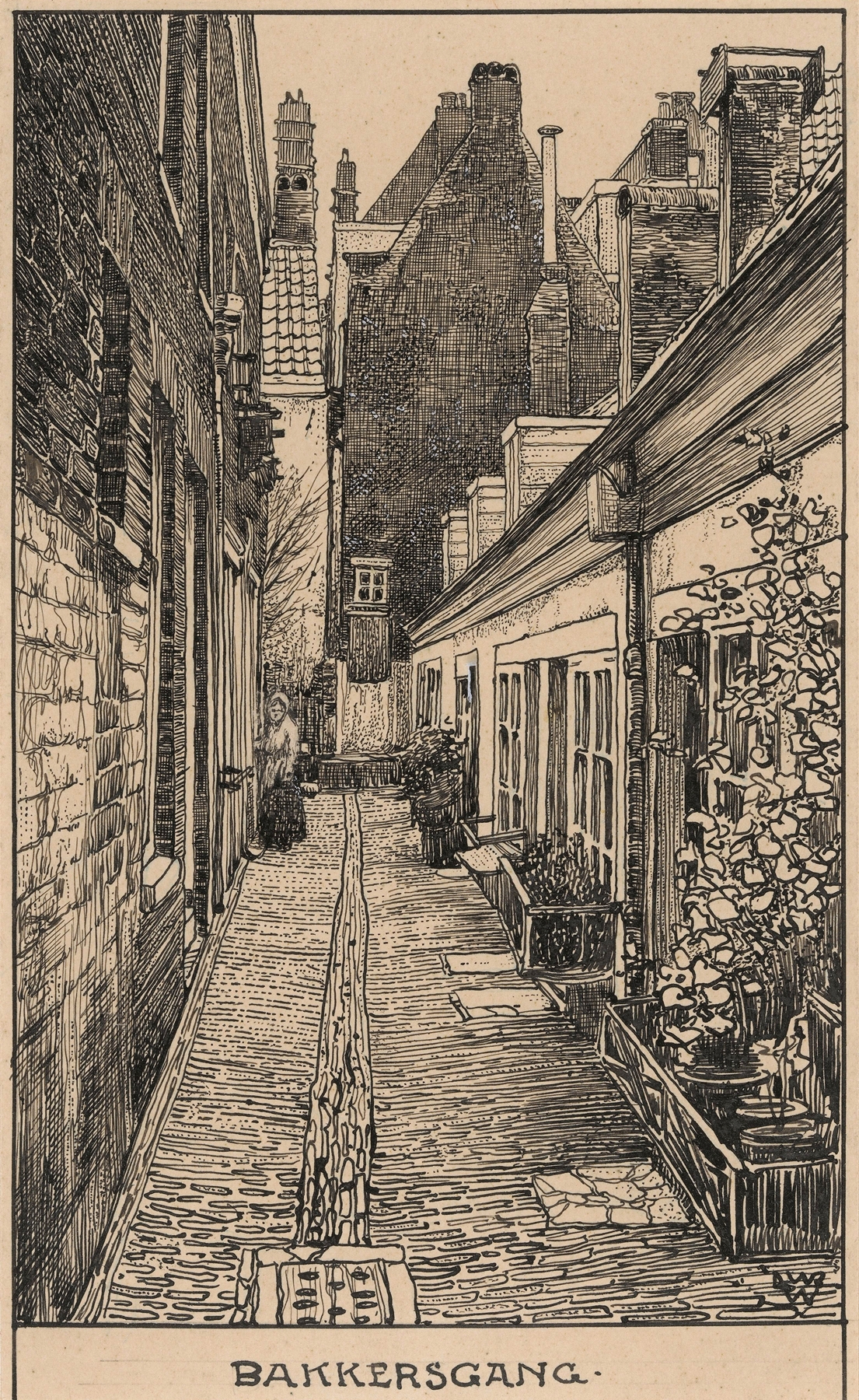
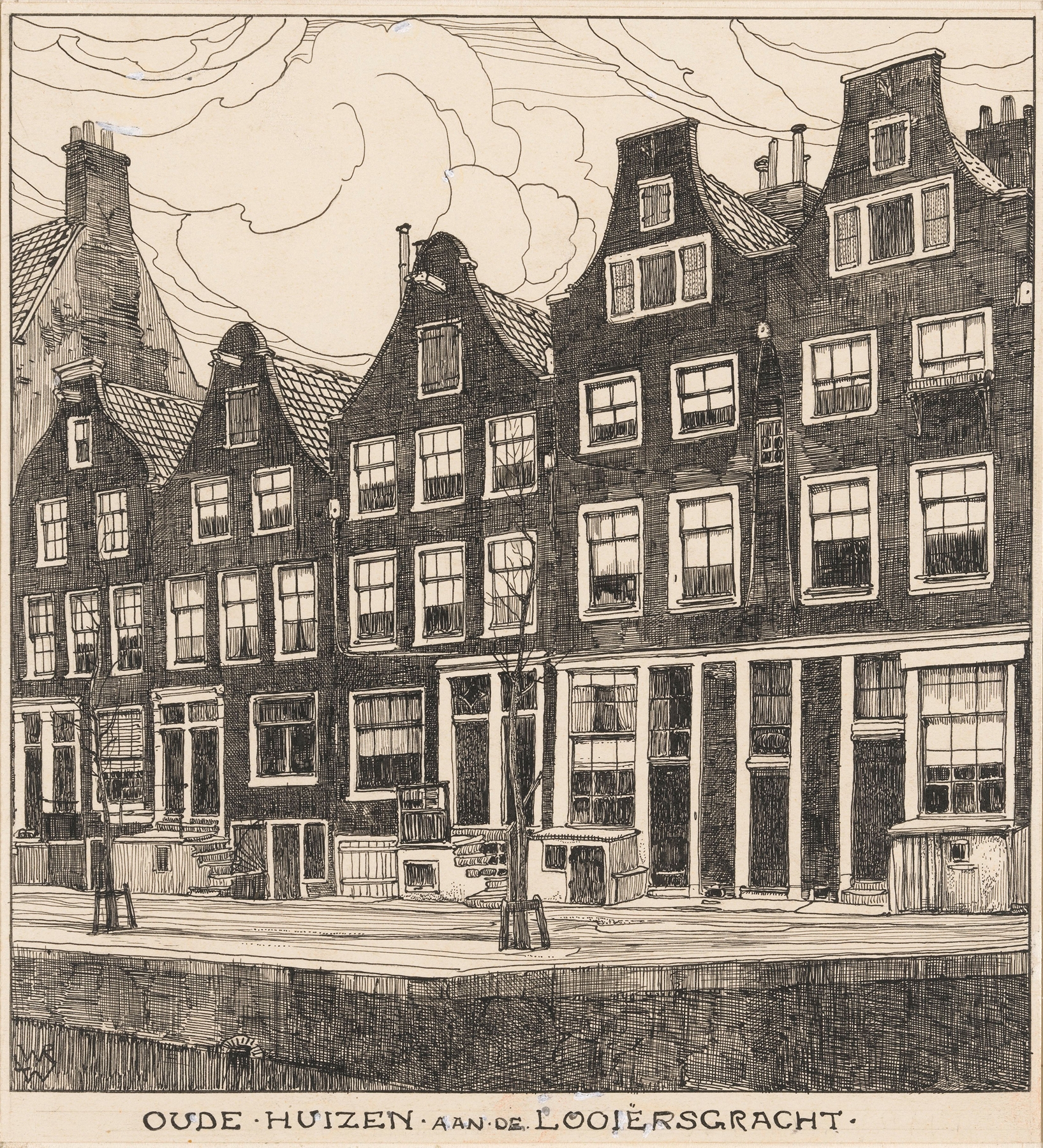
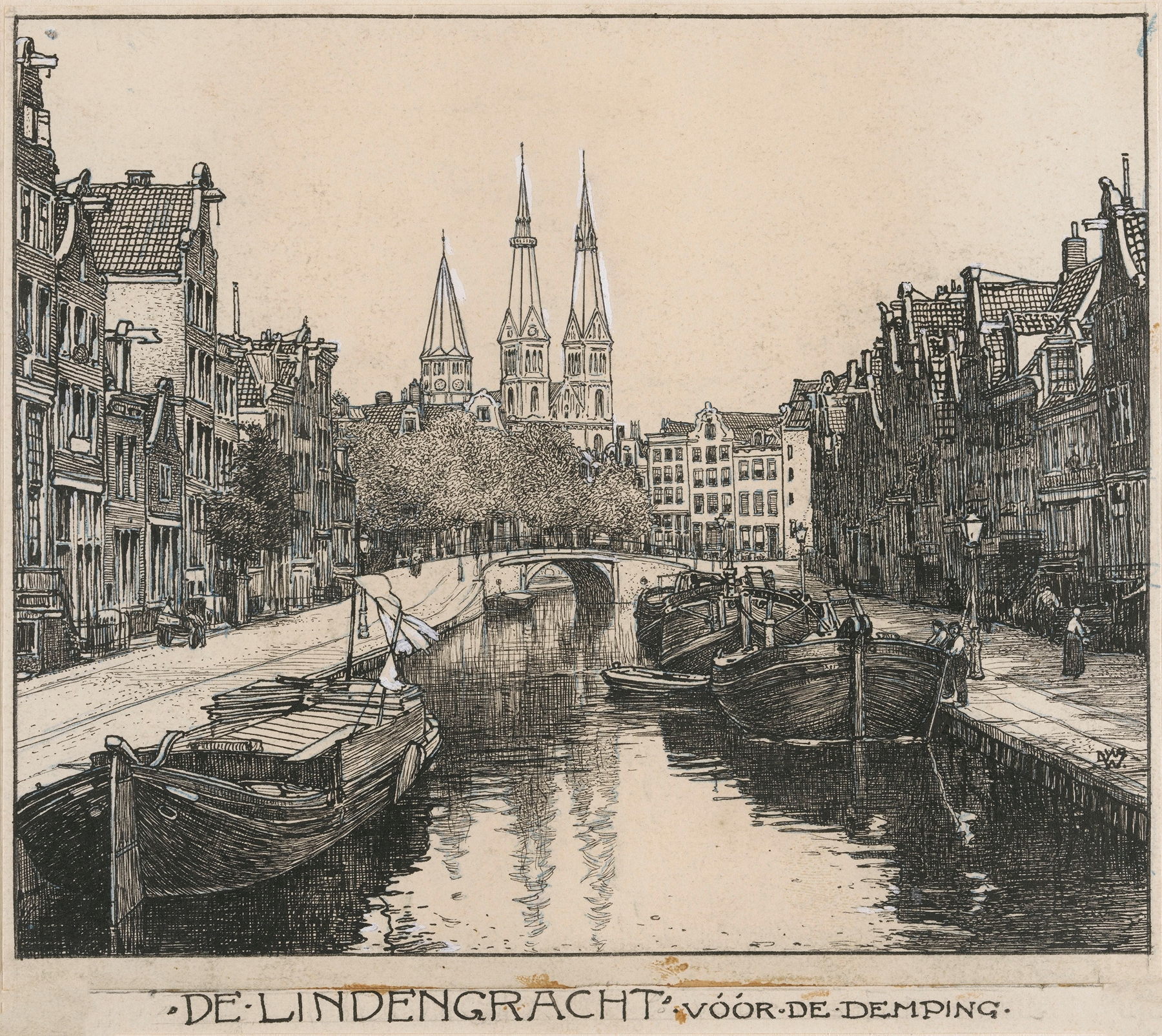
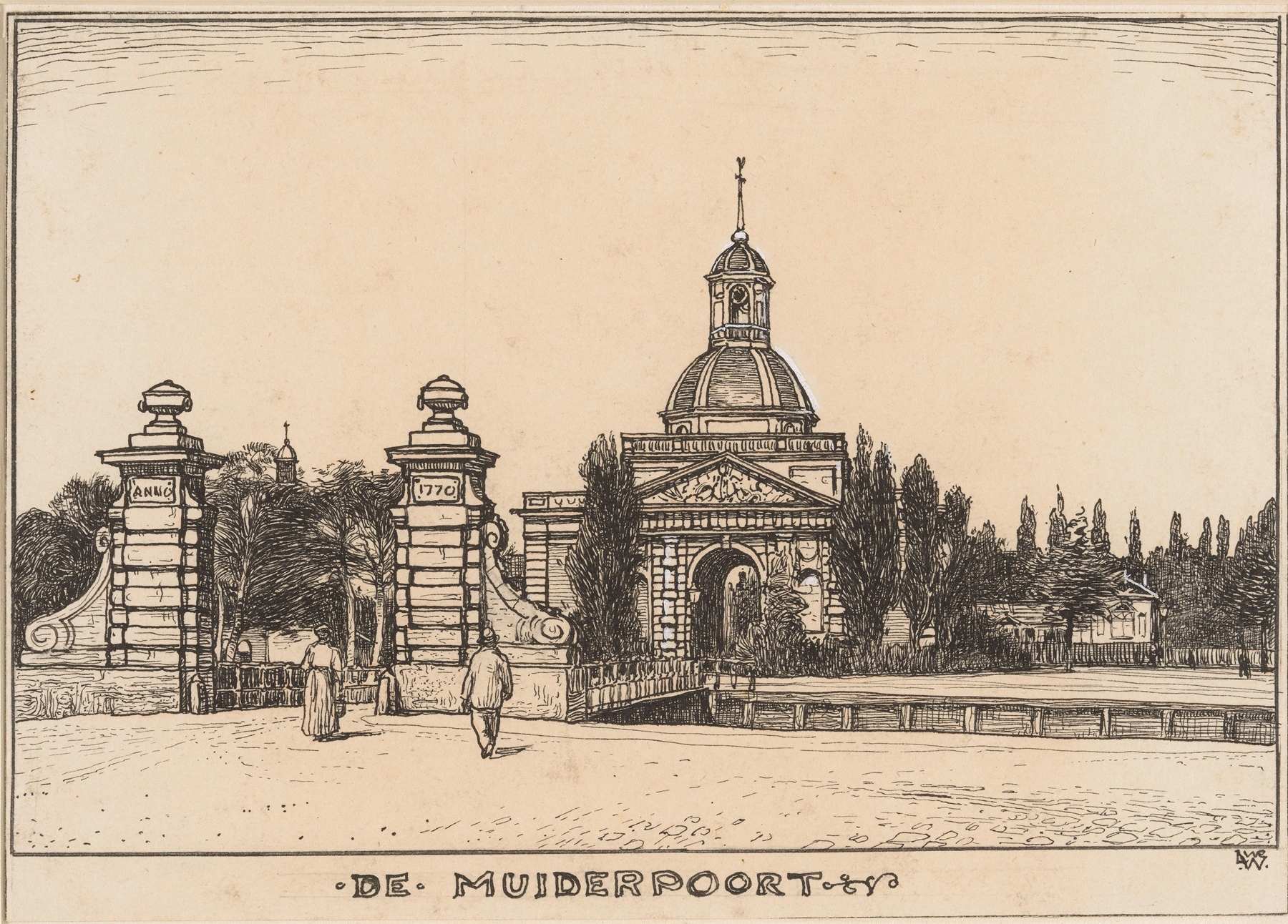
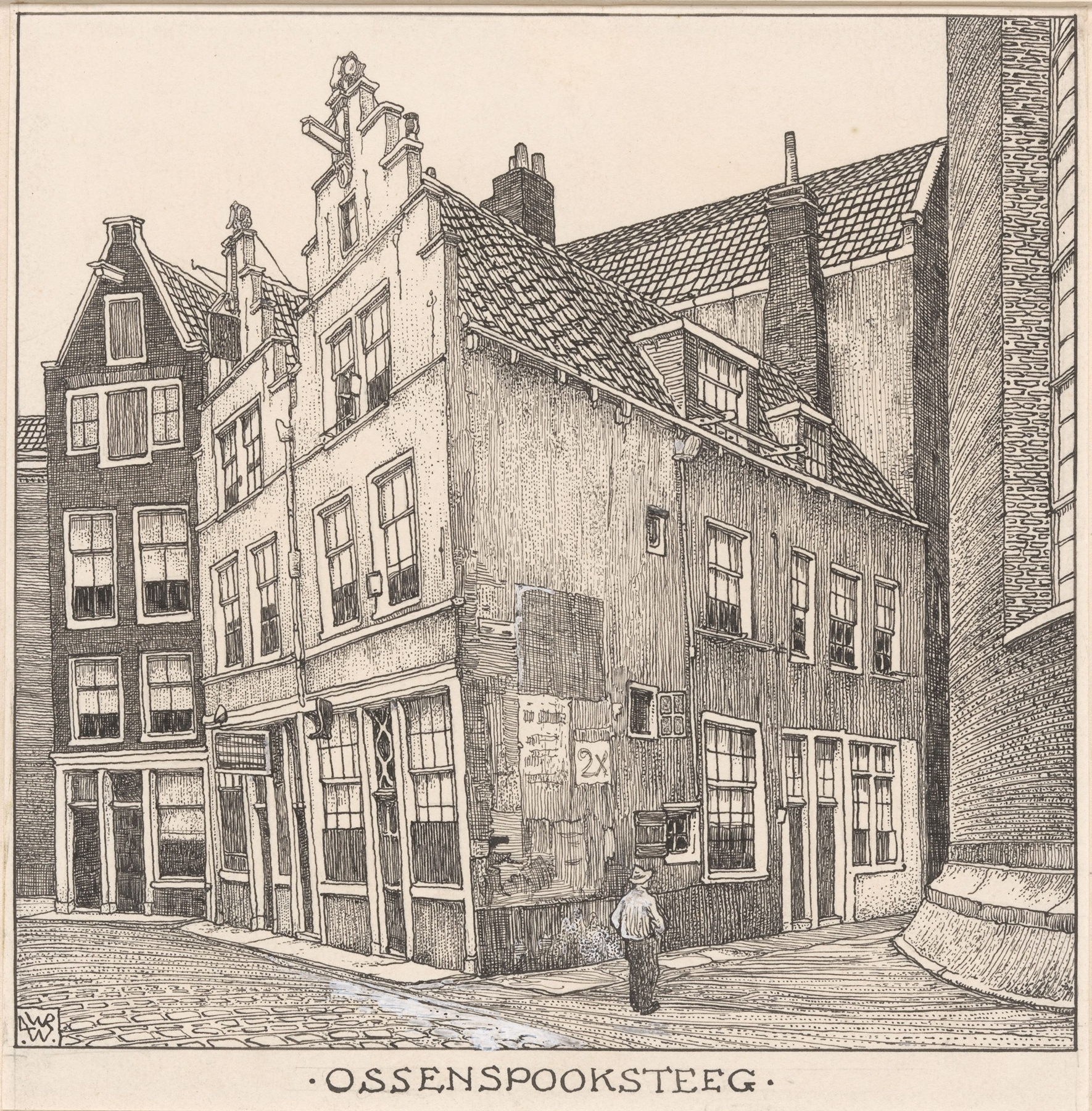
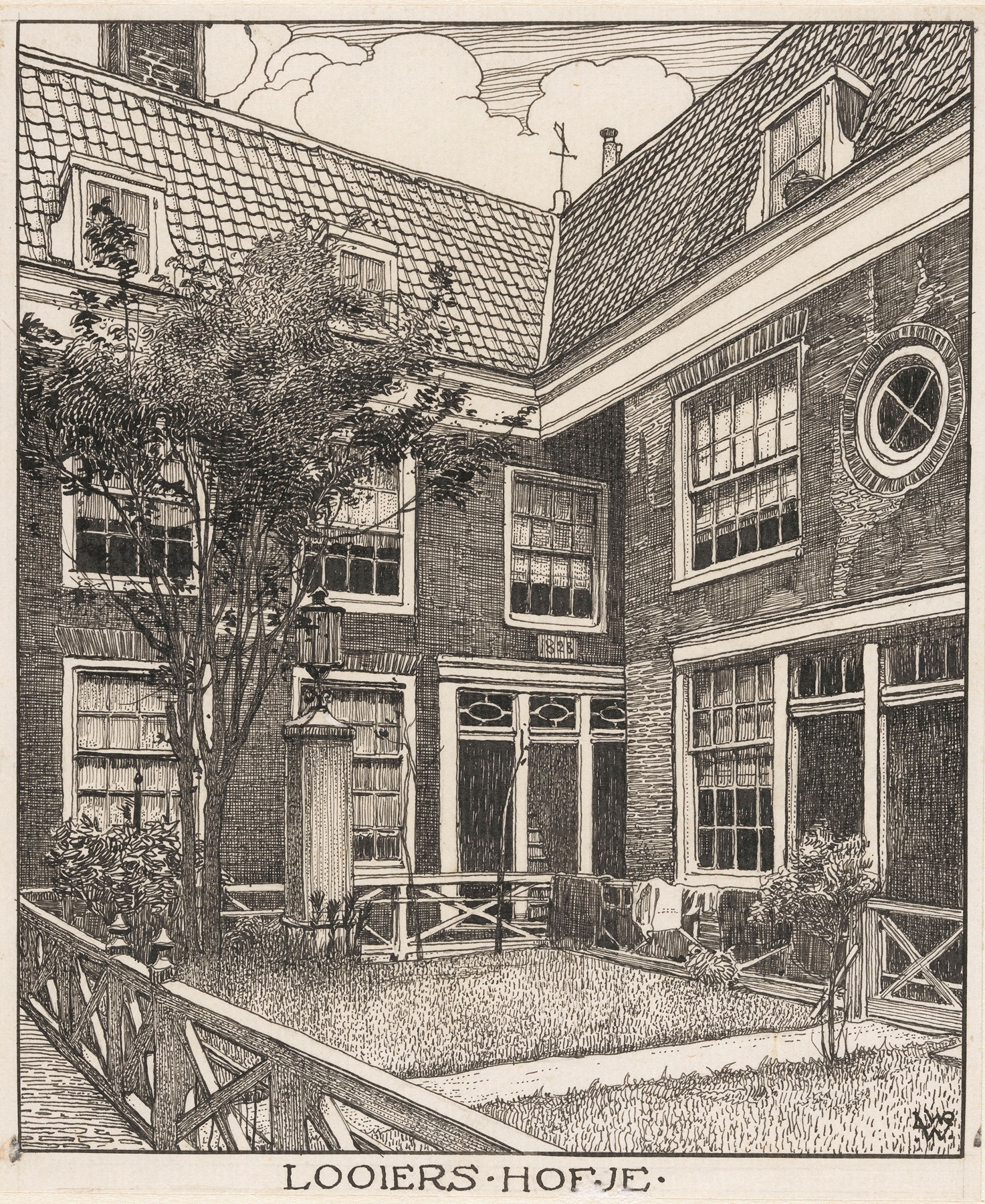
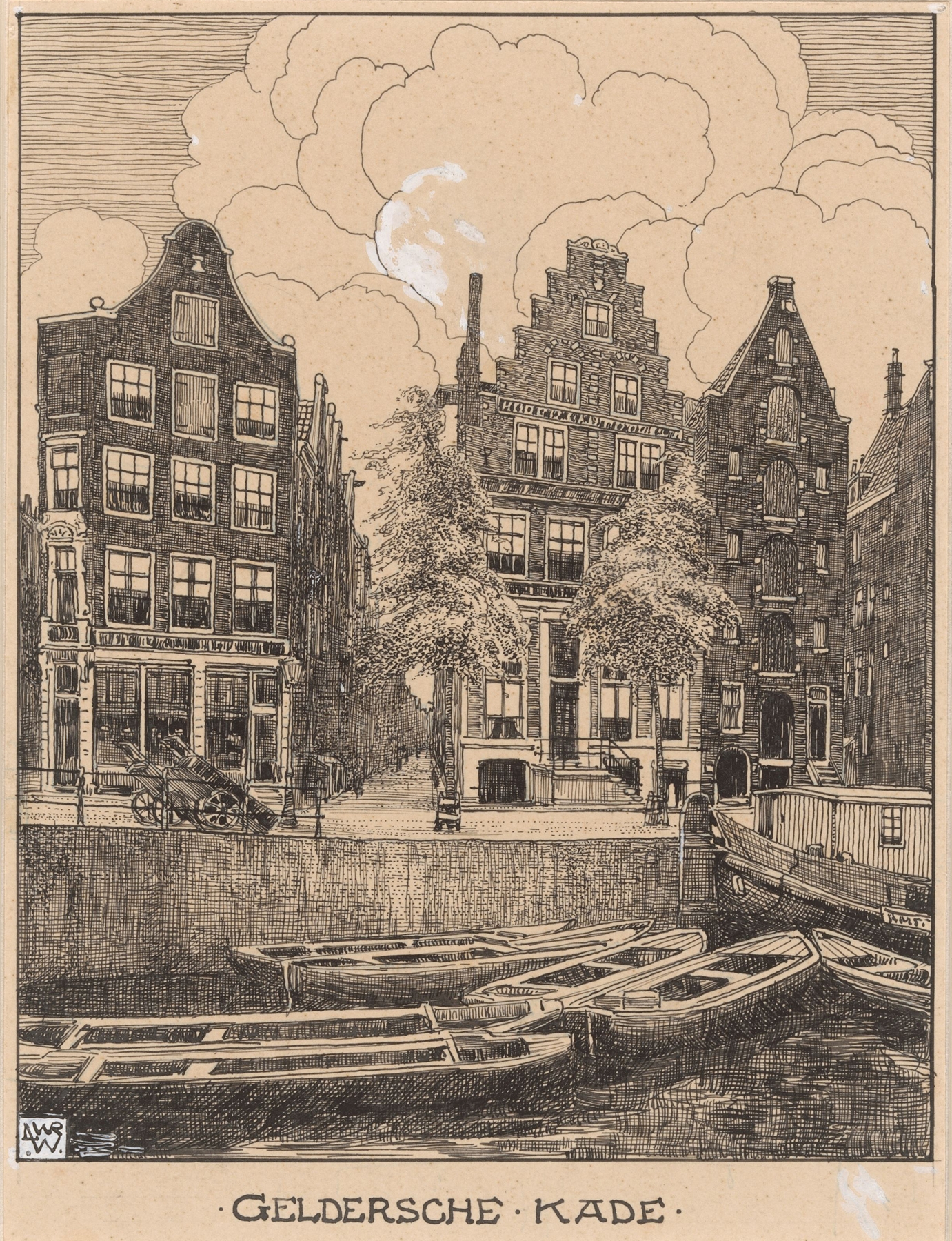
Did the painter know this moment would outlive them? In capturing a fleeting slice of life, the canvas becomes a silent witness to loss and memory, urging us to consider the weight of what it means to preserve the ephemeral. Look to the left at the cobblestone path winding through the scene, an invitation for the viewer to step into the heart of 20th-century Amsterdam. The muted tones of ochre and gray carry a sense of nostalgia, while the strikingly defined shadows stretch across the pavement, suggesting the passage of time.
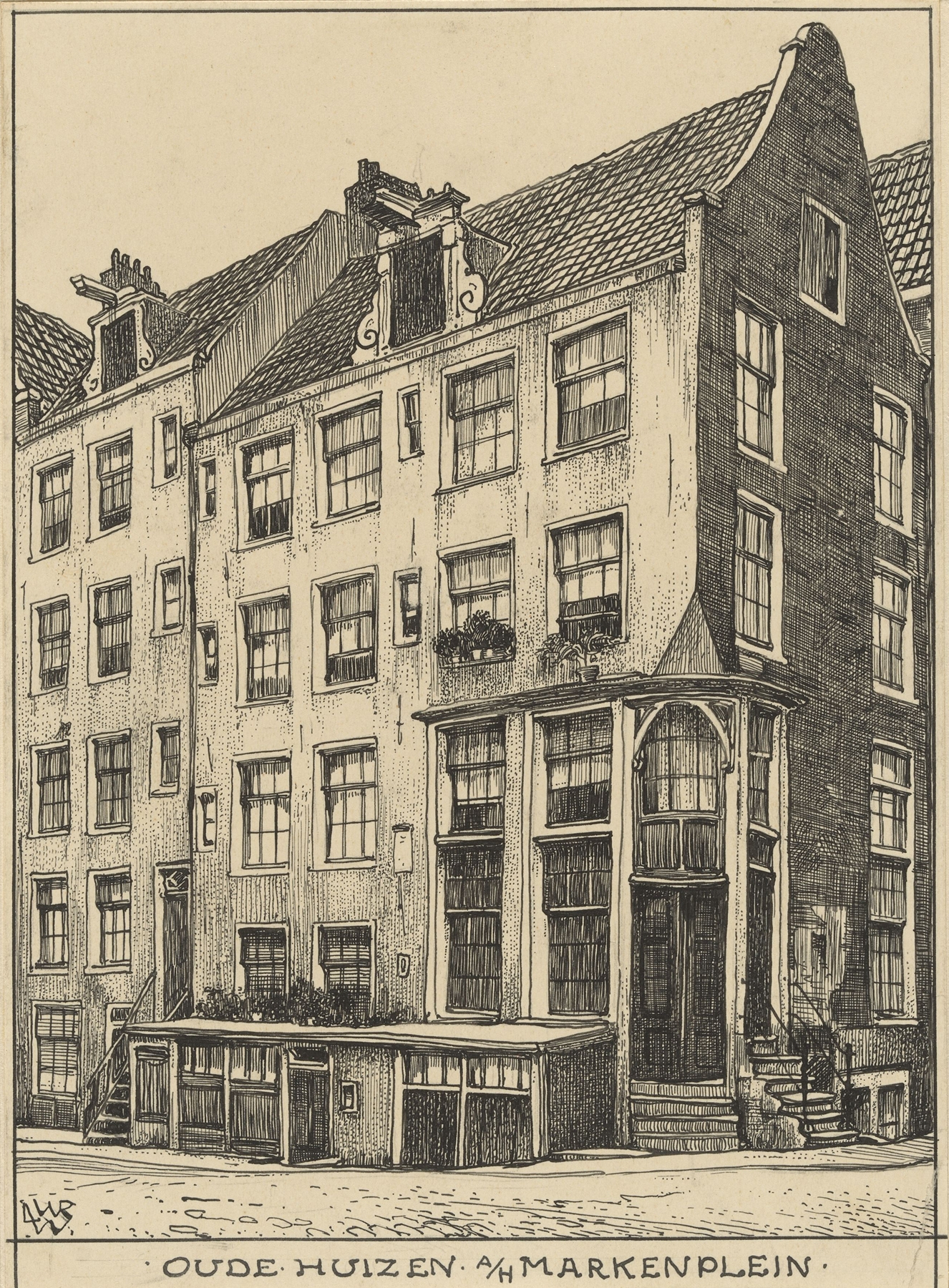
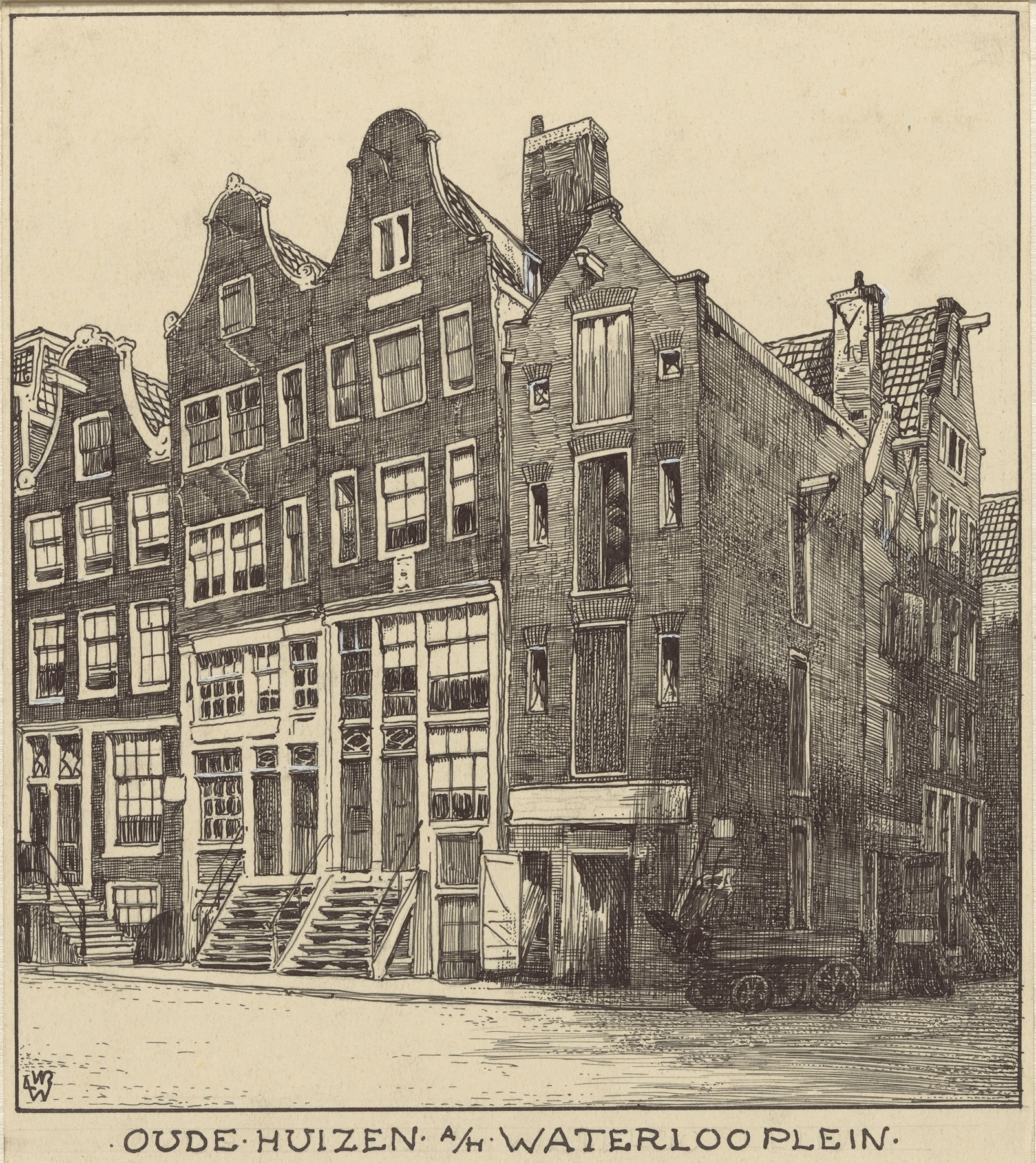
Notice how the buildings, with their historical architecture, rise against the broad sky, their facades softened by the gentle touch of light. Each brushstroke speaks of a moment suspended, a stillness laden with both familiarity and yearning. The emotional tension lies between the vibrancy of daily life and the specter of what has been lost to time. The figures moving through the scene, seemingly engaged in their routines, hint at stories untold—whispers of laughter, sorrow, and the mundane that compose the fabric of existence.
This tableau of life and loss reflects not only the physical space but also the intangible echoes of memories intertwined with the city, reminding us of the transient nature of our own journeys. Wenckebach painted this work in the early 20th century during a period marked by rapid change in Europe. The world around him was grappling with modernity, and the art scene was evolving, influenced by various movements seeking to capture the essence of life in different forms. This piece stands as a testament to his engagement with the realities of his time, infusing a sense of timelessness into an ever-shifting landscape.