Windwijzer in de vorm van de heilige Gertruda — History & Analysis
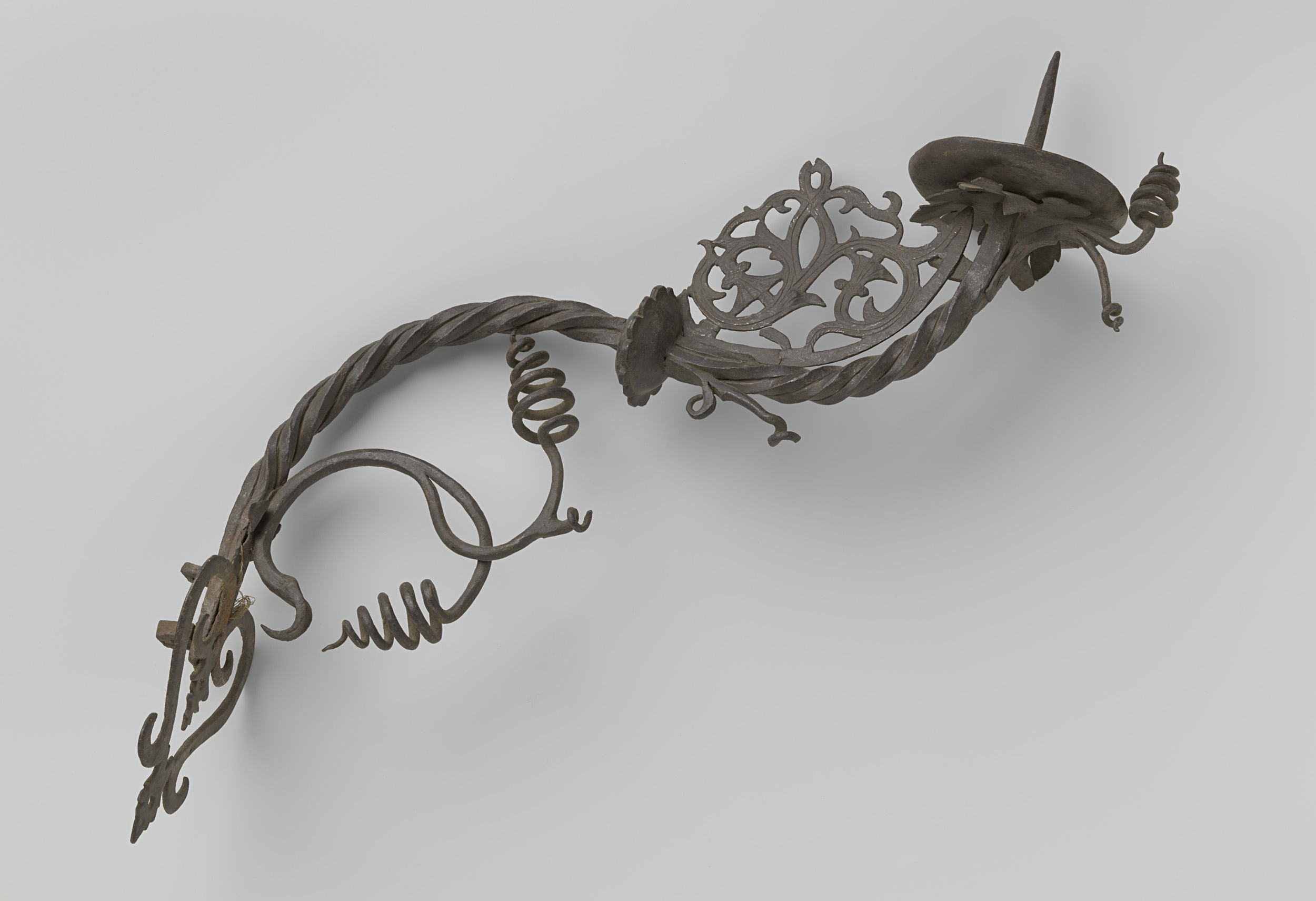
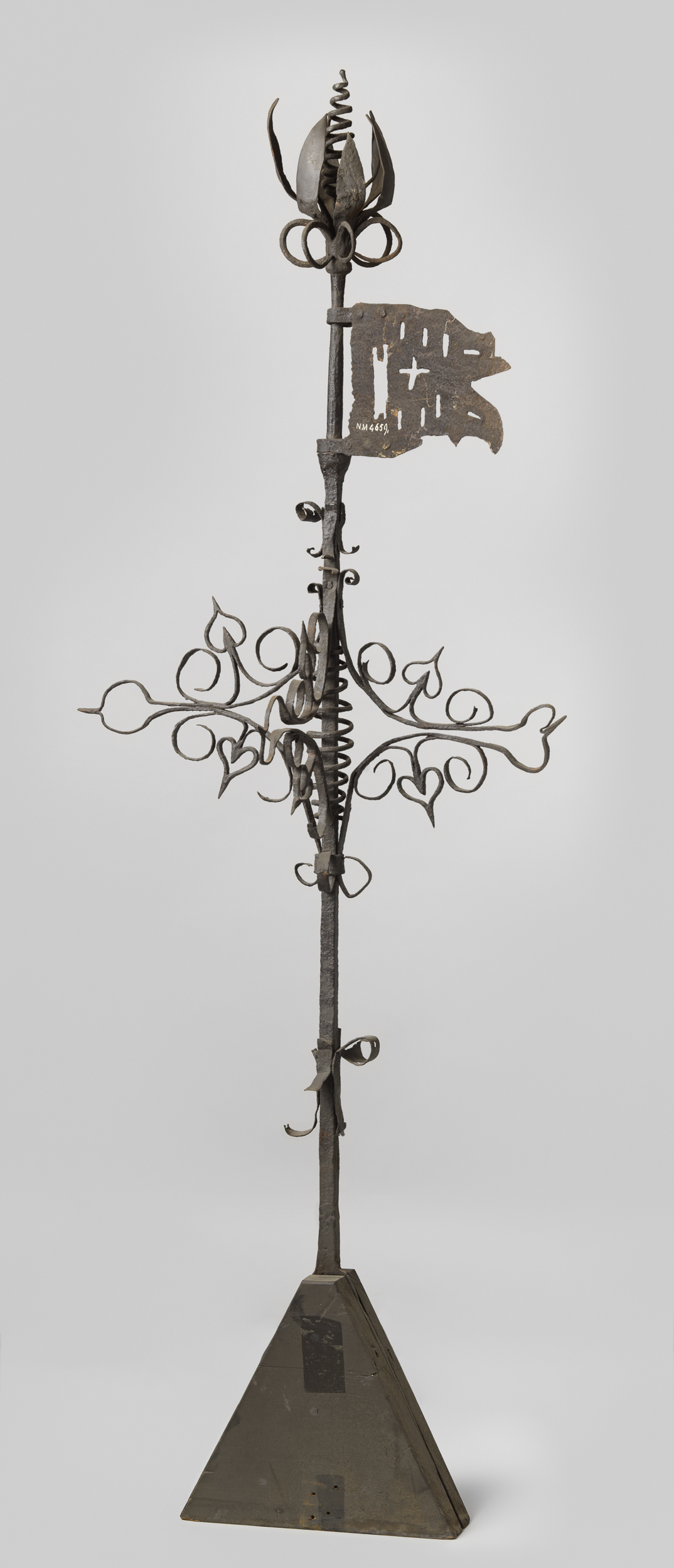
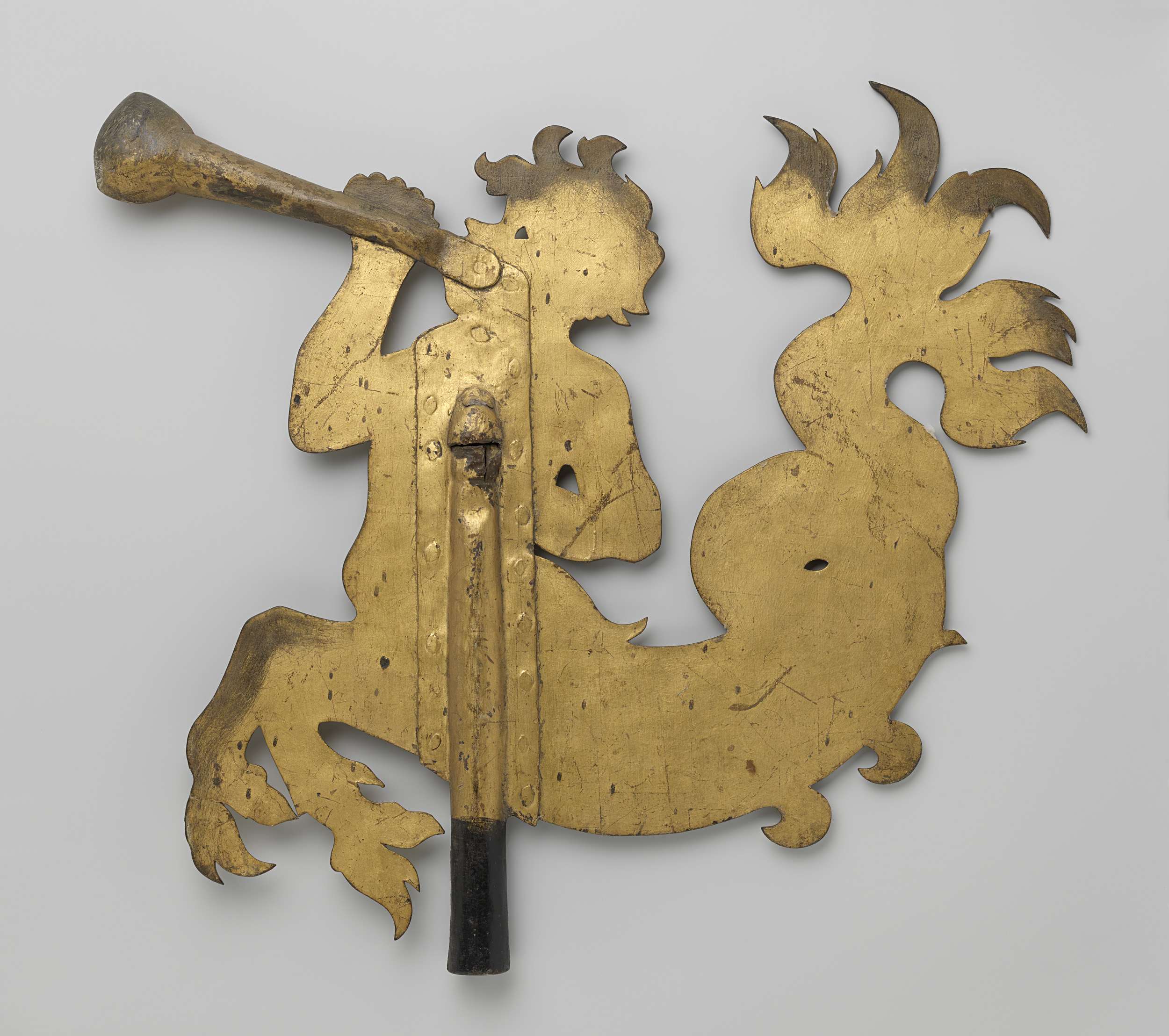
“Sometimes beauty is just pain, disguised in gold.” With this thought, one can ponder the delicate layers of aesthetic and truth that intertwine in this enigmatic work. Crafted by an anonymous hand, it speaks to the complex relationship between form and meaning, where the surface allure begs for deeper exploration. Look closely at the intricate detailing of the wind indicator, where the form of Saint Gertrude emerges with elegance. Your eyes should first find the ornate embellishments that frame her visage, tracing the graceful lines of her robe as they cascade with meticulous precision.
The subtle play of light across the gilded surface enhances the ethereal quality of the piece, offering a moment of serenity amidst the chaos of the world. Yet, beyond the inviting exterior lies a tension that reveals the artist's intent. The saint’s gaze, though soft, carries a weight of sorrow, reflecting the burden of her sanctity. The juxtaposition of the opulent gold against the starkness of her expression hints at the sacrifices made for beauty and faith, prompting questions about the nature of truth.
This tension invites viewers to reflect not only on the saint's story but on their own relationship with beauty and sacrifice. Created between 1400 and 1950, the artwork reflects a period rich in transition and upheaval. The artist, shrouded in anonymity, navigated through eras of both spiritual devotion and burgeoning secularism. This piece captures a moment in time when faith and artistry coalesced, echoing the struggles and triumphs of a society grappling with its identity.