Windwijzer met vaan (gemerkt en gedateerd 1767) — History & Analysis
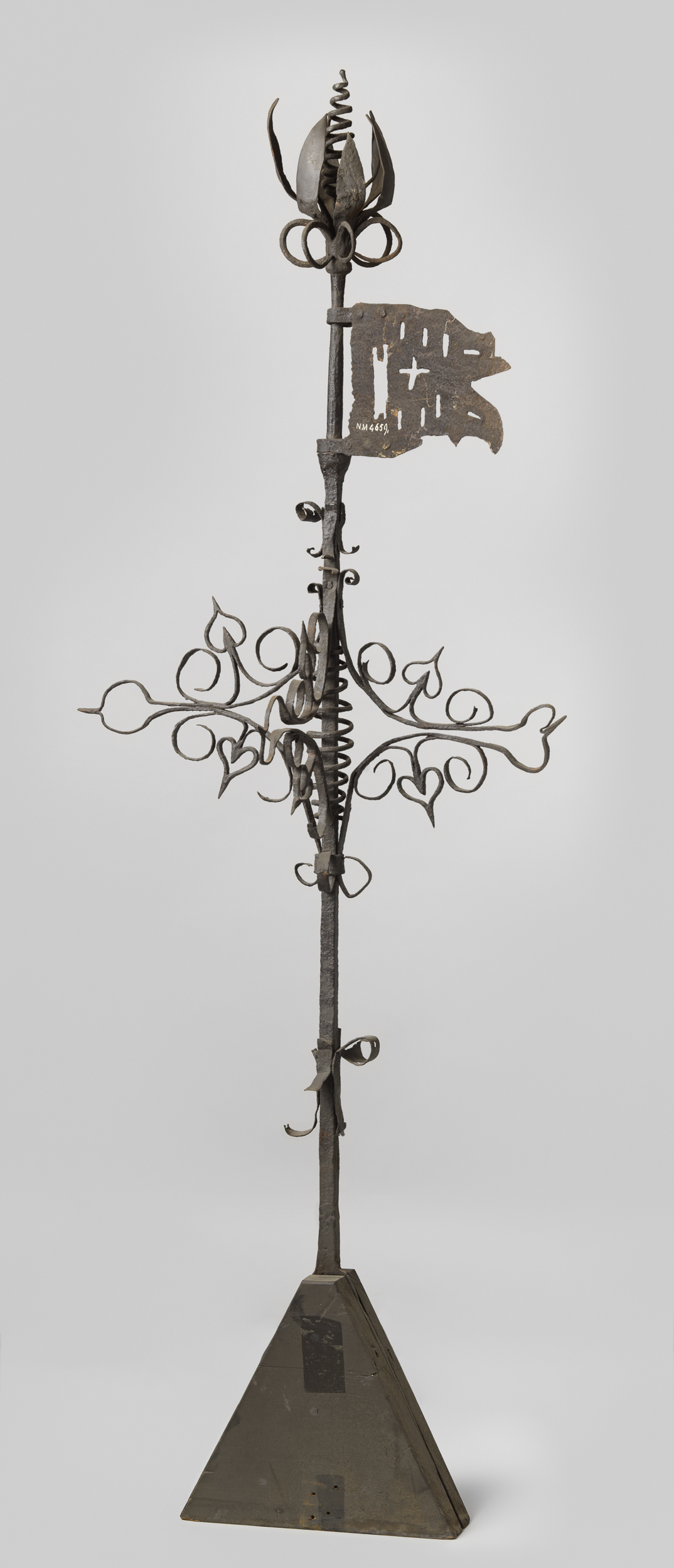
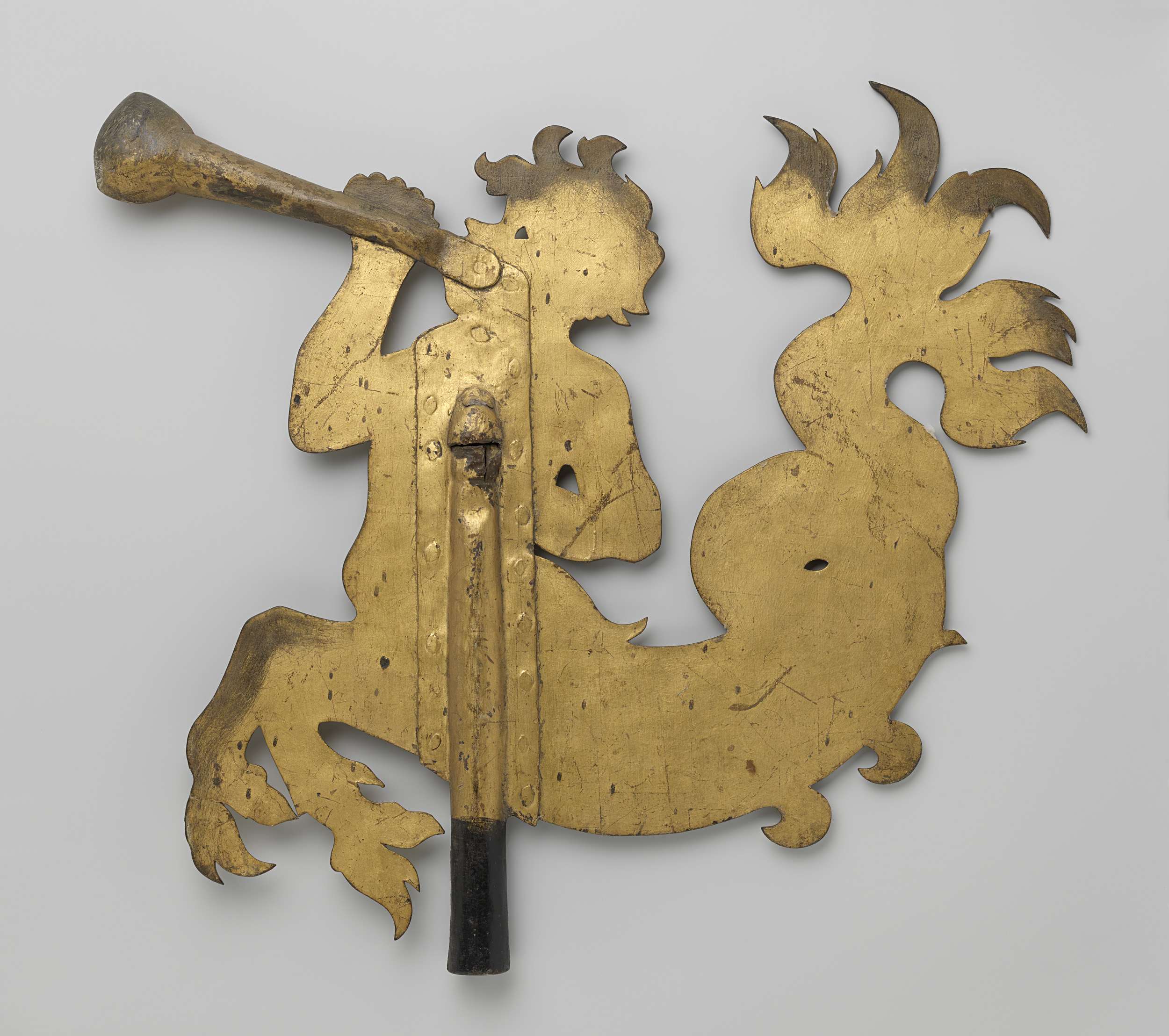
“The canvas doesn’t lie — it simply waits.” In the stillness of a moment captured in 1767, yearning hangs in the air, whispering stories untold. The viewer is called to ponder not just what is depicted, but what lies beyond the frame — a world alive with possibility, yet tantalizingly out of reach. Look to the center of the composition, where the wind gauge stands proudly, its form both sturdy and intricate. The cool colors of the sky contrast beautifully with the warmth of the earth, while shadows play delicately across the landscape, suggesting the passage of time.
The artist employs a meticulous attention to detail, inviting us to trace the gentle curves of the vanes as they catch the breeze, hinting at movement and change, a metaphor for the constant ebb and flow of life. As you delve deeper, notice the subtle expressions of nature’s elements—how the wind, embodied by the vanes, yearns for direction, mirroring humanity's own search for purpose. The juxtaposition of the solid structure against the ephemeral quality of the air around it evokes a sense of aspiration, a reminder of our desire to navigate the unseen forces that shape our lives. The work speaks not only of the physical but also of an internal quest, reflecting the tension between stability and the unpredictable.
Created in 1767, this piece emerges from a time when the art world was steeped in the influences of the Enlightenment, where reason and observation began to shape artistic endeavors. The specifics of the artist's life remain shrouded in anonymity, yet the work resonates with a collective yearning for understanding, a sentiment that resonates through the ages. In this canvas, we find not merely a representation of a wind gauge but an invitation to explore the deeper currents of existence.