
Page from a Manuscript with Diagrams Protecting against Children's Illnesses — Historia y Análisis
¿Puede la belleza sobrevivir en un siglo de caos? En un mundo lleno de incertidumbre, el arte sigue siendo un santuario solitario, susurrando esperanza en medio de la tristeza. Mira de cerca los intrincados diagramas que ocupan la página, donde líneas delicadas y suaves matices convergen para crear una sinfonía visual. La meticulosa atención al detalle atrae tu mirada hacia los centros de cada ilustración, donde figuras tiernas acunan a sus hijos, encarnando tanto el cuidado como la desesperación. Los colores apagados evocan un sentido de melancolía, mientras que los bordes ornamentados encierran las imágenes como recuerdos frágiles, insinuando un anhelo de protección en un tiempo en que la enfermedad acechaba ominosamente. Cada diagrama cuenta una historia de resiliencia, pero bajo la superficie, surge una tensión: la yuxtaposición del instinto de crianza contra la dura realidad del sufrimiento.
Observa cómo las expresiones de las figuras transmiten tanto amor como tristeza, reflejando la comprensión del artista de la delgada línea entre la esperanza y la desesperación. Estas ilustraciones, aunque destinadas a ser guías contra la enfermedad, también capturan la soledad omnipresente que acompañó la búsqueda de seguridad—un peso emocional que resuena a través de la historia. Creada en el siglo XIX, esta página de manuscrito refleja el contexto más amplio de una era marcada por la incertidumbre médica y la agitación social en el Tíbet. El artista, navegando en la intersección de la tradición y la ciencia emergente, buscó articular visualmente la compleja relación entre el cuidado y la vulnerabilidad.
En una época en la que el arte servía tanto a fines educativos como emocionales, esta obra subraya el papel del artista en la captura de la experiencia humana dentro del tumulto de su mundo contemporáneo.
Más obras de Tibet
Ver todo →
Painted Banner (Thangka) of Green Tara Surrounded by Twenty Manifestations
Tibet

Altar Table with Mandala of Amitayus, the Buddha of Infinite Life
Tibet

Painted Banner (Thangka) from a Set of Seven Portraying the Sixteen Arhats (Elders), Early Disciples of the Historical Buddha Shakyamuni
Tibet

Painted Banner (Thangka) of Amitayus Buddha Surrounded by One Hundred Buddhas
Tibet

Painted Banner (Thangka) of Dharmatala from a Set of Seven Portraying the Sixteen Arhats (Elders), Early Disciples of the Historical Buddha Shakyamuni
Tibet

Milarepa on Mount Kailash
Tibet

Painted Banner (Thangka) from a Set of Seven Portraying the Sixteen Arhats (Elders), Early Disciples of the Historical Buddha Shakyamuni
Tibet

Painted Banner (Thangka) with Guru Dragpur, a Wrathful Form of Padmasambhava
Tibet

Painted Banner (Thangka) of Hvashang, from a Set of Seven Portraying the Sixteen Arhats (Elders), Early Disciples of the Historical Buddha Shakyamuni
Tibet

Painted Banner (Thangka) of Sage Guru Padmasambhava Seated Holding a Thunderbolt (Vajra) and Skull Cup (Kapala)
Tibet
Más arte de Ilustración
Ver todo →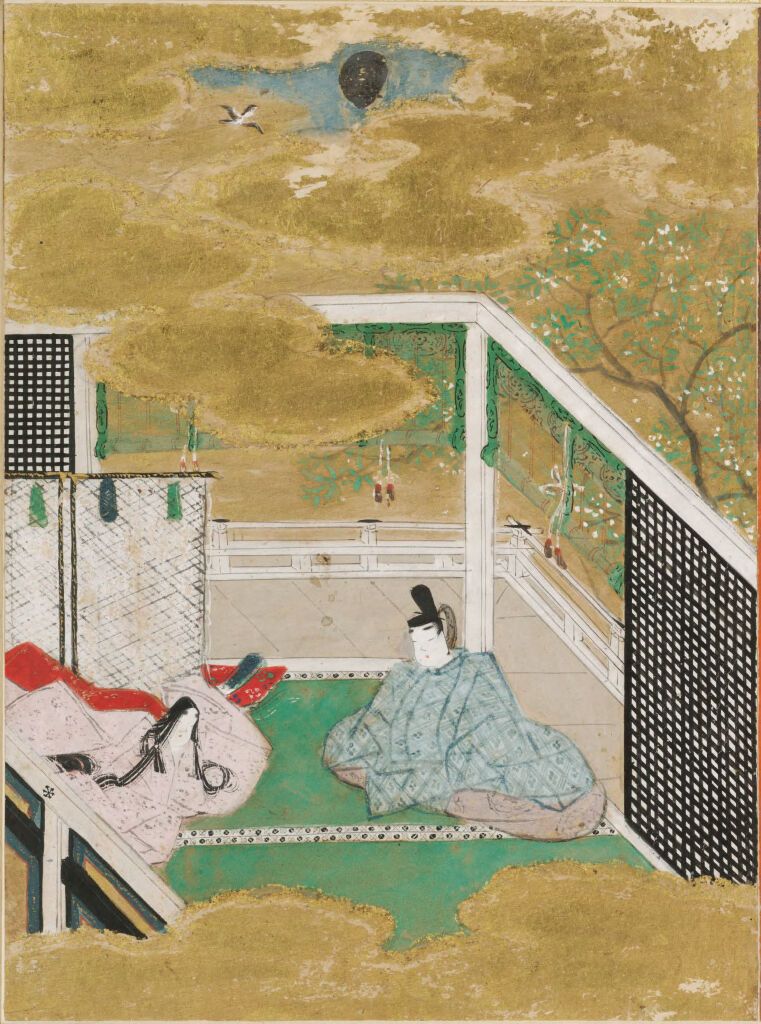
Falling Flowers (Hanachirusato), Illustration to Chapter 11 of the Tale of Genji (Genji monogatari)
Tosa Mitsunobu
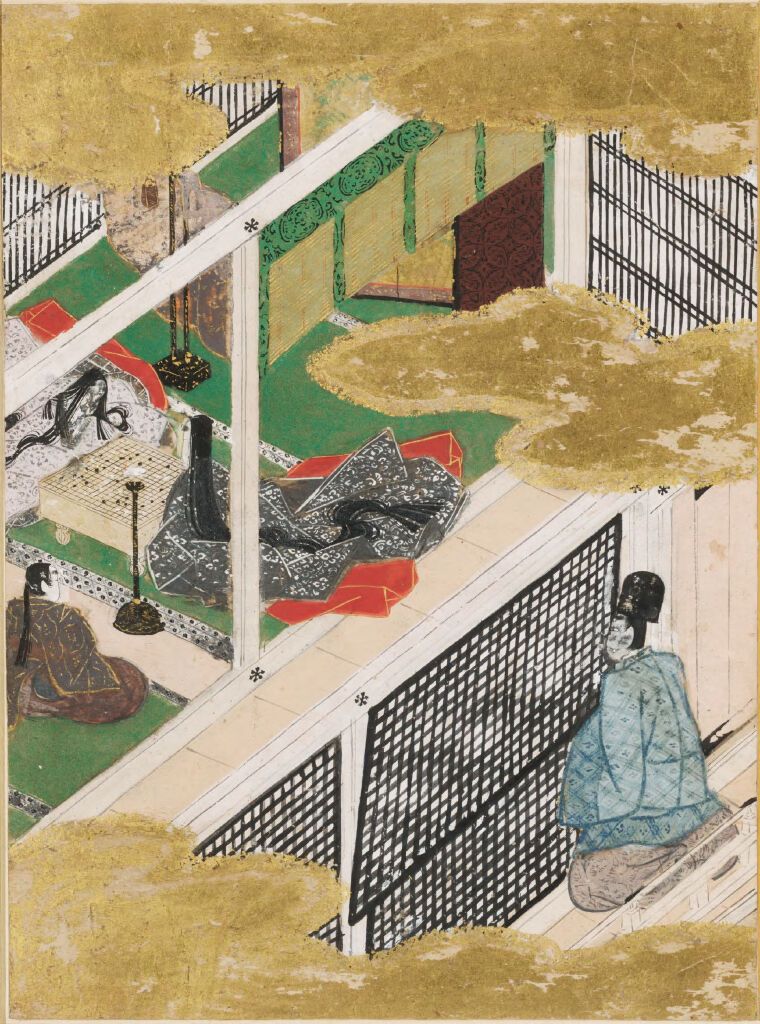
The Cicada Shell (Utsusemi), Illustration to Chapter 3 of the Tale of Genji (Genji monogatari)
Tosa Mitsunobu
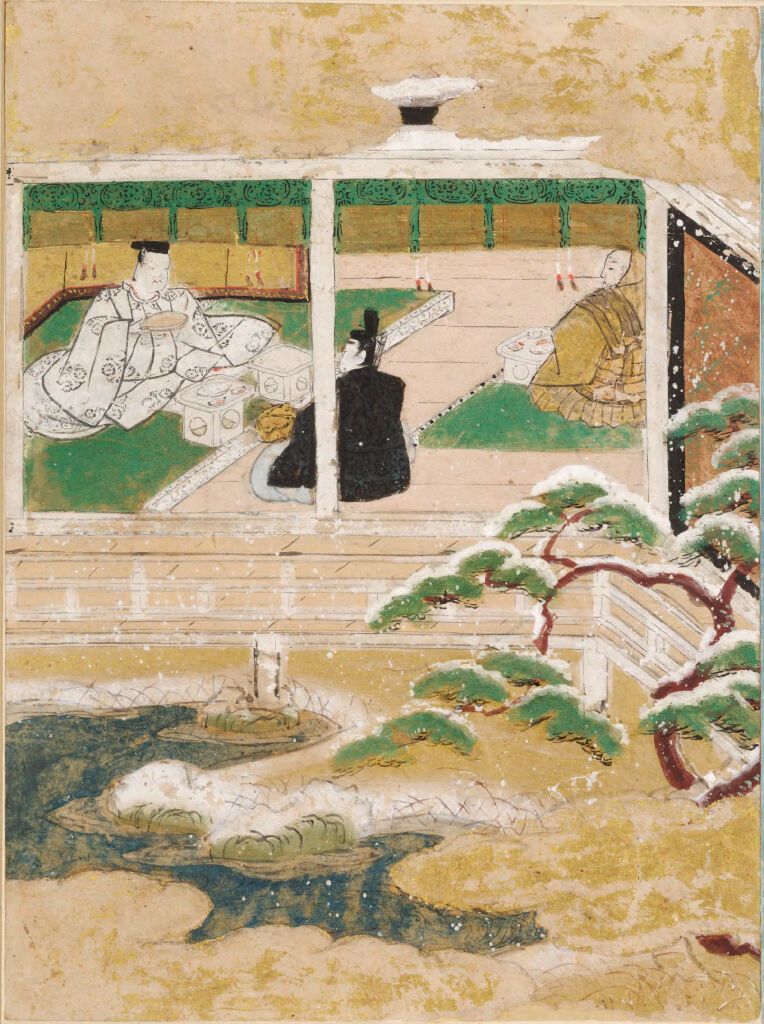
The Seer (Maboroshi), Illustration to Chapter 41 of the Tale of Genji (Genji monogatari)
Tosa Mitsunobu
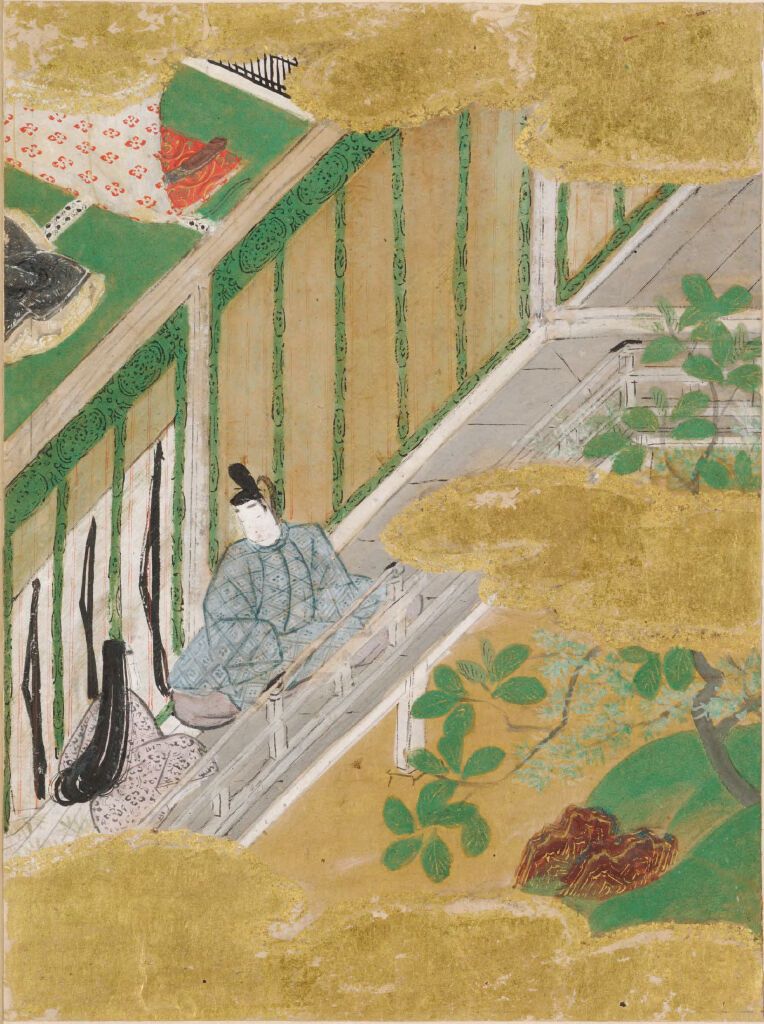
The Oak Tree (Kashiwagi), Illustration to Chapter 36 of the Tale of Genji (Genji monogatari)
Tosa Mitsunobu
The Paulownia Pavilion (Kiritsubo), Illustration to Chapter 1 of the Tale of Genji (Genji monogatari)
Tosa Mitsunobu
Thoroughwort Flowers (Fujibakama), Illustration to Chapter 30 of the Tale of Genji (Genji monogatari)
Tosa Mitsunobu