
Page from a Manuscript with Diagrams Protecting against Children's Illnesses — History & Facts
Could beauty survive in a century of chaos? In a world littered with uncertainty, art remains a solitary sanctuary, whispering of hope amidst sorrow. Look closely at the intricate diagrams that occupy the page, where delicate lines and soft hues converge to create a visual symphony. The meticulous attention to detail draws your gaze to the centers of each illustration, where tender figures cradle their children, embodying both care and desperation. The muted colors evoke a sense of melancholy, while the ornate borders encase the images like fragile memories, hinting at a longing for protection in a time when illness loomed ominously. Each diagram tells a story of resilience, yet beneath the surface, a tension surfaces: the juxtaposition of nurturing instinct against the stark reality of suffering.
Notice how the figures’ expressions convey both love and sorrow, reflecting the artist's understanding of the thin line between hope and despair. These illustrations, while intended as guides against illness, also capture the pervasive loneliness that accompanied the quest for safety—an emotional weight that resonates through history. Created in the 19th century, this manuscript page reflects the broader context of an era marked by medical uncertainty and societal upheaval in Tibet. The artist, navigating the intersection of tradition and emerging science, sought to visually articulate the complex relationship between care and vulnerability.
At a time when art served both educational and emotional purposes, this piece underscores the artist's role in capturing the human experience within the tumult of their contemporary world.
More Artworks by Tibet
Browse all →
Painted Banner (Thangka) of Green Tara Surrounded by Twenty Manifestations
Tibet

Altar Table with Mandala of Amitayus, the Buddha of Infinite Life
Tibet

Painted Banner (Thangka) from a Set of Seven Portraying the Sixteen Arhats (Elders), Early Disciples of the Historical Buddha Shakyamuni
Tibet

Painted Banner (Thangka) of Amitayus Buddha Surrounded by One Hundred Buddhas
Tibet

Painted Banner (Thangka) of Dharmatala from a Set of Seven Portraying the Sixteen Arhats (Elders), Early Disciples of the Historical Buddha Shakyamuni
Tibet

Milarepa on Mount Kailash
Tibet

Painted Banner (Thangka) from a Set of Seven Portraying the Sixteen Arhats (Elders), Early Disciples of the Historical Buddha Shakyamuni
Tibet

Painted Banner (Thangka) with Guru Dragpur, a Wrathful Form of Padmasambhava
Tibet

Painted Banner (Thangka) of Hvashang, from a Set of Seven Portraying the Sixteen Arhats (Elders), Early Disciples of the Historical Buddha Shakyamuni
Tibet

Painted Banner (Thangka) of Sage Guru Padmasambhava Seated Holding a Thunderbolt (Vajra) and Skull Cup (Kapala)
Tibet
More Illustration Art
Browse all →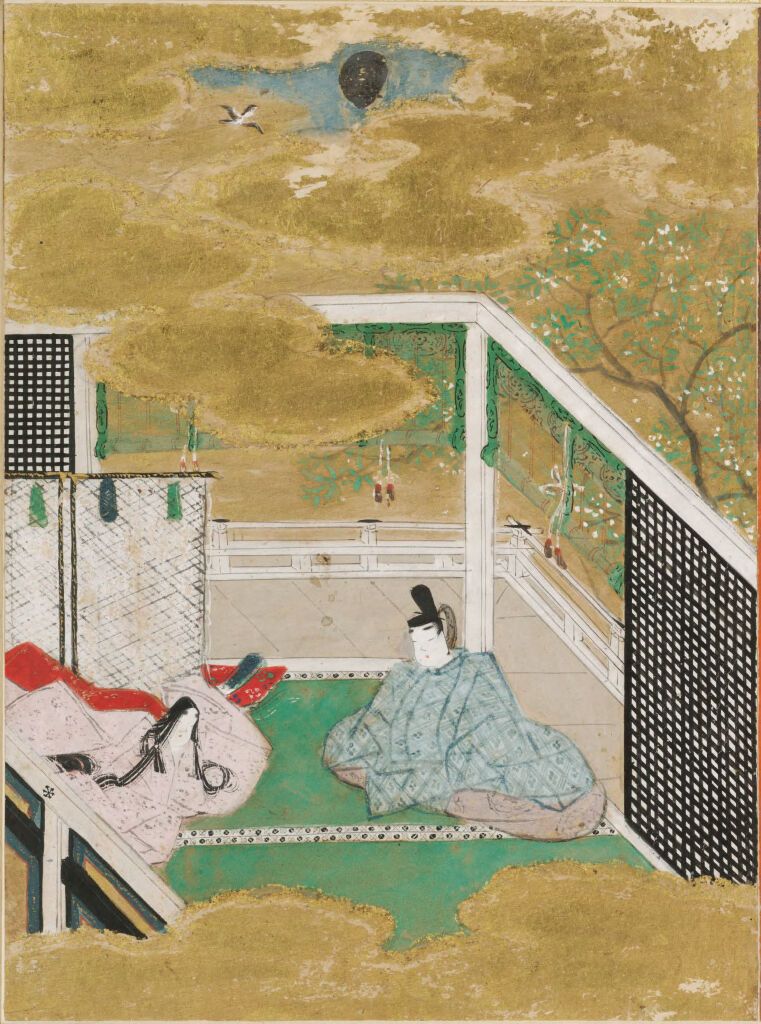
Falling Flowers (Hanachirusato), Illustration to Chapter 11 of the Tale of Genji (Genji monogatari)
Tosa Mitsunobu
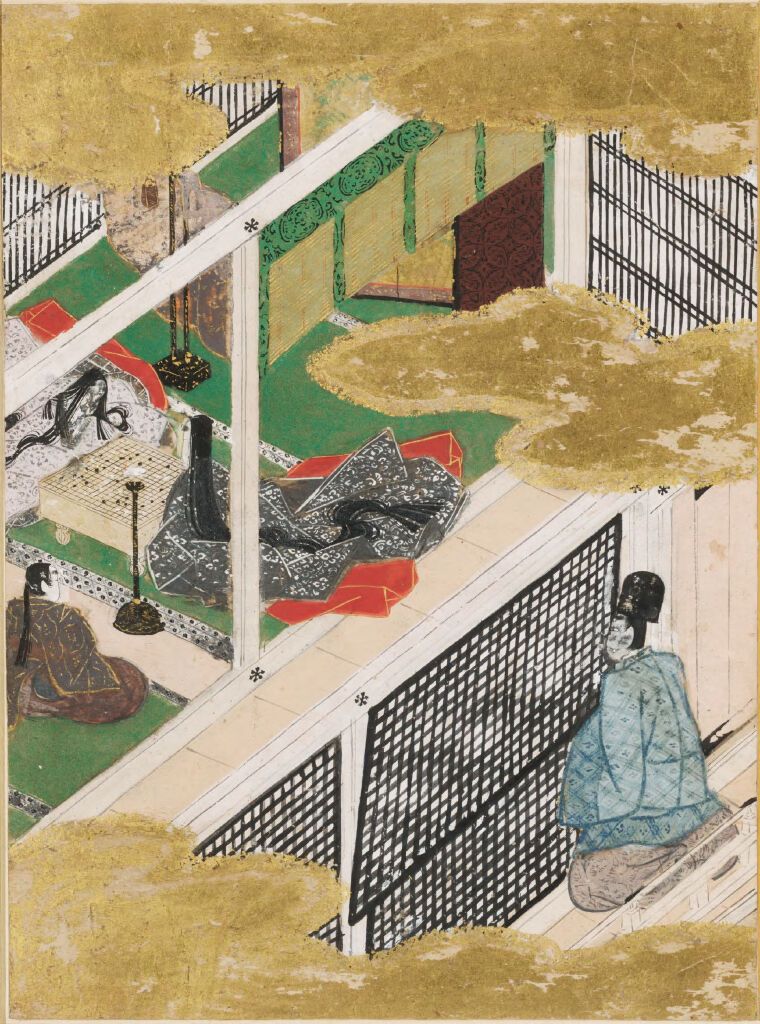
The Cicada Shell (Utsusemi), Illustration to Chapter 3 of the Tale of Genji (Genji monogatari)
Tosa Mitsunobu
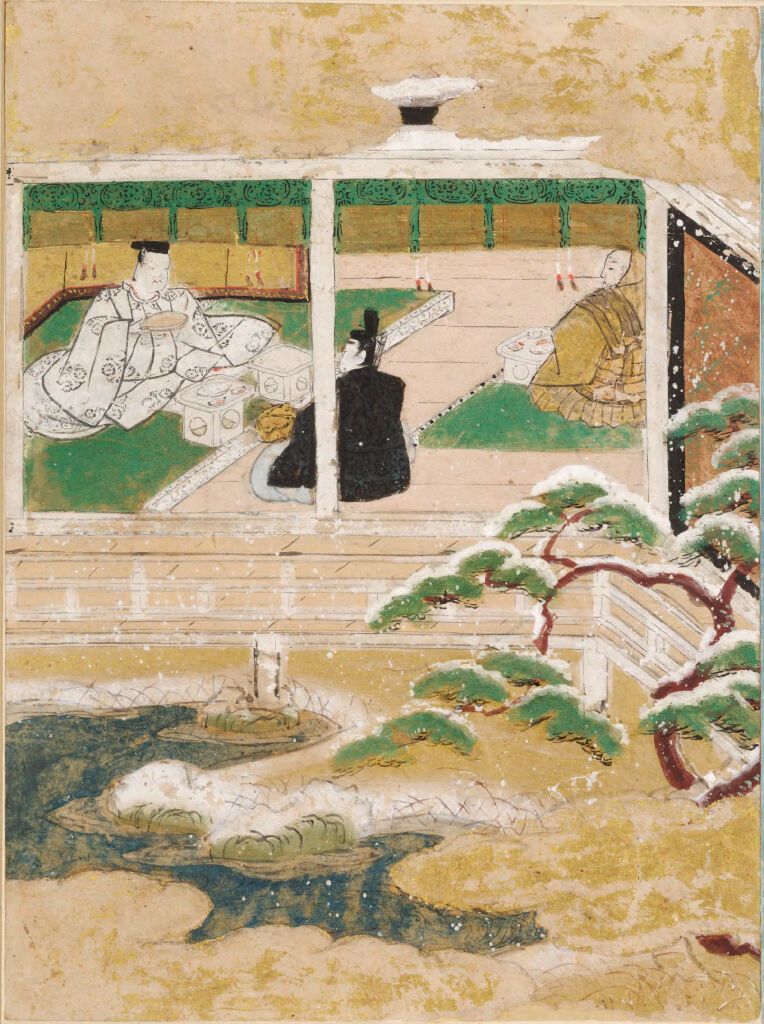
The Seer (Maboroshi), Illustration to Chapter 41 of the Tale of Genji (Genji monogatari)
Tosa Mitsunobu
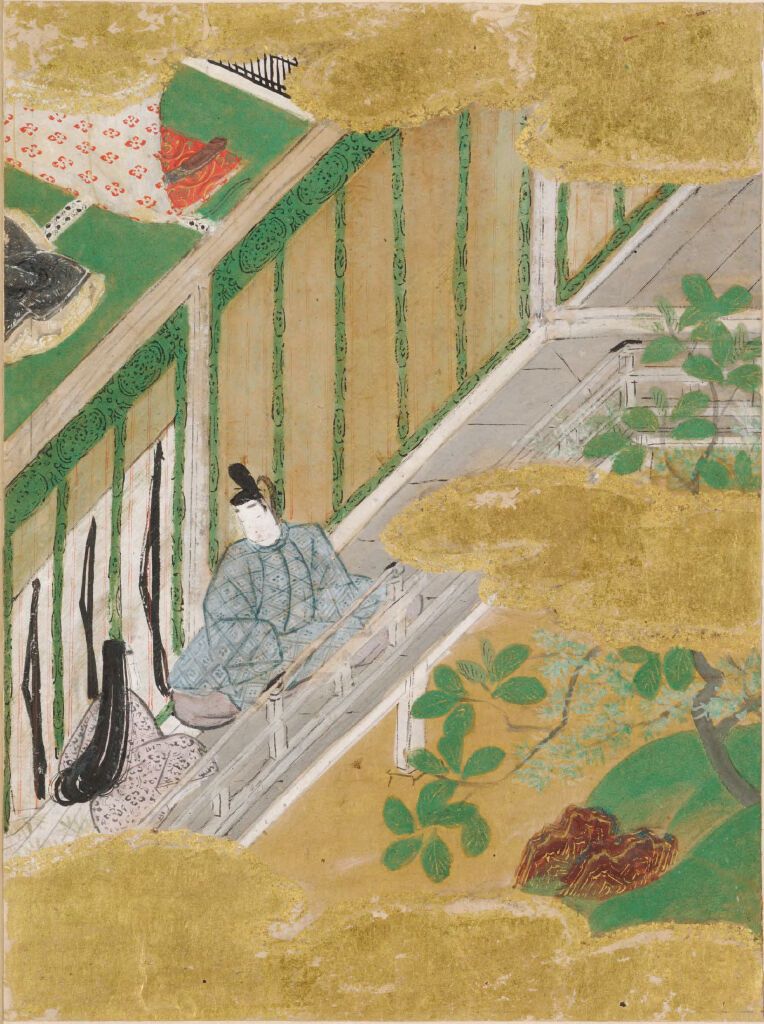
The Oak Tree (Kashiwagi), Illustration to Chapter 36 of the Tale of Genji (Genji monogatari)
Tosa Mitsunobu
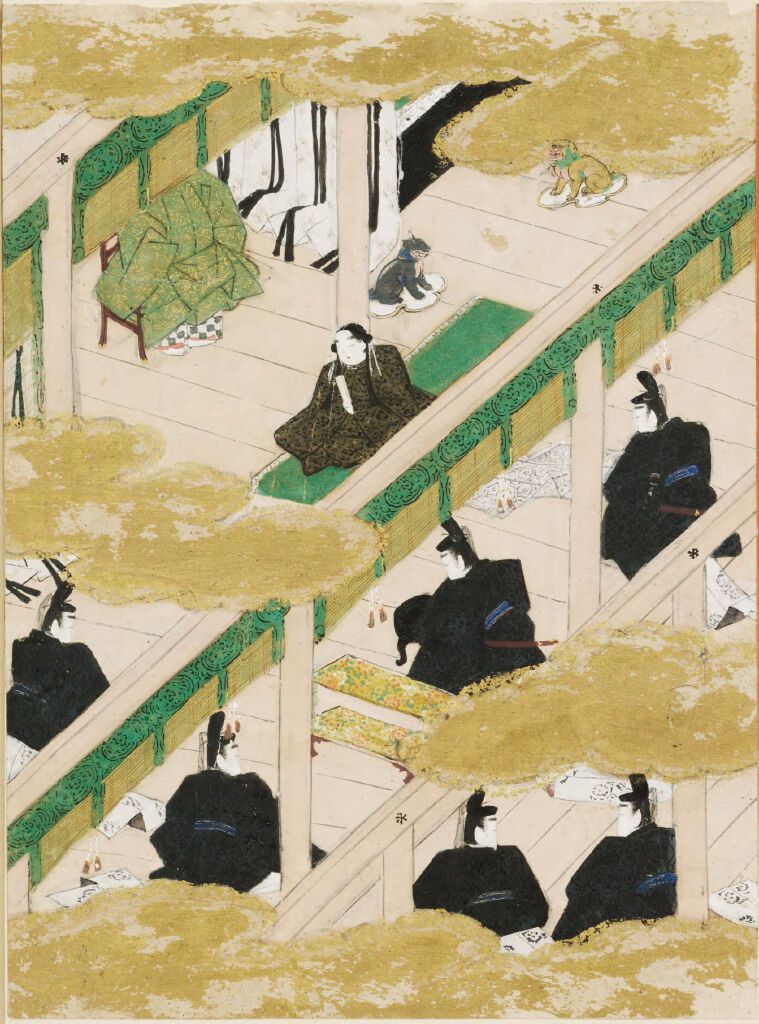
The Paulownia Pavilion (Kiritsubo), Illustration to Chapter 1 of the Tale of Genji (Genji monogatari)
Tosa Mitsunobu
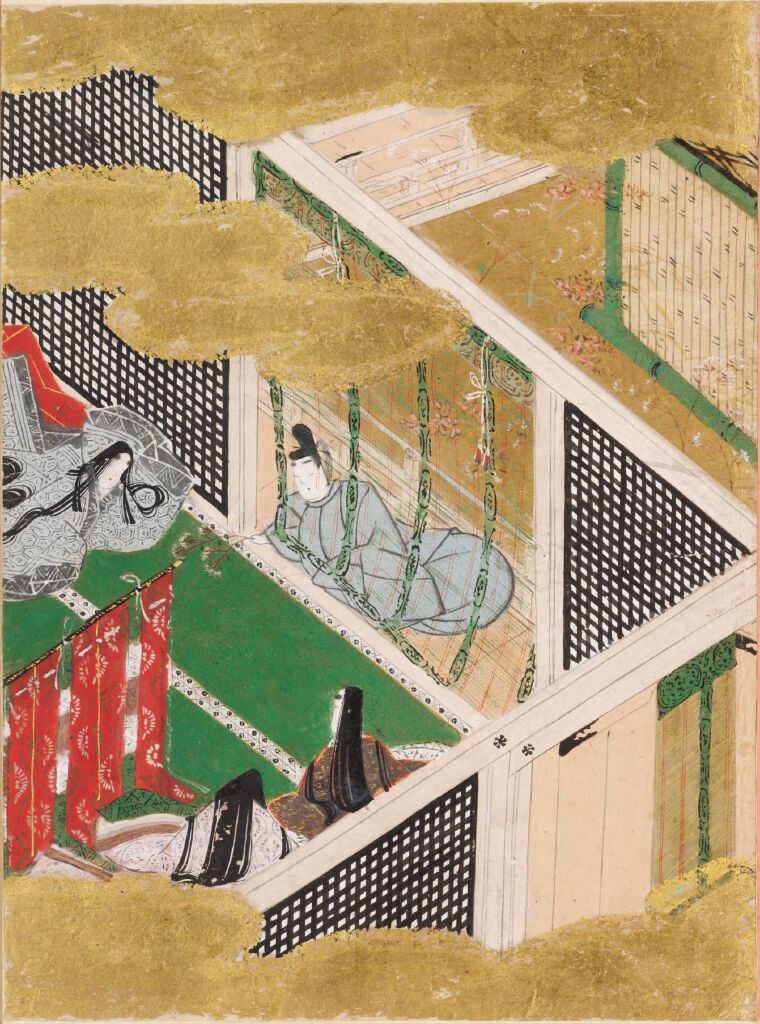
Thoroughwort Flowers (Fujibakama), Illustration to Chapter 30 of the Tale of Genji (Genji monogatari)
Tosa Mitsunobu