
Three-headed Vishnu — Historia y Análisis
Vishnu se representa aquí con dos cabezas adicionales, una de león y otra de jabalí. Originalmente también tenía cuatro brazos. Esta manifestación del dios hindú fue especialmente popular en Cachemira entre los siglos VIII y X.
La corona tripartita y el torso musculoso son algunas de las características de la escultura de Cachemira.
Más obras de Unknown Artist
Ver todo →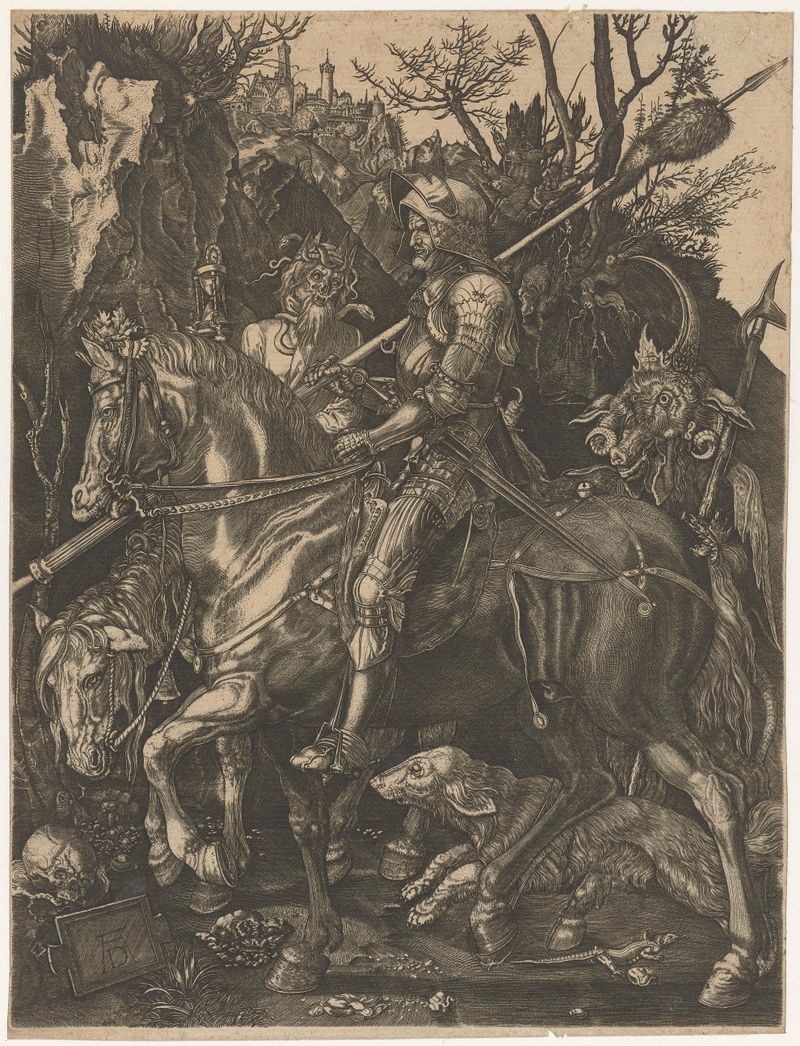
Ridder, Dood en Duivel
Unknown Artist
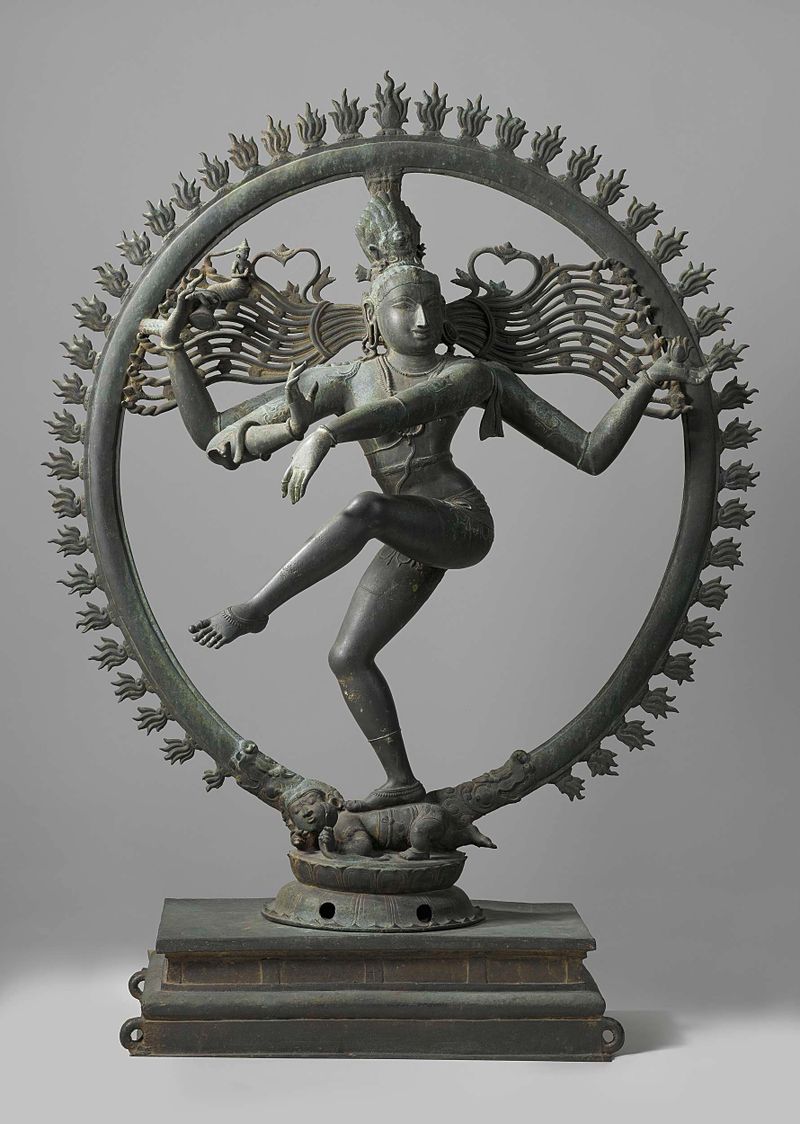
Shiva Nataraja
Unknown Artist
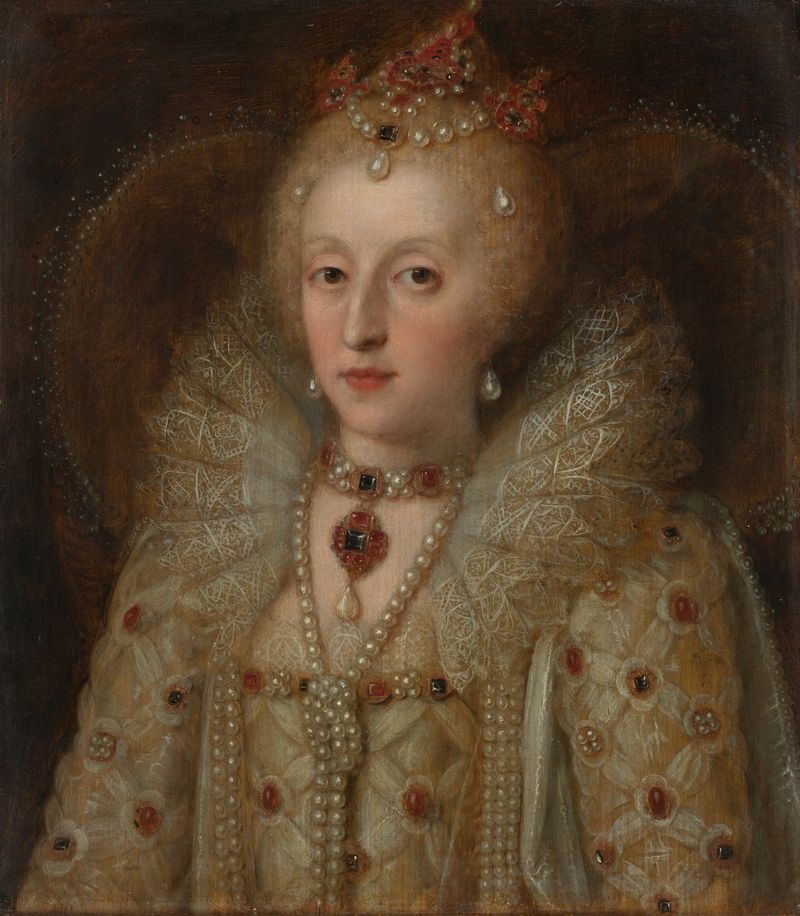
Portrait of Elizabeth I, Queen of England
Unknown Artist
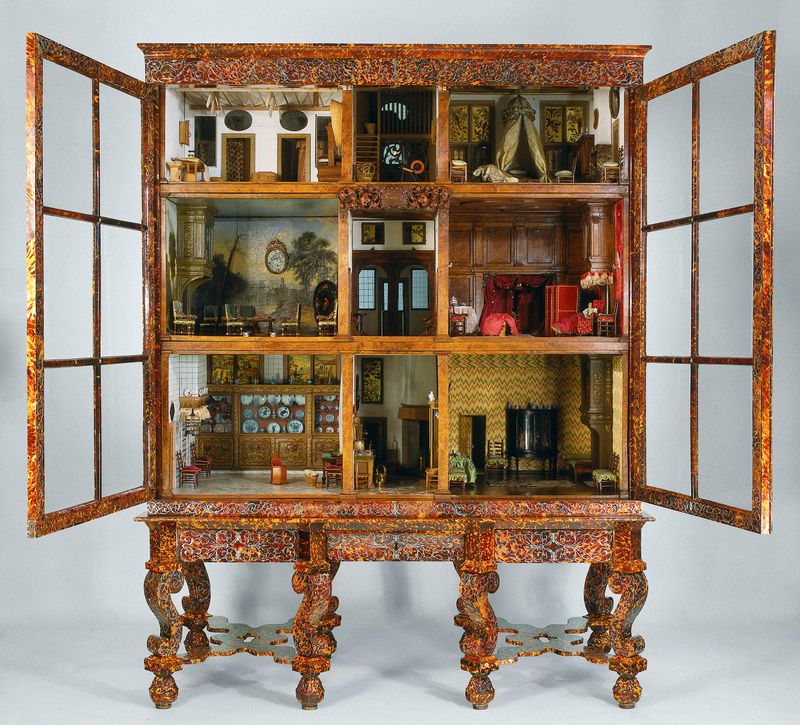
Dolls’ house of Petronella Oortman
Unknown Artist
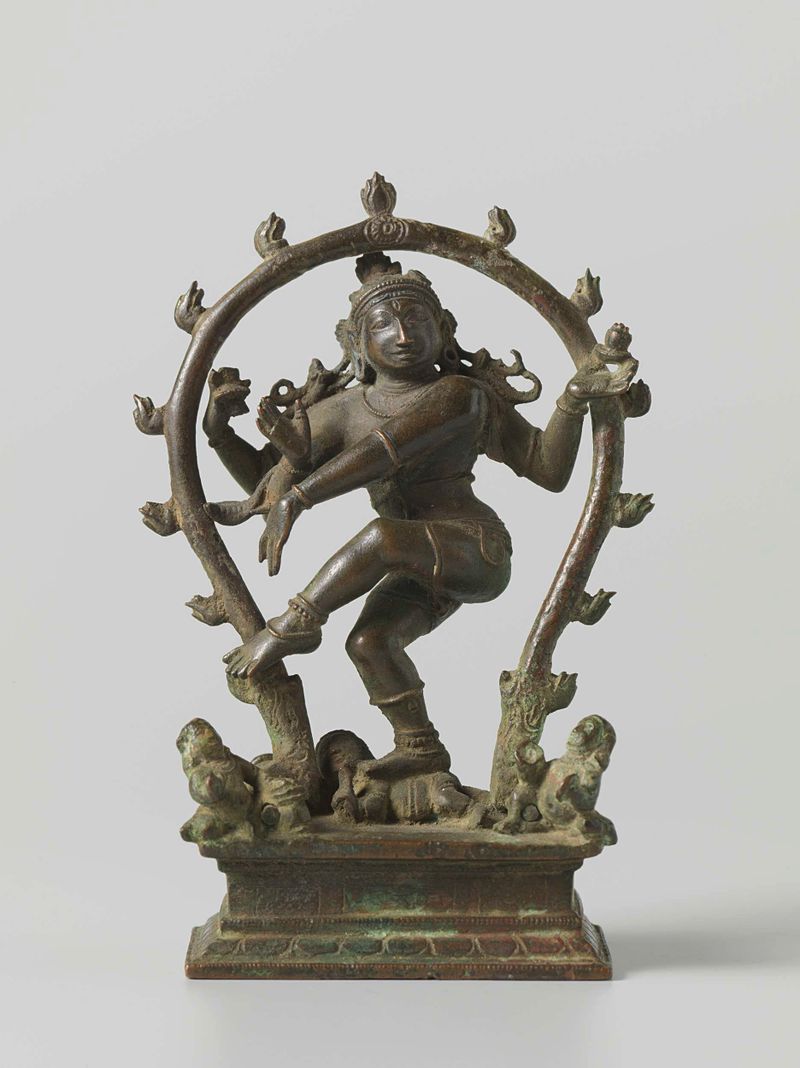
Shiva Nataraja
Unknown Artist

The Tale of Genji
Unknown Artist

The Tale of Genji
Unknown Artist
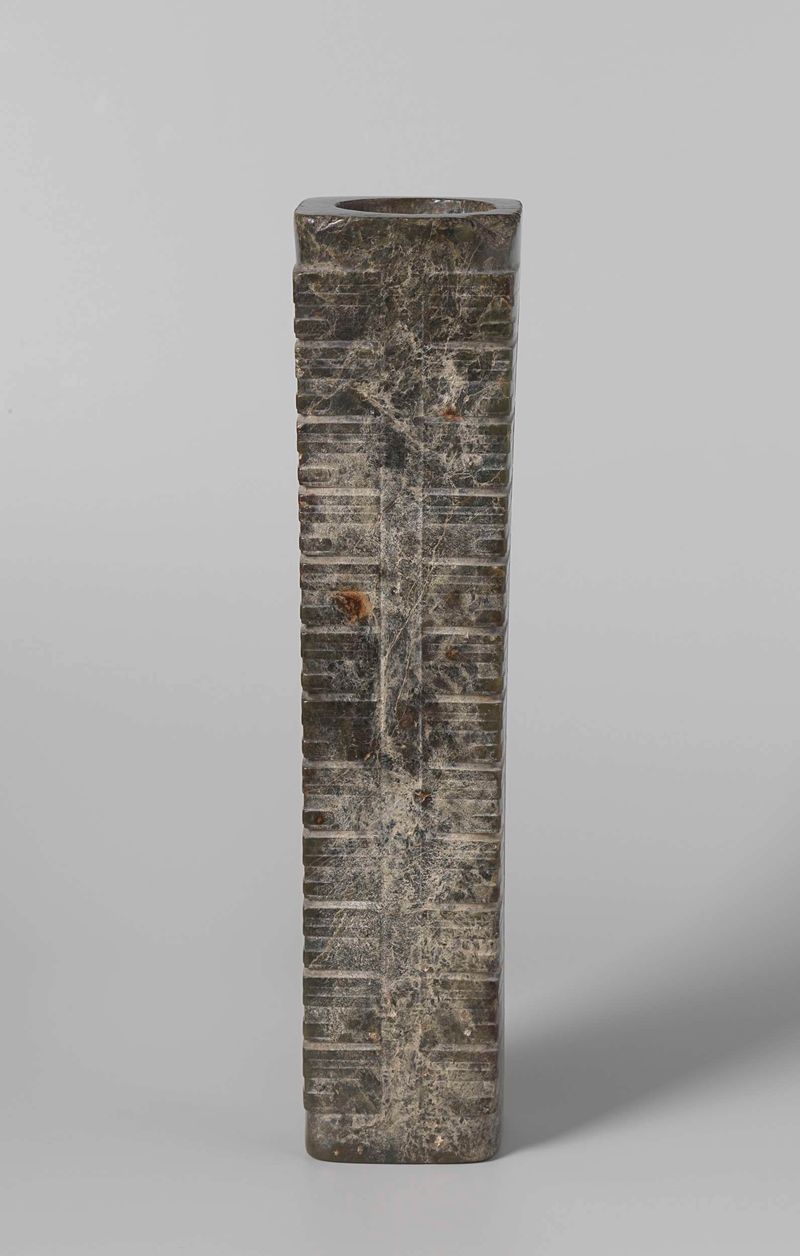
Cong
Unknown Artist
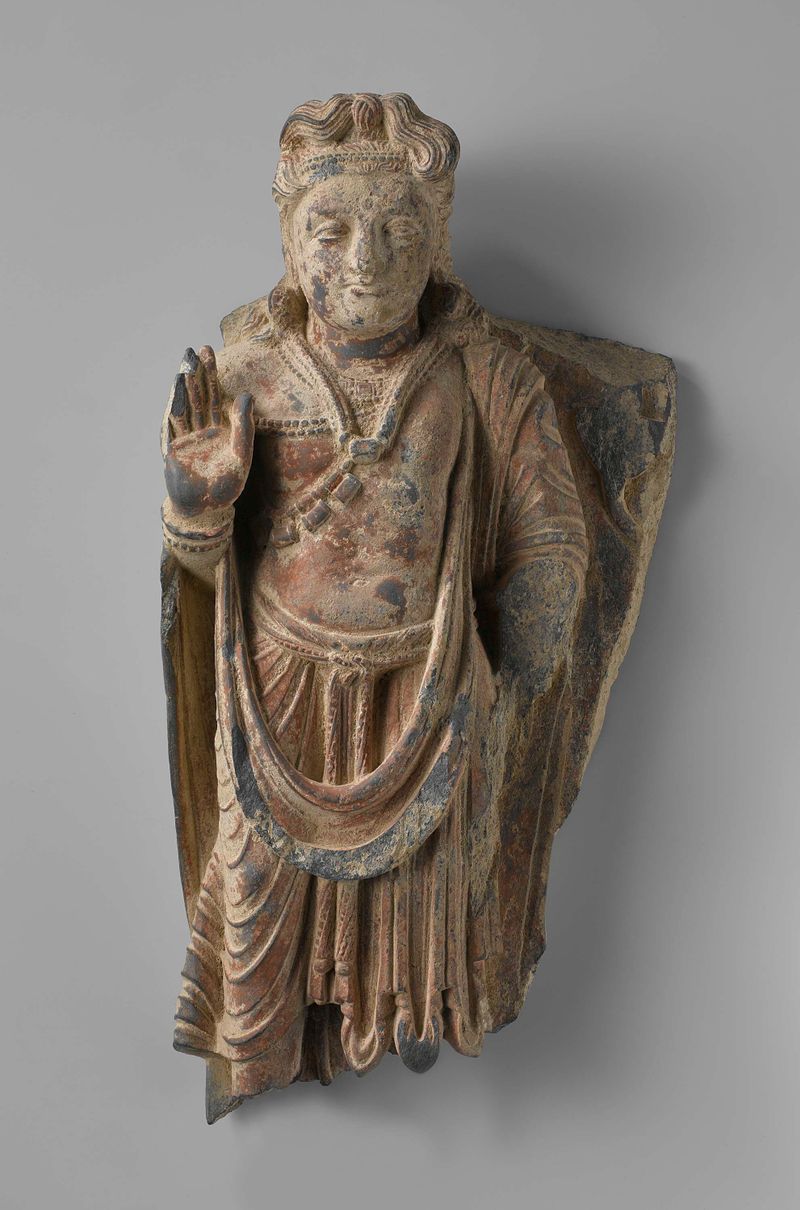
The bodhisattva Maitreya
Unknown Artist
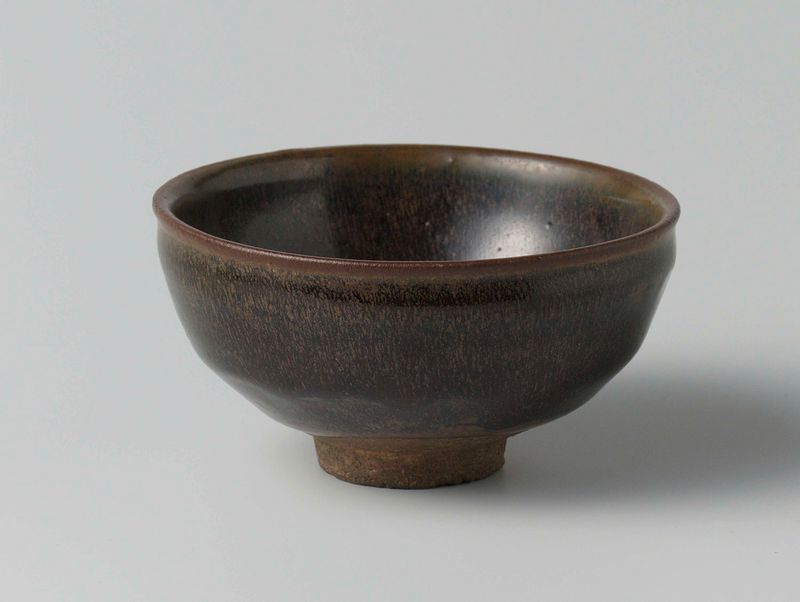
Teabowl with a 'hare's fur' glaze
Unknown Artist
Más arte de Arte Religioso
Ver todo →
The Return of the Prodigal Son
Rembrandt van Rijn

The Garden of Earthly Delights
El Bosco

Count Orgaz’ funeral
El Greco

The Hundred Guilder Print: the central piece with Christ preaching, the plate arched
Rembrandt van Rijn

The Descent from the Cross
Rogier van der Weyden

The return of the prodigal son
Rembrandt van Rijn