
Scopri informazioni su quest'opera
Iskander Comforts the Dying Darius — Storia e analisi
Could beauty survive in a century of chaos? The delicate interplay of grace and sorrow in this painting invites us to ponder this profound question. Look closely at the figures; the anguish in Darius's expression is palpable as he lies on the ground, cradled by Iskander. Notice how the artist employs soft, muted colors to evoke a sense of intimacy, contrasting with the somber scene. The light, glinting off the ornate details of their garments, adds a touch of divine reverence, reminding the viewer of the fleeting nature of life and beauty.
The composition draws the eye gently between the two figures, emphasizing their emotional connection amidst the impending tragedy. Hidden within the folds of fabric and the careful brushstrokes are reflections of loyalty and compassion. Iskander's posture embodies a protector’s role, his hands tenderly supporting the ailing king, which contrasts with Darius’s vulnerability. This juxtaposition reveals not only personal loss but also the broader implications of power and mortality during tumultuous times.
Each intricate detail, from the patterned textiles to the subtle expressions, whispers the complexities of human emotion and the weight of history. In 1590, the artist was deeply engaged with the cultural shifts of the Persian Renaissance, a period marked by the flourishing of arts amid political upheaval. Creating this piece in the city of Shiraz, the artist responded to the local zeitgeist—an era where beauty served as both an escape and a commentary on the fragility of existence against a backdrop of chaos. This painting encapsulates the era’s rich artistic language, reflecting both personal and collective narratives.
Più arte di Storico
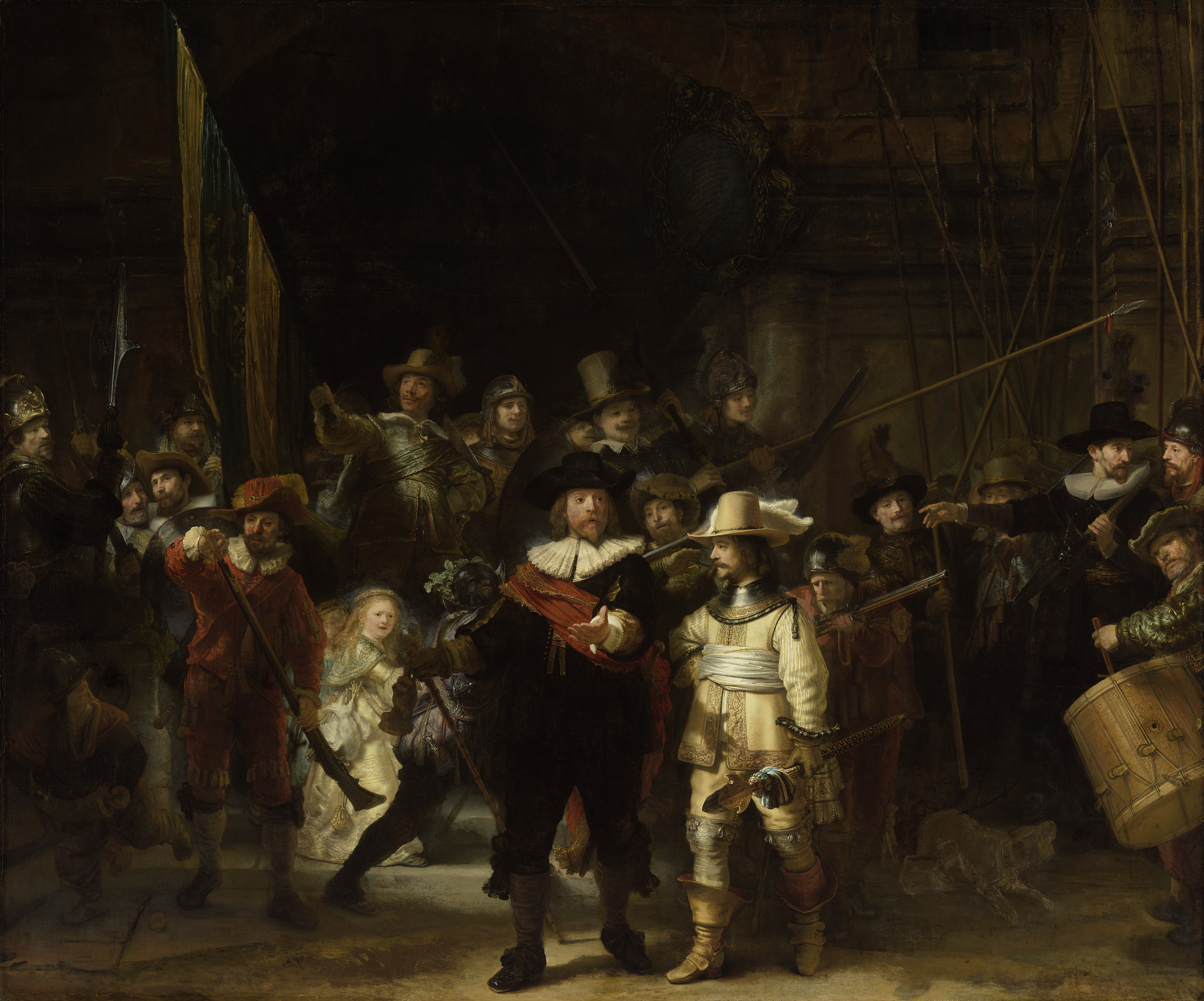
The Night Watch Militia Company of District II under the Command of Captain Frans Banninck Cocq
Rembrandt van Rijn
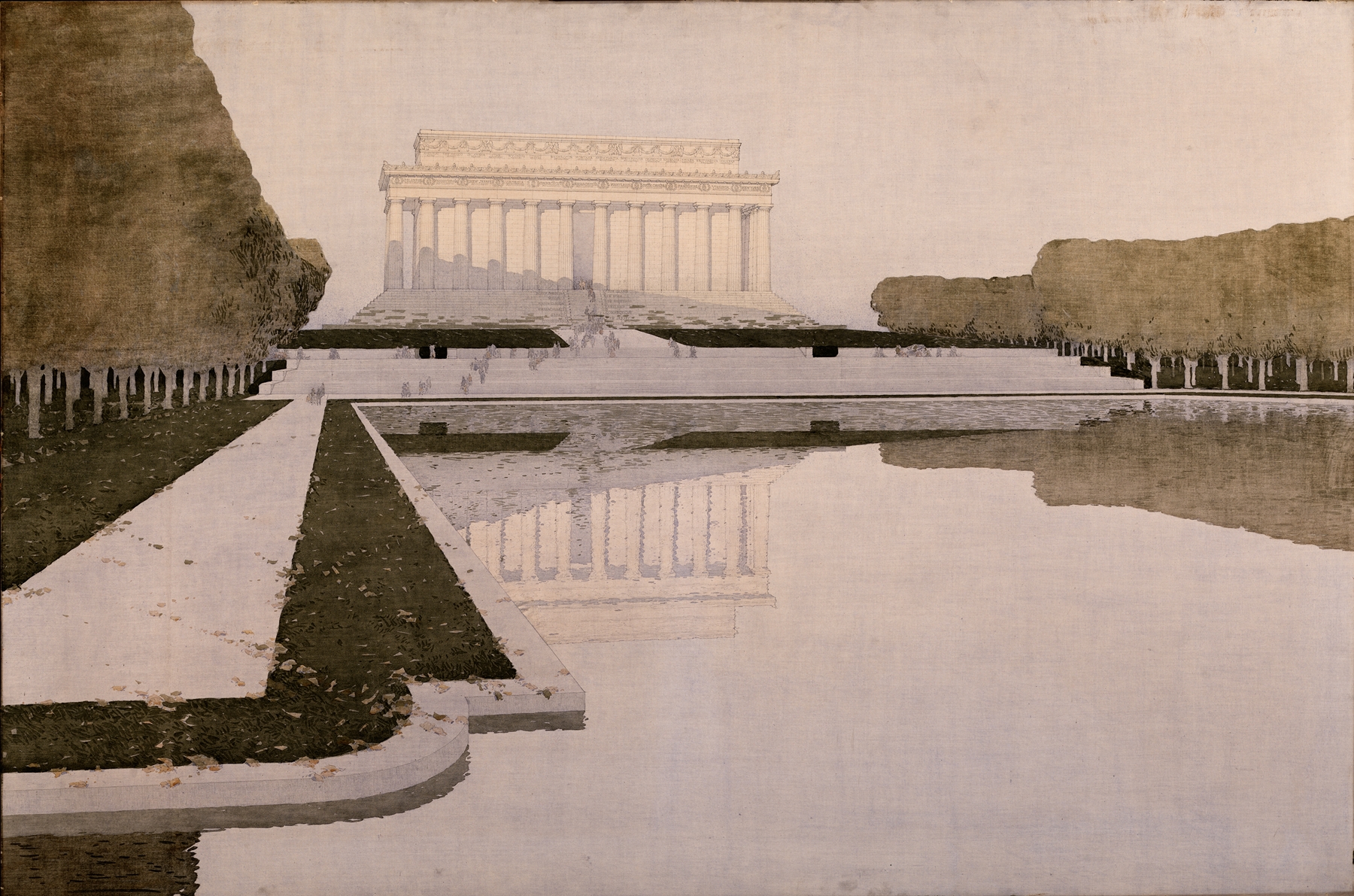
Lincoln Memorial
Henry Bacon
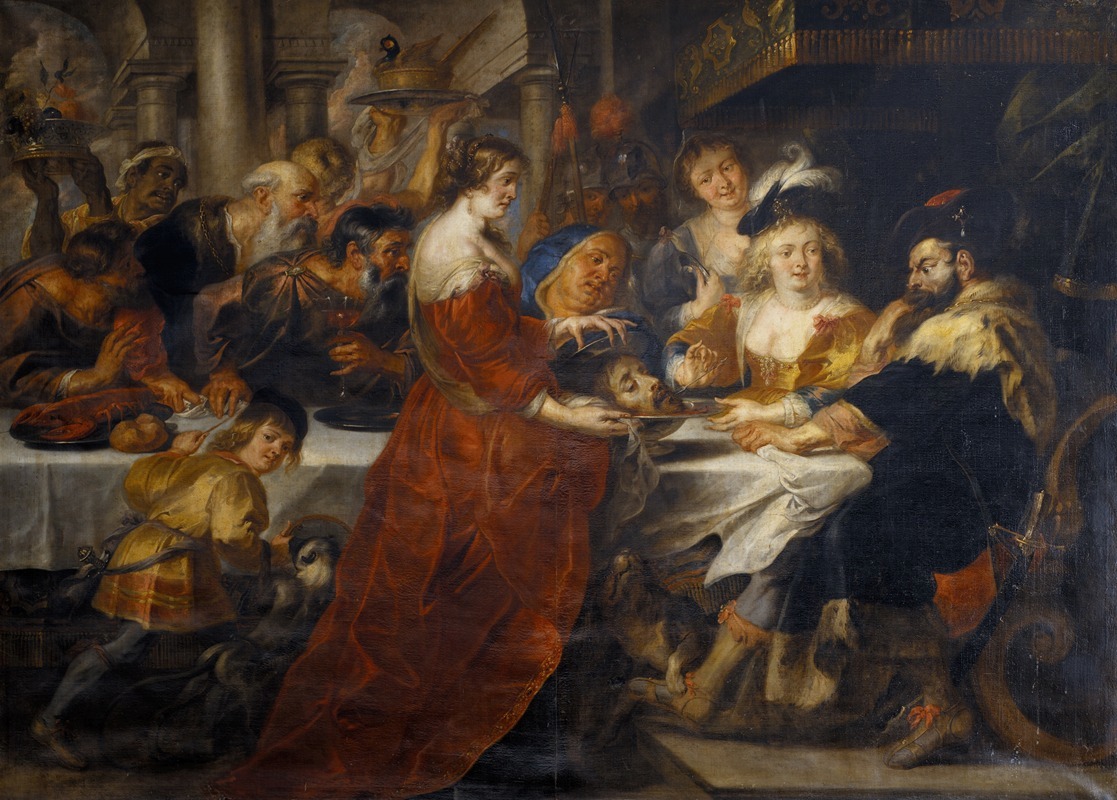
The Feast of Herod. Salome Bringing the Head of St John the Baptist on a Charger
Peter Paul Rubens
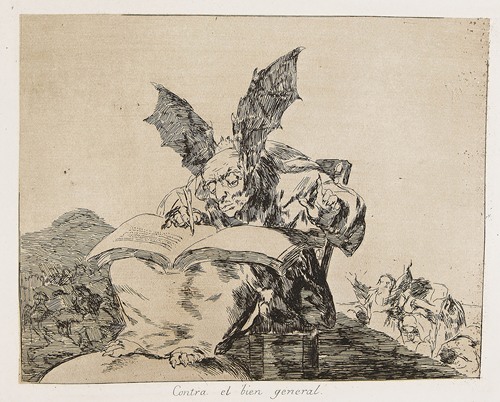
Los desastres de la guerra
Francisco de Goya
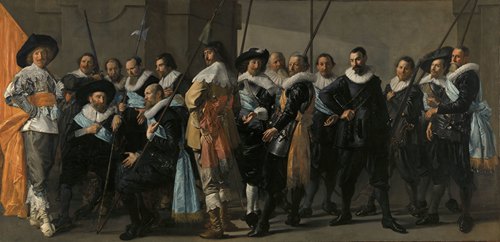
Militia Company of District XI under the Command of Captain Reynier Reael, Known as ‘The Meagre Company’
Frans Hals
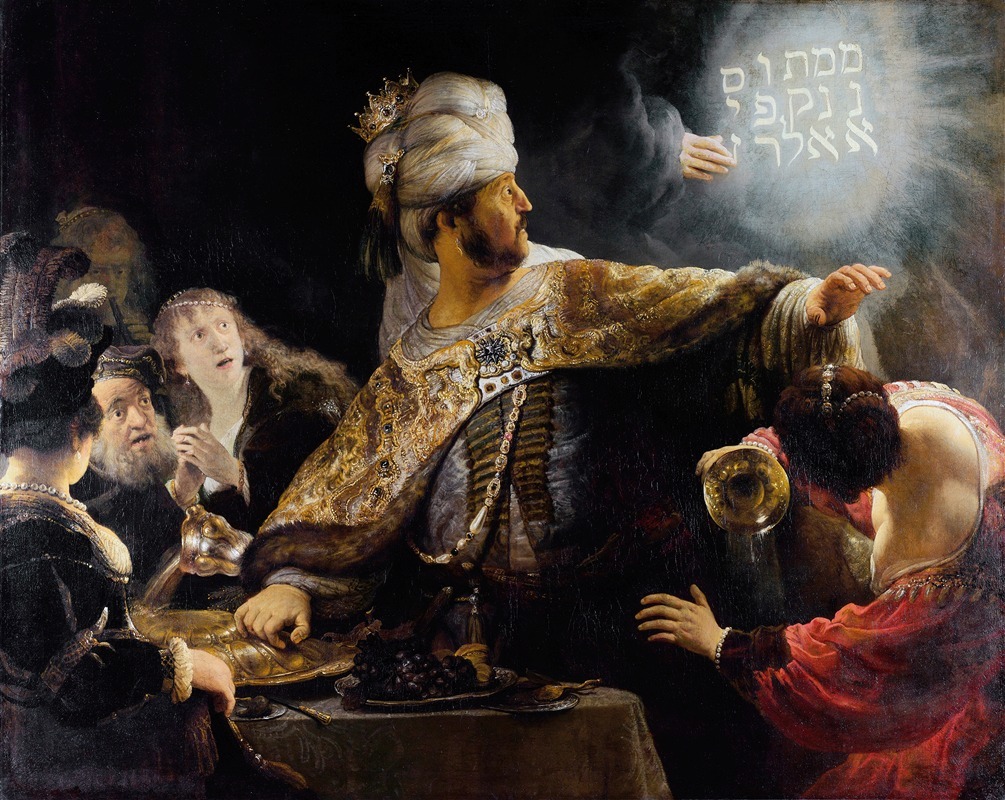
Belshazzar’s feast
Rembrandt van Rijn