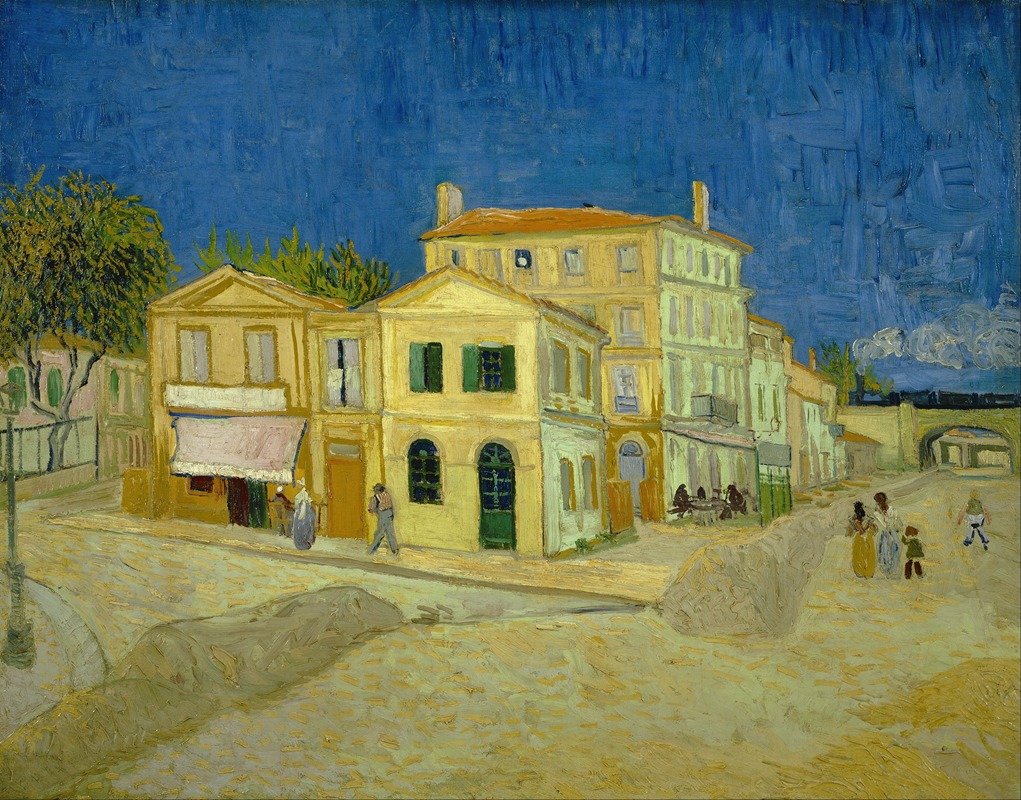
Scopri informazioni su quest'opera
Synagóga — Storia e analisi
What secret hides in the quiet of the canvas? Beneath the surface of the familiar, there lies a dance between reality and illusion that beckons us closer. Look to the left at the vibrant blues and grays swirling around architectural forms that echo the majesty of a synagogue. Notice how the light spills softly across the textured surfaces, casting intricate shadows that seem to breathe with the scene. The interplay of light and dark creates an ethereal quality, suggesting not just a physical space, but an emotional resonance that invites contemplation. In the bustling silence, the juxtaposition of the delicate brushwork against the bold structure evokes a sense of tension, embodying a conversation between tradition and modernity.
Each stroke seems to whisper stories of the past while longing for the future, urging viewers to reflect on the fragility of cultural identity. The layering of colors symbolizes the complexities beneath the surface, revealing that what we see may not always be what truly exists. Dobrovolský painted Synagóga in 1929 during a time of significant social and political upheaval in Europe. Living in Czechoslovakia, he was influenced by the avant-garde movements that sought to redefine artistic expression.
The period was marked by a search for identity amidst changing cultural landscapes, making this work a poignant reflection of both personal and collective heritage.
Altre opere di Jaroslav Dobrovolský
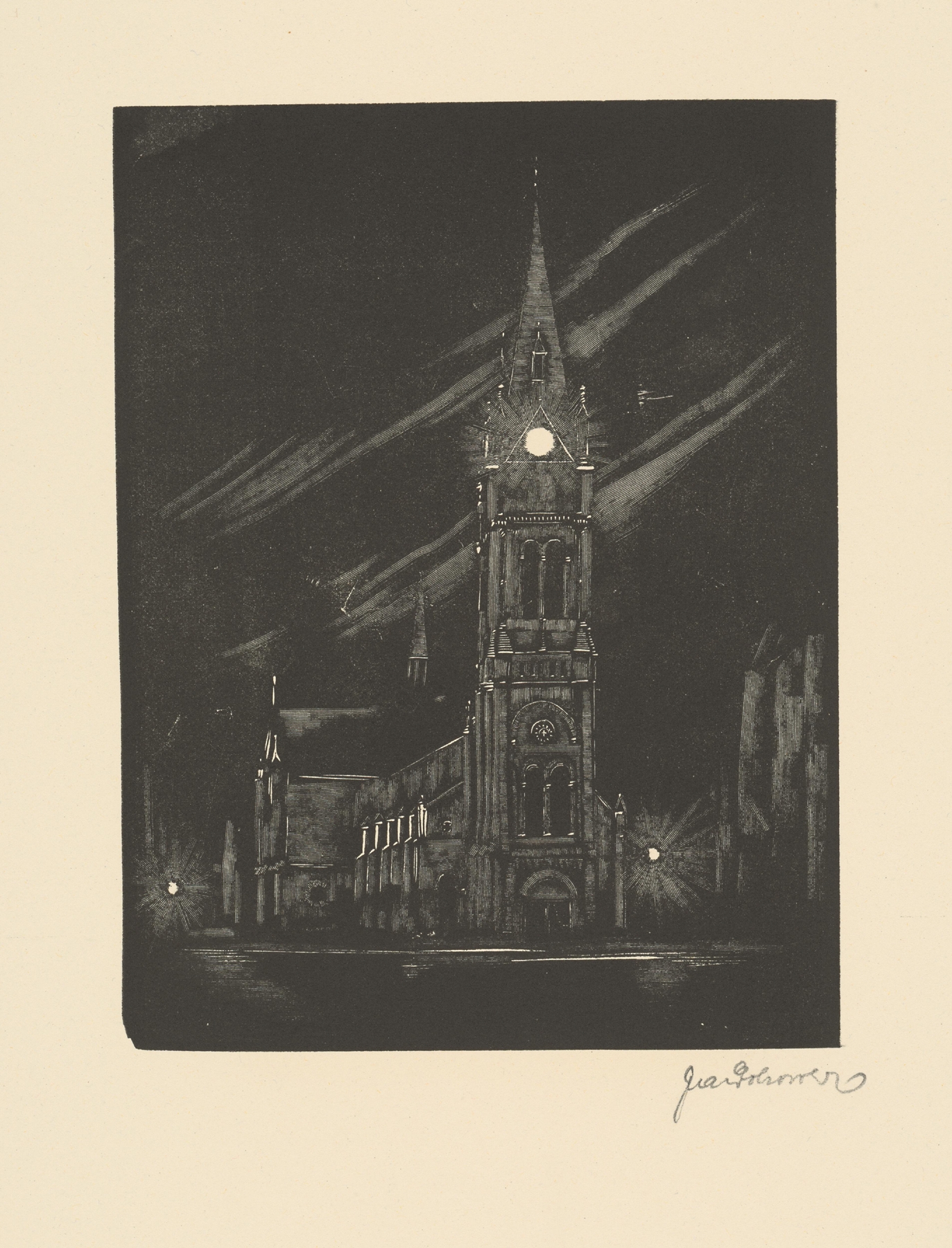
Blumentálsky kostol
Jaroslav Dobrovolský
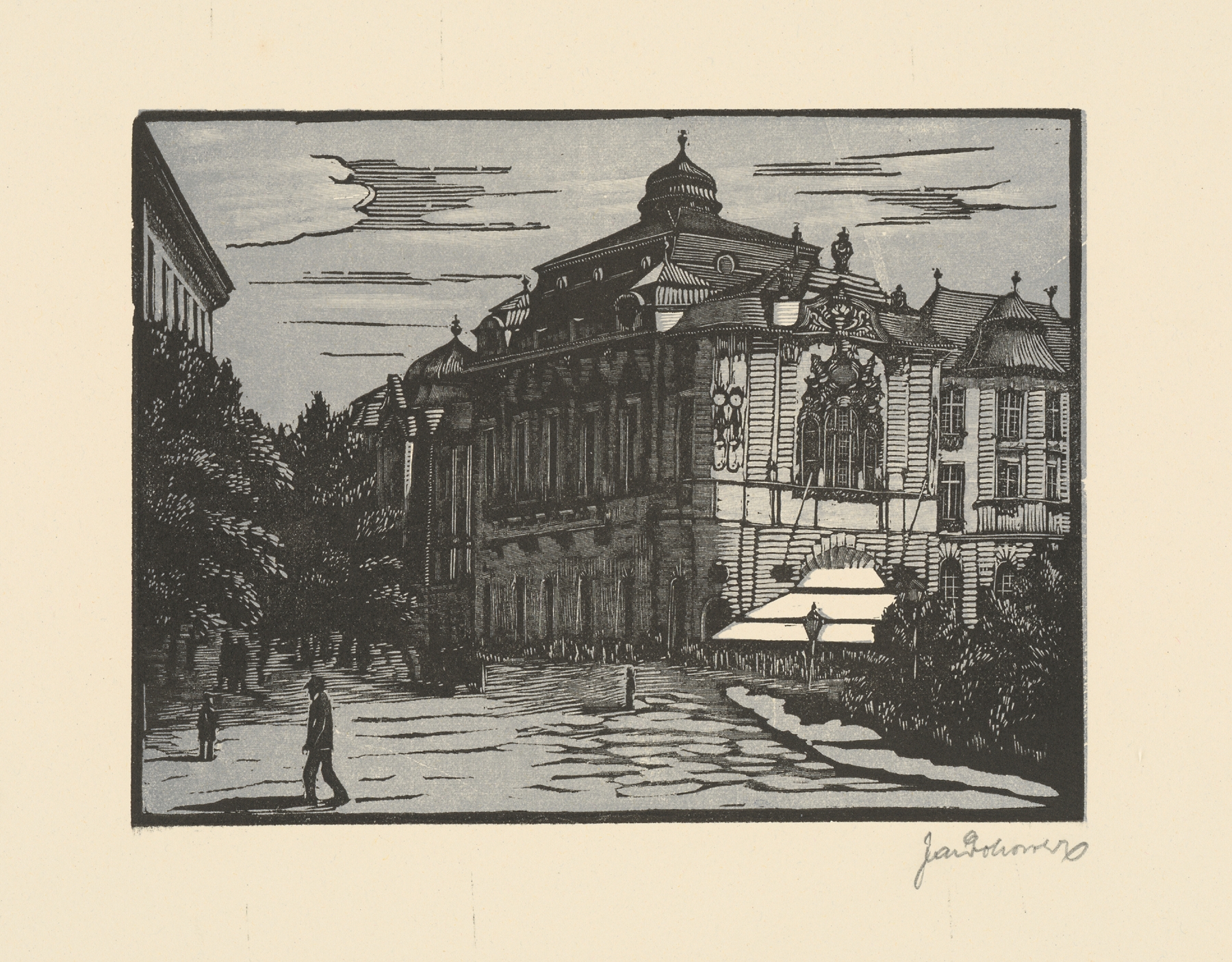
Reduta
Jaroslav Dobrovolský
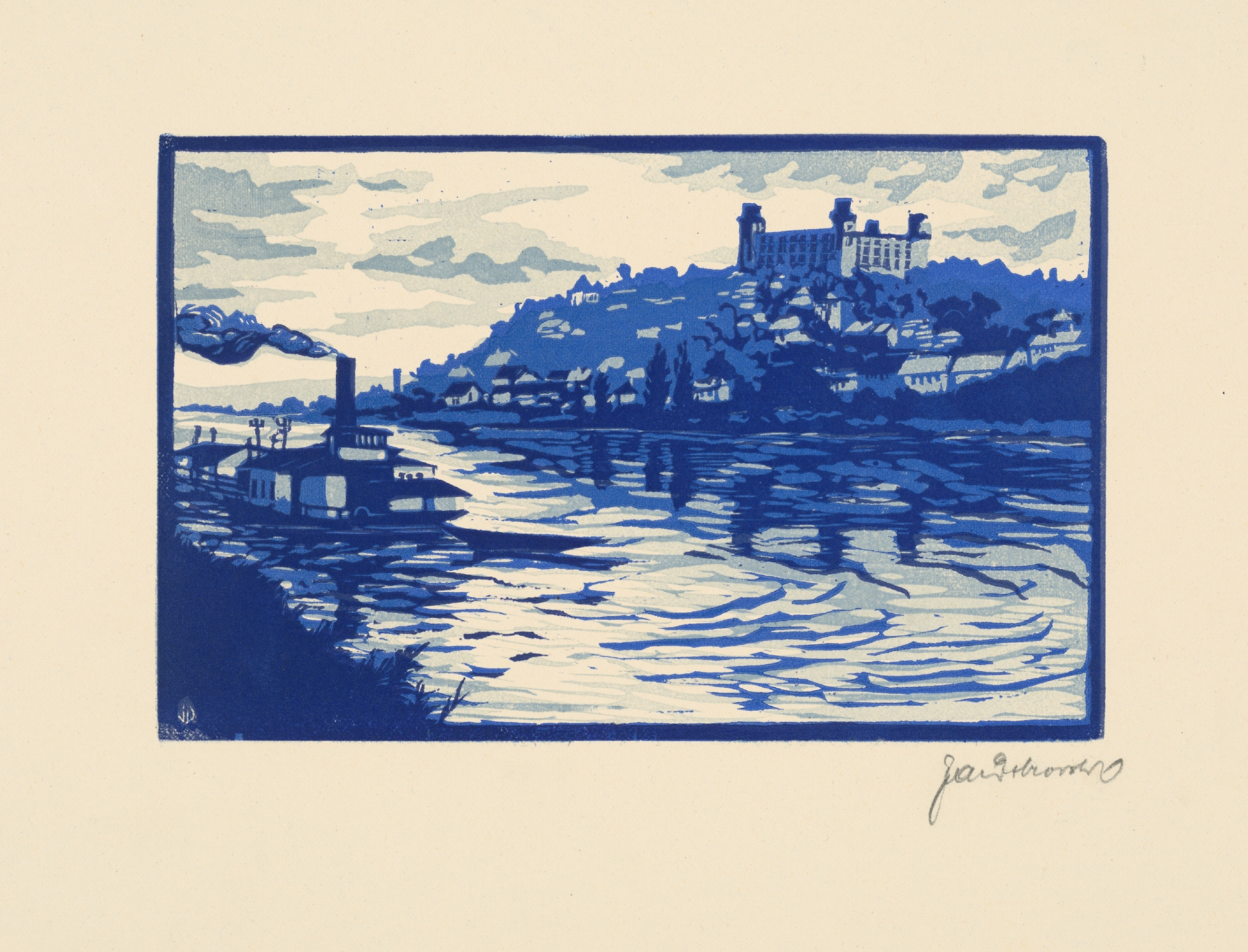
Pohľad z Petržalky
Jaroslav Dobrovolský
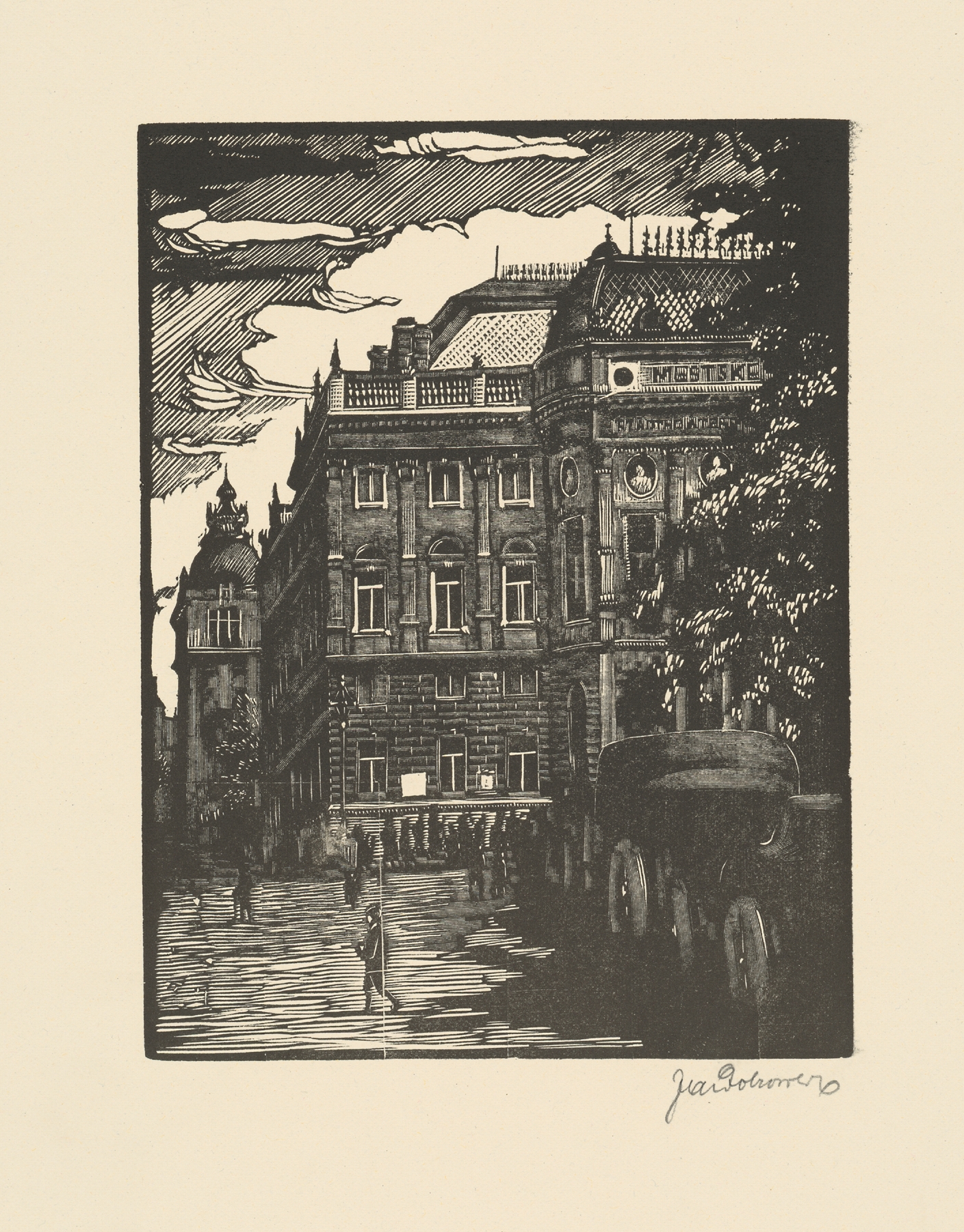
Mestské divadlo
Jaroslav Dobrovolský
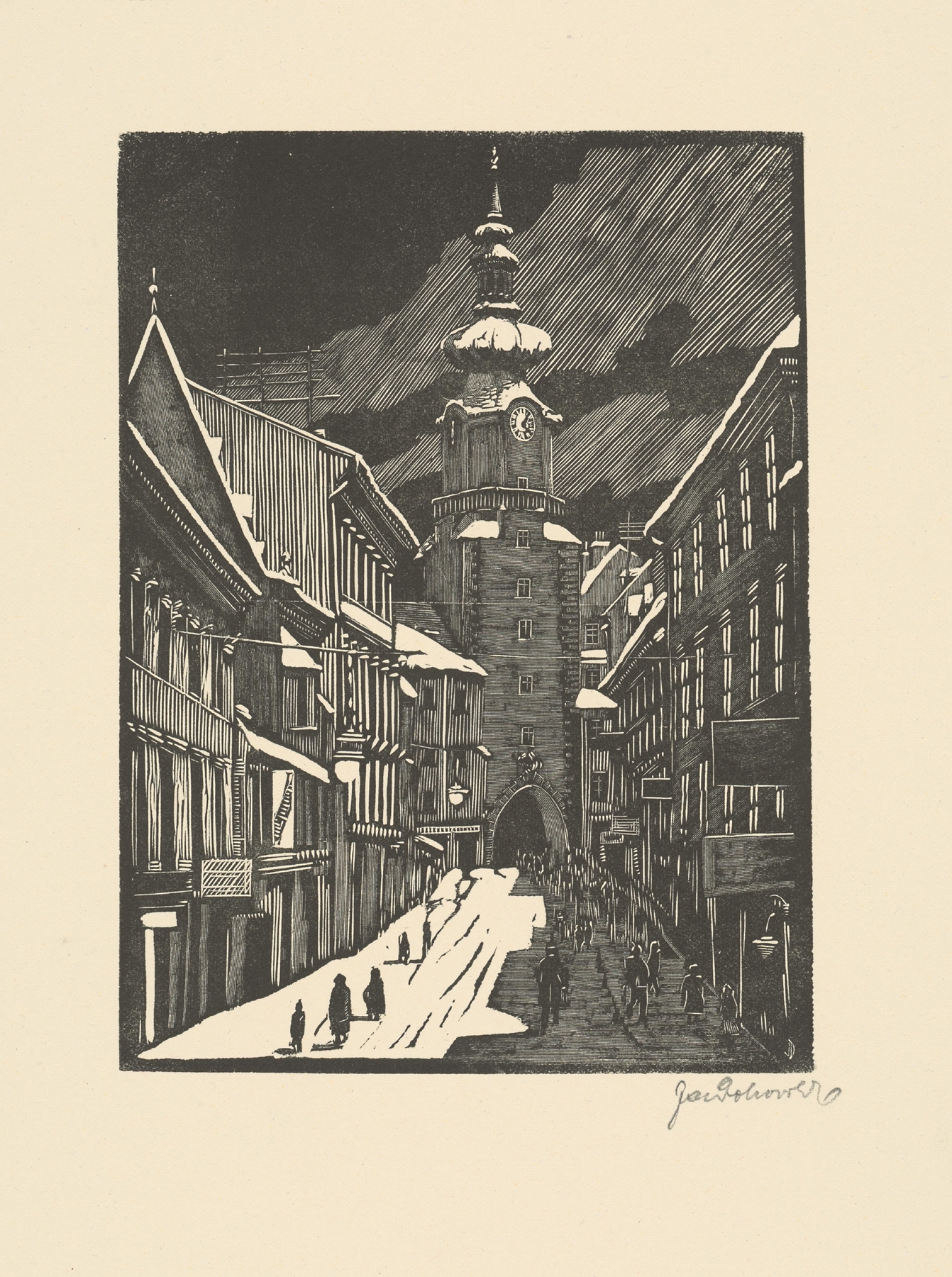
Michalská brána
Jaroslav Dobrovolský
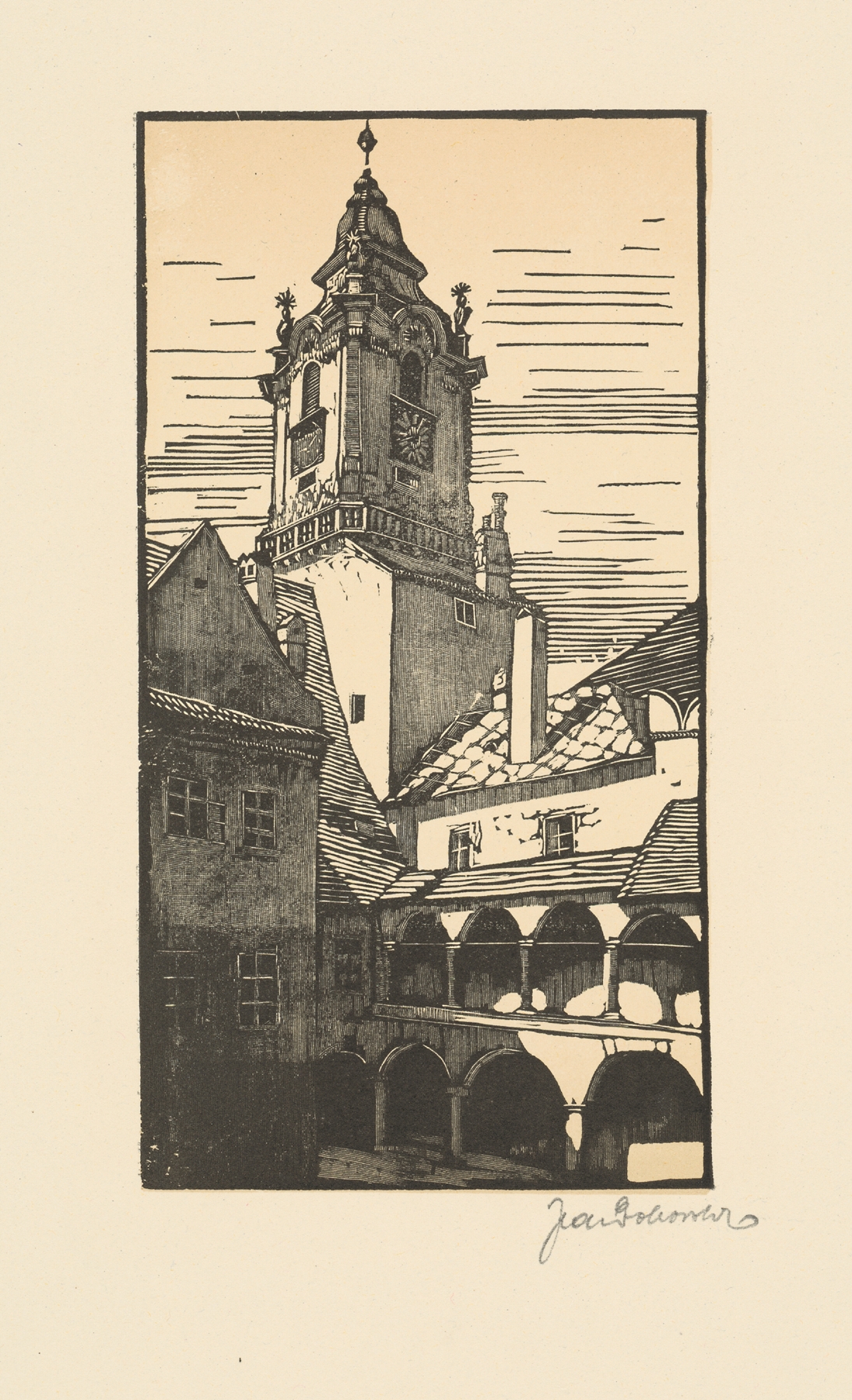
Dvor Starej radnice
Jaroslav Dobrovolský
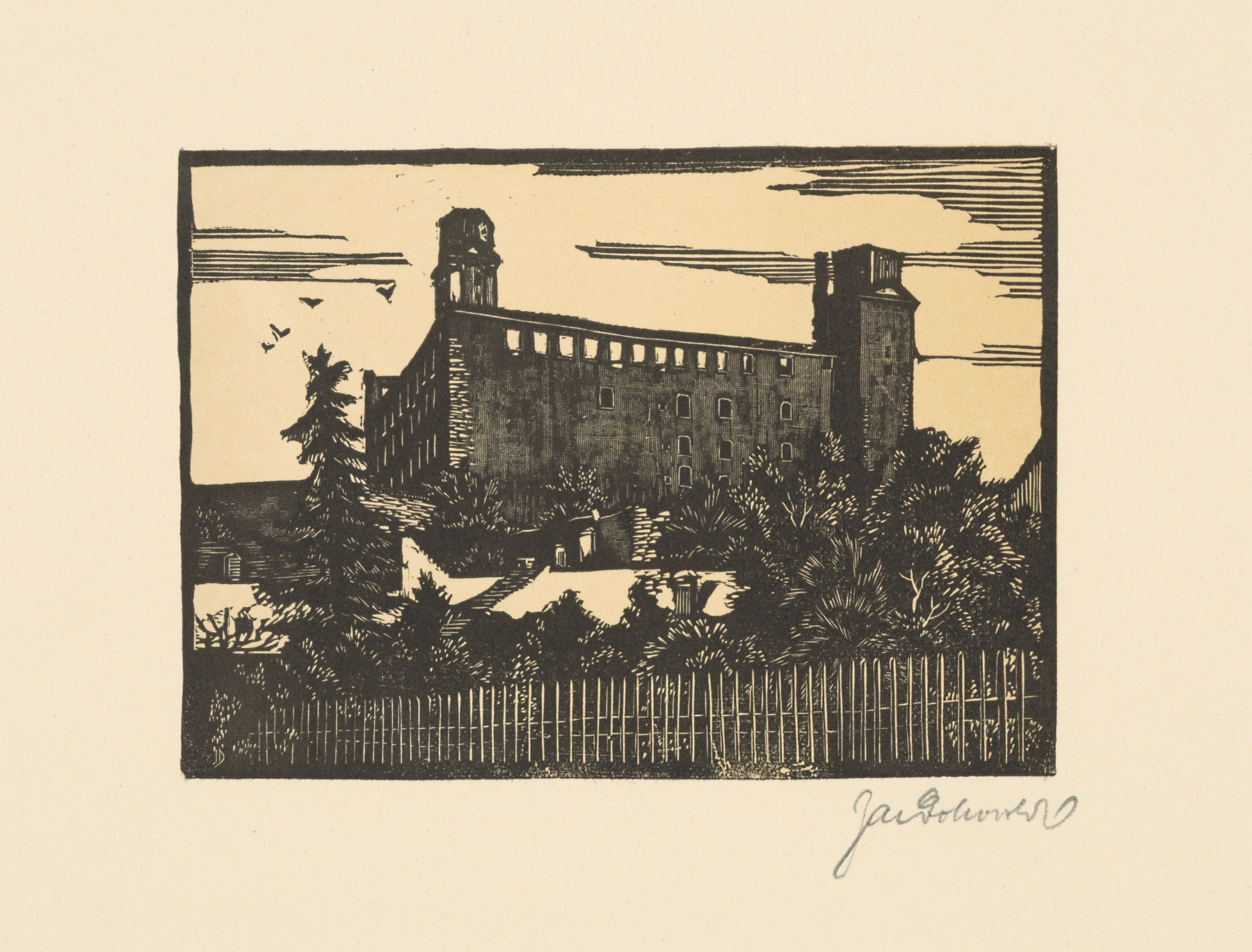
Hrad
Jaroslav Dobrovolský
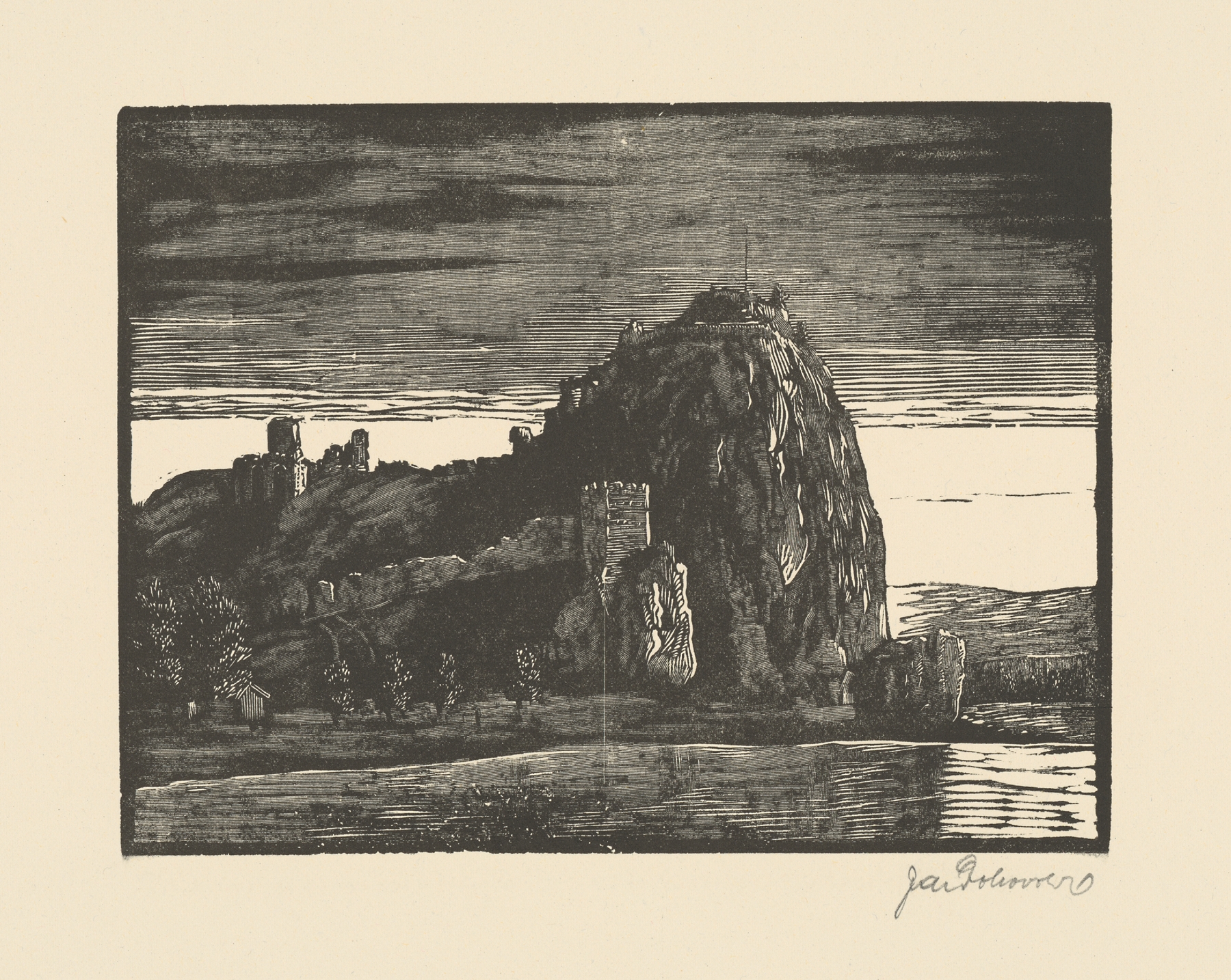
Devín
Jaroslav Dobrovolský
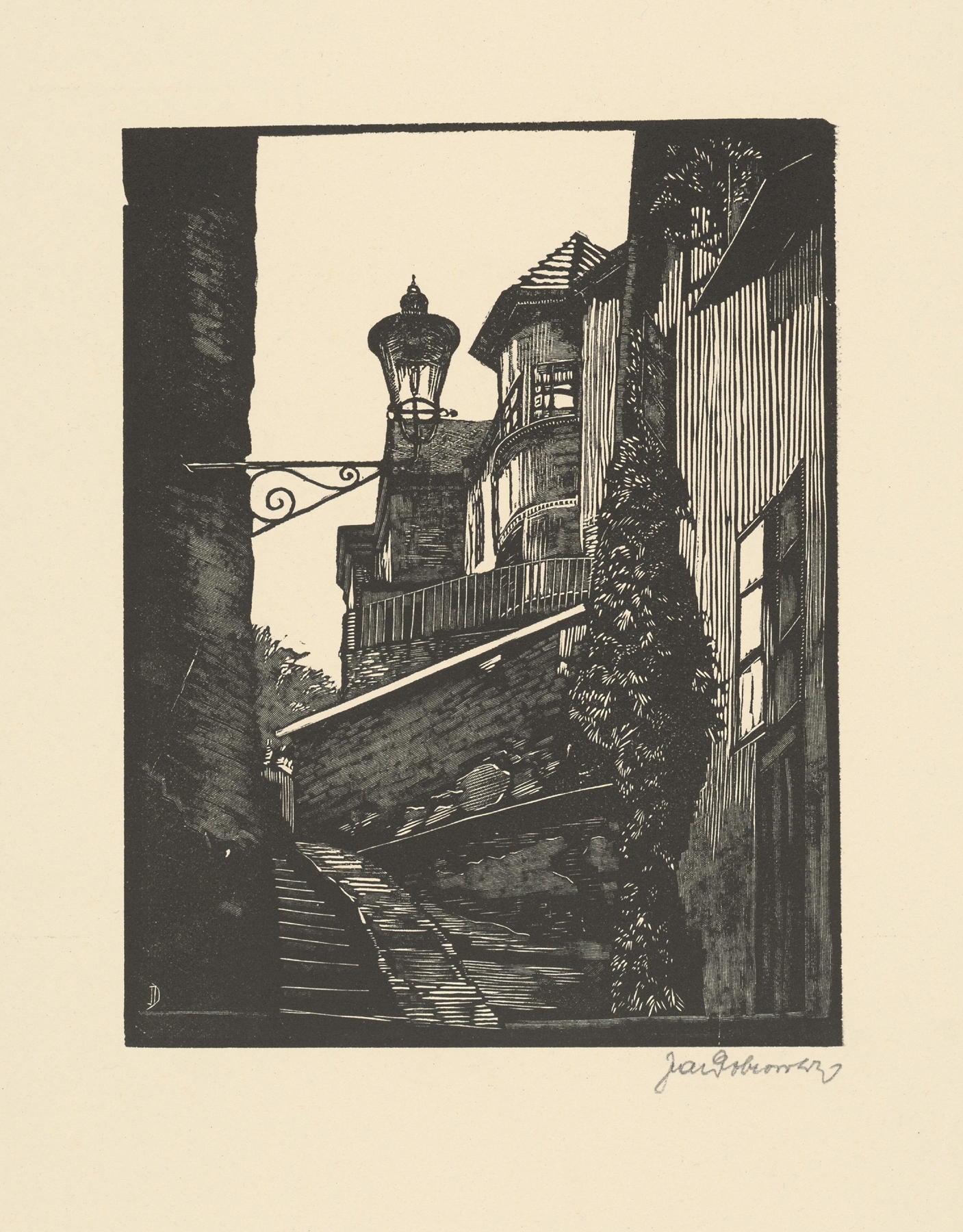
Zbytok mestského múru
Jaroslav Dobrovolský
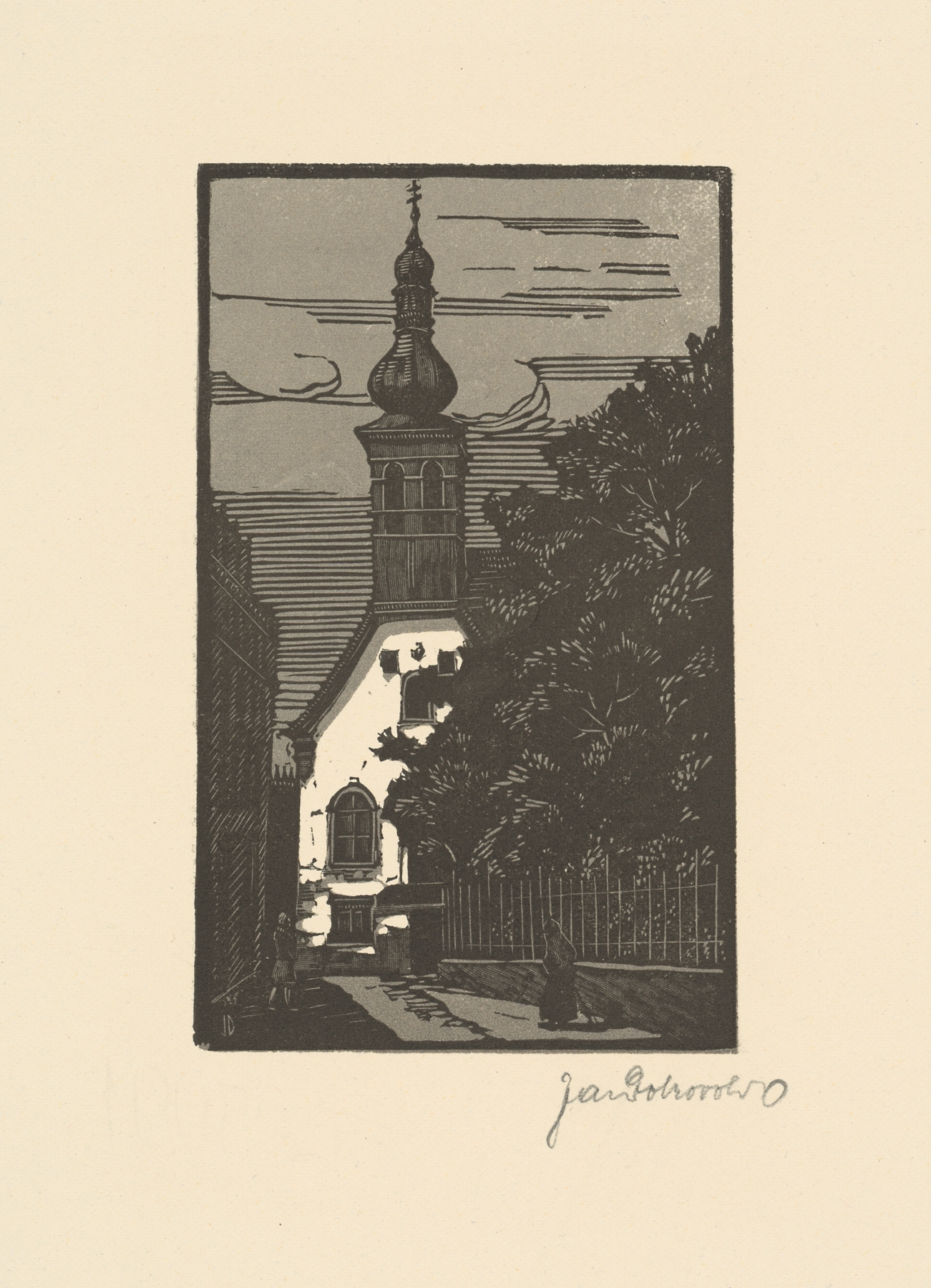
Kostolík Uršuliniek
Jaroslav Dobrovolský