Baby Sequoia — História e Análise
Did the painter know this moment would outlive them? In Baby Sequoia, a fragile sapling is immortalized, a testament to endurance amid the transience of life. Look to the center of the canvas, where the young sequoia stands resolute, its emerald leaves vibrant against a backdrop of earthy tones. The careful brushwork captures the texture of the bark, inviting the viewer to trace the spirals and grooves, while gentle washes of green and brown create a sense of depth and grounding. Notice how the light dapples through the branches, revealing the subtle variations in color that breathe life into this solitary figure. There’s a poignant contrast between the delicate sapling and the weight of the surrounding landscape.
The artist hints at the untold stories held within the roots of this young tree, emblematic of potential growth and resilience. The choice of color, bold yet tender, evokes a sense of hope, suggesting that even the smallest of beings can thrive against the odds. This moment, captured in time, asks us to reflect on our own fragility and strength in a world marked by entropy. Ernest Haskell painted this piece in 1915 while living in New England.
At that time, the art world was increasingly focused on naturalism and American themes. Haskell, influenced by the Arts and Crafts movement, sought to harmonize beauty with nature, a vision that resonated deeply amid the social and environmental changes of his era. This painting stands as a quiet reminder of the enduring spirit of life, captured through the eyes of an artist deeply attuned to his surroundings.
Mais obras de Ernest Haskell
Ver tudo →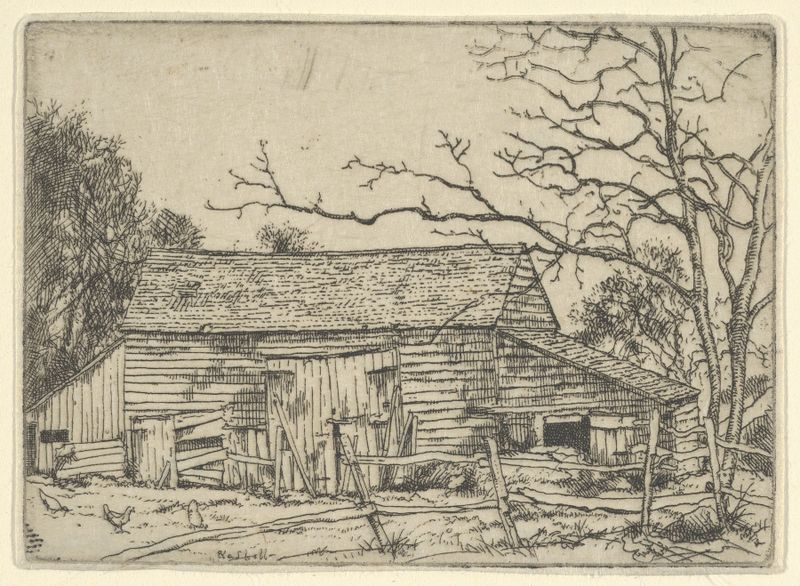
The Barn–Staten Island, N.Y.
Ernest Haskell

Four Live Oaks
Ernest Haskell
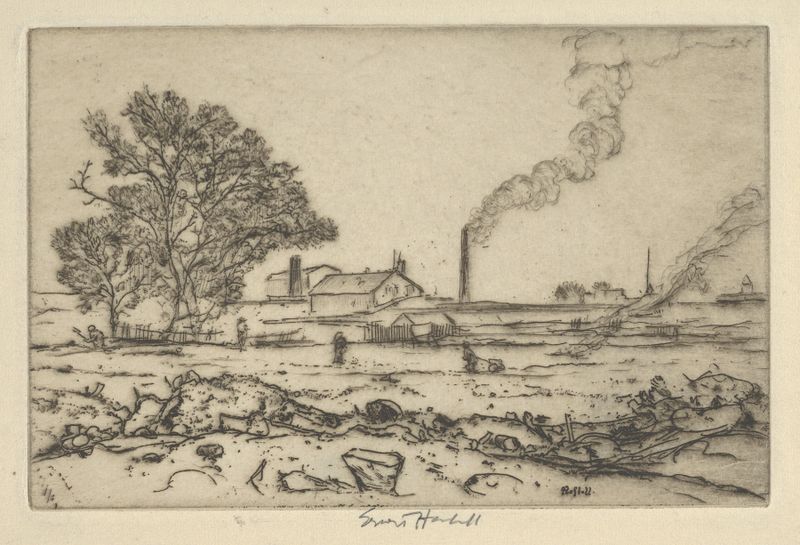
Outskirts of Boston
Ernest Haskell
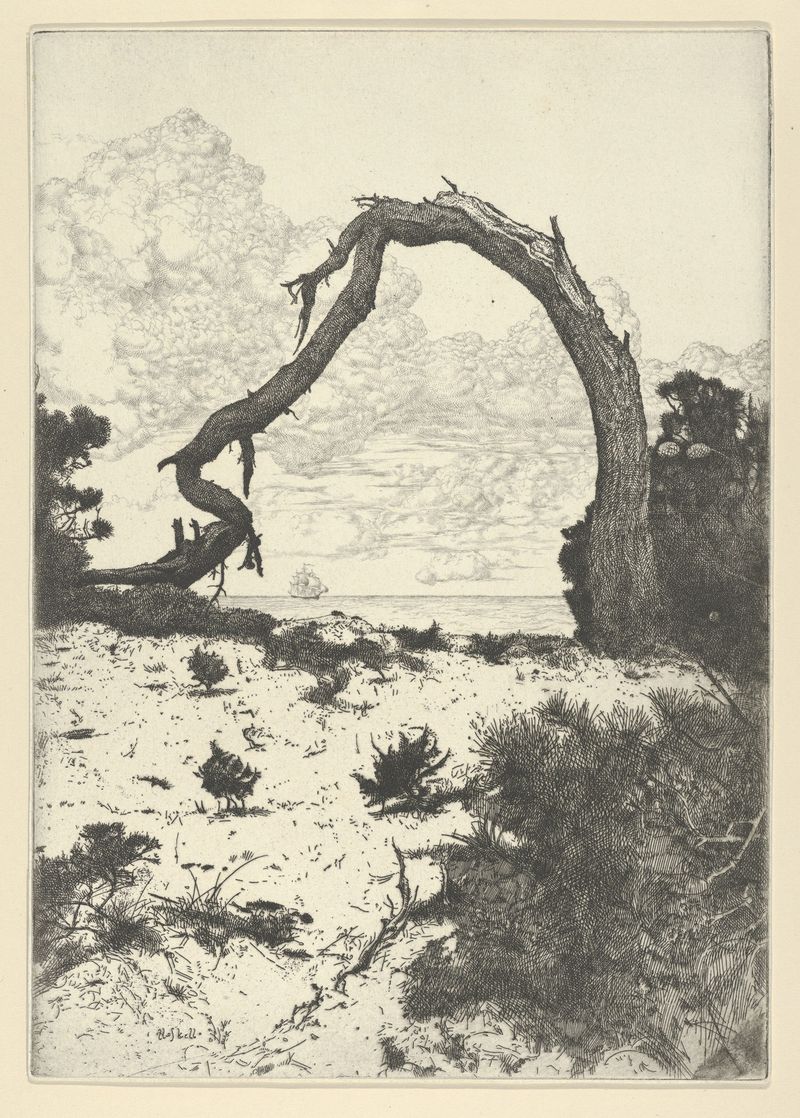
Pine Arch
Ernest Haskell

General Sherman
Ernest Haskell
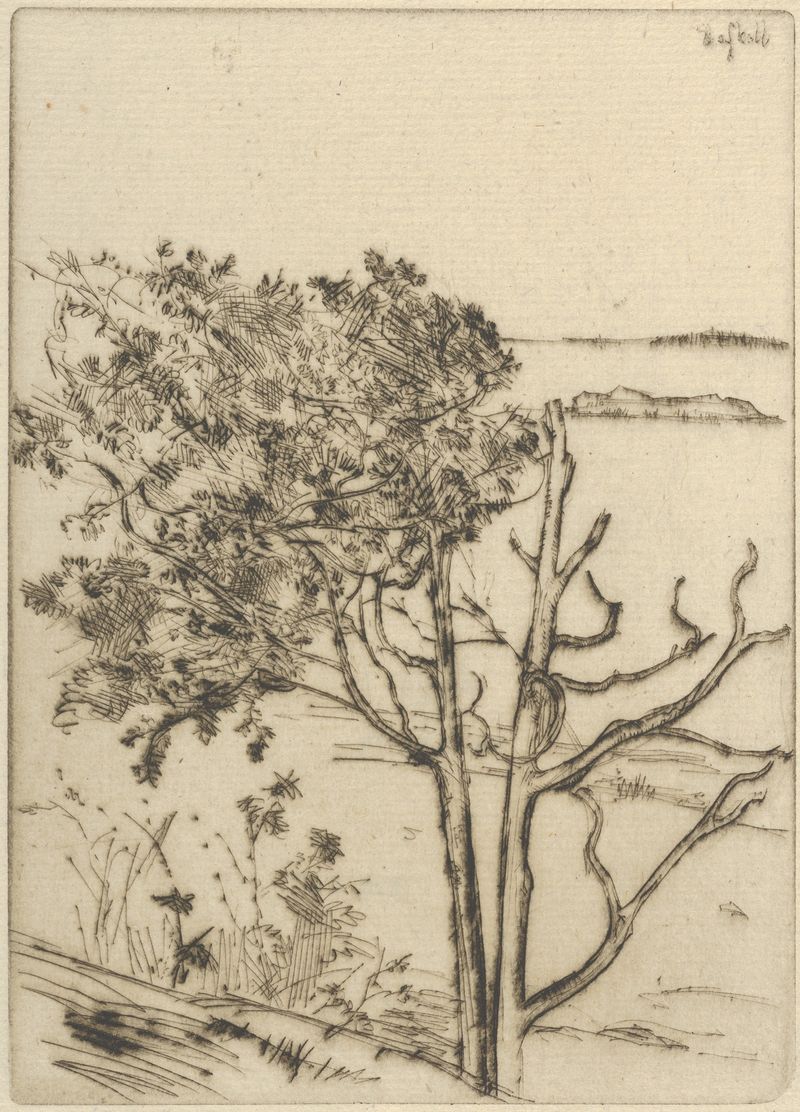
Ragged Tree – Maine
Ernest Haskell

Tide Mill
Ernest Haskell

Ship Building
Ernest Haskell
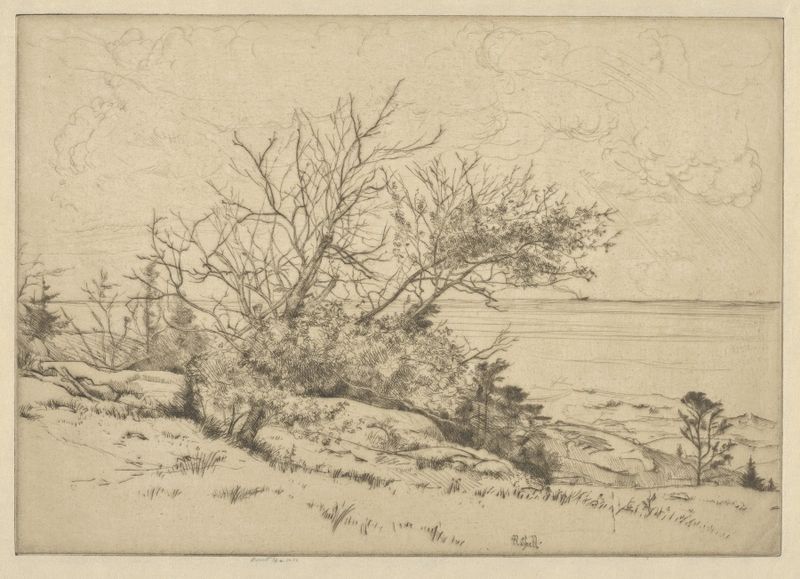
To the Southward – Ragged Island, Me.
Ernest Haskell
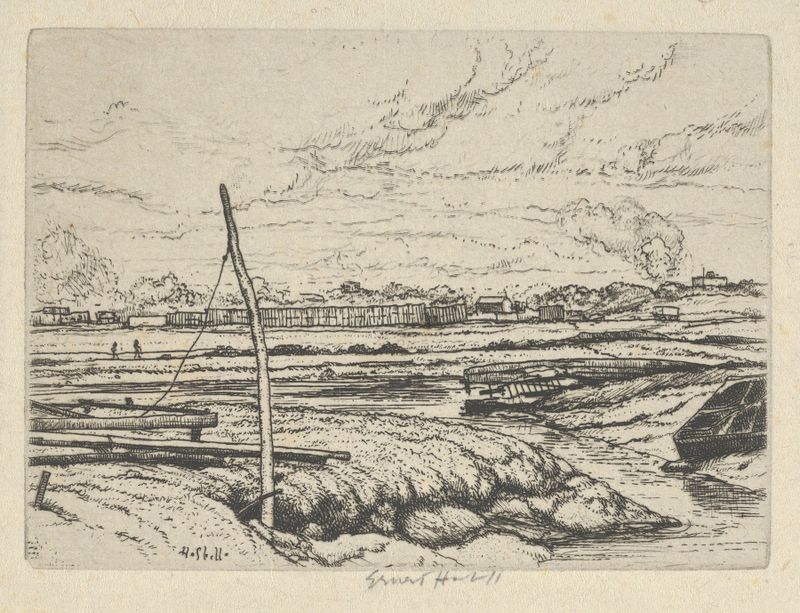
Long Island Marshes
Ernest Haskell