
Landscape from Saint-Rémy — História e Análise
Is this a mirror — or a memory? As one gazes at the rolling hills and vibrant fields of color, tranquility washes over the spirit like a gentle breeze through an open window. Look to the bottom left at the textured strokes of green and gold, where Van Gogh's signature technique brings life to the wheat fields swaying in the wind. The colors pulse with energy, inviting the eye to wander across the canvas, tracing the undulating hills that stretch into an expansive sky. Notice how the azure overhead blends seamlessly into softer hues, evoking a sublime feeling of serenity, while the swirling clouds suggest a connection between the earth and the heavens. Within the landscape, hidden contrasts emerge.
The vivid colors celebrate life yet hint at the artist's inner turmoil—each brush stroke is a testament to his struggle for peace amidst chaos. The tranquil scene, portrayed with frenetic energy, echoes the duality of existence; beauty exists alongside the artist's restless spirit. This dichotomy resonates throughout, drawing viewers to reflect on their own experiences of harmony and disquiet. In 1889, while residing in the asylum at Saint-Rémy, the artist sought solace in nature during a challenging period.
This painting emerged from his profound engagement with the surrounding landscape, marked by the turmoil of his mental health and the broader shifts in the art world. Van Gogh's innovative approach was beginning to gain recognition, paving the way for future movements, even as he grappled with his personal demons.
Mais obras de Vincent van Gogh
Ver tudo →
Starry Night
Vincent van Gogh
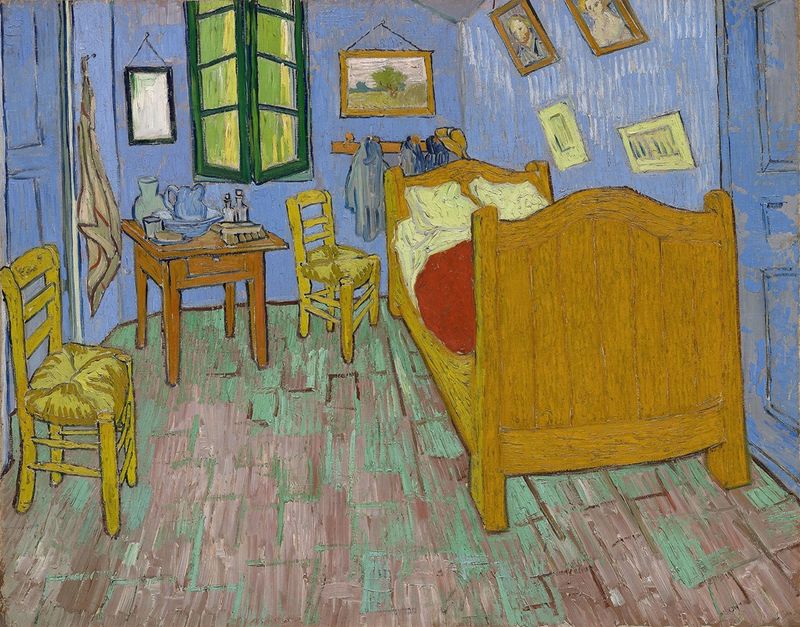
The Bedroom
Vincent van Gogh
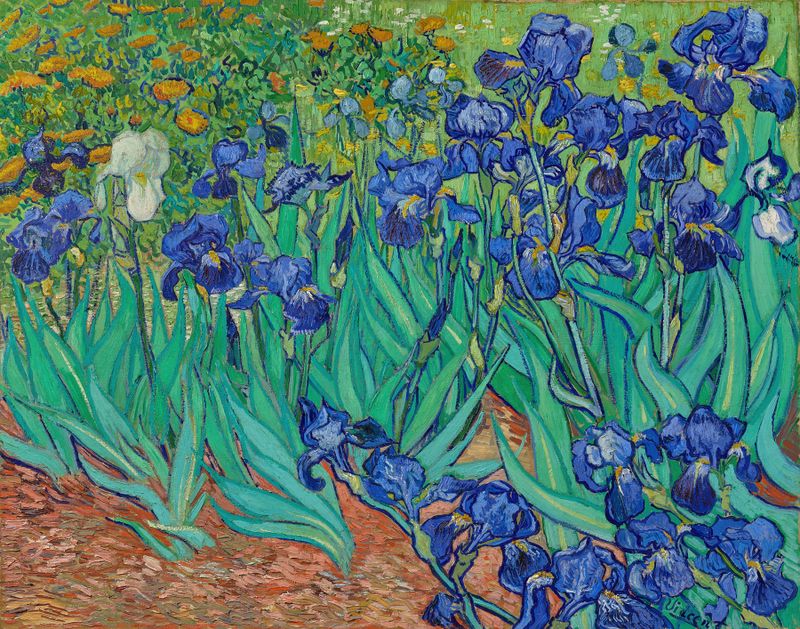
Irises
Vincent van Gogh
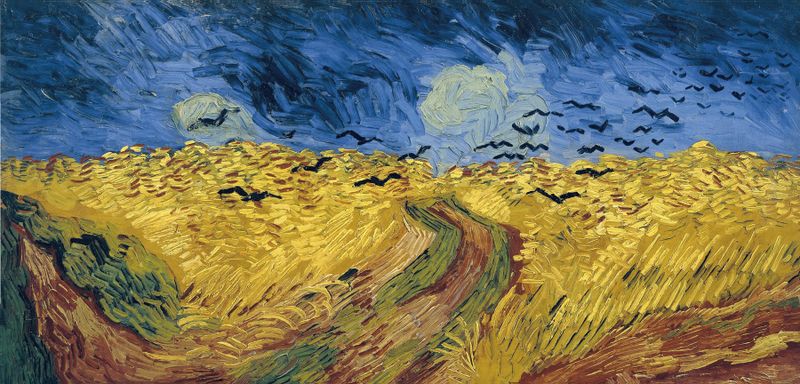
Wheatfield with Crows
Vincent van Gogh
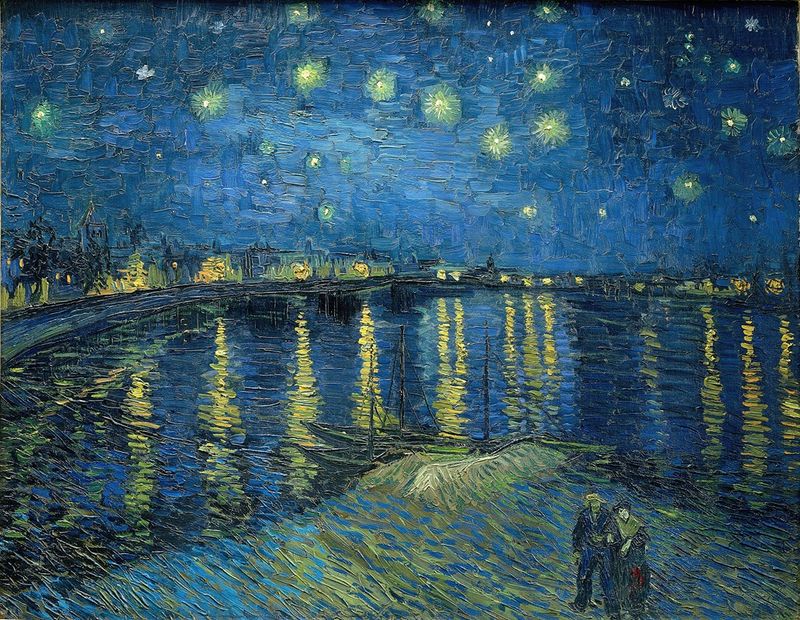
Starry Night over the Rhone
Vincent van Gogh

The yellow house
Vincent van Gogh
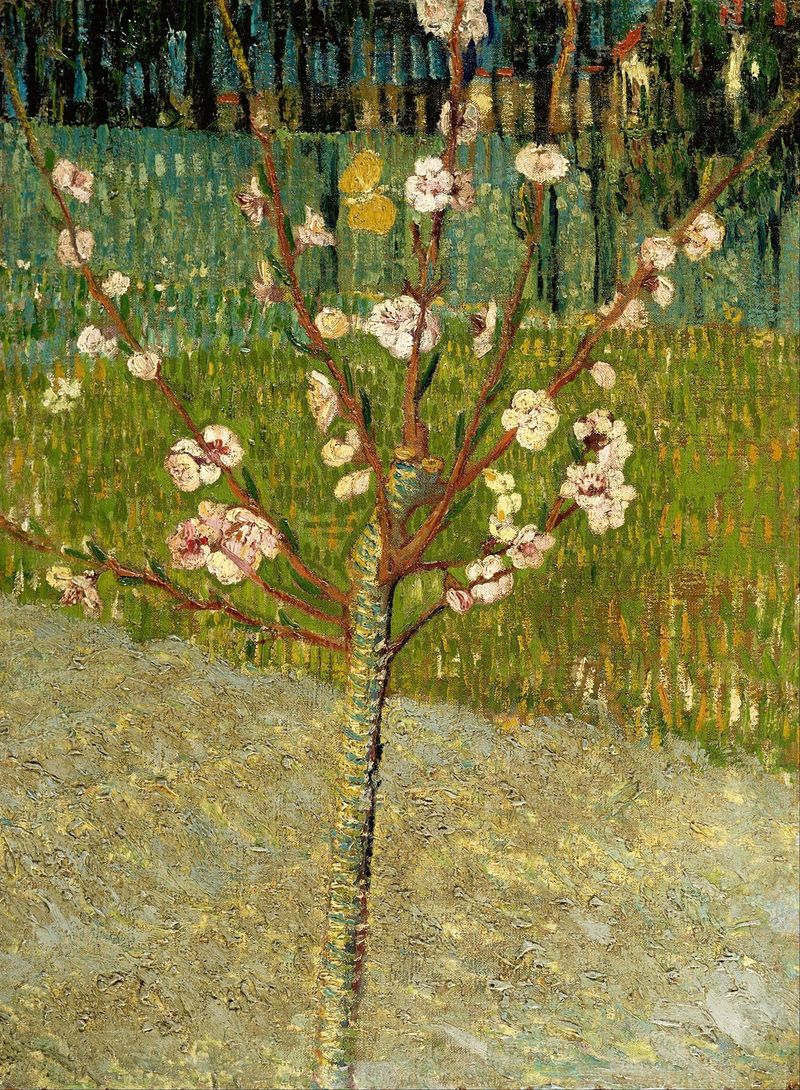
Almond tree in blossom
Vincent van Gogh

Portrait of Dr Gachet
Vincent van Gogh

The Church in Auvers-sur-Oise, View from the Chevet
Vincent van Gogh

Self-Portrait
Vincent van Gogh





