Tea warehouse — História e Análise
Could beauty survive in a century of chaos? In the shadow of industrial advancement, a revelation awaits in a forgotten corner of a bustling world. Look to the center of the canvas, where sunlight streams through a large, open window, illuminating the rich textures of stacked tea chests. The warm hues of amber and ochre contrast sharply with the cool tones of the stone floor, creating an inviting yet mysterious atmosphere. Notice how the artist captures the play of light and shadow, emphasizing the depth of the warehouse while drawing the viewer’s eye toward the intricate labeling on the tea chests.
The composition leads you through the space, inviting curiosity about the stories these objects hold. Digging deeper, the artwork presents a subtle commentary on trade and consumption. The abundance of tea chests, a symbol of luxury and global exchange, stands in stark contrast to the simple, humble environment of the warehouse. Additionally, the stillness of the setting evokes a sense of pause amidst the frenetic energy of the early 19th century, inviting reflection on the often-overlooked beauty found in everyday life and labor.
There is an underlying tension between the allure of commerce and the authenticity of craftsmanship that resonates throughout the piece. This intriguing work was created in 1821 when the artist, whose name remains lost to time, was likely influenced by the rapidly changing landscape of industrial Europe. The rise of the tea trade mirrored the expansion of colonial endeavors and economic ambition, a backdrop that shaped both the material and emotional fabric of society. In this context, the painting emerges as a quiet testament to resilience, capturing a moment of beauty amidst the chaos of modernization.
Mais obras de Unknown Artist
Ver tudo →
Ridder, Dood en Duivel
Unknown Artist
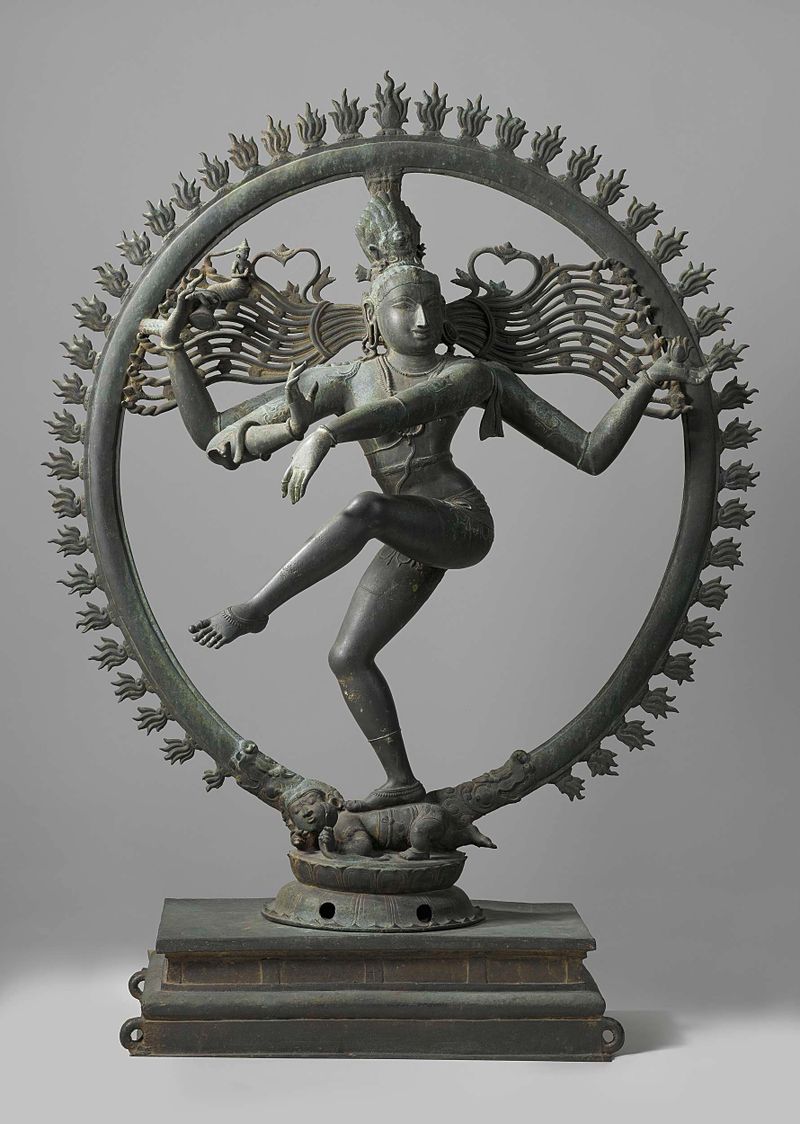
Shiva Nataraja
Unknown Artist
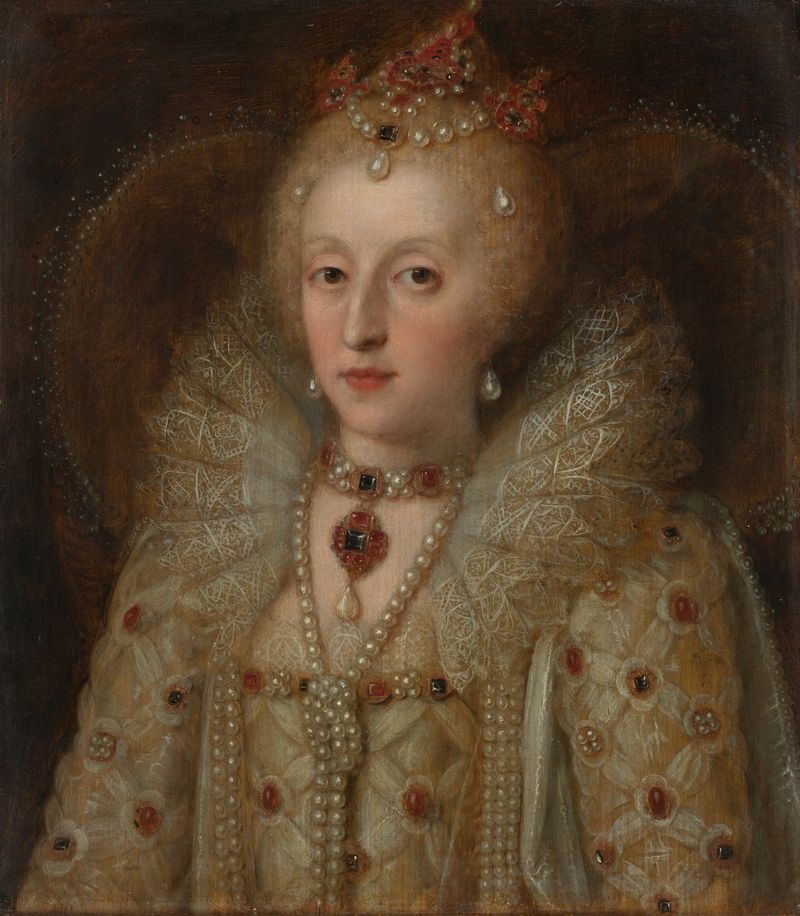
Portrait of Elizabeth I, Queen of England
Unknown Artist
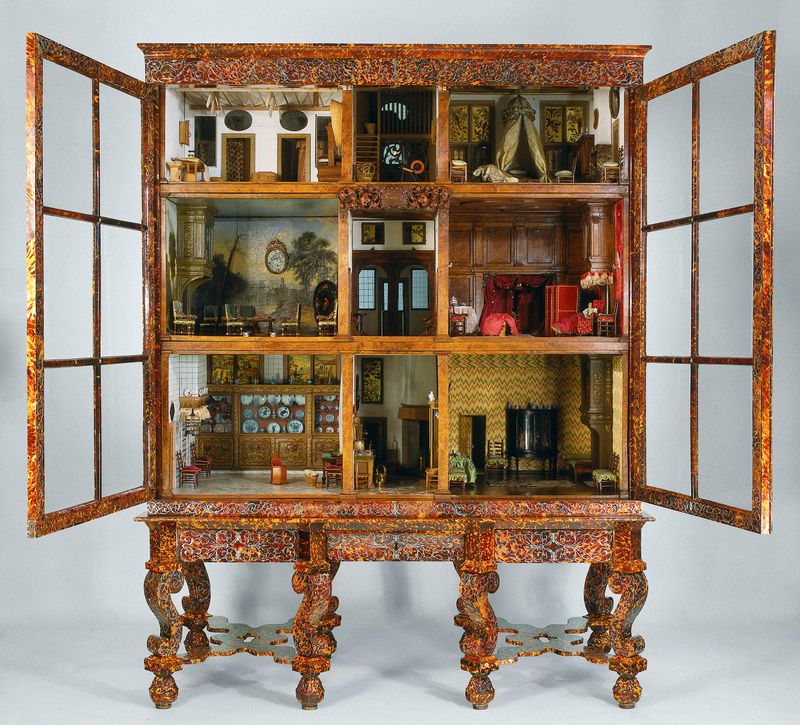
Dolls’ house of Petronella Oortman
Unknown Artist
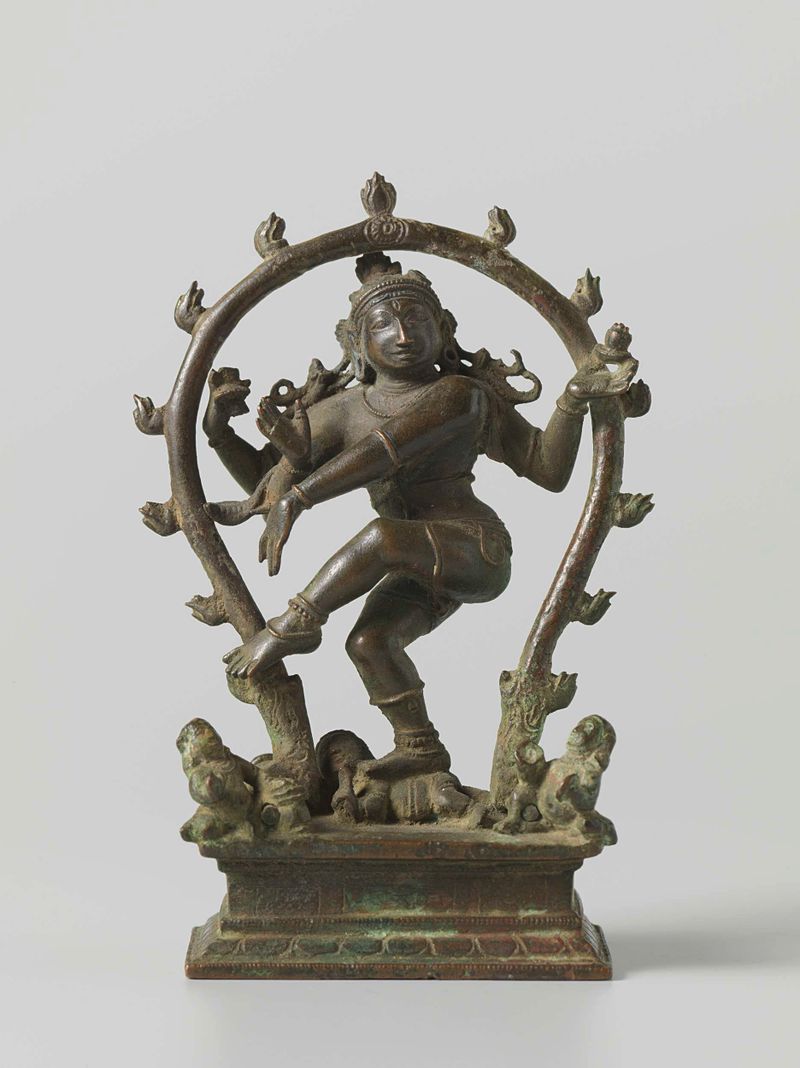
Shiva Nataraja
Unknown Artist

The Tale of Genji
Unknown Artist

The Tale of Genji
Unknown Artist

Cong
Unknown Artist
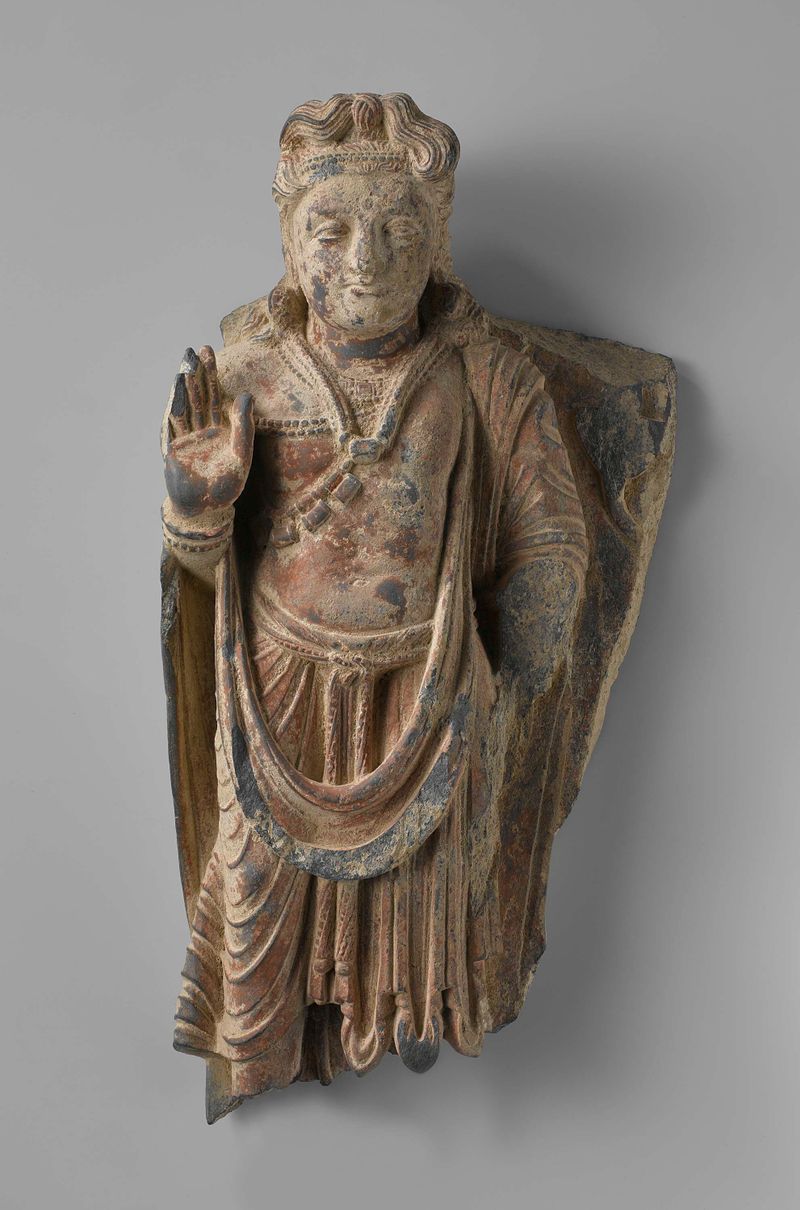
The bodhisattva Maitreya
Unknown Artist

Teabowl with a 'hare's fur' glaze
Unknown Artist